18. December, 2025delish0
In the field of industrial manufacturing, ribbon slitting machines, as important equipment in the label printing and packaging industry, directly affect the operation of the entire production line. In the past, the operation of a slitting machine often required multiple steps: manually adjusting parameters, repeatedly calibrating, and testing the cutting effect one by one, which was time-consuming and dependent on the experience and skills of the operator. With the emergence of "one-click operation" intelligent slitting machines, this traditional workflow is undergoing fundamental changes.
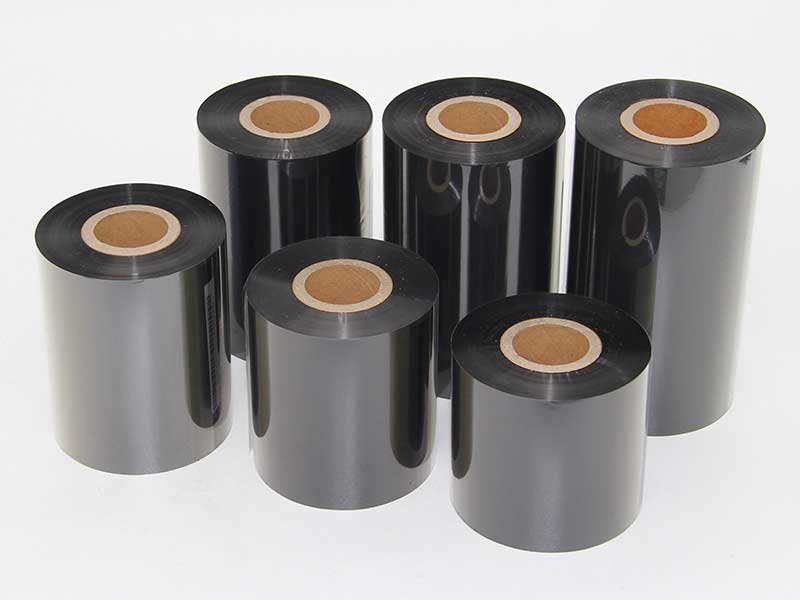
From complex to simple: revolutionary simplification of operational processes
The operation of traditional ribbon slitting machines often requires multiple procedures: first, the slitting width and tension parameters are set according to the material characteristics, then the trial cutting and adjustment are carried out, and finally mass production can begin. This process not only requires specialized knowledge but is also prone to material waste due to human error.
The one-button operation slitting machine realizes automatic parameter adjustment through the combination of preset programs and intelligent sensing technology. The operator simply selects the material type and the required specification, and the system automatically matches the optimal parameters and presses the start button to start precise slitting. This simplification reduces preparation time that could otherwise take 30 minutes to a few minutes, significantly improving equipment utilization.
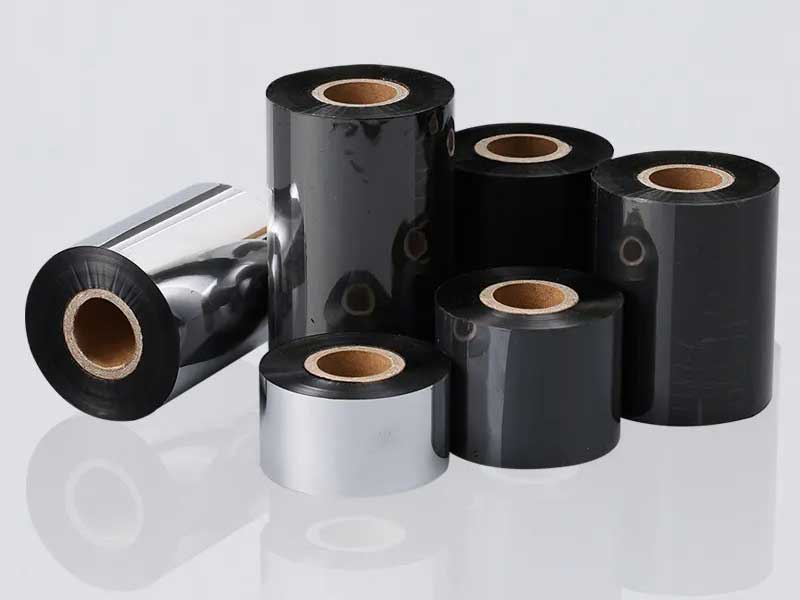
A leap in precision and consistency brought by intelligence
The built-in high-precision sensors and adaptive control system of the intelligent slitting machine can monitor the material status in real time and automatically fine-tune parameters. This means that the equipment maintains consistent slitting accuracy regardless of material batch changes, reducing quality fluctuations caused by human judgment discrepancies.
This consistency is particularly important in the label printing industry. After a packaging company introduced a one-button operation slitting machine, the product qualification rate increased from 92% to 99.5%, and material waste was reduced by 40%. Operator Xiao Wang said: "In the past, I needed to constantly adjust the machine, but now with just one button, the machine can automatically complete all the fine adjustments, and my job has shifted from manual labor to monitoring and optimization." "
The transformation of personnel skill requirements and the improvement of efficiency
The popularity of one-button operation technology has changed the role of operators. In the past, skilled operators required months or even years of experience; The basics are now simple and intuitive, and new employees can get started with a short period of training. But that doesn't mean skills have become less important – employees are shifting their skill focus from mechanical operation to high-value-added jobs such as process optimization, quality monitoring, and equipment maintenance.
A logistics label manufacturer reported that after adopting a one-button operation slitting machine, their production capacity increased by 60% while reducing labor requirements by 25%. These freed up human resources are reallocated to quality control and process optimization positions, resulting in more efficient talent allocation.

Comprehensive optimization of workflow
The impact of a single touch of operation extends far beyond a single device. When the slitting process becomes efficient and reliable, the entire production process is optimized:
1. Reduced waiting time between processes: Quickly switch between slitting tasks of different specifications, making it possible to produce small batches and multiple varieties
2. Reduced inventory pressure: On-demand slitting reduces semi-finished product inventory, allowing enterprises to achieve leaner production management
3. Enhanced data traceability capabilities: The intelligent system automatically records the production parameters of each batch, providing a complete data link for quality traceability
4. Facilitated Production Planning Flexibility: Quick setup enables the production of urgent orders and special-specification products
Challenges and future prospects
Despite the significant benefits of operating the slitting machine with one button, its rollout still faces some challenges: high initial investment, the requirement to transform the skills of traditional operators, and compatibility issues between different brands of equipment. However, as technology costs decrease and industry standards become more harmonious, these obstacles are being gradually overcome.
Looking ahead, ribbon slitting machines will further integrate IoT and AI technologies. We can expect that the equipment will be able to automatically adjust parameters according to the production plan, predict maintenance needs, and even optimize the entire production process in collaboration with other production equipment. One-click operation will no longer be a simple start command, but the entrance to the entire intelligent production system.
Epilogue
The one-click operation of the ribbon slitting machine represents not only the simplification of the operation method, but also the epitome of the transformation of industrial manufacturing to intelligence and lean. It fundamentally reshapes workflows by reducing operational complexity, improving production accuracy, and optimizing resource allocation. In this transformation, enterprises gain not only increased efficiency, but also the ability to adapt to rapidly changing market demands. When complex technological innovations are condensed behind a simple one-click, workflow transformation becomes an important force in driving industry progress.
 English
 Deutsch
 Français
 Español
 Português
 日本語
日本語 русский
 한국어
한국어 عربي
عربي ภาษาไทย
 Tiếng Việt
 Italiano
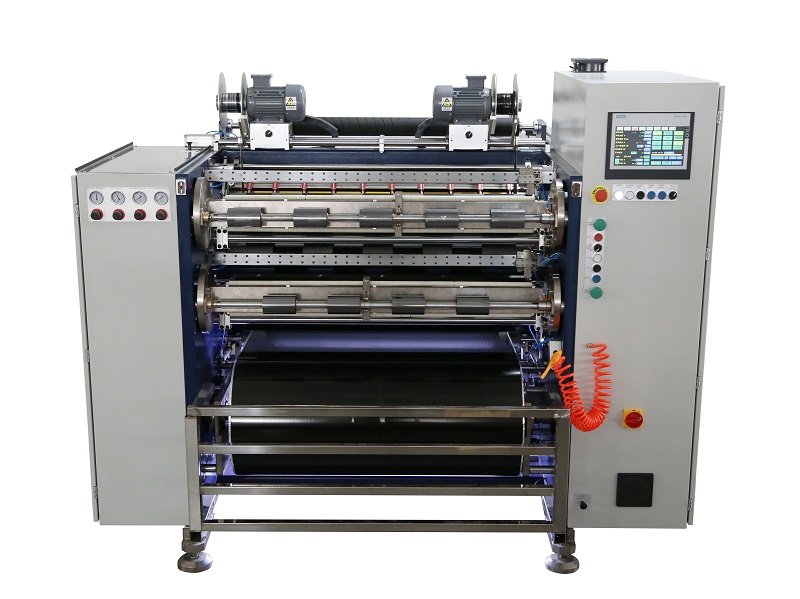 Fully Automatic TTR Slitter RSDS8 Plus
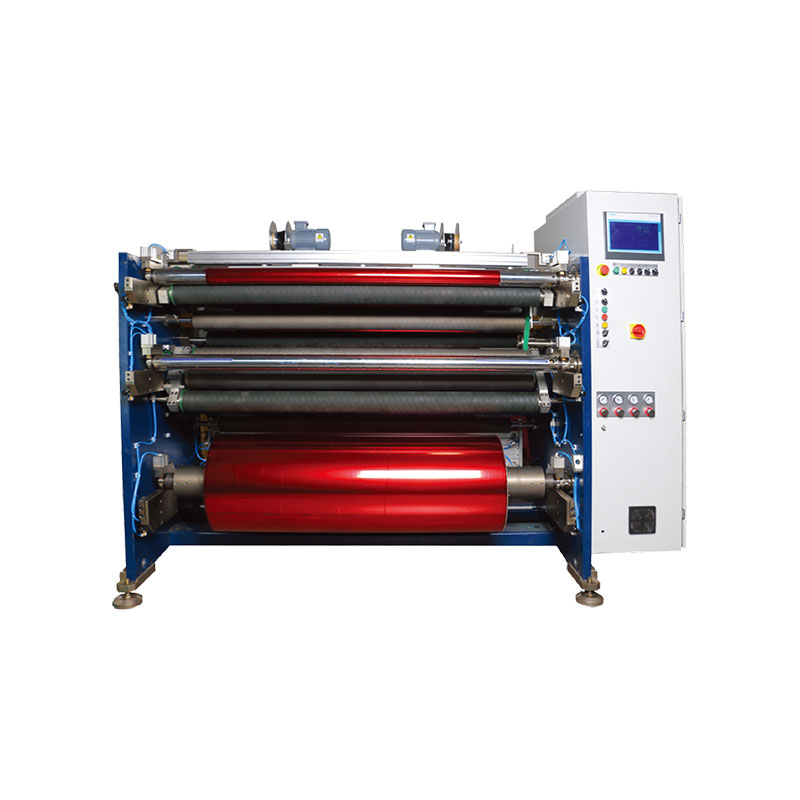 Hot Stamping Foil Slitter 1600mm
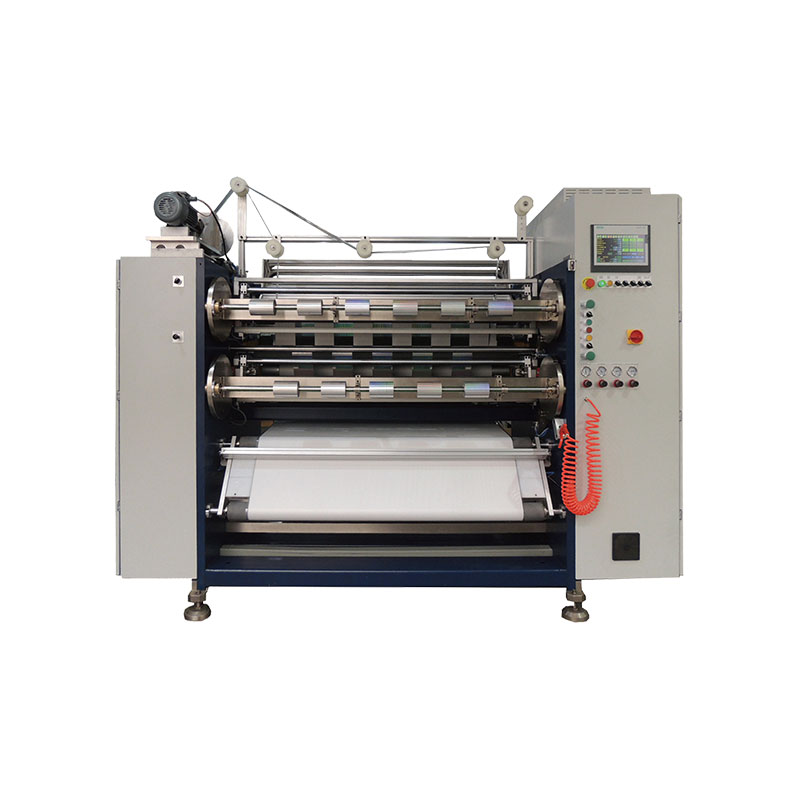 Hot Stamping Foil Slitter (4 Shafts)
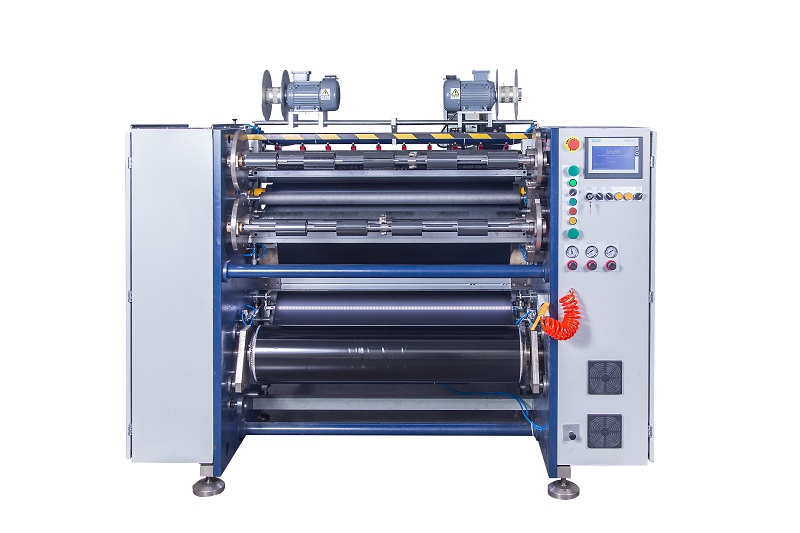 Semi-Auto TTR Slitter RSDS2 Plus
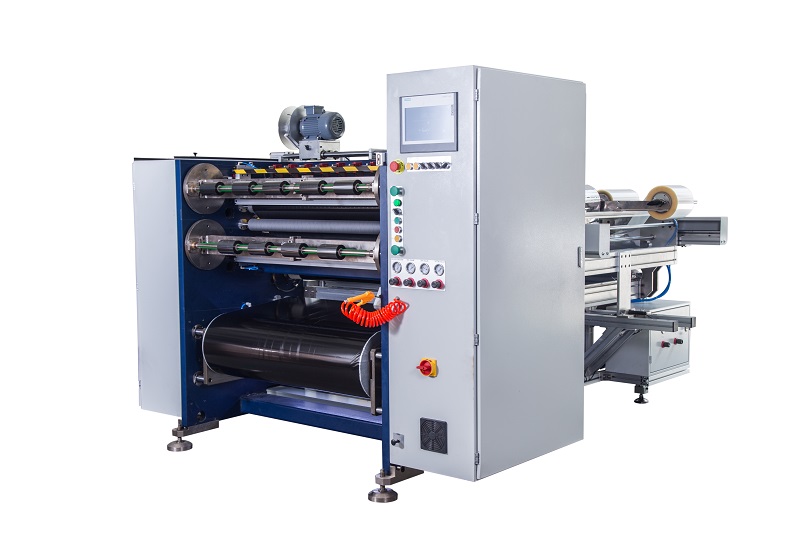 Semi Automatic TTR Slitter RSDS5 Plus
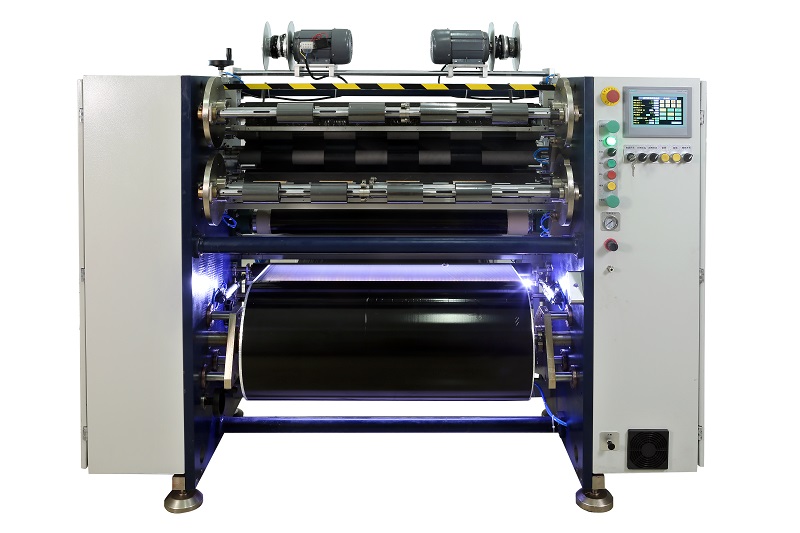 Manual TTR Slitter RSDS2
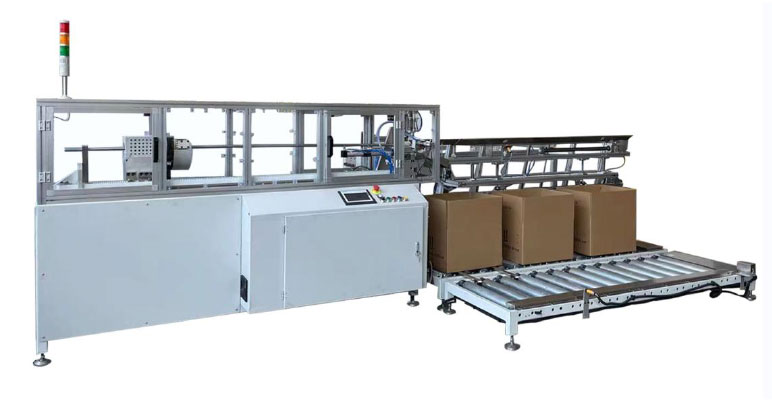 Auto Paper Core Cutter
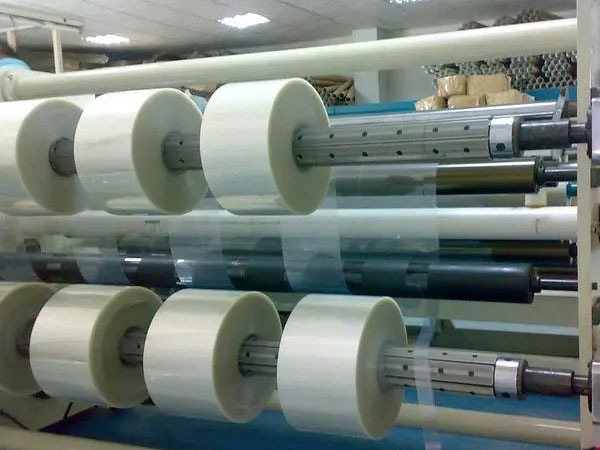 Film Slitting Machine



 +86 135 9951 7291
 support@delishgroup.com
 +86 135 9951 7291