13. January, 2026delish0
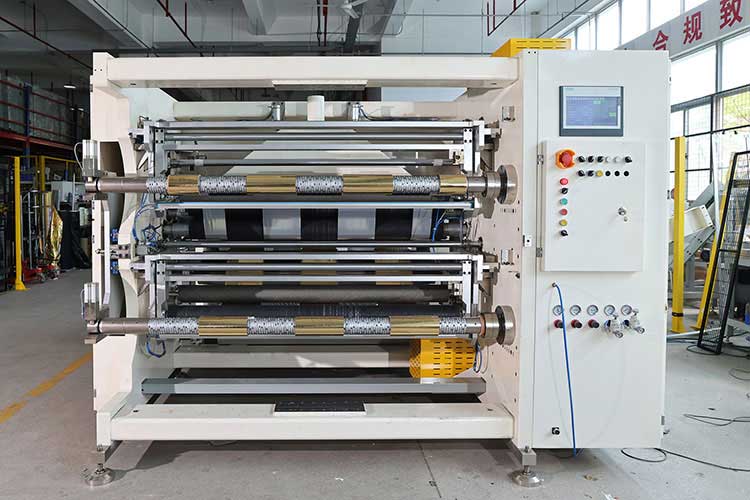
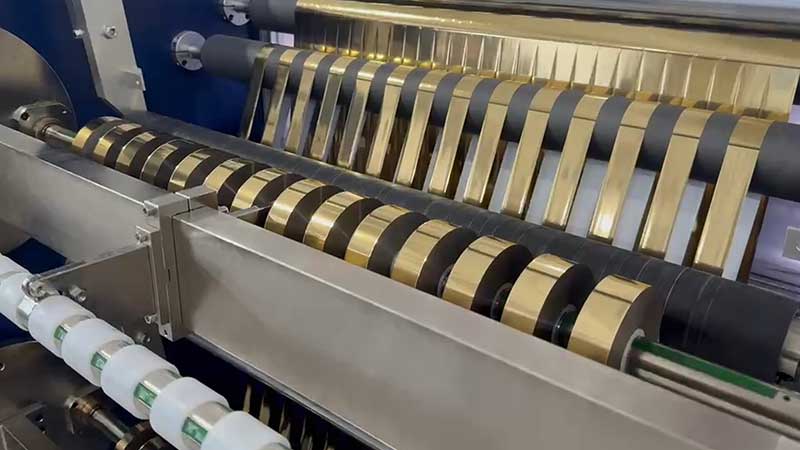
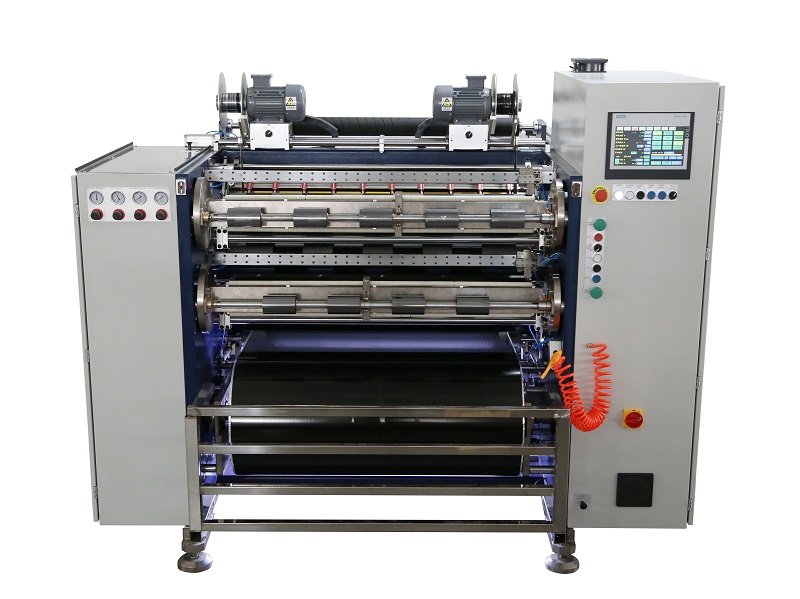
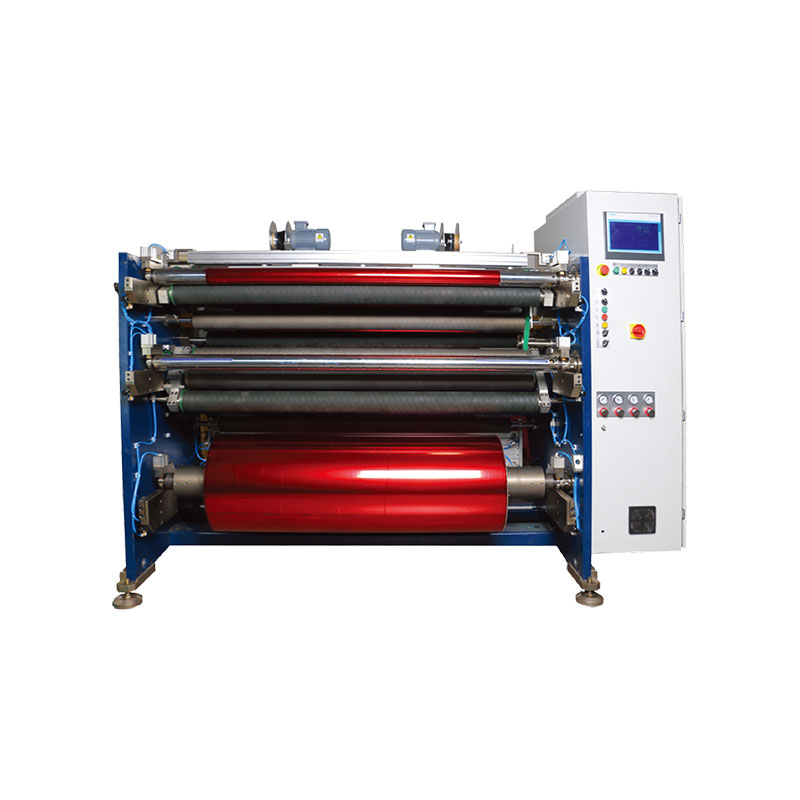
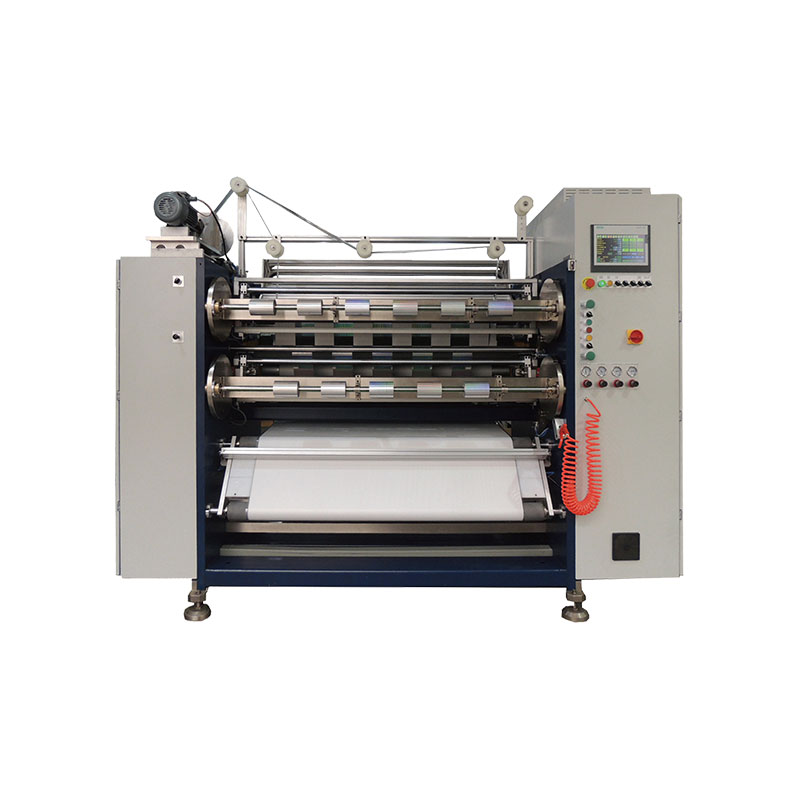
In the modern packaging, printing and decorative materials industry, the hot stamping process has become an important means to enhance the added value of products with its unique metallic luster and luxurious texture. As the core equipment of this process, the correct installation and fine debugging of the hot stamping foil slitting machine directly determine production efficiency and product quality. This article will systematically analyze the whole process of hot stamping foil slitting machine from unboxing to stable operation, helping you move from beginner to mastery.
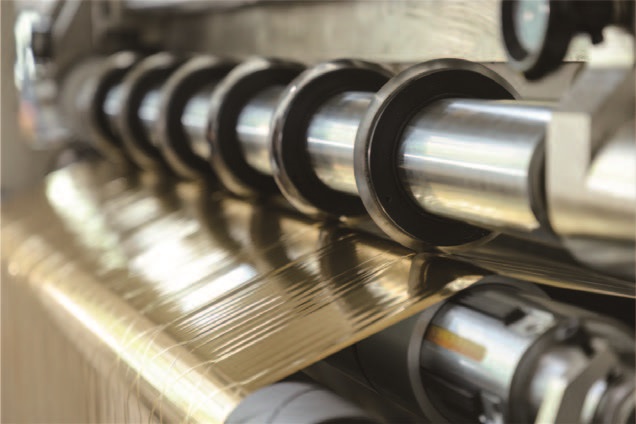
The first stage: preliminary preparation and basic cognition
1.1 Device cognition
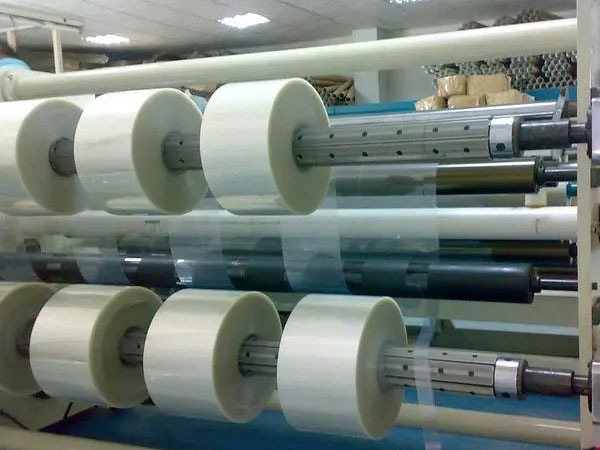
Before installation, first understand the basic composition of the hot stamping foil slitting machine:
• Unwinding system: carries raw material coils and is equipped with tension control device
• Traction System: Ensures smooth material transfer
• Slitting system: the core part, including a circular, flat, or laser slitting device
• Winding System: Neat winding of the material after slitting
• Control system:P LC, human-machine interface and various sensors
• Auxiliary systems: dust removal, correction, detection device
1.2 Environmental and infrastructure preparation
• Site requirements: flat and solid cement floor, load-bearing capacity meets equipment requirements
• Space layout: Reserve at least 1 meter of operation and maintenance space around the equipment
• Power configuration: Configure the voltage regulated power supply and grounding system according to the requirements of the equipment nameplate
• Air source preparation: Most slitting machines require dry and clean compressed air (0.6-0.8MPa)
• Environmental control: temperature 20-26°C, humidity 50%-65%RH to avoid dust pollution
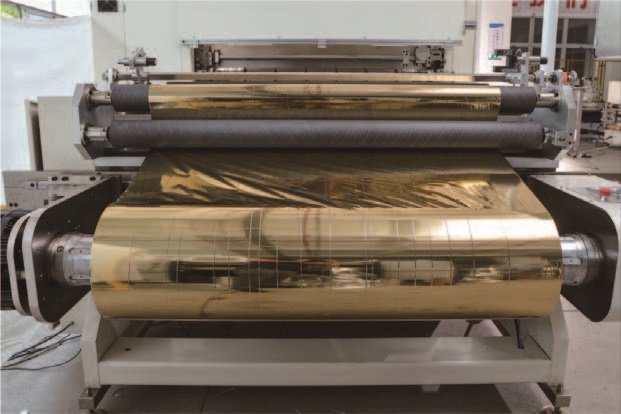
The second stage: systematic installation process
2.1 Unboxing acceptance and verification
• Count parts, tools, and materials one by one against the packing list
• Check the appearance of the equipment for transport damage
• Check whether the equipment model and specifications meet the procurement requirements
2.2 Basic positioning and level correction
• Use professional handling tools to move the main unit to the intended location
• Use a high-precision level (accuracy 0.02mm/m) to adjust the anchor bolts
• Ensure that the longitudinal and transverse horizontal errors of the equipment do not exceed 0.05mm/m
2.3 Assembly of mechanical parts
Unwinding mechanism installation:
1. Install the unwinding expansion shaft to ensure that the concentricity with the bearing seat ≤ 0.03mm
2. Adjust the parallelism of the tension detection roller, and the error shall not exceed 0.02mm
3. Install the magnetic powder brake and connect the cooling line
Slitting unit installation:
1. Install the tool holder according to the slitting width requirements
2. Install the slitting blade, pay attention to the edge angle (usually 18-22°)
3. Adjust the upper and lower tool clearance, the initial setting is 0.03-0.05mm
4. Install a brush or pressure roller to avoid sticking to gold leaf chips
Winding mechanism installation:
1. Install the rewinding shaft and check the radial runout (≤0.02mm)
2. Set the initial winding tension, usually 80% of the material tension
3. Install a surface coiling or center coiling device
2.4 Electrical and pneumatic system connection
• Connect the main power supply and control line according to the electrical drawings
• Reliable grounding, grounding resistance ≤ 4Ω
• Connecting the air pipeline and installing triplets (filter, pressure reducing valve, oil atomizer)
• Arrange the sensor line and pay attention to the shielding and routing specifications
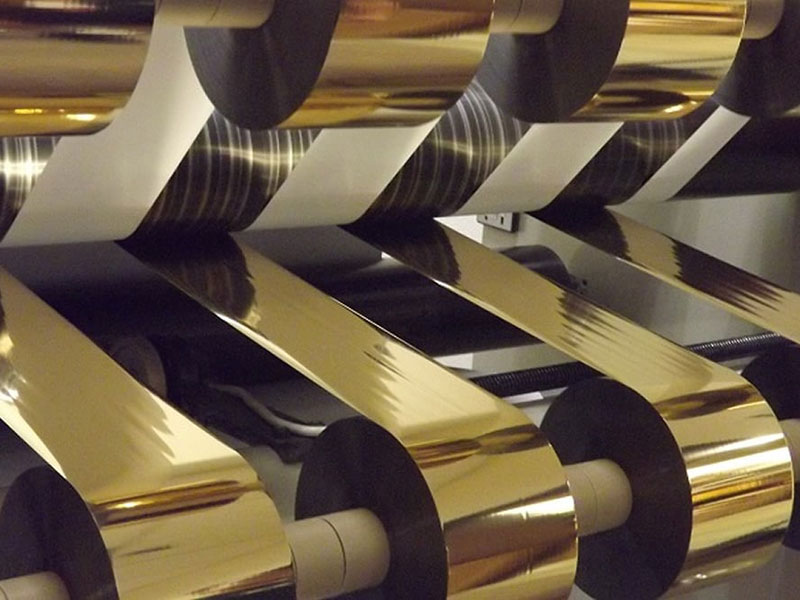
The third stage: refined debugging and parameter optimization
3.1 No-load trial operation
1. Jog test whether each motor steers correctly
2. Run at low speed (10-20 m/min) and check for abnormal sounds
3. Test the emergency stop button and all safety guards
3.2 Preliminary adjustment of mechanical parameters
Slitting Accuracy Adjustment:
1. Test cut using 10 meters of standard test material
2. Measure the width of the slitting strip and adjust the position of the slitting knife
3. Target accuracy: 0.1mm ± conventional products, 0.05mm ± precision products
Tension system debugging:
1. Set the initial unwinding tension (usually 1-2N/mm²)
2. Adjust the tension taper curve (linear or exponential decay)
3. Test tension fluctuations, control within ±5% of the set value
3.3 Trial operation and process optimization with material
Trial Cut Preparation:
1. Choose a representative gold foil material (it is recommended to start with regular PET electronized aluminum)
2. Install the material to ensure the correct feeding path
3. Set the preliminary process parameters: speed, tension, temperature (if hot cutting is required)
Slitting quality debugging:
1. Blade Clearance Optimization: Adjusts based on material thickness
◦ Films below 12 μm: Gap 0.02-0.03 mm
◦ 12-25μm material: Gap 0.03-0.05mm
◦ Materials above 25μm: Gap 0.05-0.08mm
2. Slitting Speed Matching:
◦ Ordinary gold leaf: 80-150 m/min
◦ Laser holographic foil: 60-100 m/min
◦ Special transfer foil: 50-80 m/min
3. Rewinding Quality Adjustment:
◦ Adjust the retraction pressure gradient
◦ Optimized initial winding tension (typically 120% of the slitting tension)
◦ Set the appropriate crimp taper (10-30%)
3.4 Automated function debugging
• Debugging of the correction system: Set the appropriate detection sensitivity
• Length setting: calibrate the encoder, and the error is controlled within 0.1%
• Automatic wind change parameters: set the appropriate lap time and overlap amount
• Quality inspection system: adjust the sensitivity of the camera or photoelectric sensor
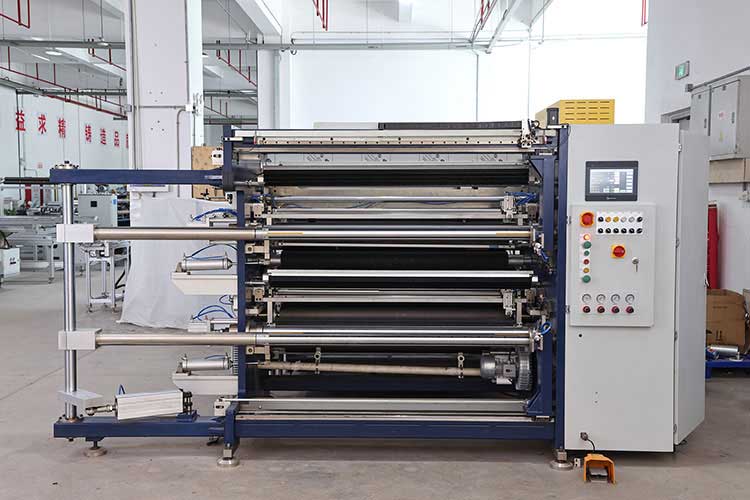
Stage 4: Diagnosis and solution of common problems
4.1 Slitting quality problems
Burr/Serrated edges:
• Causes: Blade passivation, excessive clearance, insufficient material tension
• Solution: Replace the blade, adjust the clearance, increase the tension
Cutting continuous/sticking:
• Cause: The blade clearance is too small, the blade angle is not suitable
• Solution: Increase the clearance to 0.02mm and adjust the blade angle
Curly and untidy:
• Causes: uneven winding tension, eccentricity of the core, static electricity of the material
• Solution: Adjust the tension curve, replace the core, install an electrostatic eliminator
4.2 Operational stability problems
Large fluctuations in tension:
• Check brake/clutch performance
• Calibrate the tension sensor
• Optimized PID parameters
Correction System Oscillation:
• Reduced system sensitivity
• Check hydraulic/pneumatic actuators
• Adjust the controller's dead zone range
The fifth stage: daily maintenance and proficiency improvement
5.1 Preventive Maintenance Schedule
• Daily: Clean equipment, check air source triplets, and lubricate key parts
• Weekly: Check for blade wear, calibrate sensors, test safety devices
• Monthly: Check the wear of transmission parts, clean the electrical cabinet, and back up the parameters
• Quarterly: Comprehensive overhaul, replacement of wearing parts, system accuracy calibration
5.2 Advanced Optimization Tips
Refined adjustment of material adaptability:
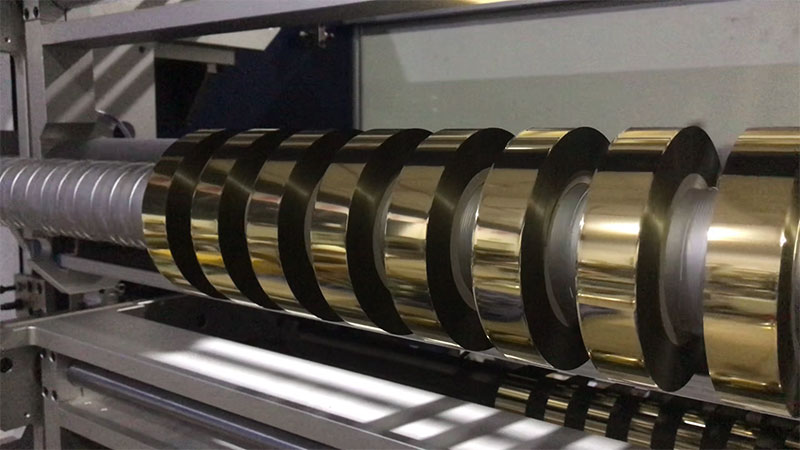
For different types of gold leaf materials (ordinary electrochemical aluminum, laser holographic foil, digital hot stamping foil, etc.), establish an exclusive process parameter database to record the optimal tension curve, slitting speed and blade parameters of different materials.
Energy Conservation and Efficiency Enhancement:
• Optimize acceleration/deceleration curves to reduce material waste
• Implement predictive maintenance to predict failures based on operational data
• Integrate automated loading and unloading systems to reduce manual intervention
Intelligent quality monitoring:
• Integrated online inspection system to monitor slitting quality in real time
• Utilize machine vision to detect edge quality and surface defects
• Establish SPC statistical process control to achieve quality trend warning
Conclusion: From operator to process expert
The installation and commissioning of hot stamping foil slitting machines is not only a mechanical process but also a deep understanding of material properties, mechanical principles, and process parameters. From strict operation in accordance with regulations in the early stage, to fault diagnosis and troubleshooting in the middle stage, to the ability to flexibly adjust parameters and optimize the process according to material changes in the later stage - this road of mastery requires continuous practice, recording and reflection.
With the continuous improvement of equipment digitalization and intelligence, modern slitting machine operators also need to constantly update their knowledge system and master new skills such as data analysis and intelligent maintenance. When you can calmly meet the challenges of slitting a wide range of special materials and push the direction of process optimization from the micro-quality of the product, you will truly achieve a transformation from beginner to mastery and become a true expert in this field.
Remember: excellent slitting quality comes from precise control of every detail, from a deep understanding of the "dialogue" between the machine and the material. On this path of excellence, every commissioning is a step closer to perfection.
 English
 Deutsch
 Français
 Español
 Português
 日本語
日本語 русский
 한국어
한국어 عربي
عربي ภาษาไทย
 Tiếng Việt
 Italiano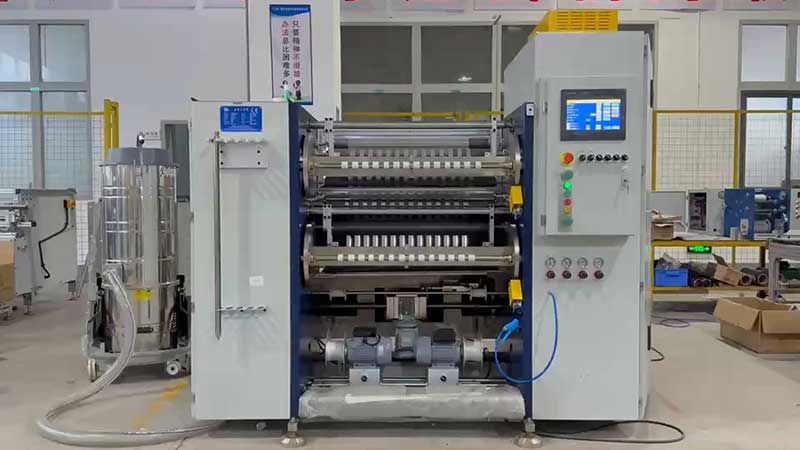
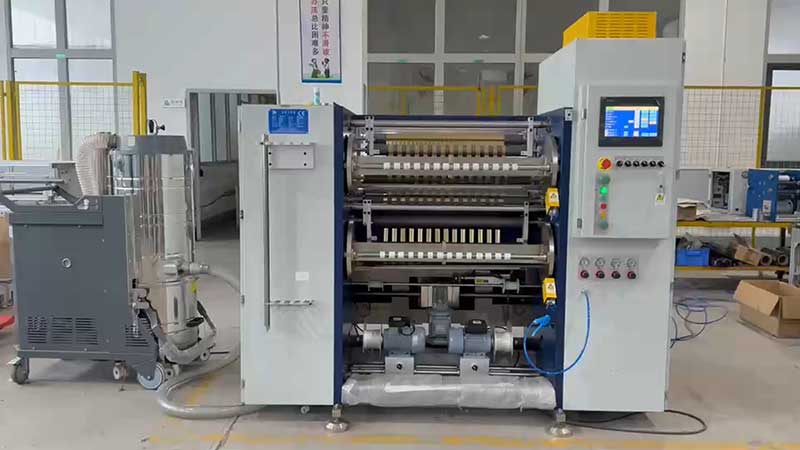
 Fully Automatic TTR Slitter RSDS8 Plus
 Hot Stamping Foil Slitter 1600mm
 Hot Stamping Foil Slitter (4 Shafts)
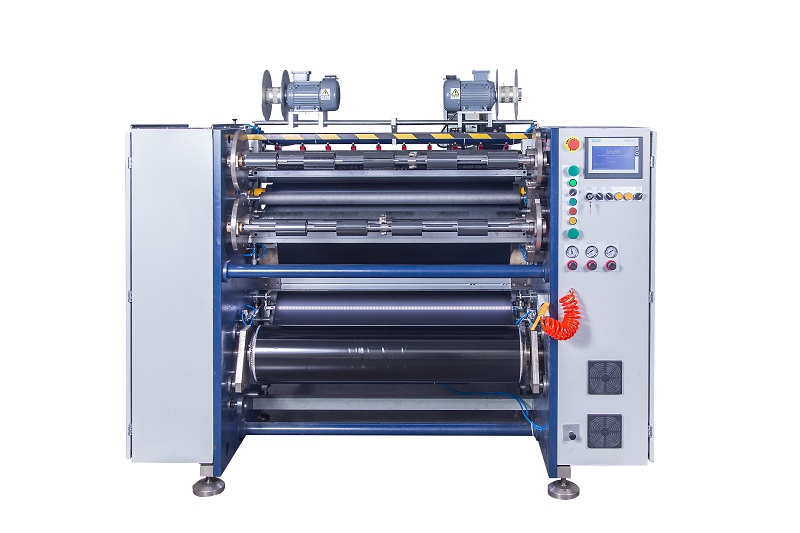 Semi-Auto TTR Slitter RSDS2 Plus
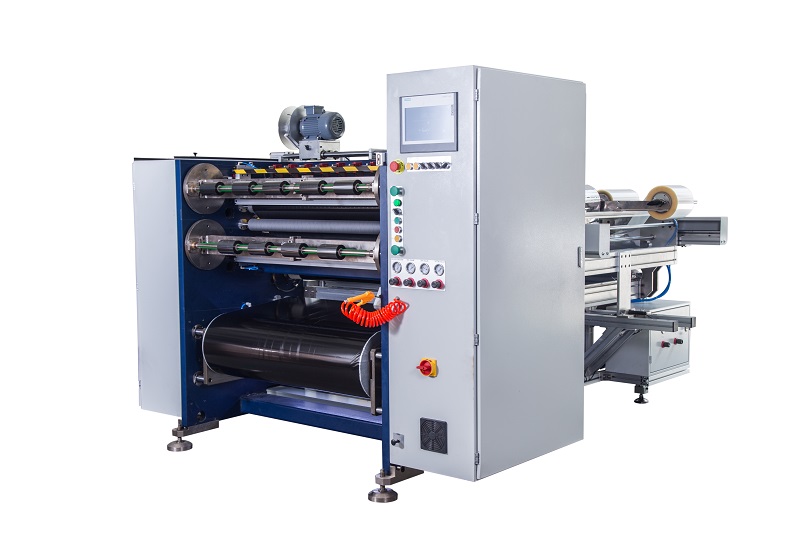 Semi Automatic TTR Slitter RSDS5 Plus
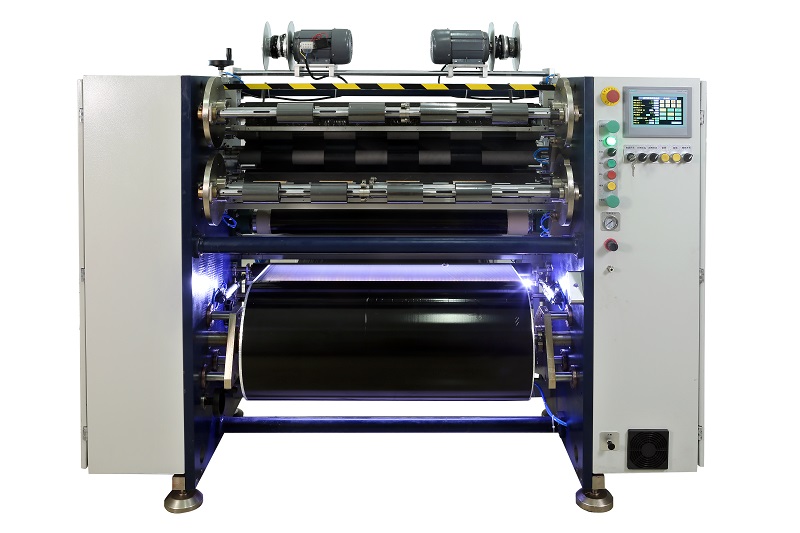 Manual TTR Slitter RSDS2
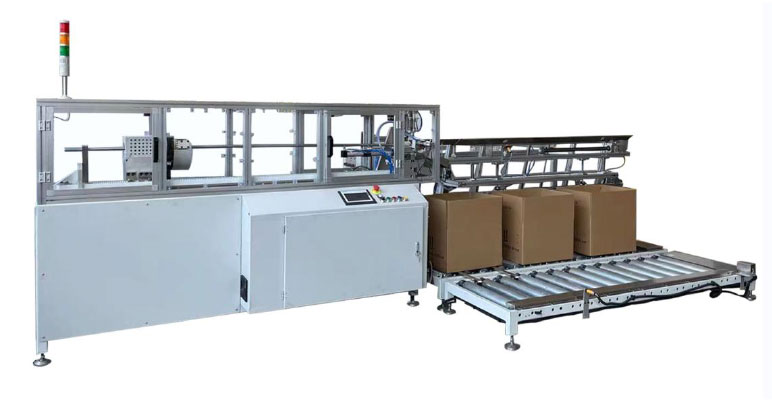 Auto Paper Core Cutter
 Film Slitting Machine



 +86 135 9951 7291
 support@delishgroup.com
 +86 135 9951 7291