14. January, 2026delish0
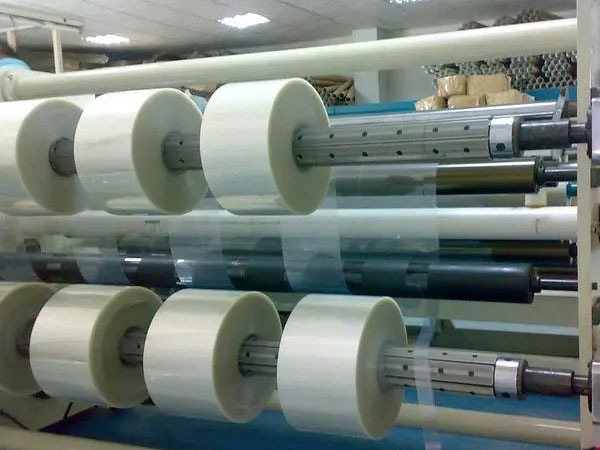
In the heat transfer printing industry, ribbon (also known as heat transfer ribbon) is an important consumable, and the material loss in its production process directly affects the production cost and market competitiveness of enterprises. As a key equipment for ribbon post-processing, the performance optimization and operation management of ribbon slitting machine are of decisive significance to reduce material loss. This article will delve into how to effectively reduce material loss during ribbon production through technical optimization and operational improvement of ribbon slitting machines.
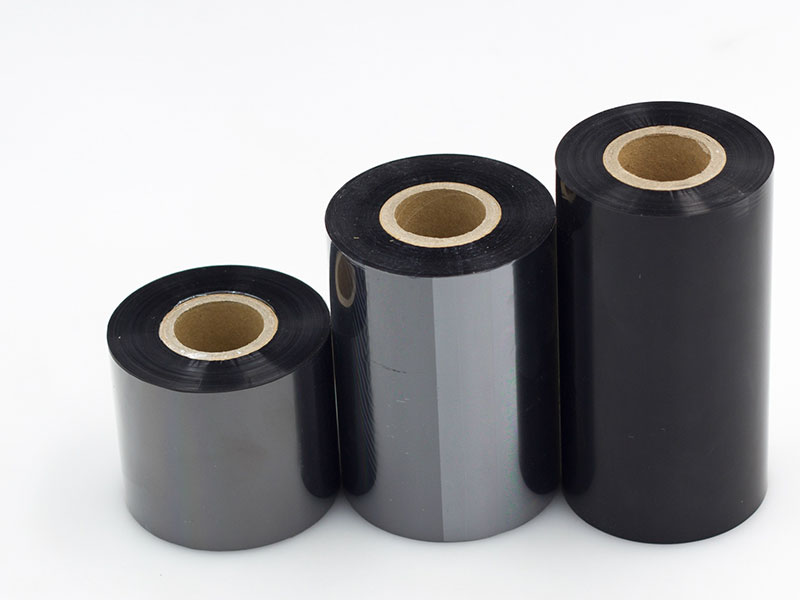
1. Understand the source of loss in the process of ribbon slitting
To effectively reduce losses, the system first needs to identify the main loss points in the slitting process:
1. Cutting Scrap: Edge scrap generated during the slitting process to obtain a standard width product
2. Joint Loss: Material waste caused by joint treatment in the production of large coils of raw materials
3. Start-up and shutdown losses: defective products and debugging materials generated during the start-up and shutdown phases of the equipment
4. Improper tension loss: wrinkling, tensile deformation or fracture caused by unstable tension control
5. Insufficient slitting accuracy: The slitting deviation leads to the product not meeting specifications and scrapping
6. Equipment cleaning and changeover loss: Debugging and cleaning material loss when changing product specifications
2. Key technical optimization strategies of ribbon slitting machines
1. Precision slitting system upgrade
• High-Precision Tool System: Uses nano-coated tools and automatic sharpening systems to maintain blade sharpness and reduce burrs and chips
• Dynamic Correction Device: Install a high-sensitivity photoelectric correction system to monitor and adjust the material position in real time to control the slitting deviation within ±0.1mm
• Multi-Axis Synchronous Control: Upgrade the slitter control system for precise synchronization of unwinding, traction, slitting, and rewinding
2. Intelligent tension control optimization
• Multi-stage tension zone control: The slitting process is divided into unwinding zones, traction zones and rewinding zones, and the optimal tension parameters are set and adjusted in real time
• Taper tension control: The tension is automatically reduced with the increase of the coil diameter during the winding process to avoid the deformation of the inner material under pressure
• Tension Fluctuation Monitoring and Compensation: Install tension sensors to monitor and automatically compensate for tension fluctuations in real time to prevent material stretching or wrinkling
3. Automation and intelligent transformation
• Automatic Strapping System: Install high-precision tape splicing devices to reduce material waste and poor joints caused by manual taping
• Visual inspection system: CCD inspection system is installed before and after slitting to identify material defects in real time, and early warning and rejection
• Production data traceability system: Records key parameters for each production batch to provide data support for optimization
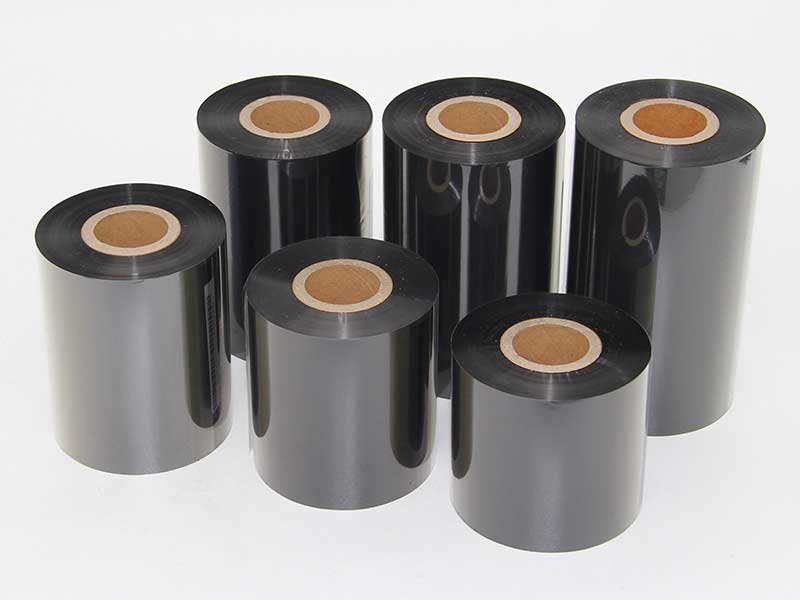
3. Optimization measures for operation process and management
1. Establish standardized operating procedures
• Develop detailed standard operating procedures (SOPs) for slitting machine operation, including start-up warm-up, parameter setting, production process monitoring, and shutdown procedures
• Establish standard methods for loading and unloading materials to reduce material damage caused by human handling
• Implement a "first article inspection" system to ensure that the first batch of products after each change meets quality standards
2. Production planning and scheduling optimization
• Reduce the frequency of product specification replacement through order consolidation and intelligent scheduling, thereby reducing changeover losses
• Optimize the slitting scheme according to the width of the raw material and calculate the maximum material utilization using professional nesting software
• Implement the principle of "continuous production of similar specifications" to arrange products of the same or similar specifications together for production
3. Establish a preventive maintenance system
• Develop and execute regular maintenance schedules, including tool inspection and replacement, rail cleaning and lubrication, sensor calibration, etc
• Establish life files of key components and predictively replace wearing parts to avoid material waste caused by sudden failures
• Regularly inspect and calibrate equipment accuracy to ensure that the slitting machine is always in optimal working condition
4. Material management and process innovation
1. Raw material quality control and pretreatment
• Strengthen the incoming inspection of raw materials to prevent defective materials from entering the production process
• Pre-treatment of temperature and humidity sensitive materials to ensure that the materials reach a stable state before production
• Optimize raw material storage conditions to prevent material deformation or performance changes
2. Construction of slitting process parameter database
• Establish a database of optimal slitting parameters for different materials and specifications
• Developed an intelligent parameter recommendation system to automatically recommend slitting parameters based on material properties
• Continuously collect production data to optimize and update process parameters
3. Scrap minimization cutting strategy
• Uses "nest-cut" technology to cut out multiple widths from a single wide material at the same time
• Optimize the slitting sequence, prioritizing the production of major specifications before processing the edge material
• Assess the market demand for narrow products and convert leftovers into small-format products instead of scrap

5. Personnel training and continuous improvement culture
1. Professional skills training system
• Conduct regular training on equipment operation, maintenance, and troubleshooting for operators
• Carry out special training on the relationship between material properties and slitting processes
• Implement the "multi-skilled worker" training program to improve the operational flexibility of personnel
2. Loss monitoring and improvement mechanism
• Establish a loss statistics and analysis system to accurately track the material loss of each link
• Set attrition reduction targets and incentives to encourage employees to suggest improvements
• Conduct regular wear analysis meetings to identify the root cause of the problem and develop improvement measures
3. Continuous improvement of cultural cultivation
• Promote the concept of lean production and integrate loss reduction into daily production culture
• Establish a cross-departmental improvement team to solve complex wear and tear problems in a collaborative manner
• Encourage small changes and reward employees who contribute to reducing attrition in a timely manner
6. Future technology development trends
With the development of Industry 4.0 and intelligent manufacturing, ribbon slitting machines will develop in a more intelligent and integrated direction:
1. Application of digital twin technology: Optimize slitting parameters through virtual simulation to reduce physical debugging losses
2. AI Optimization System: Utilizes machine learning algorithms to optimize the slitting process in real-time, automatically adjusting parameters
3. IoT integrated monitoring: Realize comprehensive monitoring and intelligent linkage of equipment, materials and environment
4. Modular and flexible design: Quick module change to adapt to different product needs, reducing changeover time and loss
Epilogue
Reducing material loss through ribbon slitting machine is a systematic project, which requires the coordinated promotion of equipment technology optimization, operation process improvement, management mechanism innovation and personnel quality improvement. Enterprises should start from their own actual situation, systematically evaluate the loss links in the slitting process, formulate targeted improvement strategies, and establish a long-term mechanism for continuous improvement. With the continuous advancement of technology and the improvement of management level, the material utilization rate of the ribbon slitting process is expected to increase from the industry average of 85%-90% to more than 95%, creating significant economic benefits for enterprises and making positive contributions to environmental protection and sustainable development.
In an increasingly competitive market environment, reducing material loss is not only the need for cost control, but also the embodiment of the company's technological innovation ability and refined management level. Only by integrating the concept of reducing losses into every link of enterprise production can we truly achieve the goal of high-quality, low-cost and sustainable production.
 English
 Deutsch
 Français
 Español
 Português
 日本語
日本語 русский
 한국어
한국어 عربي
عربي ภาษาไทย
 Tiếng Việt
 Italiano
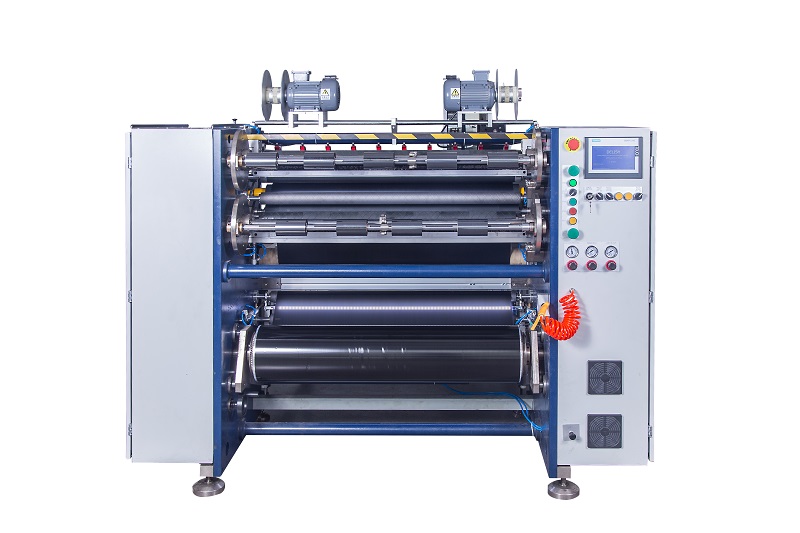
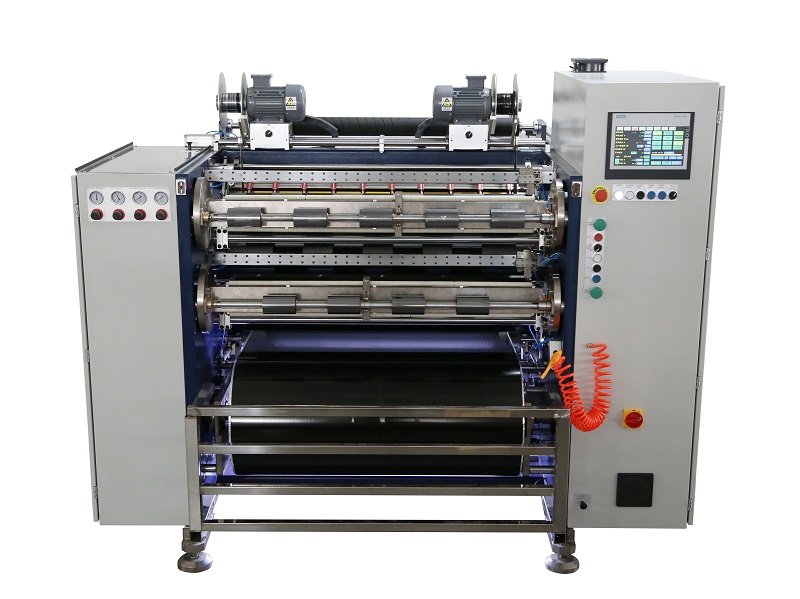 Fully Automatic TTR Slitter RSDS8 Plus
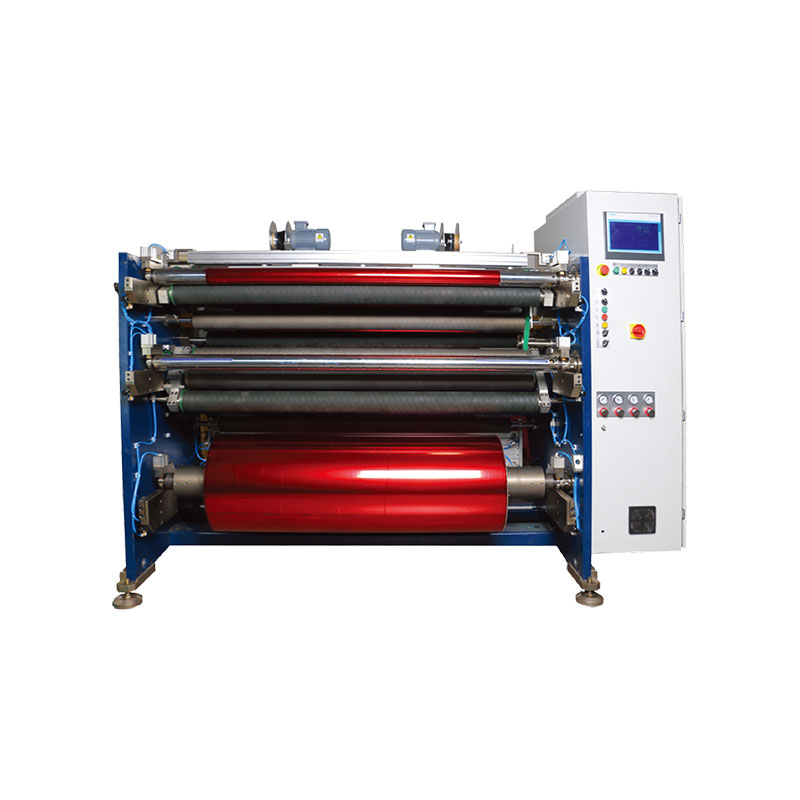 Hot Stamping Foil Slitter 1600mm
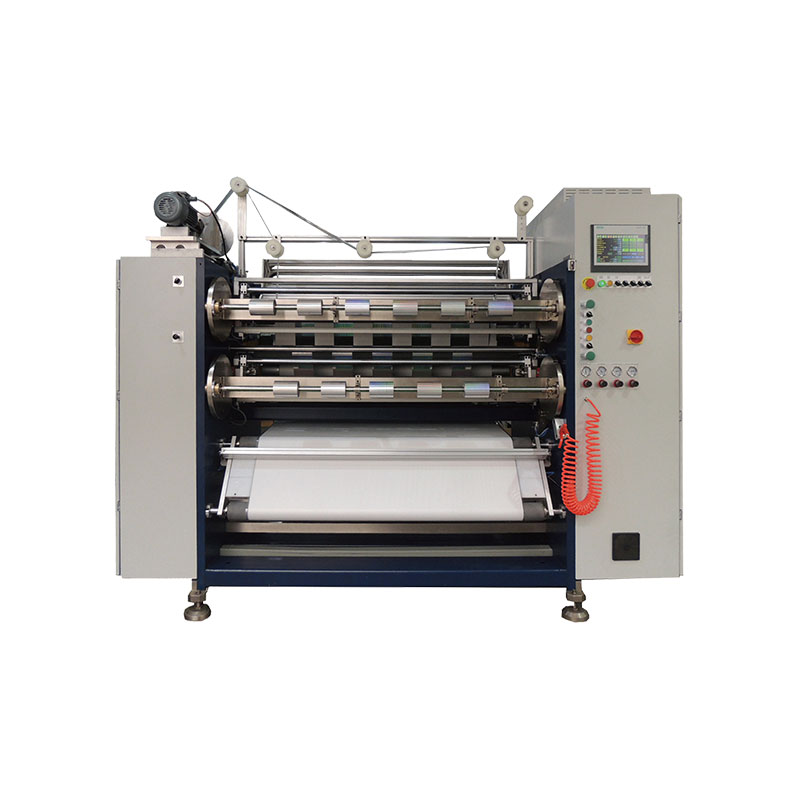 Hot Stamping Foil Slitter (4 Shafts)
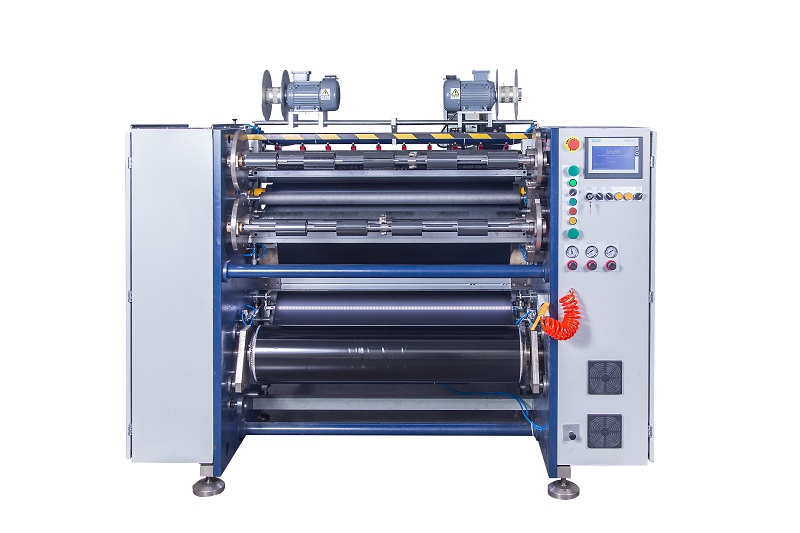 Semi-Auto TTR Slitter RSDS2 Plus
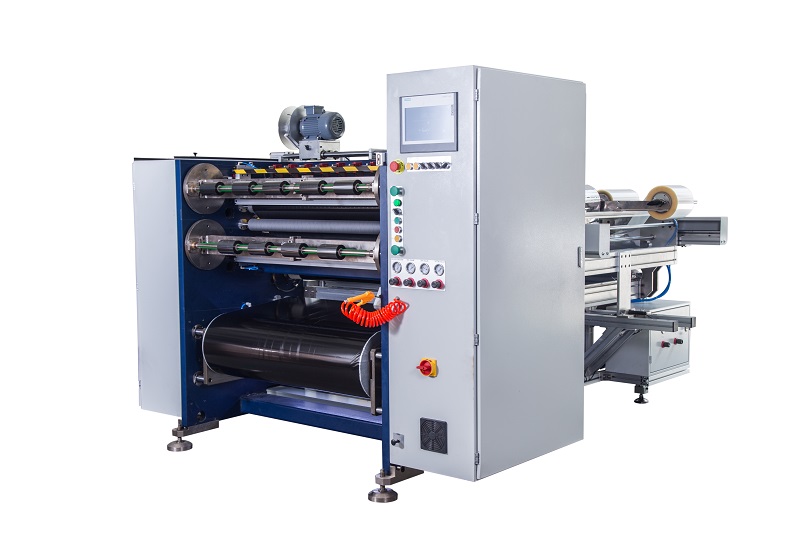 Semi Automatic TTR Slitter RSDS5 Plus
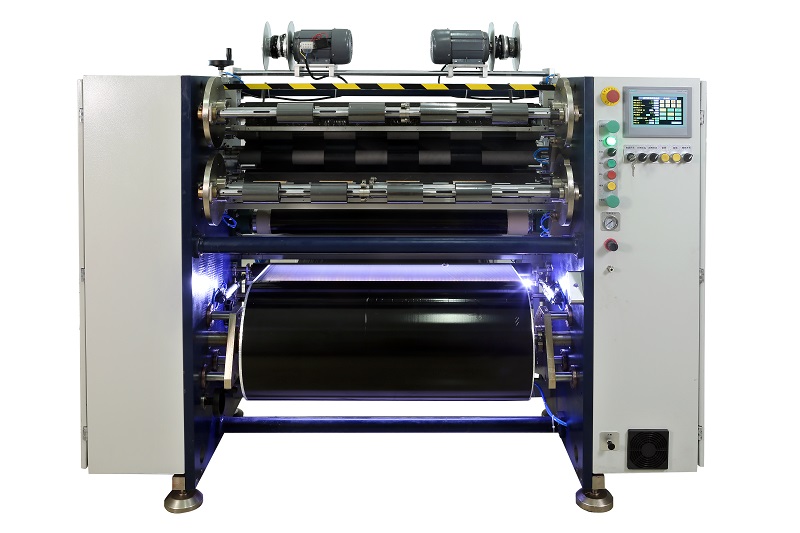 Manual TTR Slitter RSDS2
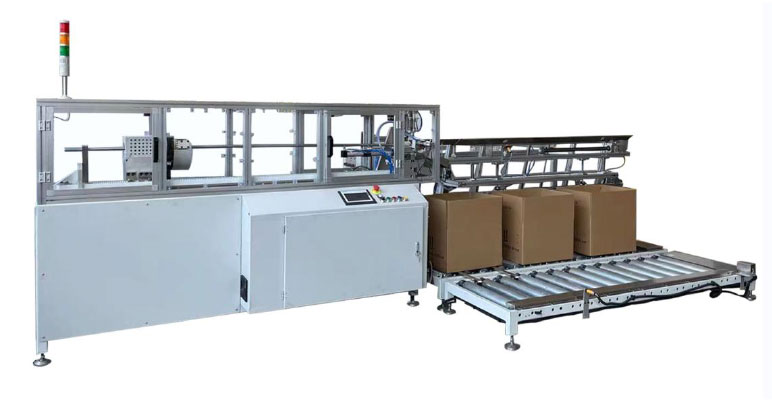 Auto Paper Core Cutter
 Film Slitting Machine



 +86 135 9951 7291
 support@delishgroup.com
 +86 135 9951 7291