10. February, 2026delish0
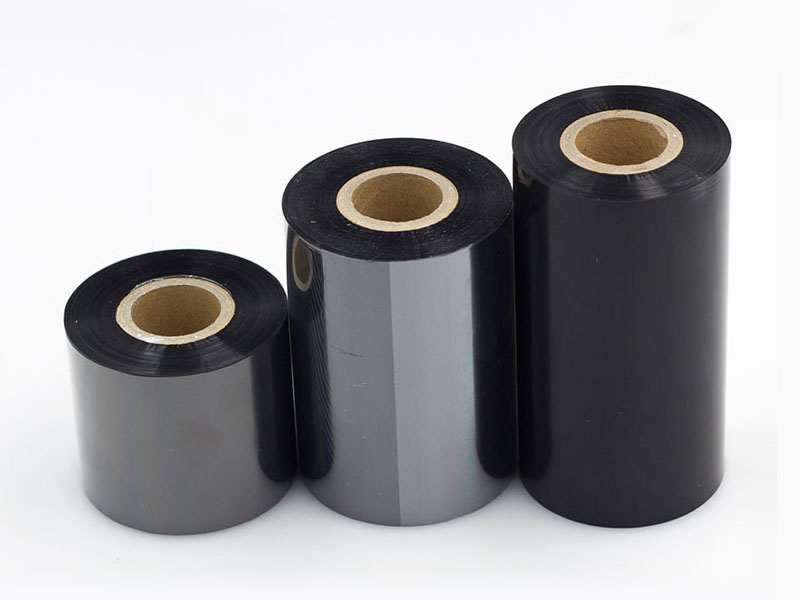
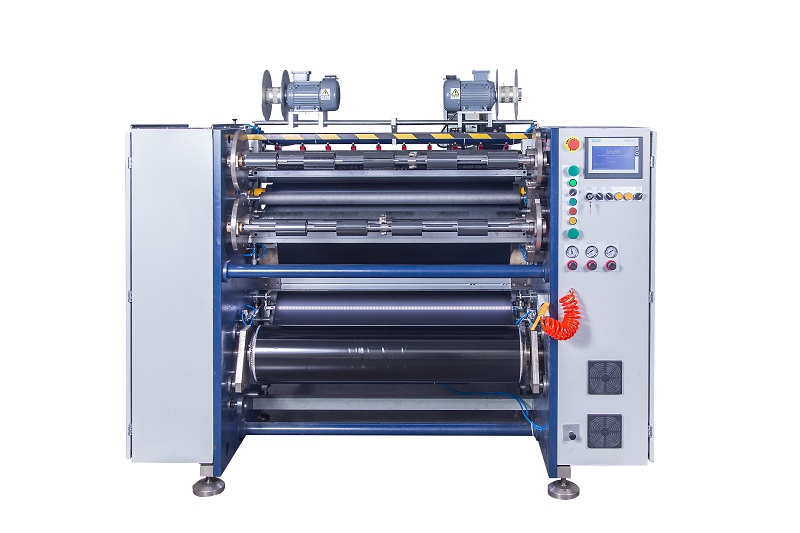
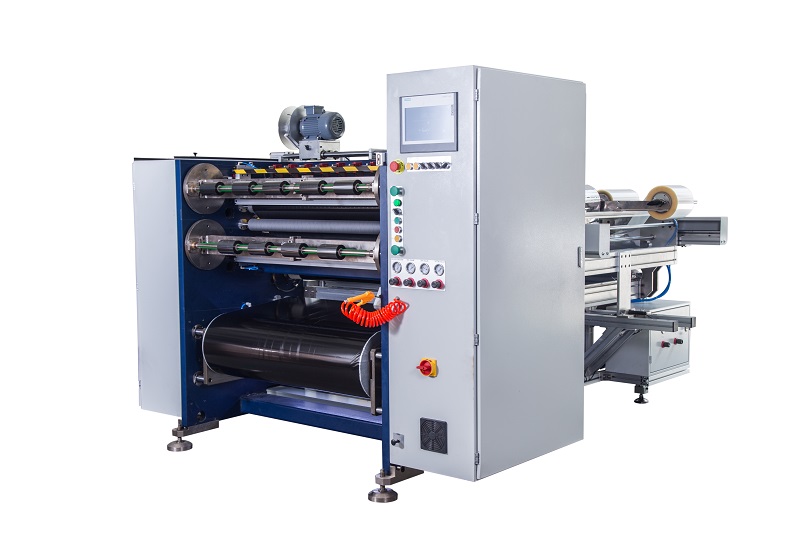
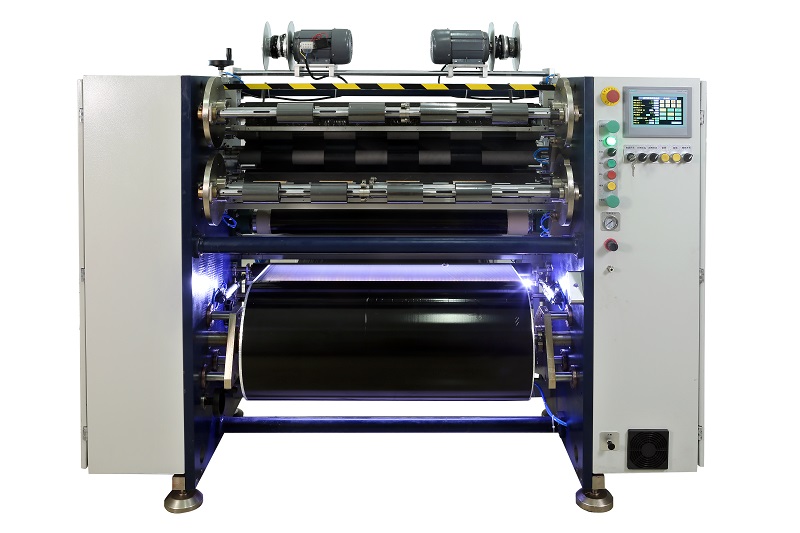
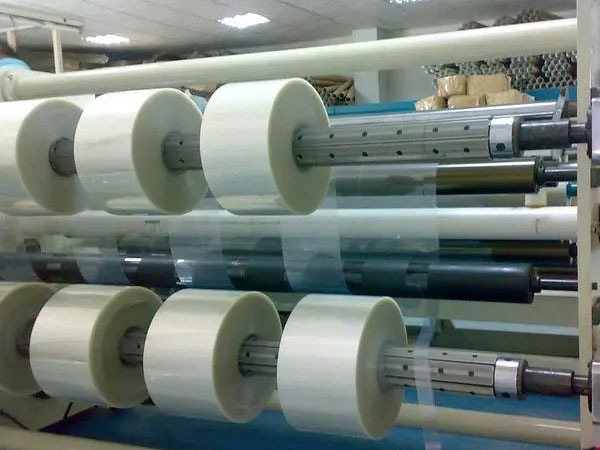
At the end of the thermal transfer ribbon production line, the traditional slitting machine is sighing heavily. Rolls of semi-finished products are like soldiers waiting for review, queuing up to enter the slitting machine, then transferred to the rewinding equipment, and finally sent to the inspection table - the assembly line composed of these three independent links is like a winding industrial centipede, consuming time, space and manpower at every step. Today, this centipede is undergoing a genetic recombinant revolution: a machine that completes the three functions of slitting, rewinding and detection at the same time, and ribbon production ushers in an era of integrated intelligence.
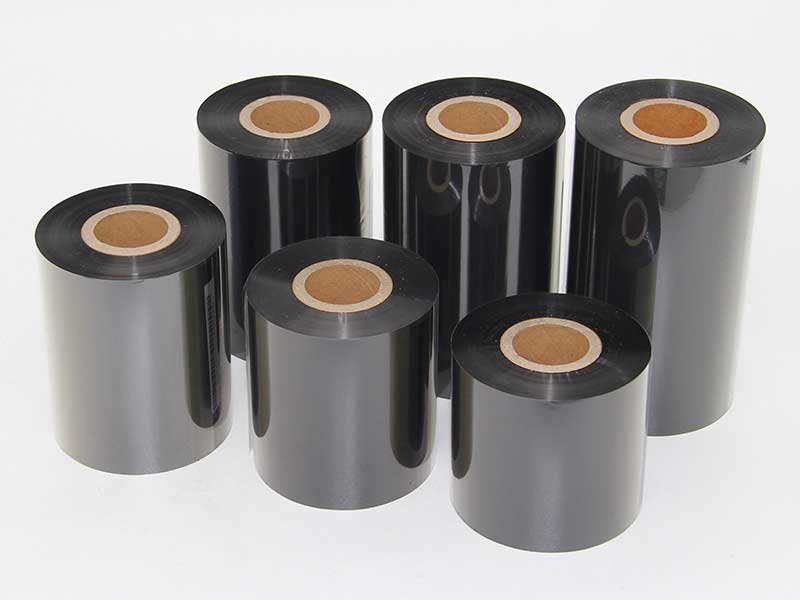
The pain of tradition: triple wear and tear on three machines
Walking into any traditional ribbon manufacturing workshop, you will see such a scene: the slitting machine cuts the master coil into different widths at a constant speed, and the workers transport the cut semi-finished products to the rewinder, and then send them to the inspection station for sampling and testing. between each link, the loss rate caused by material handling is as high as 1.5%; The total area of the equipment is more than 60 square meters; What's more, the physical isolation between links breaks the data flow, and quality issues can only be discovered at the last link, making traceability costly.
"The biggest problem is not the machines themselves, but the gaps between them." A workshop director with 20 years of experience described it this way. These "gaps" eat up efficiency, hide defects, and increase costs. With the expansion of ribbon applications from traditional labels to high-precision fields such as flexible electronics and medical identification, the limitations of traditional production models are becoming increasingly prominent.
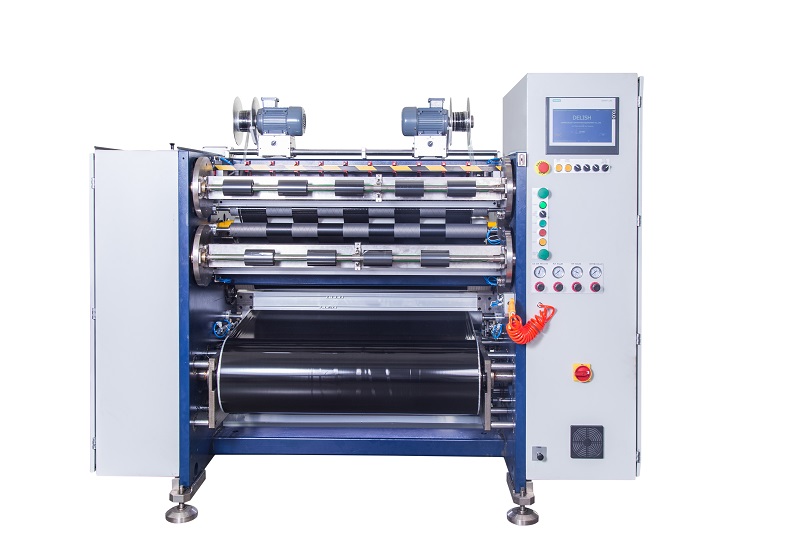
Technological nirvana: a triple breakthrough in integrated integration
The birth of modern multi-functional integrated slitting machine is a fundamental reconstruction of traditional production logic. This restructuring builds on a triple technological breakthrough:
Limit design of precision machinery: adopt a two-axis synchronous control system, the slitting shaft and the rewinding shaft achieve nanoscale synchronization, and the tension fluctuation is controlled within ±0.2N. Ribbon – a material that is extremely sensitive to tension – no longer experiences stress abrupt changes during cutting and rewinding conversions and improves edge flatness by 40%.
Real-time protection of machine vision: Integrated high-resolution line scan camera for 100% full coverage of ribbon surfaces at a speed of 300 meters per minute. Micron-level uneven coatings, millimeter-level edge breakage, and even microscopic bubbles that are imperceptible to the human eye are all identified and marked in 0.01 seconds. Testing is no longer a separate link, but an "immune system" that runs through production.
The algorithm core of the intelligent hub: all data is imported into the central processing unit, and the AI algorithm can not only adjust equipment parameters in real time, but also predict equipment maintenance nodes by analyzing long-term data, reducing unplanned downtime by 70%. Each finished volume has its own "digital twin", recording the whole process data from slitting to rewinding.
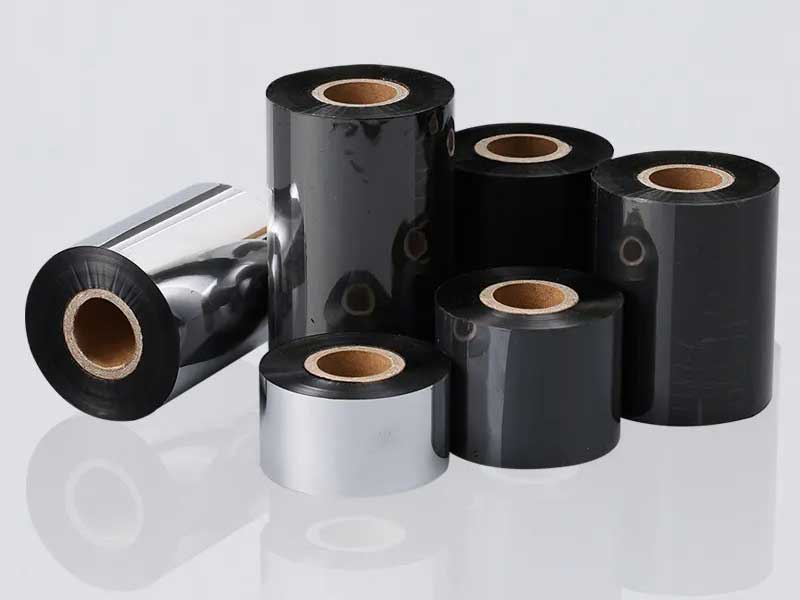
Efficiency Leap: The Industrial Transformation Behind Digital
The change brought about by integrated equipment is a revolution in quantification. After a large ribbon manufacturer introduced integrated equipment, the production data showed a striking change:
• Labor costs were reduced by 60%, and the number of operators was reduced from 3 to 1 per shift
• Venue demand reduced by 55%, from 63 sqm to 28 sqm
• Material loss rate reduced from 1.5% to 0.3%
• Product defect rate reduced from 500ppm (500ppm) to 50ppm
• Reduced order delivery time by 42%
More far-reaching is the transformation of production mode. Small-batch, multi-variety customized orders – the nightmare of these traditional lines – become an advantage on all-in-one machines. Changing product specifications only requires adjusting parameters on the touch screen, and the changeover time that would take hours on a traditional production line is compressed to the minute level.

Future prospects: from integrated devices to intelligent ecology
The integrated integration of ribbon slitting machine is not the end, but the starting point of intelligent manufacturing. The next generation of devices is evolving into three dimensions:
Data dimension deepening: Each ribbon will carry a unique QR code, which can be scanned to view complete production data, realizing the leap from "controllable production quality" to "traceability of the whole life cycle".
Maintenance model change: Predictive maintenance based on operating data will replace regular maintenance, real-time visualization of equipment health status, and optimization of spare parts inventory by more than 30%.
System-level integration: A single device will be seamlessly connected with the upstream coating line and downstream packaging line to form a complete intelligent production chain. Edge computing combined with cloud analytics enables production optimization across factories.
When the last independent inspection machine is moved out of the workshop, it is not only an empty ground that is left behind, but also a shift in production philosophy: the real increase in efficiency is not in making each link faster, but in eliminating the boundaries between links. The integrated integration of ribbon slitting machines is an industrial revolution about "eliminating boundaries". It proves to us that in the era of smart manufacturing, the most profound innovation is often not to add new parts, but to rethink how existing parts can become a better whole.
 English
 Deutsch
 Français
 Español
 Português
 日本語
日本語 русский
 한국어
한국어 عربي
عربي ภาษาไทย
 Tiếng Việt
 Italiano
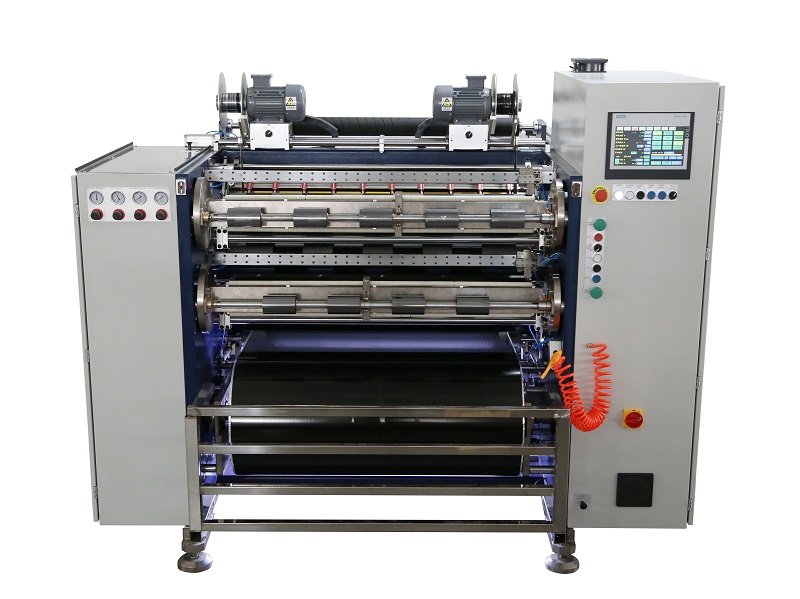 Fully Automatic TTR Slitter RSDS8 Plus
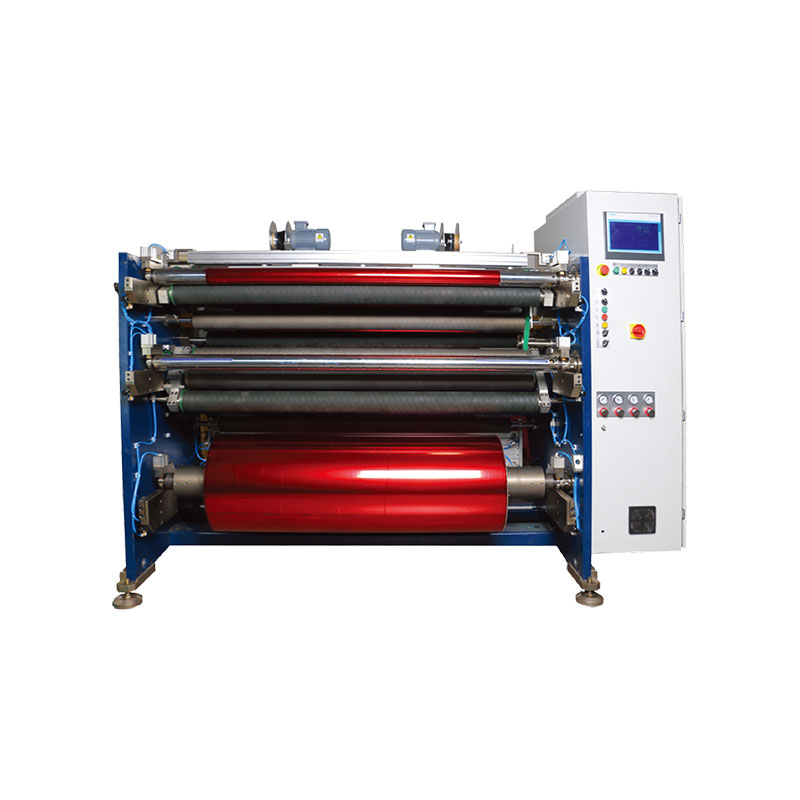 Hot Stamping Foil Slitter 1600mm
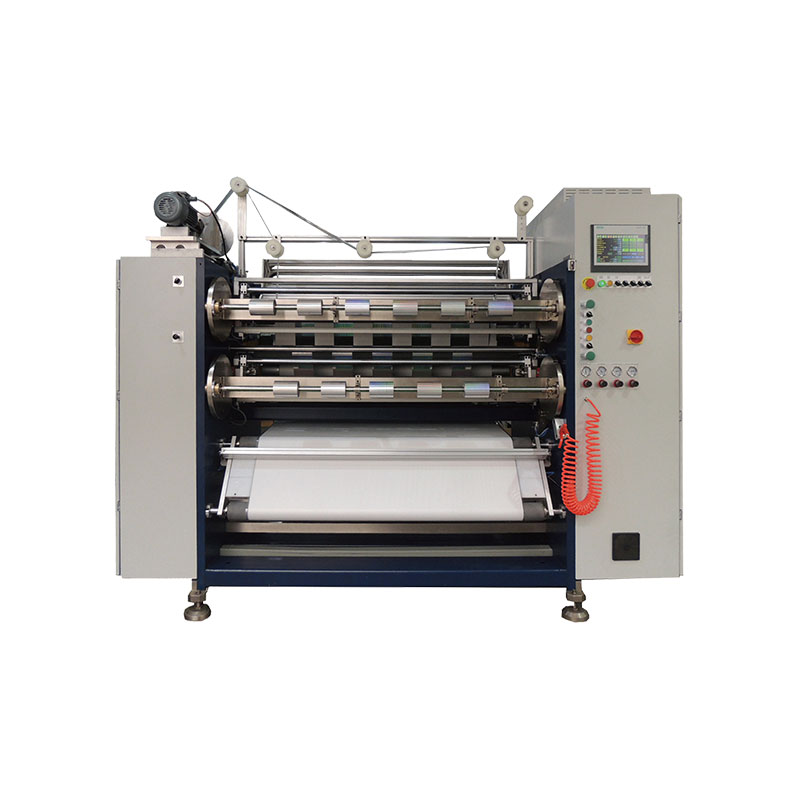 Hot Stamping Foil Slitter (4 Shafts)
 Semi-Auto TTR Slitter RSDS2 Plus
 Semi Automatic TTR Slitter RSDS5 Plus
 Manual TTR Slitter RSDS2
 Auto Paper Core Cutter
 Film Slitting Machine



 +86 135 9951 7291
 support@delishgroup.com
 +86 135 9951 7291