06. May, 2026delish0
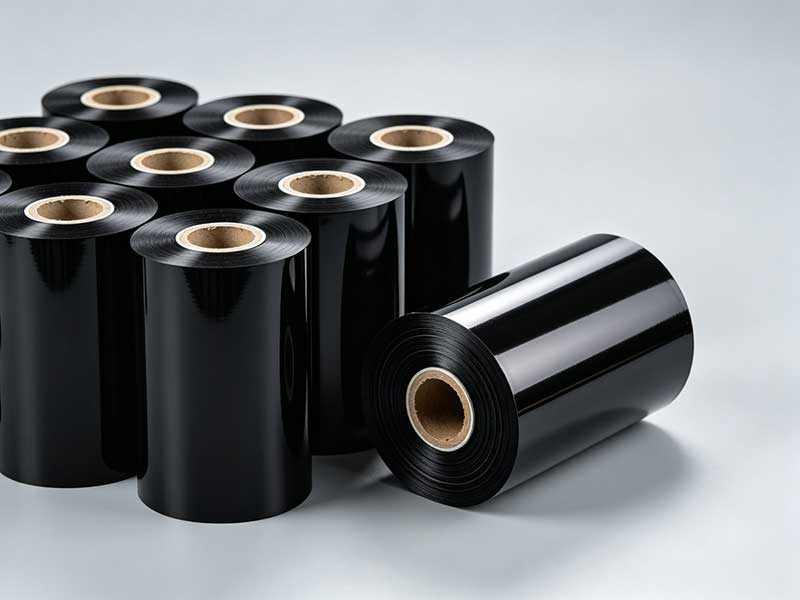
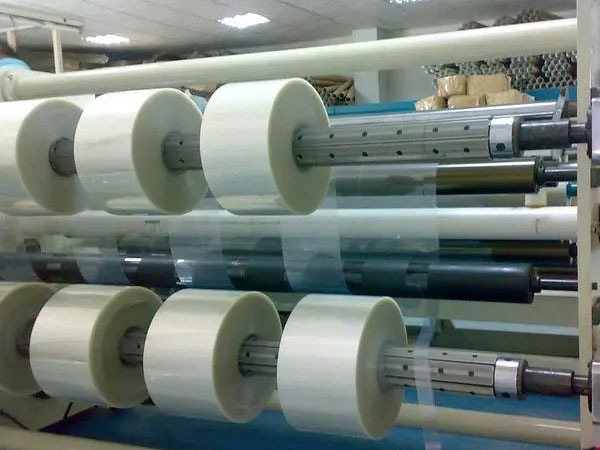
In the field of thermal transfer printing, the quality of the ribbon directly determines the printing effect. However, in the later stages of ribbon production, the slitting process, two major problems have long plagued manufacturers: ribbon wrinkling and tension instability. These two major problems not only affect the slitting efficiency, but also directly lead to serious defects such as white stripes, uneven ink layers, and broken bands during downstream printing. How to overcome these two major difficulties through technological innovation of slitting machines has become the key to improving the competitiveness of carbon belt production enterprises.
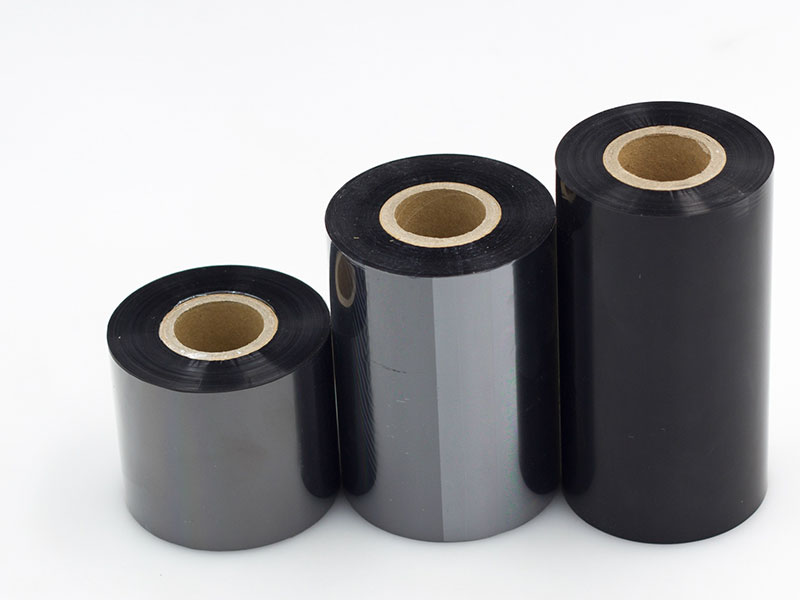
1. Ribbon wrinkling and tension instability: a "twin problem" of mutual causality
Wrinkles and unstable tension often go hand in hand. During the slitting process, if the tension control of each section of unwinding, traction and winding is unbalanced, the ribbon substrate will slip laterally or accumulate locally on the roller surface, forming fine folds. Once a fold appears, the local tension of the ribbon at the fold will change suddenly, further exacerbating the overall tension fluctuation and forming a vicious circle.
Traditional slitting machines mostly use mechanical friction disc tension control or simple open-loop constant torque control, which cannot detect the microscopic deformation and elastic modulus changes of the ribbon in real time. Especially for thin (less than 4.5 μm), wide, high-speed slitted wax-based and mixed-based ribbons, a slight tension disturbance is enough to cause catastrophic wrinkling.
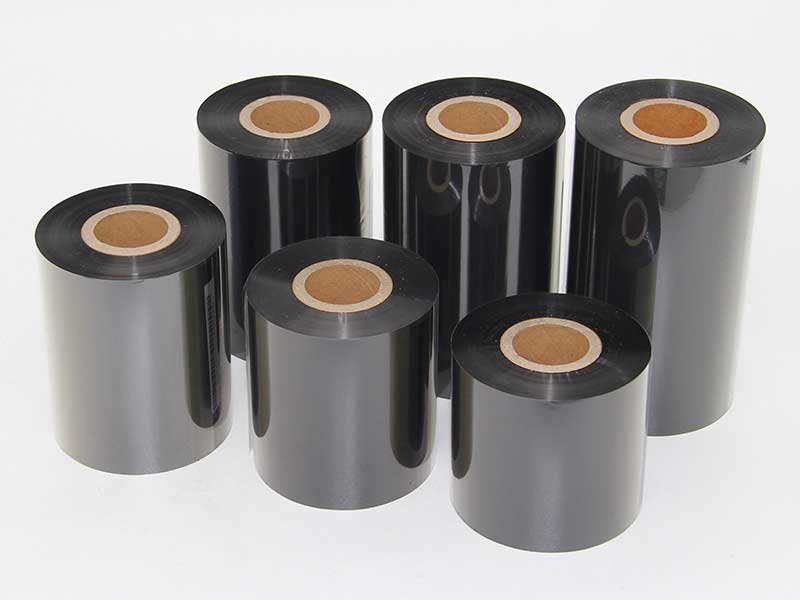
2. The key technology of the slitting machine is broken
Modern high-end thermal transfer ribbon slitting machine achieves effective control of wrinkling and tension instability through the following core technologies:
1. Full closed-loop automatic tension control system
High-precision tension sensors (such as strain gauge or magnetic particle sensors) are installed on the unwinding shaft, traction roller and rewinding shaft to detect the actual tension of the ribbon in real time and compare it with the target tension set by the controller. The controller (PLC or special tension controller) automatically adjusts the braking torque of the unwinding magnetic particle brake or the output torque of the rewinding motor through the PID algorithm, so that the tension is constant at the set value. This closed-loop system can control the tension accuracy within ±0.5N, fundamentally eliminating tension mutations in the acceleration, deceleration and uniform phases.
2. Taper tension winding and reducer compensation algorithm
With the gradual increase of the slitting winding coil diameter, the tension on the surface of the ribbon will rise linearly under the same winding torque, which is tight inside and loose outside, which is very easy to induce end surface folds. Modern slitting machine adopts taper tension control mode: the winding tension decreases according to the preset taper coefficient with the increase of the coil diameter to keep the winding density uniform. At the same time, the controller calculates the current coil diameter in real time and dynamically compensates for the linear velocity change caused by the change in diameter to ensure that the pressure between the ribbon layers is uniform.
3. Flattening anti-wrinkle mechanism
• Arc stretch roller (banana roller): Installed in the front and rear positions of slitting, using the medium height or adjustable curved arc measurement of the roll surface, the ribbon is evenly stretched from the center to both sides, effectively eliminating longitudinal wrinkles.
• Static voltage elimination device: The high-speed friction of the ribbon is prone to static electricity, resulting in the adsorption of the ribbon on the roller surface to form irregular wrinkles. Ion air rods or contact static removal brushes are used to eliminate surface static electricity and improve belt stability.
• Precision Adjustment Roller: Manually or automatically adjust the horizontal angle of the guide roller, slightly stretch the edge of the ribbon, and correct deviation and wrinkles caused by uneven substrate thickness.
4. Low inertia and high stiffness mechanical structure
Wrinkles and tension instability often stem from mechanical transmission errors. The new generation of slitting machine adopts servo motor direct drive or low backlash reducer transmission, with precision-ground steel guide rollers (surface plated with hard chrome or ceramic), which greatly reduces the moment of inertia and axial runout. All over rollers are corrected for dynamic balance to ensure that the ribbon can still fit the roller surface smoothly when running at high speeds above 800m/min, without serpentine jitter.
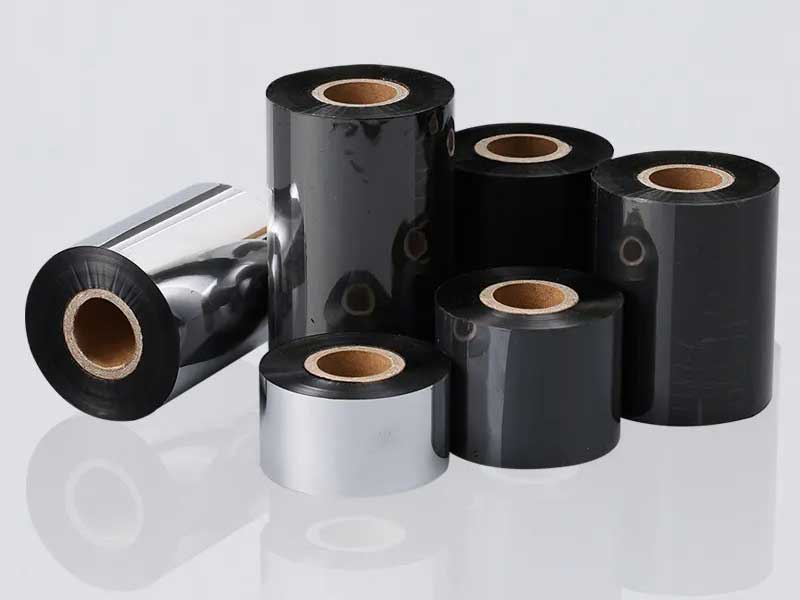
3. Practical application results
With the introduction of these technologies, ribbon slitting plants can achieve significant improvements:
• Reduce the wrinkle rate by more than 90%: Defects such as wrinkles, indentations, and loose edges are basically eliminated, and the qualified rate of slitting finished products is increased to more than 99.5%.
• Narrow tension fluctuation range: Reduced from 15% of the traditional technology to less than ±3% of the ±, stable slitting of 4.0μm ultra-thin ribbons.
• The winding end face is neat: the flatness of the end face reaches ±0.5mm, there is no tower wheel or staggered layer, and the downstream printer is not stuck.
• Adapt to high-speed production: the slitting speed can be increased from the original 200m/min to more than 600m/min, and the production capacity can be doubled.
4. Future trends: intelligence and digitalization
At present, leading slitting machine manufacturers have begun to introduce AI self-learning tension models and IIoT systems. By collecting historical slitting data (ribbon material, width, thickness, ambient temperature and humidity, etc.), the system automatically recommends the optimal tension curve and taper parameters. At the same time, the slitting machine is interconnected with the workshop MES system, and the tension data and alarm records of each ribbon can be traced, which is convenient for quality analysis and process optimization.
Epilogue
Ribbon wrinkling and tension instability are no longer insurmountable obstacles. With full closed-loop tension control, taper winding algorithm, precision flattening mechanism and high-rigidity mechanical design, modern heat transfer ribbon slitting machines have been able to produce high-quality ribbons stably and efficiently. For ribbon manufacturers, investing in a slitting machine with these features is not only to solve current quality complaints, but also to pave the way for entering the high-end heat transfer market (e.g., resin-based, specialty label ribbons). To solve these two "old problems", the slitting machine has evolved from a simple devolving tool to a real value creation center.
 English
 Deutsch
 Français
 Español
 Português
 日本語
日本語 русский
 한국어
한국어 عربي
عربي ภาษาไทย
 Tiếng Việt
 Italiano
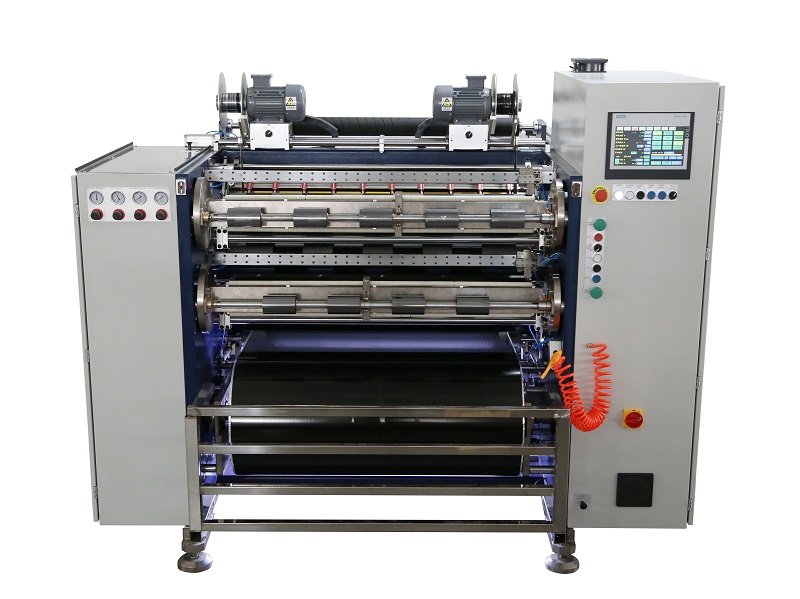 Fully Automatic TTR Slitter RSDS8 Plus
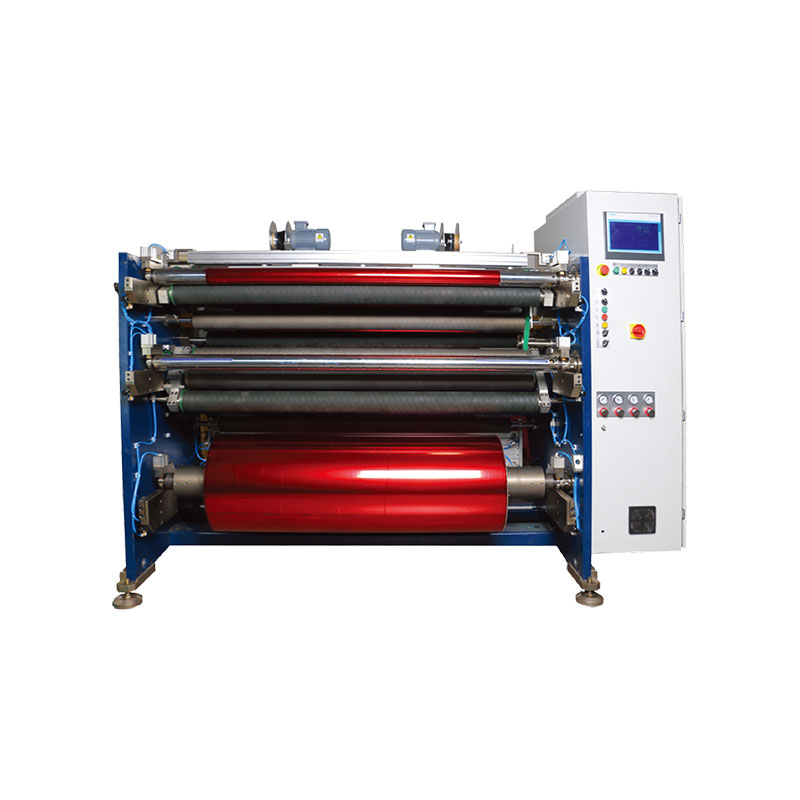 Hot Stamping Foil Slitter 1600mm
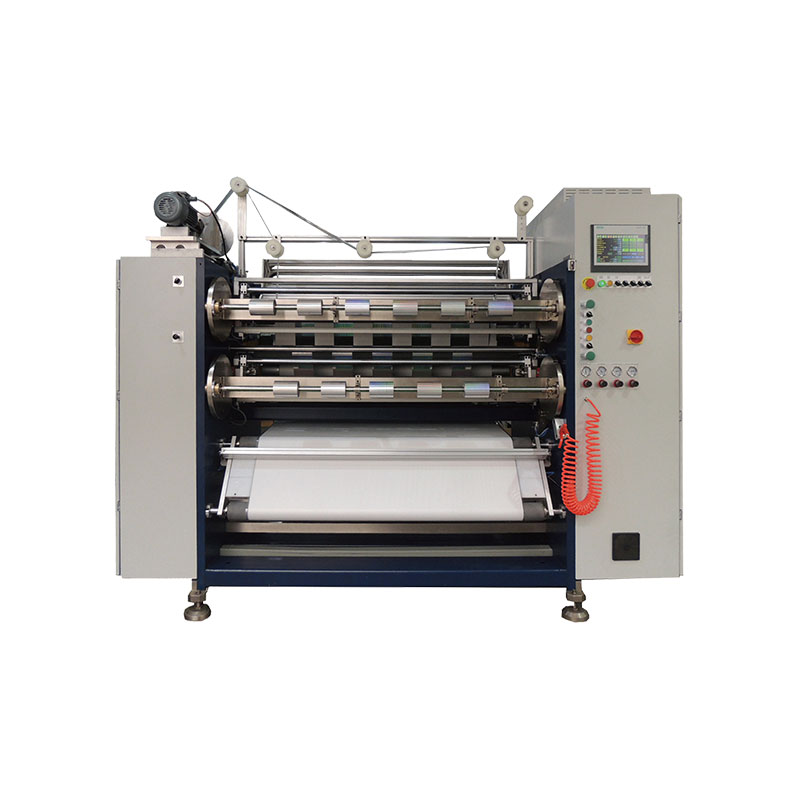 Hot Stamping Foil Slitter (4 Shafts)
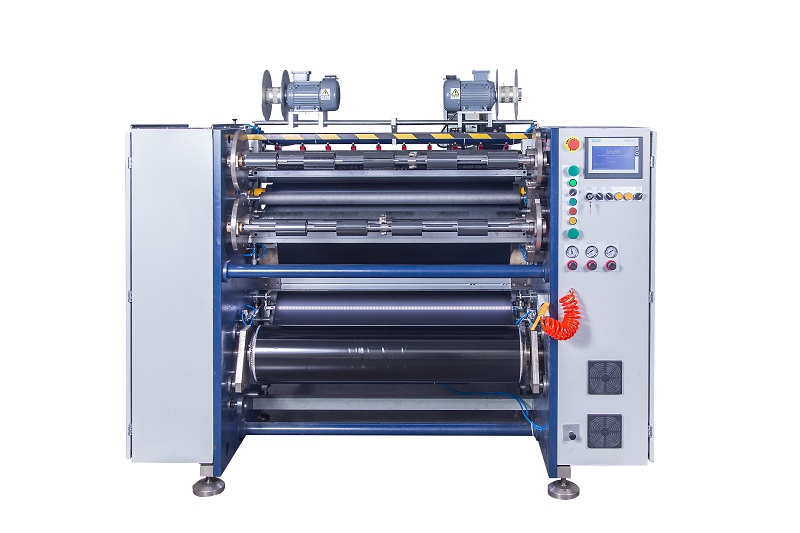 Semi-Auto TTR Slitter RSDS2 Plus
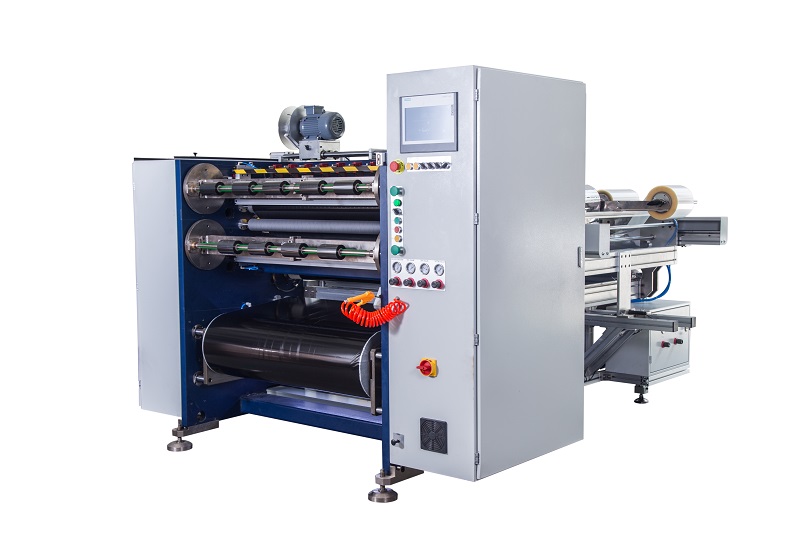 Semi Automatic TTR Slitter RSDS5 Plus
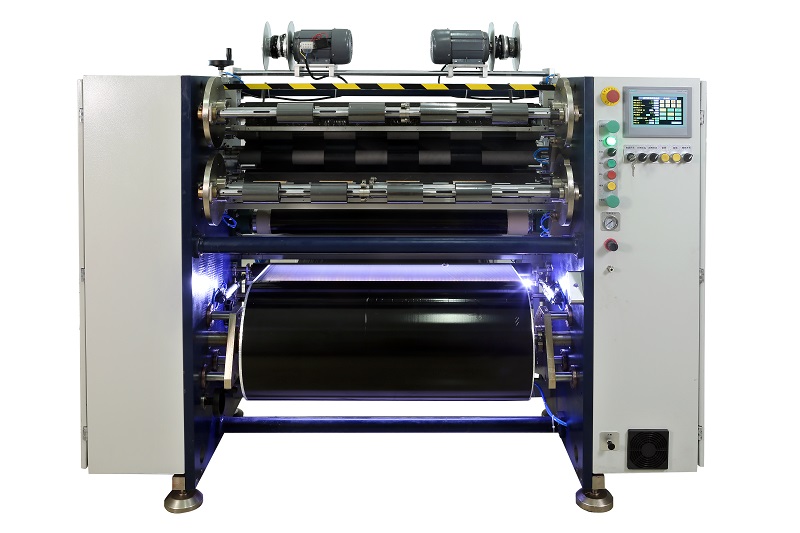 Manual TTR Slitter RSDS2
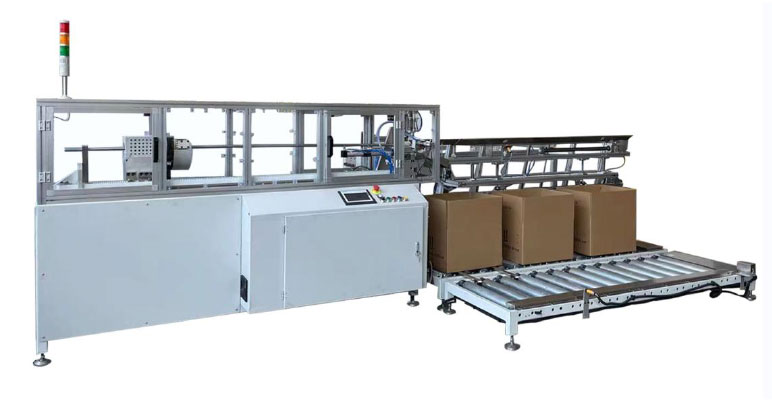 Auto Paper Core Cutter
 Film Slitting Machine



 +86 135 9951 7291
 support@delishgroup.com
 +86 135 9951 7291