16. May, 2026delish0
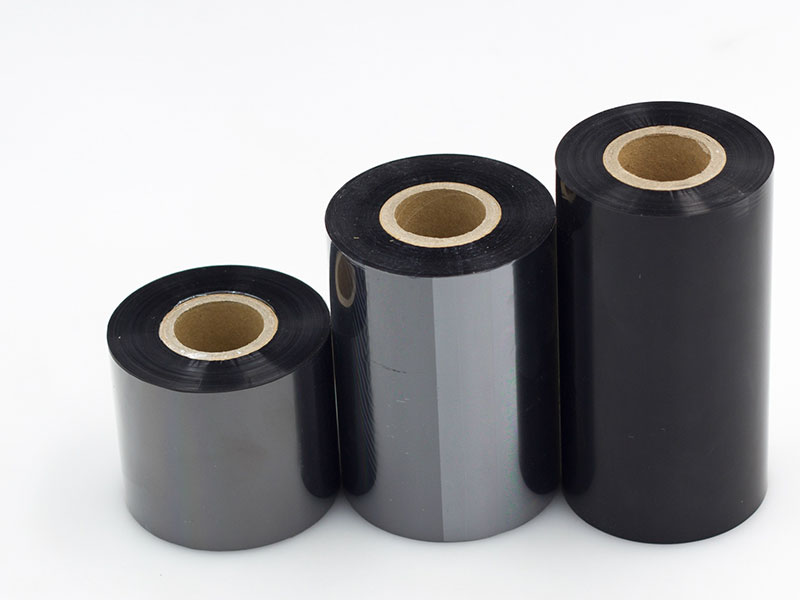
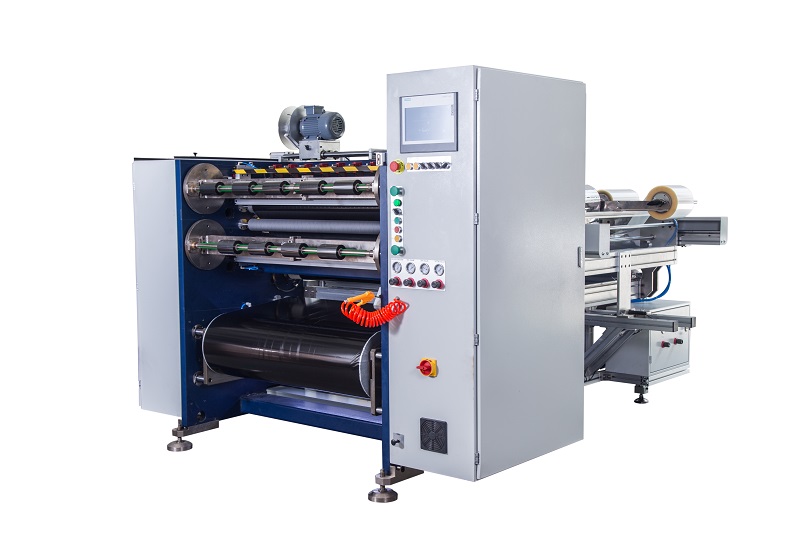
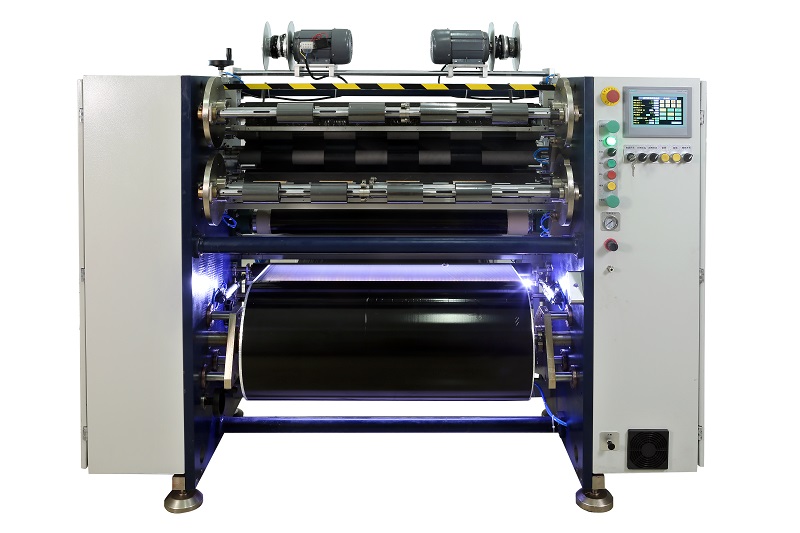
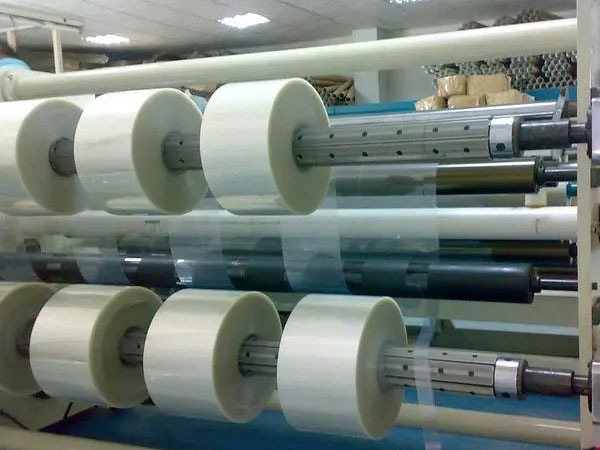
Slitting is a crucial process in the production of thermal transfer ribbons. It cuts wide large-axis ribbons into small rolls of different widths according to customer needs, which are used in barcode printers, label machines and other terminal equipment. However, a long-standing "invisible killer" in the slitting process, running edges, has always plagued manufacturers in the industry.
The so-called running edge refers to the axial shift of the substrate in the high-speed slitting process of the ribbon due to factors such as uneven material tension, uneven core, guide roller deviation or static electricity. A small offset can cause only a few millimeters of width loss, but severe running edges can cause the ribbon edges to be jagged, wrinkled, or even teared. Each time it runs, it produces a few meters to tens of meters of waste, and at worst, it leads to the scrapping of the entire ribbon, which must be reworked or directly discarded.
For the ribbon manufacturing industry, which has meager profits, running edges brings not only direct material losses, but also hidden costs: time loss for downtime and debugging, efficiency loss due to repeated manual intervention, and return claims caused by customers due to quality problems...... These pain points urgently need a truly efficient solution.
Limitations of traditional correction methods
In the past, many companies relied on mechanical limit stops or manual visual adjustments to deal with running edges. Although the mechanical stop can limit the offset range, it will cause hard contact with the edge of the ribbon, which can easily scratch the coating and even destroy the thermal transfer performance of the ribbon surface. Manual adjustment relies on the operator's experience and reaction speed, and in the face of high-speed slitting machines (usually up to 300-500 m/min), it is almost impossible for the naked eye to catch micron-level offsets and make accurate adjustments in time. The result is often "scrap has been generated and adjustment has lagged behind".
Intelligent correction: from passive remediation to active control
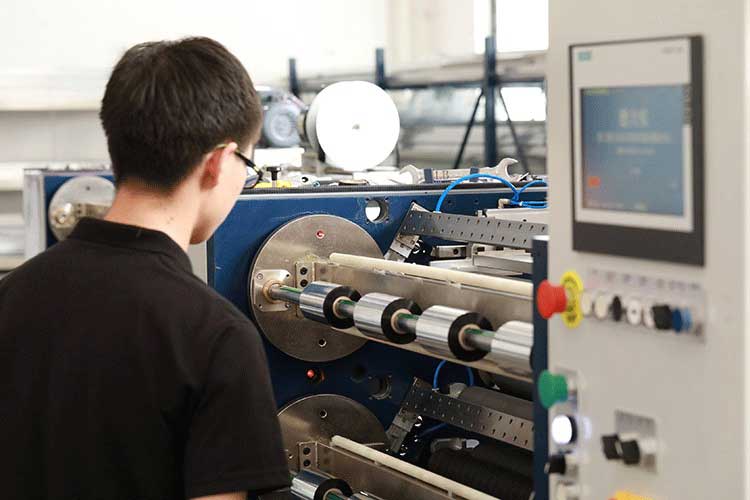
The emergence of intelligent deviation correction technology has completely changed this situation. It takes "real-time sensor monitoring + algorithm dynamic correction + actuator precise adjustment" as the core logic to form a closed-loop control system, so that running edge is no longer an uncontrollable problem.
1. High-Precision Sensors: Insights into the slightest difference
Modern intelligent guiding systems are usually equipped with ultrasonic or photoelectric sensors. The ultrasonic sensor is not affected by the color and transparency of the ribbon, and can stably detect the edge position of opaque, translucent or even highly transparent substrates. Photoelectric sensors are suitable for scenes with marked lines. These sensors can detect accuracy of ±0.1mm or more, and continuously scan the position of the ribbon edge with a millisecond response time.
2. Intelligent Controller: Decision-making is instant and reliable
The position signal collected by the sensor is transmitted to the industrial controller in real time. The controller has built-in PID (proportional-integral-derivative) or other adaptive algorithms, which can dynamically calculate the optimal correction instructions based on the current offset of the ribbon, the offset velocity, and the historical trend. Unlike traditional switching control, the intelligent controller does not "move when it goes astray", but predicts the upcoming offset and fine-tunes it in advance to achieve "non-inductive correction".
3. Servo actuator: precise and powerful adjustment
The command issued by the controller drives a high-precision servo motor or electric actuator to push the correction frame or unwinding shaft to make a very small lateral movement. This movement is smooth, continuous and controllable, and can guide the entire ribbon path back to normal without touching the ribbon. The whole process does not require downtime or rely on manual intervention, and truly realizes online dynamic correction.
How does intelligent correction solve the pain points of scrapping while running?
• Significantly reduced scrap rates: Thanks to real-time and precise corrections, ribbon edges remain on the benchmark centerline, avoiding jagged edges, folds, or tears caused by cumulative offsets. In practical applications, the use of intelligent correction slitting machine can reduce the scrap rate caused by running edge from the original 3%-5% to less than 0.2%.
• Improved slitting speed and efficiency: No more repeated stops and adjustments due to running edges, the slitting machine can operate stably at the highest design speed. Operators are freed from the fatigue of "keeping an eye on the edge" and can manage multiple equipment at the same time, greatly increasing the per capita production capacity.
• Protect the quality of the ribbon: intelligent correction adopts non-contact detection and drive, and there is no mechanical friction with the edge of the ribbon throughout the process, avoiding coating scratches or edge damage. This is especially important for high-end ribbons such as resin-based, high-temperature, high-adhesion products, where any edge defects can lead to printhead damage.
• Adapt to diverse working conditions: Whether it is an ultra-thin ribbon as thin as 6μm or a material with different friction coefficients, the intelligent guidance correction system can be quickly adapted through parameter self-tuning. At the same time, the system can remember the correction parameters of different products, and call them with one click when changing orders, shortening the adjustment time.

Practical application cases
A domestic medium-sized carbon belt manufacturer has an annual output of more than 200 million square meters of thermal transfer ribbons. Previously, its 6 slitting machines relied on mechanical stop correction, with an average length of about 500 meters of ribbons scrapped due to running edges every day, and at least two accidents occurred every month due to serious edge scrapping. At the same time, each machine needs to be equipped with a skilled operator due to the need for frequent adjustments.
After the introduction of the intelligent deviation correction system of the ribbon slitting machine, the effect is immediate:
• 92% reduction in scrap rate while running;
• The average slitting speed has been increased from 280 m/min to 450 m/min;
• Reduced the number of operators from 6 to 3 (one person can see two machines);
• The material loss caused by edge running was reduced by about 180,000 yuan for the whole year, and the value of production capacity increased by more than 400,000 yuan due to efficiency improvement.
Epilogue
Running edge was once an unavoidable "hurdle" in the ribbon slitting process. It tests the operator's eyesight, consumes the efficiency of the production line, and eats up the profits of the enterprise. The application of intelligent bias correction technology is not a simple equipment upgrade, but a leap from "manual experience-driven" to "data and algorithm-driven" production methods.
For ribbon manufacturing companies, investing in a reliable intelligent guiding system often has a payback cycle of no more than 6 months. More importantly, it can dramatically improve product consistency and customer satisfaction – after all, no end user wants to use a roll of ribbon with jagged edges that breaks easily.
When every slitting is accurate, running edge is no longer a reason for scrapping, and enterprises gain not only lower costs and higher output, but also core competitiveness based on quality and efficiency in the fierce market competition.
 English
 Deutsch
 Français
 Español
 Português
 日本語
日本語 русский
 한국어
한국어 عربي
عربي ภาษาไทย
 Tiếng Việt
 Italiano
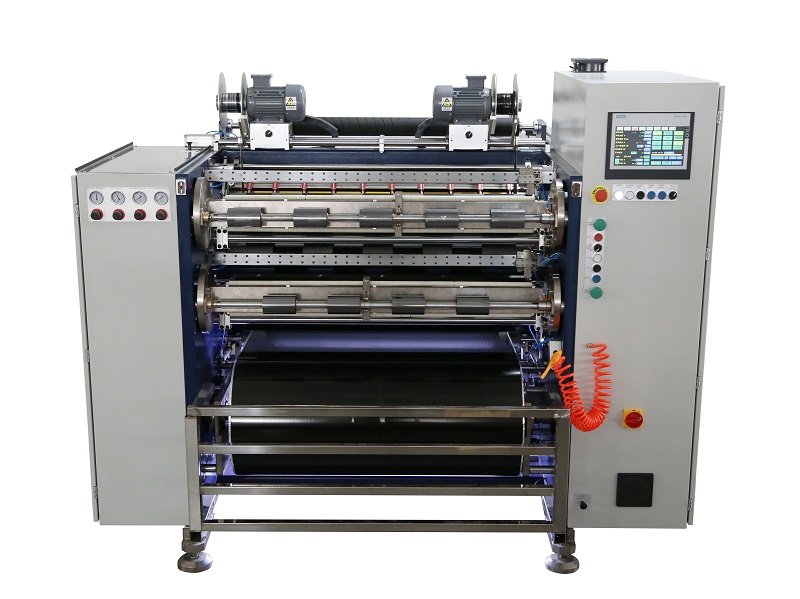 Fully Automatic TTR Slitter RSDS8 Plus
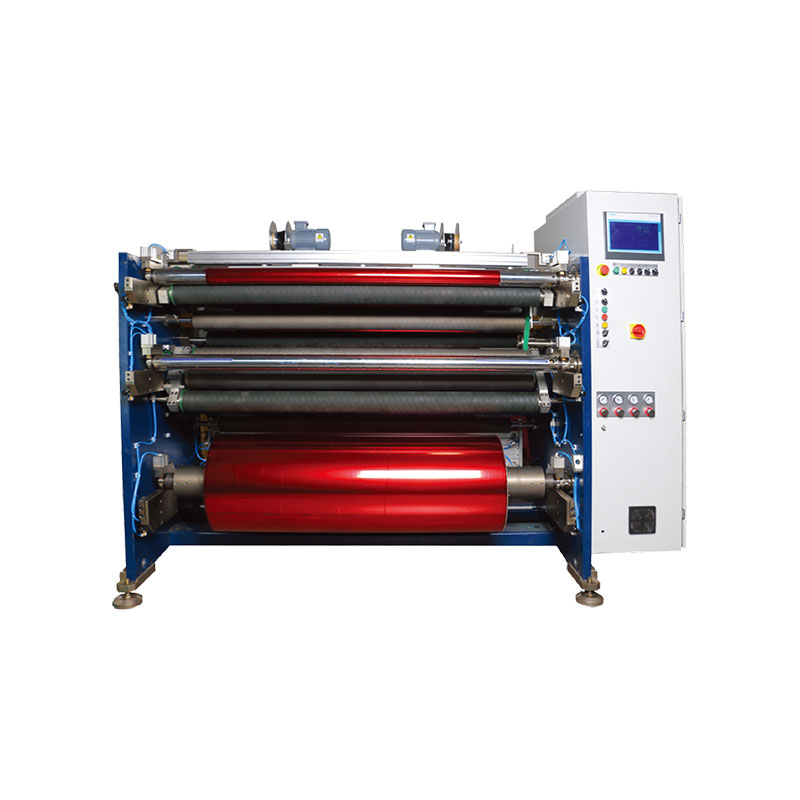 Hot Stamping Foil Slitter 1600mm
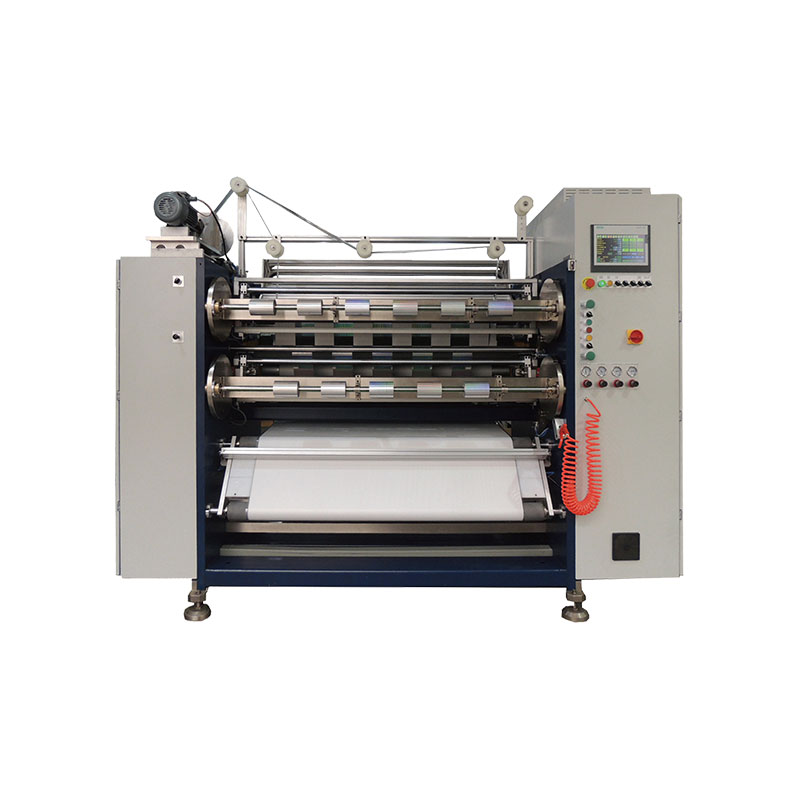 Hot Stamping Foil Slitter (4 Shafts)
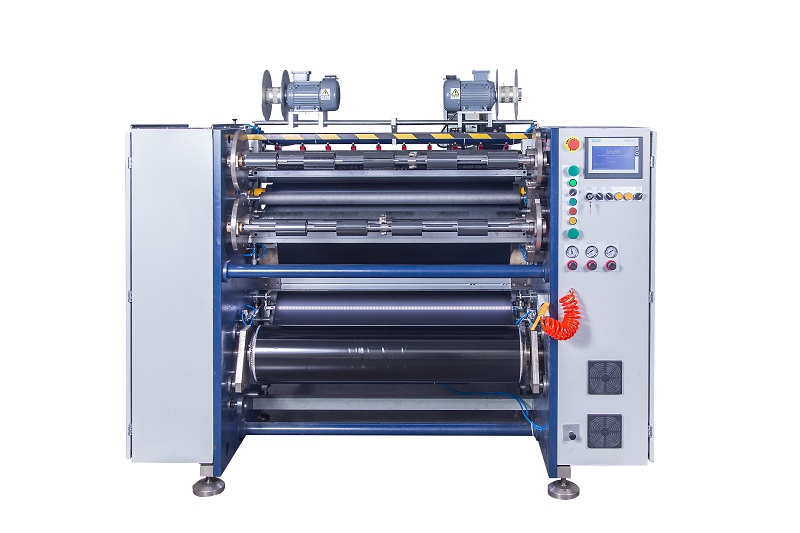 Semi-Auto TTR Slitter RSDS2 Plus
 Semi Automatic TTR Slitter RSDS5 Plus
 Manual TTR Slitter RSDS2
 Auto Paper Core Cutter
 Film Slitting Machine



 +86 135 9951 7291
 support@delishgroup.com
 +86 135 9951 7291