18. May, 2026delish0
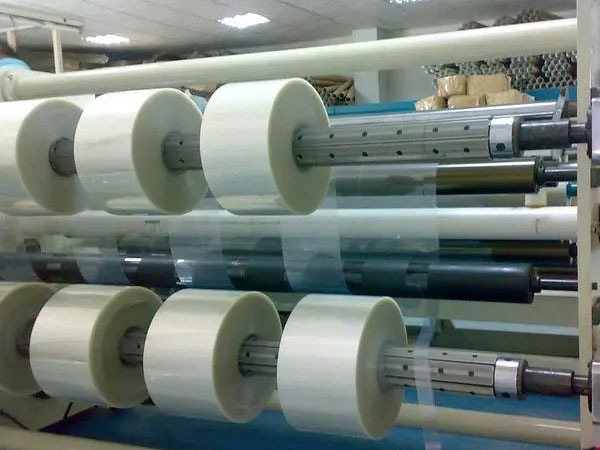
In industries such as flexible packaging, electronics, new energy, and adhesive products, film slitting machines are one of the key equipment. In actual production, operators often need to frequently switch between PET (polyester film), PP (polypropylene film), and PE (polyethylene film). Their respective physical properties – such as the hardness and brittleness of PET, the smoothness of PP, and the soft stickiness of PE – place completely different demands on the slitting process. If the slitting machine and process cannot be adapted to the target, it is very easy to have problems such as uneven end faces, scratches, tensile deformation and even film breakage. Therefore, a qualified slitting machine must have the ability to flexibly handle different materials.
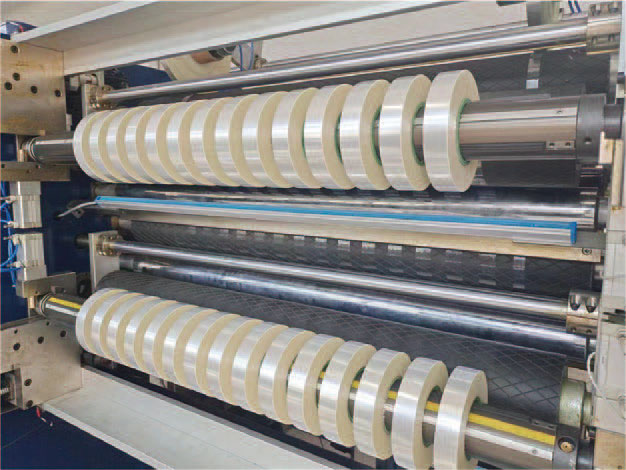
1. Three material characteristics and slitting difficulties
| Material: | Typical thickness | Key features: | The main difficulty of slitting |
| PET | 6–250μm | High stiffness, high hardness, and good temperature resistance | It is easy to produce burrs and chips; Too tight winding will form "explosive tendons"; Static electricity is strong and easy to absorb dust |
| PP | | The surface is smooth and the tensile strength is medium | The film layer is prone to slippage and deviation; The end face is prone to "ruffles"; The heat sealing layer is easy to adhere |
| PE | 20–150μm | Soft, high elongation, easy to deform | Extremely easy to stretch and wrinkle; There is a lot of slitting dust; The tightness of the winding is difficult to control, and it is easy to form a "tunnel" |
2. The slitting machine should deal with the key adjustment points of different materials
1. Tool system selection and setting
• PET: A razor blade in shear mode or a squeeze blade is recommended. Due to the high hardness of PET, the blade needs to be kept extremely sharp, and the clamping angle is usually 30°–40°, and the knife pressure is controlled to prevent chipping. At the same time, it is equipped with a powerful vacuum cleaner to remove the extremely fine dust generated by cutting in time.
• PP material: mostly use pneumatic circular knives or hot knives (for thin CPP). PP is slippery, and needs to be adjusted by micro knife pressure (usually 0.2–0.4MPa air pressure) to avoid slippage. If slitting aluminized PP, a low-friction coating tool should be used to reduce the shedding of the metal layer.
• PE material: suitable for razor blade in grooved anvil with low-angle cutting. Because PE is tough and sticky, it is necessary to use wavy blade or serrated blade blade to reduce the contact area; It is also equipped with an in-line blade cleaning device (such as an alcohol wiping roller) to prevent tearing caused by the accumulation of glue.
2. Tension control: zoning, low momentum, closed-loop feedback
• PET: High stiffness allows for higher winding tension (20–50N/m), but requires decreasing tension control (the larger the coil diameter, the smaller the tension) to avoid crushing the inner layer. Due to the large elastic modulus of PET, it is necessary to set a fast tension response speed.
• PP: Medium and low tension (10–25N/m), and the tension of each section from unwinding to winding needs to be set independently (usually the tension of the unwinding section is slightly higher than that of the winding section to prevent slippage between layers). It is recommended to use floating roller + servo control to compensate for the tensile creep of PP material.
• PE: Very low tension (3–10N/m), automatic taper tension curve must be used, and the initial tension is only 1/5–1/4 of PET. At the same time, it is equipped with a low-inertia pendulum roller and ultrasonic diameter detection to prevent the deformation of PE extension caused by small tension fluctuations.
3. Winding roller and contact pressure management
• PET: Use a rigid rubber press roller (Shore hardness A 70–80) with a constant contact pressure and a focus on ensuring that the end face of the film roll is neat.
• PP: Medium hardness roller (Shore A 55–65) is selected, and it has a center+surface-assisted winding mode to prevent the internal interlayer displacement of the slippery PP film roll.
• PE: Floating soft pressure rollers (Shore A 30–40 or covered sponge layer) must be used, the pressure decreases with the increase of the roll diameter, and the pressure is maintained at a low pressure (initial pressure < 20N) throughout the process. Some high-end slitting machines are also equipped with a pressure roller vibration fine-tuning function to break the air cushion layer when the soft film is rewound.
4. Anti-static and dust removal system
• PET and PP are prone to strong static electricity (especially in winter, up to tens of thousands of volts), and need to be equipped with active static elimination rods (AC or pulse type), grounding conductive rollers combined with ionic air.
• Although PE has low static electricity, it is easy to generate flocculent dust when slitting, so it should be equipped with a high-efficiency dust collection hood + negative pressure air duct, and the suction nozzle should be close to the position of the knife edge.
5. Edge Guidance System (EPC/LPC)
• PET can use ultrasonic or photoelectric sensors, which have a fast response;
• Due to the difference in light transmittance between PP and PE, infrared sensors are recommended to avoid false detection due to different refractive indices of materials;
• For extremely thin PE (< 20 μm), contact guide edges (e.g. paddle type) are used to ensure reliable guidance.
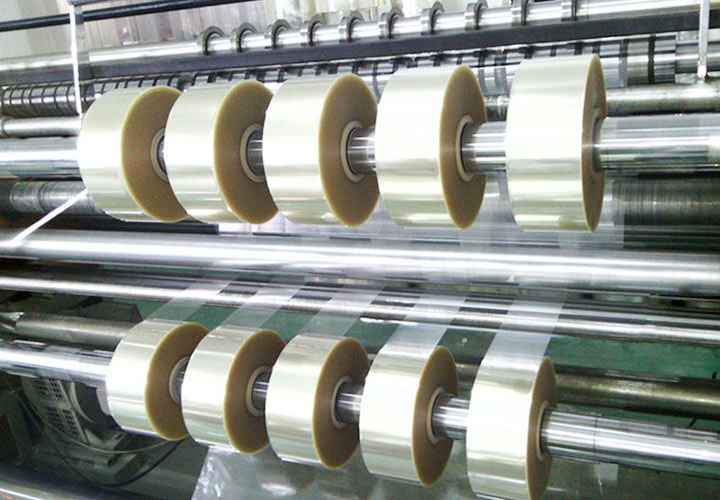
3. Reference table of process parameters in actual production
| Process parameters | PET (12 μm as an example) | PP (25 μm as an example) | PE (40 μm as an example) |
| Slitting speed | 300–600m/min | 200–500m/min | 80–200m/min |
| The initial tension of the winding | 30–50N/m | 15–25N/m | 5–10N/m |
| Tension taper coefficient | 40–60% | 20–40% | 10–20% |
| Pressure roller pressure | 30–60N | 15–30N | 5–15N |
| Blade angle | 35° shear | 45° air pressure circular knife | 25° razor style |
| Static elimination | Strong (Ion Rod) | Medium (AC type) | Weak (optional) |
4. The new technology adaptation of high-end slitting machines
Modern slitting machines are increasingly using automated and intelligent means to cope with different materials:
• Recipe management system: Store a complete set of parameters (tension curve, pressure, speed, knife spacing, etc.) of PET, PP, PE as a formula, and call it with one click when changing rolls to avoid manual missetting.
• Online thickness measurement and closed-loop adjustment: real-time detection of film thickness fluctuations, automatic fine-adjustment of blade cutting amount or winding pressure, especially suitable for multi-layer co-extruded PP/PE film.
• AI edge detection: Identify the quality of the film slitting end face through the camera, alarm when burrs or layer misalignments are found, and predict tool wear.
• Servo direct drive rewinding shaft: each rewinding station is controlled by an independent motor, soft start and stop, which fundamentally solves the stretching problem of PE when starting at low speed.
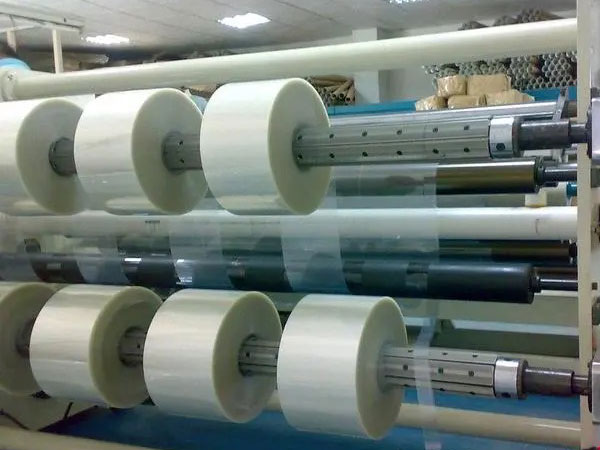
5. Common faults and material-specific countermeasures
| Question | PET | PP | PE |
| End face burrs | Check for blade wear and reduce knife pressure | Reduce the slitting speed and use a hot knife instead | Replace the blade with a new one and increase the frequency of edge cleaning |
| Roll up the folds | Check the parallelism of the press roller and increase the taper | Add intermediate pressure rollers to adjust the slip shaft torque | Reduce the rewinding tension and enable the soft roller mode |
| Run out of control | Calibrate the sensitivity of the electric eye and clean up dust | Switch to infrared electric eyes | Changed to contact edge guides |
| Electrostatic sparks | Increase the ion rod power and check the grounding | Reduce speed and increase ambient humidity | No special treatment is usually required |
6. Summary
The core of the film slitting machine for different materials of PET/PP/PE lies in the "differentiated setting": from tool selection, tension control, pressure roller contact to winding strategy, each link needs to be finely adjusted according to the material characteristics. No single slitting machine can cut three films with exactly the same parameters. Operators need to have a deep understanding of the coupling relationship between material mechanics and slitting processes, and make full use of the automated formulation and closed-loop control functions of modern slitting machines.
For enterprises, if they want to take into account multiple materials and high quality requirements, it is recommended to configure mid-to-high-end slitting machines with multi-mode switching capabilities (such as independent servo winding, interchangeable tool holders, and multi-stage tension control), and establish standardized material switching operation instructions. Only by "cutting according to the material" can we achieve efficient, high-quality and low-loss slitting production.
 English
 Deutsch
 Français
 Español
 Português
 日本語
日本語 русский
 한국어
한국어 عربي
عربي ภาษาไทย
 Tiếng Việt
 Italiano
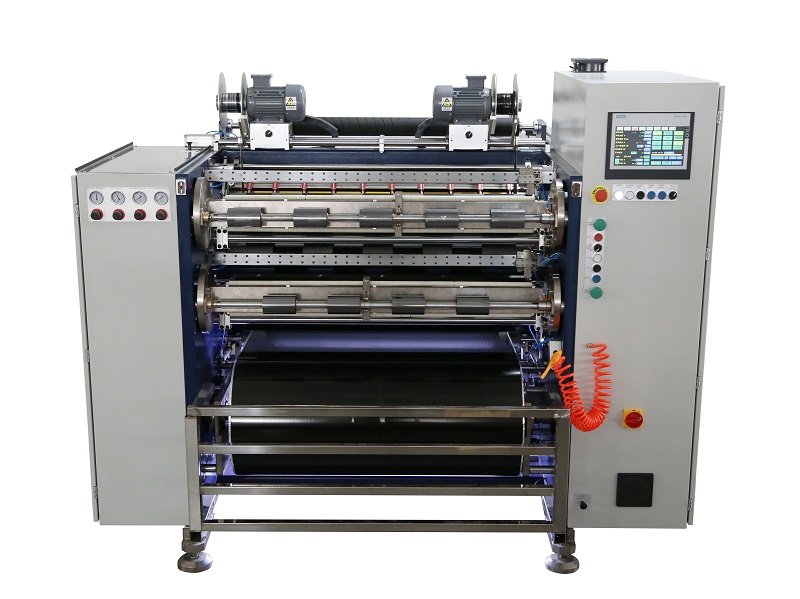 Fully Automatic TTR Slitter RSDS8 Plus
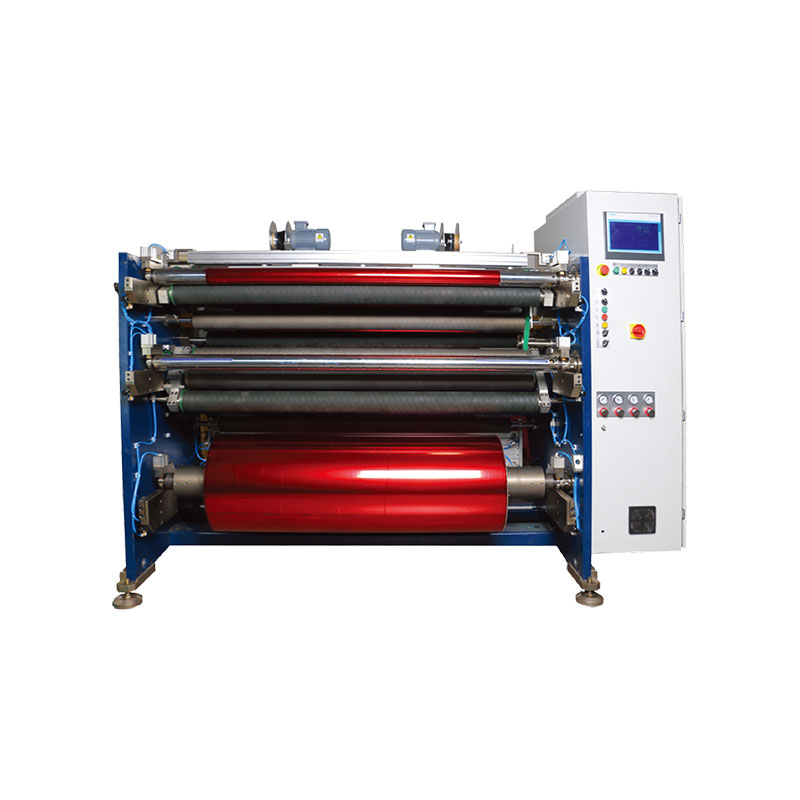 Hot Stamping Foil Slitter 1600mm
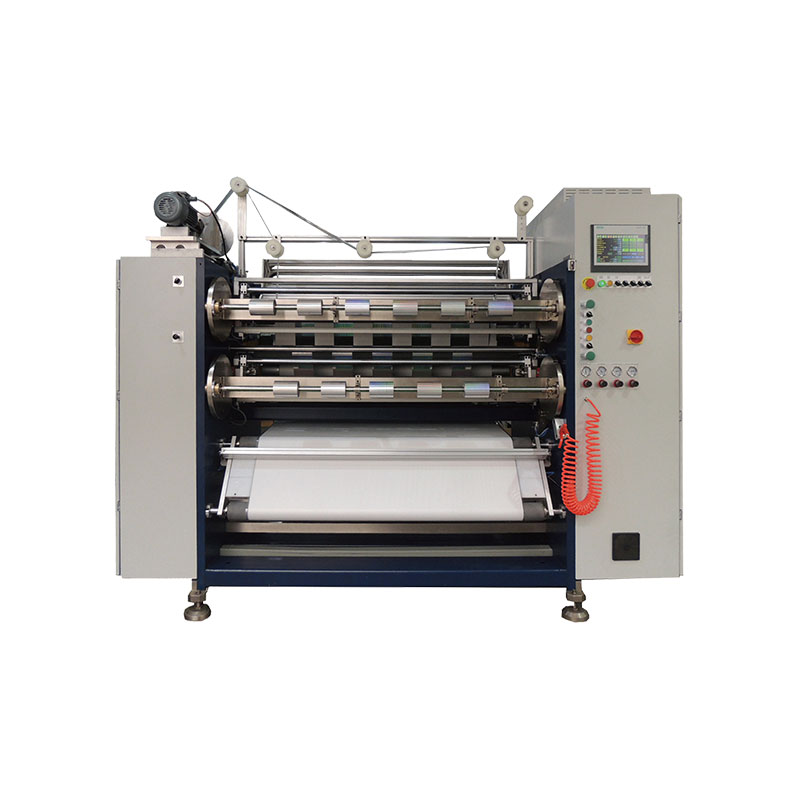 Hot Stamping Foil Slitter (4 Shafts)
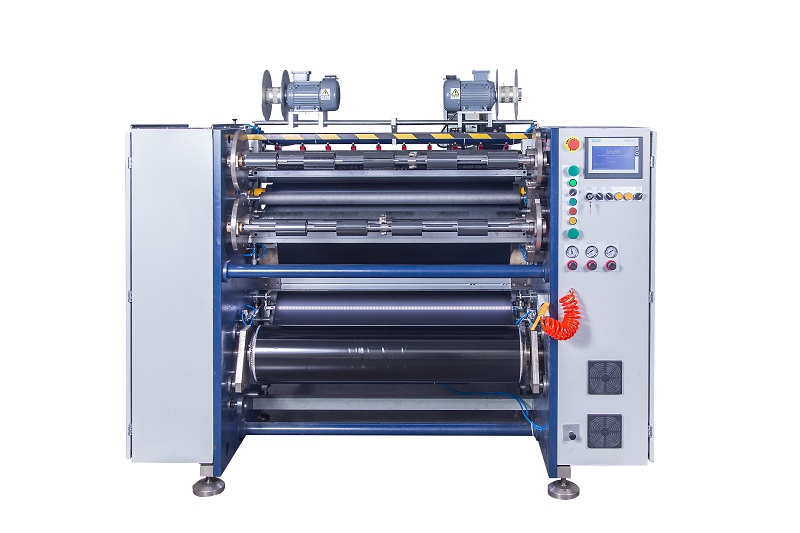 Semi-Auto TTR Slitter RSDS2 Plus
 Semi Automatic TTR Slitter RSDS5 Plus
 Manual TTR Slitter RSDS2
 Auto Paper Core Cutter
 Film Slitting Machine



 +86 135 9951 7291
 support@delishgroup.com
 +86 135 9951 7291