23. May, 2026delish0
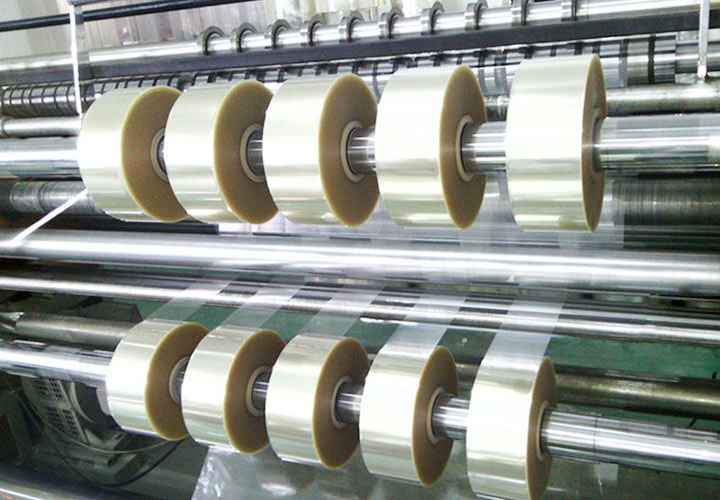
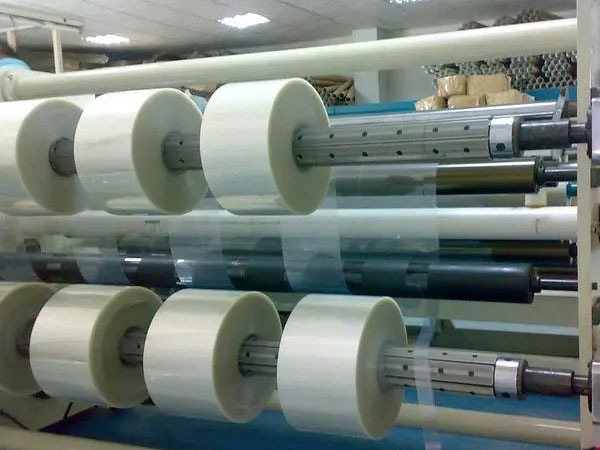
In high-end manufacturing fields such as optoelectronic displays, lithium batteries, and precision coating, PET film serves as a key substrate, and its quality directly determines the performance of the end product. However, in the PET film slitting process, two "hidden killers"—edge burrs and slitting dust—continue to trouble the industry. Burrs can cause gaps in subsequent coatings or coatings, and once dust enters the cleanroom, it may contaminate products and lead to mass scrapping. So, how can modern PET film slitting machines precisely address these two major pain points through technological innovation?
1. Where do burrs and dust come from?
To solve problems, we must first understand the root causes. PET film features high toughness and tensile strength, but relatively poor wear resistance. During slitting, burrs mainly arise from dull tools, unreasonable tool gaps, or improper cutting edges, resulting in the film not being "cut" but "pulling" or "tearing" before breaking. Dust is caused by high-speed friction between the blade and the film generating localized high temperatures, which soften or even melt PET materials and form fine particles; It may also be due to the "planing" effect caused by tiny chipping on the blade edge during cutting.
2. Optimizing Tool Systems: Controlling Quality from the Source
1. The Art of Choosing Between Round and Flat Knives
For thicker PET films (>100μm), slitting machines often use circular blades that mesh vertically. Modern technology precisely calculates the blade's helical angle and meshing amount, creating a "scissor difference" at the cutting point, ensuring the blade separates material by sliding rather than impact, greatly reducing microcracks.
2. Servo closed-loop control of tool clearance
Traditional slitting machines rely on manual manual adjustment of blade gaps, resulting in unstable results. High-end slitting machines now integrate servo motor-driven automatic tool setting systems. Operators input material thickness and properties, and the system automatically calculates and executes the optimal gap value (usually 5%-8% of material thickness), providing real-time feedback using displacement sensors. This is crucial for solving burrs—excessive gaps cause stringing burrs, while too small gaps generate intense friction and heat up dust.
3. The popularization of new coated cutting tools
Traditional tungsten steel or tool steel tools are prone to wear. Nowadays, diamond-like coated or ceramic-coated tools are gradually becoming mainstream. DLC coatings have an extremely low coefficient of friction, making it difficult for PET chips to adhere to the blade surface like a non-stick pan, reducing dust generation and extending tool life by 3-5 times.
3. Active dust removal technology: eliminates dust residue
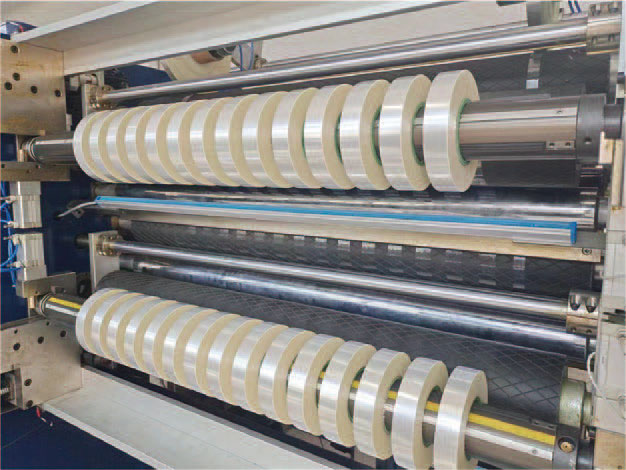
Even with perfect cuts, even slight friction can generate nano-level dust. Therefore, the slitting machine integrates a multi-stage dust removal system.
1. Blow-suction dust removal air duct
Precision air knives are installed on both sides of the blade shaft, which uses high-pressure airflow to blow off the dust that has just been generated but not yet adsorbed by static electricity off the membrane surface, and the negative pressure nozzle installed opposite immediately removes it. The key point is that the wind speed must be precisely controlled, removing dust without causing the film to shake and deviate.
2. Ionized air static elimination
PET film easily generates static electricity, attracting dust like a magnet. Ion rods are installed at the feed and discharge ends of the slitting machine, generating positive and negative ions to neutralize static electricity on the film surface, causing dust to lose adhesion, which can then be easily suctioned off with a lightly contact brush or vacuum roller.
3. Contact dust rollers
For optical films with extremely strict surface requirements, the equipment will add dust-absorbing rollers before winding, coating the surface with a low-tack adhesive layer that gently rolls over the film surface, acting like a lint collector to remove residual dust without leaving a glue mark.
4. Intelligent Closed-Loop Control: Prevention Is the Best Strategy
Current slitting machines are no longer just passive defect handling; they actively predict and predict.
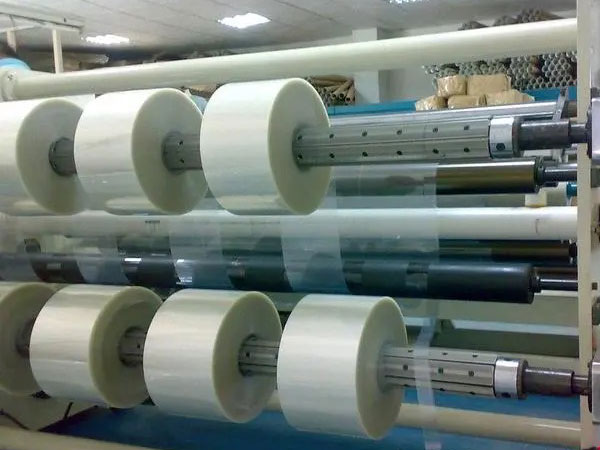
The vision online inspection system uses high-speed industrial cameras to capture slitting edges in real time, and AI algorithms identify burr morphology and dust density. Once the edge finish exceeds the standard detected, the system sends instructions to the tool holder servo motor to fine-tune the tool position and even remind the automatic sharpening device to perform minor grinding on the circular blade. This closed-loop control of "cutting, observing, and adjusting" achieves high-quality slitting without human intervention.
5. Maintenance and Operating Standards
No matter how advanced the technology is, it still relies on operational details. The speed and tension of the slitting machine must match the material characteristics; excessive winding tension can squeeze the edges and cause microcracks to expand. At the same time, regular tool replacement cycle management and equipment cleaning standards (such as wiping the blade shaft with a dust-free cloth) are fundamental to maintaining equipment condition.
Conclusion
Solving burrs and dust issues in PET film slitting has shifted from relying on the experience of experienced craftsmen to a battle that integrates precision machinery, intelligent algorithms, and materials science. The new generation slitting machine cuts off burr roots through a precise servo knife control system, then uses static elimination and multi-stage adsorption to intercept dust escape, ultimately forming a quality closed loop through machine vision. This not only improves product yield but also paves the way for China's high-end functional film industry to achieve micron- and nanometer-level precision. On the cutting line of PET film, behind every perfect finished product lies a silent battle between precise control and minute defects.
 English
 Deutsch
 Français
 Español
 Português
 日本語
日本語 русский
 한국어
한국어 عربي
عربي ภาษาไทย
 Tiếng Việt
 Italiano
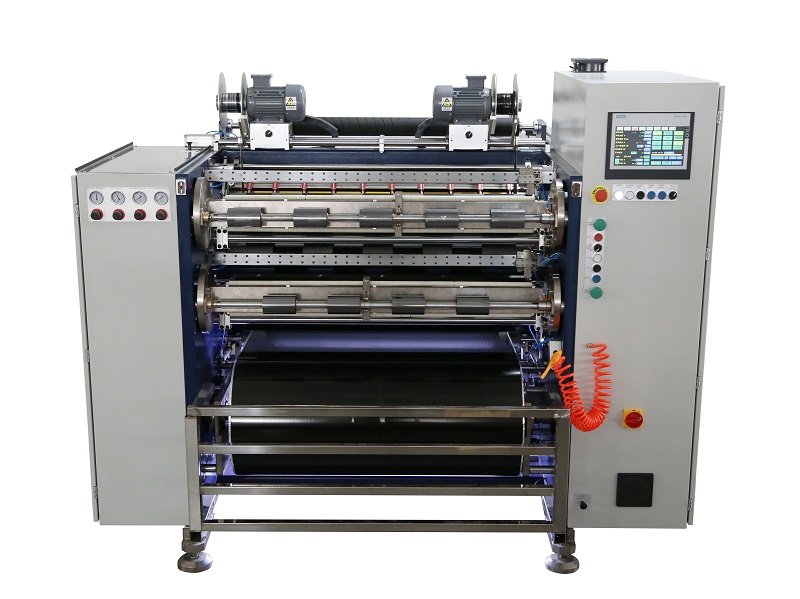 Fully Automatic TTR Slitter RSDS8 Plus
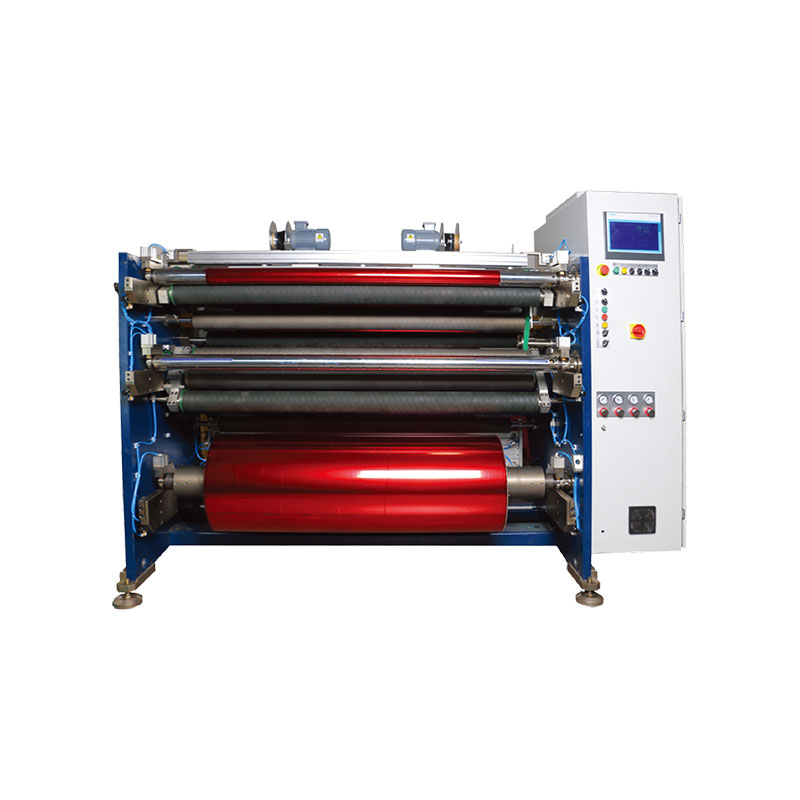 Hot Stamping Foil Slitter 1600mm
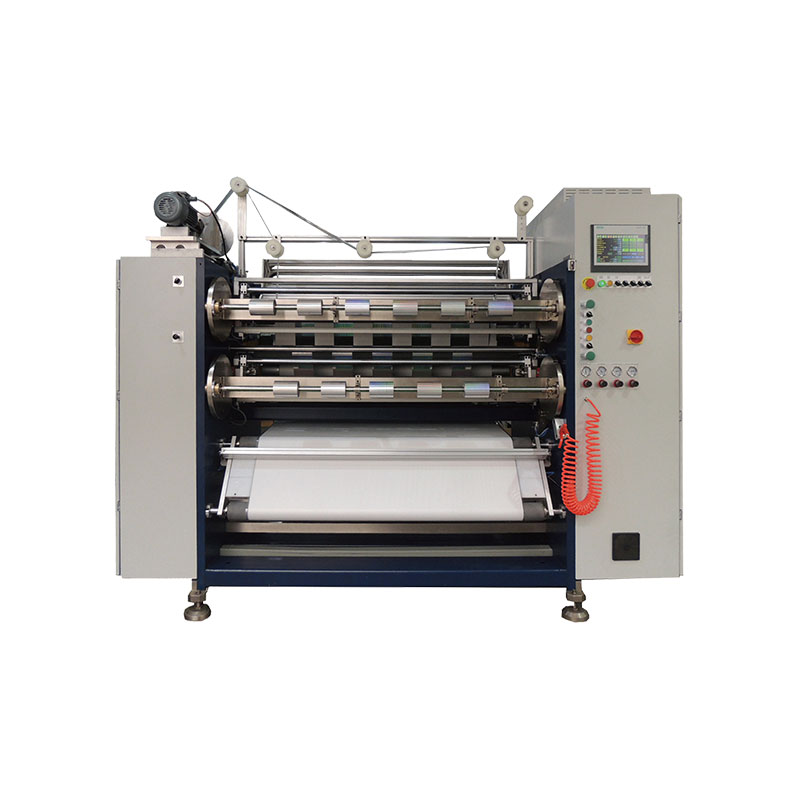 Hot Stamping Foil Slitter (4 Shafts)
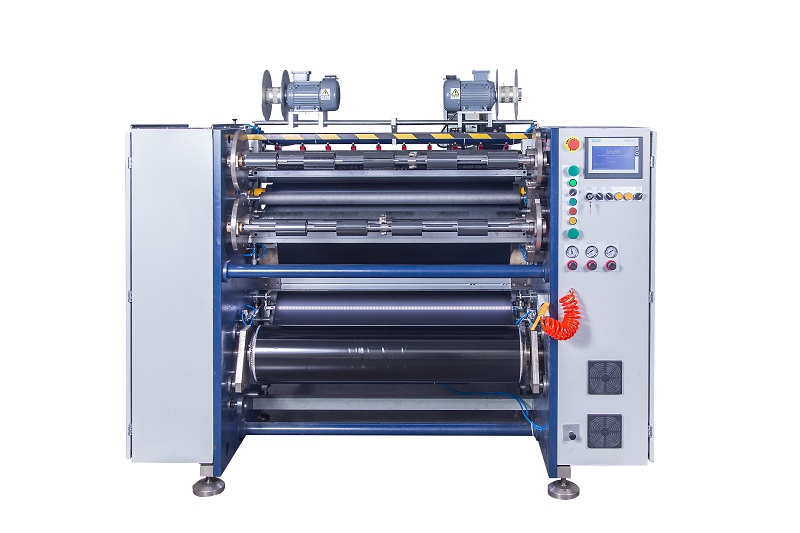 Semi-Auto TTR Slitter RSDS2 Plus
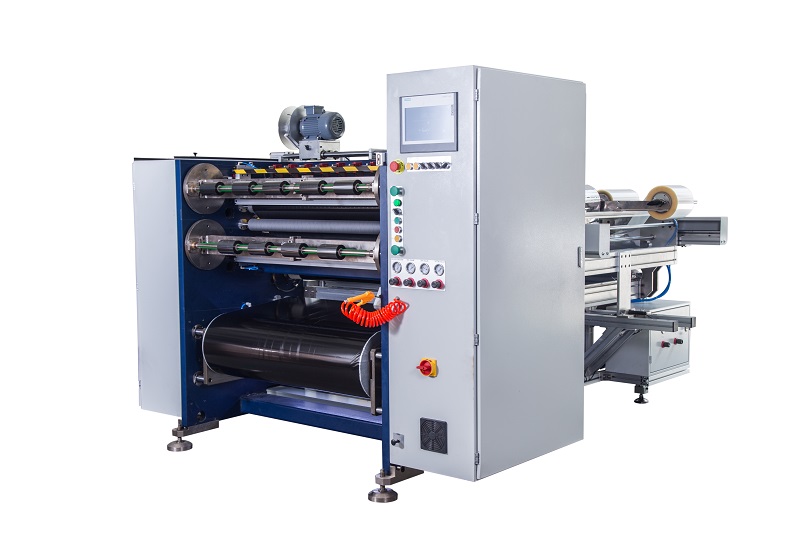 Semi Automatic TTR Slitter RSDS5 Plus
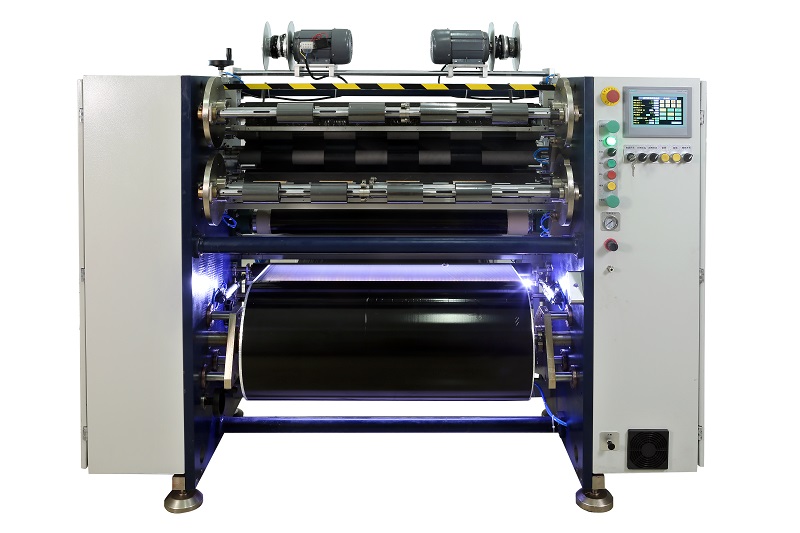 Manual TTR Slitter RSDS2
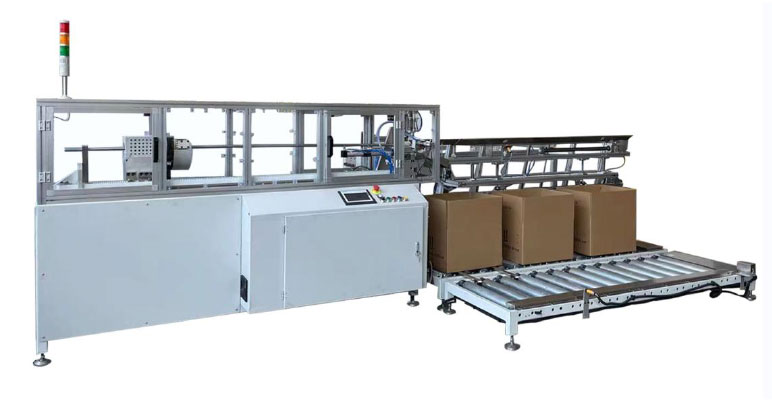 Auto Paper Core Cutter
 Film Slitting Machine



 +86 135 9951 7291
 support@delishgroup.com
 +86 135 9951 7291