09. June, 2026delish0
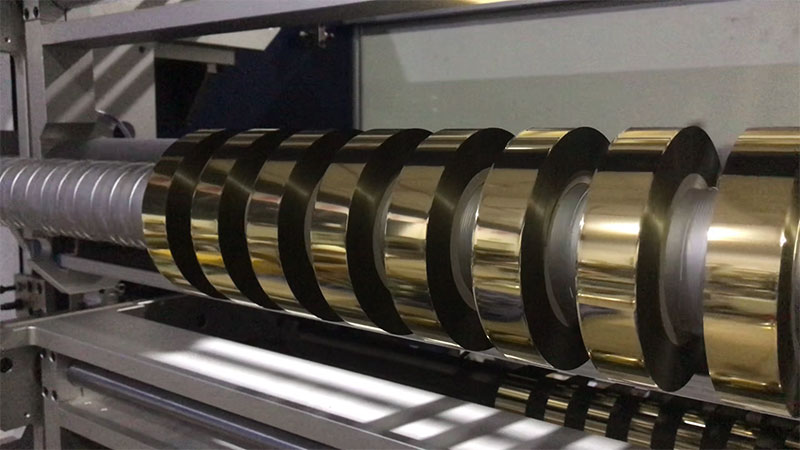
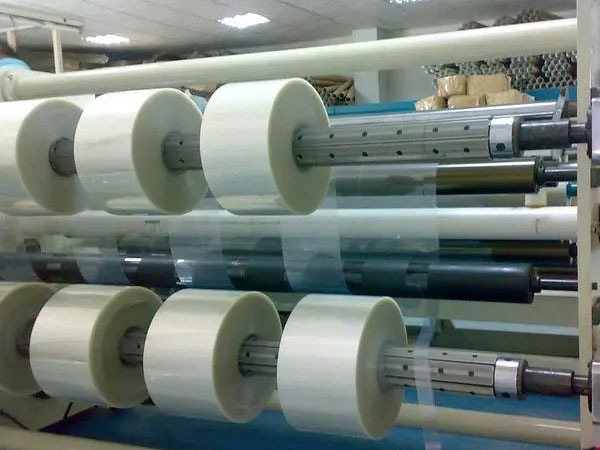
In the slitting process of hot stamping foil, tension control is a key factor affecting product quality. Excessive tension can cause the foil strip to stretch, deform, or even break; If the tension is too low, it can cause loose rewinding, misalignment, and uneven end faces. Many operators, when encountering tension fluctuations, immediately think of checking mechanical components or replacing sensors, but the most easily overlooked and most effective adjustment point is often the core of the tension control system—the matching adjustment of the "air expansion shaft pressure" of the reeling shaft and the "magnetic powder brake."
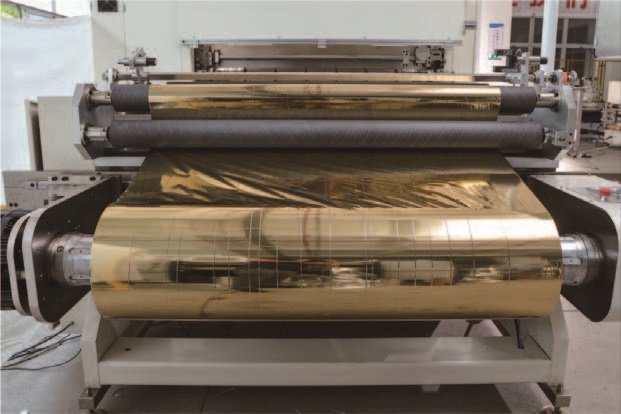
1. Why is tension unstable? First, identify the "root of the disease"
Hot stamping foil is thin and has low ductility, making it extremely sensitive to tension. Common causes of tension fluctuations include:
• Insufficient or unstable pressure on the expansion shaft: This causes the core to slip, with unwinding resistance fluctuating between high and low
• Fluctuation of output torque in magnetic powder brakes: uneven distribution of magnetic particles, coil aging, or interference of current signals
• Position shift of floating roller or tension sensor: distorted feedback signal
• Improper setting of the rewinding shaft taper tension curve: tension is not reasonably reduced as the coil diameter increases
However, 80% of on-site faults actually point to poor coordination between the expansion shaft and the magnetic powder brake at the unwinding end. In other words, adjusting air pressure and brake current is more effective than blindly replacing parts.
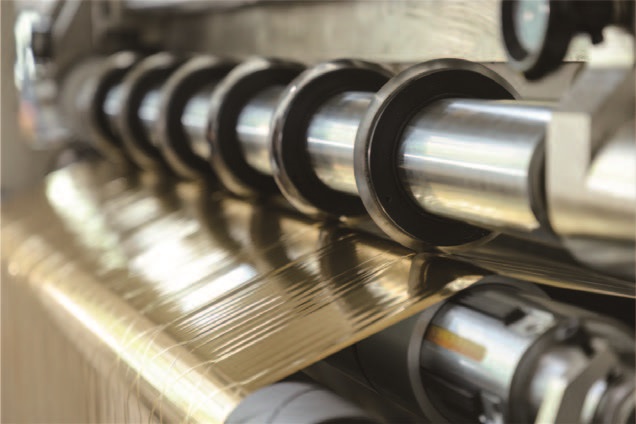
2. Where exactly is the "adjustment here"? Three key points
1. Regulate the air pressure of the expansion shaft—the most basic stabilizer
Hot foil foil typically uses 3-inch or 6-inch expansion shafts. Standard Operating Procedures:
• Set the air pressure to 0.4~0.6MPa (depending on the core material: paper cores use 0.4~0.5, plastic or aluminum cores use 0.5~0.6)
• Check if the pressure is holding: The pressure drop within 5 minutes after inflation should not exceed 0.05MPa
• Use a pressure stabilizer valve + air storage tank to avoid air pressure pulses caused by compressor start-stop control
Phenomenon assessment: If the tension is normal at startup but gradually fluctuates after a few minutes of operation, it is highly likely that the expansion shaft is leaking air slowly, causing a decrease in clamping force and relative rotation of the coil core, which is equivalent to abnormal unwinding resistance.
2. Adjusting the output torque of the magnetic powder brake — the most precise regulation method
The magnetic powder brake acts as an "actuator" for releasing tension. Many operators don't realize that magnetic powder brakes require regular "magnetization and activation," and long-term operation at low current can cause magnetic powder caking.
Adjustment method:
• Current setting: First, use the "static torque method"—pull the winding shaft tangentially with a spring scale, record the force required to overcome static friction, and then convert it into the torque the brake should provide.
• Dynamic fine-tuning: During operation, observe the position of the floating roller and slowly increase or decrease the current (usually adjusting 0.05~0.1A each time) until the floating roller stabilizes at the midpoint.
• Aging compensation: For magnetic powder brakes used for more than a year, it is recommended to increase the set current by 10%~15% to compensate for degraded magnetic powder performance.
Special reminder: If the magnetic powder brake casing temperature exceeds 90°C, it indicates excessive slippage over a long period. Check whether the model is too small or has poor heat dissipation, rather than simply increasing the current.
3. Tuning controller's tension taper curve—the often overlooked "smart adjustment"
Modern slitting machines are equipped with tension controllers, where the taper parameter is specifically designed to handle changes in the winding diameter. When winding from empty to full, the diameter may increase by 3~5 times. If the tension remains constant, the inner layer will be wrinkled.
Reasonable Settings:
• The taper coefficient is usually 15%~30% (for metal foil, use a small value; for hot stamping foil and similar thin film materials, use a medium to slightly larger value).
• Initial tension is set at 5%~8% of the material's tensile strength
• Enable diameter feedback to automatically reduce tension in the controller
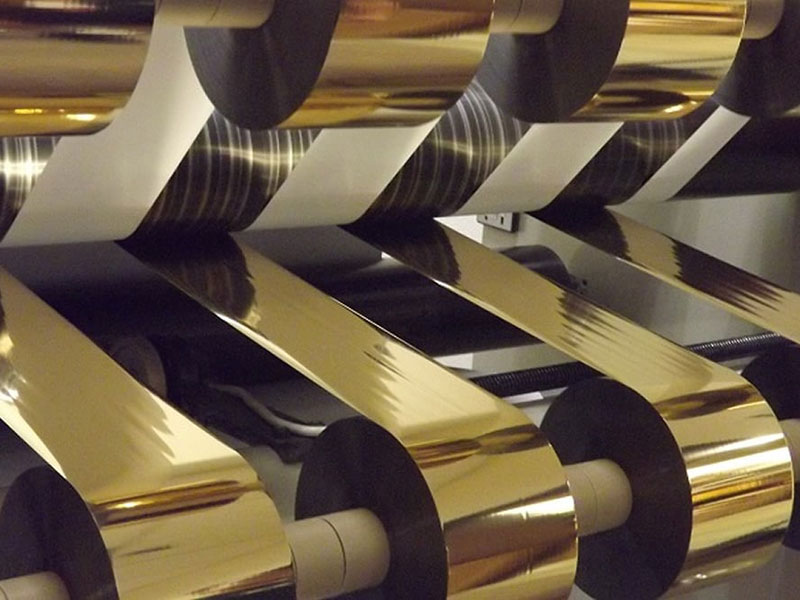
3. Practical Case: Tension shaking solved in 30 minutes at a time
A hot stamping foil slitting factory experienced "serrated end face during winding and periodic shaking during unwinding." Maintenance personnel successively replaced the floating roller bearings, tension sensor, and winding motor driver, but the problem persisted.
Finally, check the unwinding expansion shaft: the pressure gauge shows 0.5 MPa, but the actual pressure detector measured only 0.28 MPa on the shaft—this is due to oil debris blocking the pipe, causing pressure drop. After cleaning the pipeline and replacing the precision pressure regulator, the tension immediately stabilized.
This case illustrates that the place where air pressure is regulated is the difference between the "gauge pressure" on the pressure gauge and the "actual pressure" on the shaft.
4. Maintain the "Three Ones" principle in daily practice
To avoid recurring tension instability, it is recommended to establish the following habits:
• Air pressure check once per shift: not only check the watch, but also pull the coil on the expansion shaft by hand to confirm there is no looseness
• Weekly magnetic powder activation: Adjust the magnetic powder brake current to 50% of the rated value, run no-load for 10 minutes to ensure even magnetic powder distribution
• Quarterly tension calibration: Use a dynamometer or weight to calibrate sensor and controller displays
5. When should parts be replaced instead of "adjusted"?
Adjustments do not solve the following problems:
• Magnetic powder leakage inside the magnetic powder brake (iron powder visible in the housing gaps)
• Rubber strips on the expansion shaft are aged and broken (still unable to clamp tightly after inflation)
• Tension sensor strain gauge zero drift exceeds limit (the reading is not zero when static is unloaded)
In such cases, directly replacing parts is more economical than repeated adjustments.
Conclusion
If the tension of the hot stamping foil slitting machine is unstable, don't rush to disassemble or replace it. The real air pressure of the expansion shaft and the current matching of the magnetic powder brake are the two core points most worth the time to fine-tune. Once you master the logic of "adjusting here"—first stabilize the clamping force, then calibrate the braking force, and finally optimize the taper curve—most tension issues can be solved within 30 minutes. Remember: good tension control doesn't rely on complex algorithms, but on precise adjustment and daily maintenance of the basic components.
 English
 Deutsch
 Français
 Español
 Português
 日本語
日本語 русский
 한국어
한국어 عربي
عربي ภาษาไทย
 Tiếng Việt
 Italiano
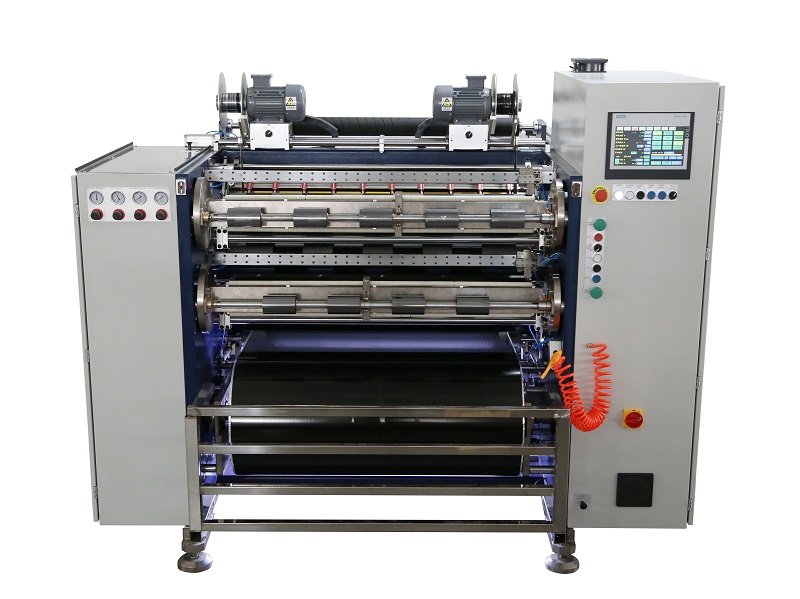 Fully Automatic TTR Slitter RSDS8 Plus
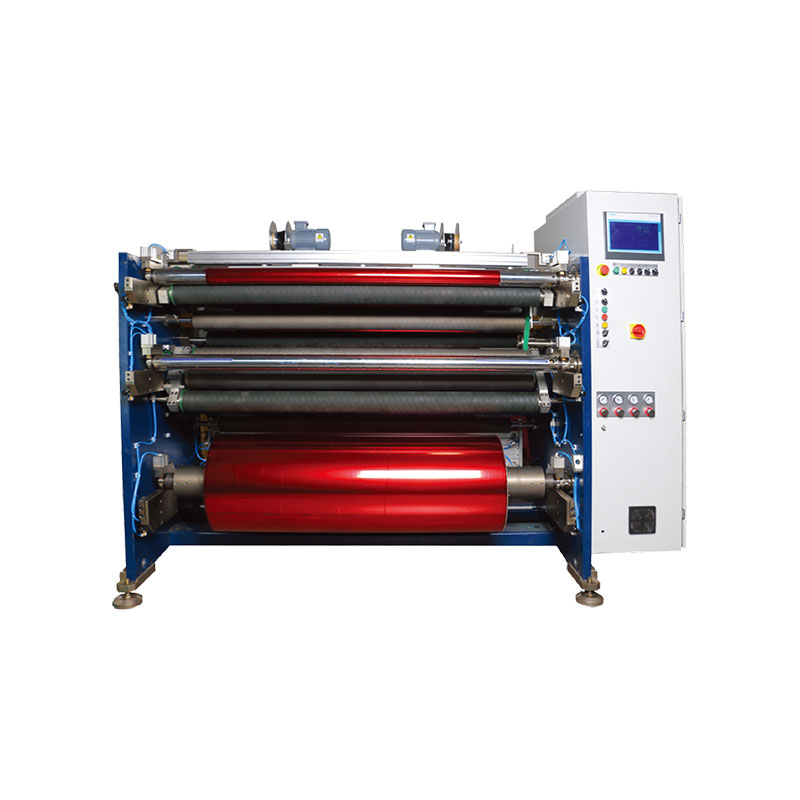 Hot Stamping Foil Slitter 1600mm
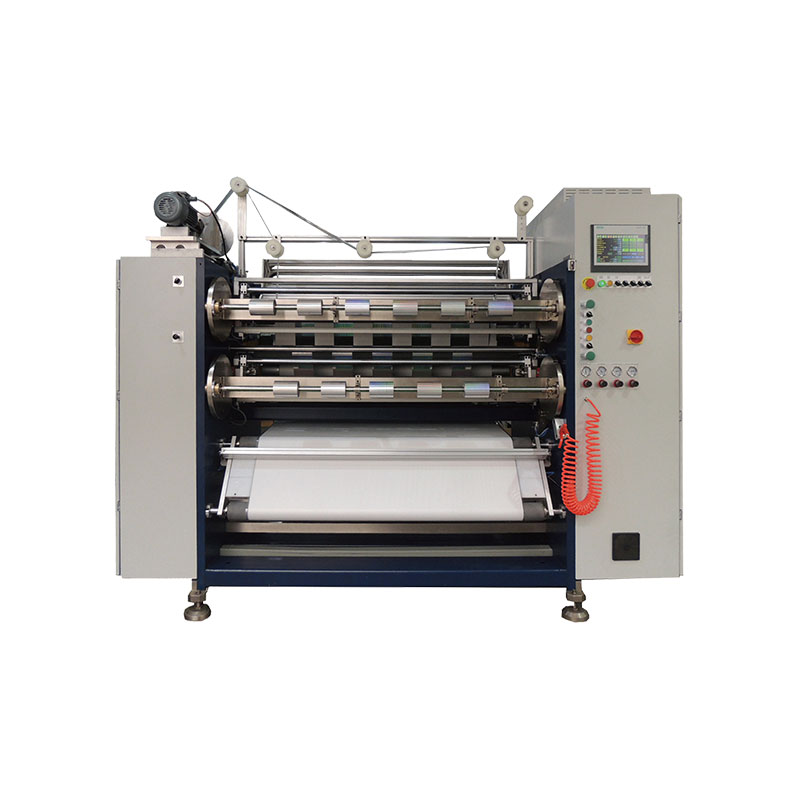 Hot Stamping Foil Slitter (4 Shafts)
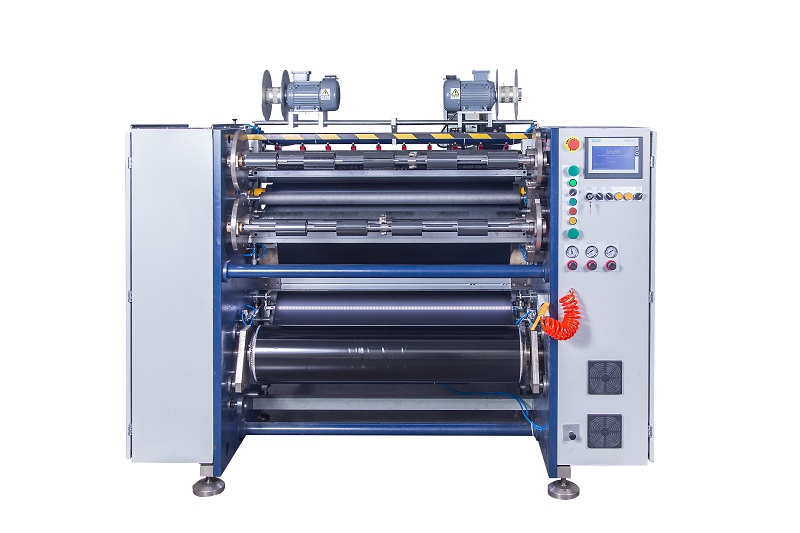 Semi-Auto TTR Slitter RSDS2 Plus
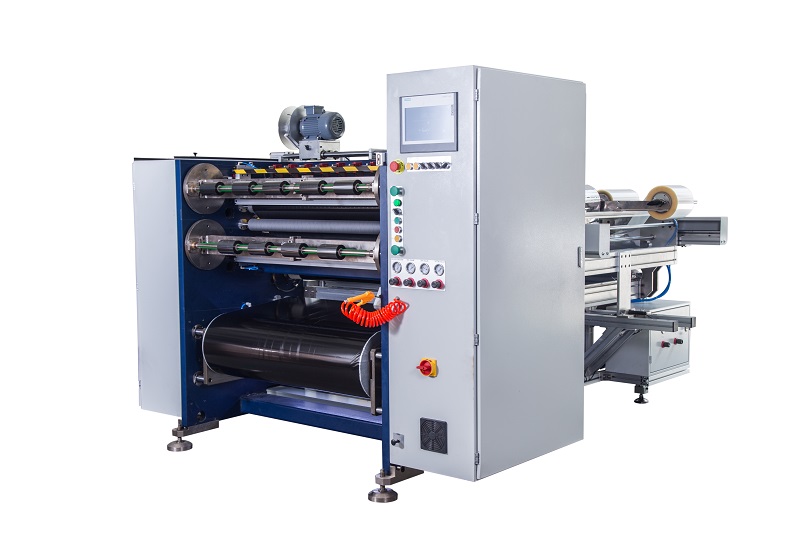 Semi Automatic TTR Slitter RSDS5 Plus
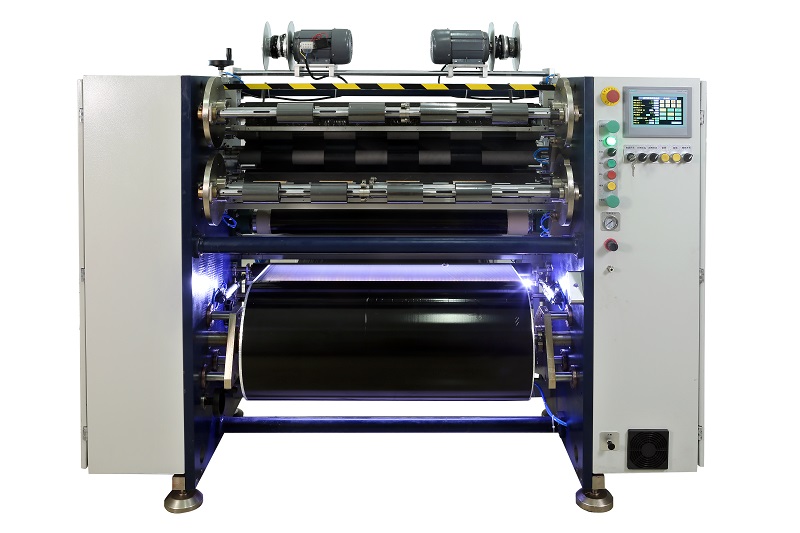 Manual TTR Slitter RSDS2
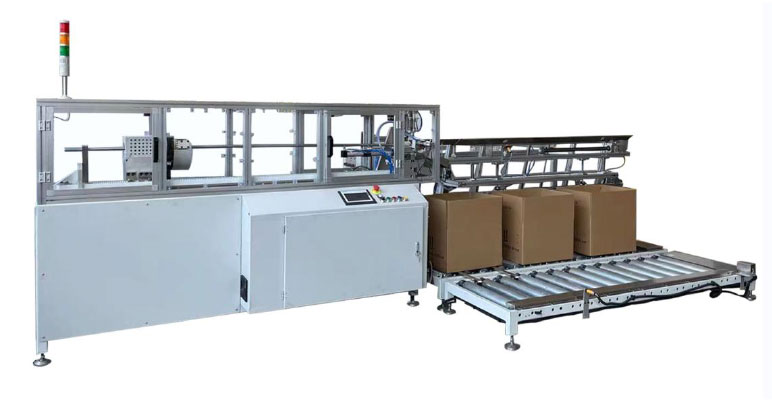 Auto Paper Core Cutter
 Film Slitting Machine



 +86 135 9951 7291
 support@delishgroup.com
 +86 135 9951 7291