15. June, 2026delish0
In the production and processing of solar film, uneven edges in the slitting machine are a common and troublesome issue. Uneven edge cutting not only affects the appearance of the finished product, but also causes difficulty in alignment during installation, and may even result in the entire film roll being scrapped.
Many people, when they encounter uneven edges, suspect the blade is dull or the equipment is old. But in fact, most issues with uneven edges can be resolved by adjusting two key parameters.
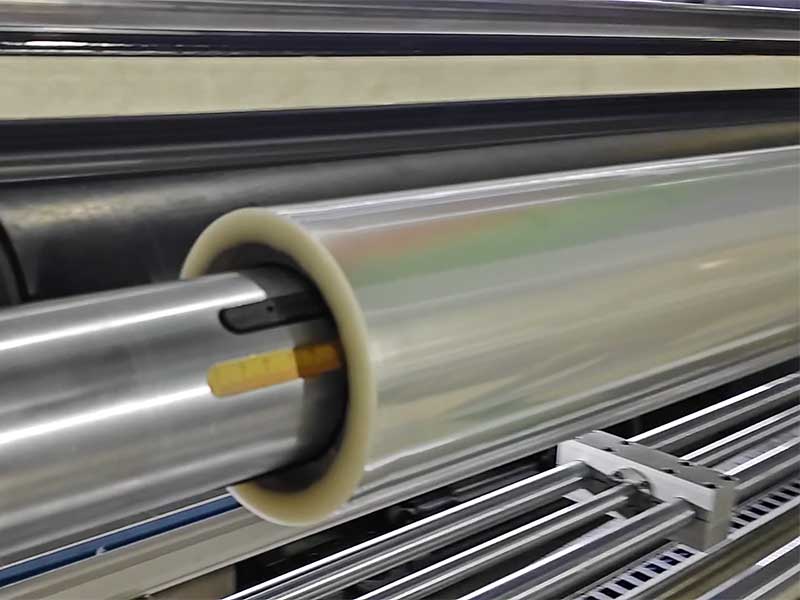
Parameter 1: Winding tension
Rewinding tension is the primary factor affecting the neatness of the cut edge.
The principle is simple: during slitting, if the winding tension is too low, the film surface cannot be effectively tightened, causing shaking and displacement at the cutting edge, resulting in wavy or jagged edges. Conversely, if the tension is too high and the film is overstretched, after cutting, internal stress is released and the edges naturally shrink, resulting in an uneven appearance.
How to adjust:
• Observe the trimming pattern: If the cut edge shows "wavy" undulations, it usually indicates that the winding tension is too low; you can test by increasing it by 5%-10% each time
• If the cut edge is overall straight but the end face noticeably "shifts" after winding, it may be due to excessive tension and should be appropriately reduced
• Different thicknesses of solar film require different tensions: conventional 12μm~20μm solar films generally have a rolling tension between 8N~15N; For thicker explosion-proof films (above 30μm), 15N~25N is recommended
Tip: Gently press the surface of the film roll being rolled with your finger; if it feels slightly elastic but not wrinkled, that is the right tension.
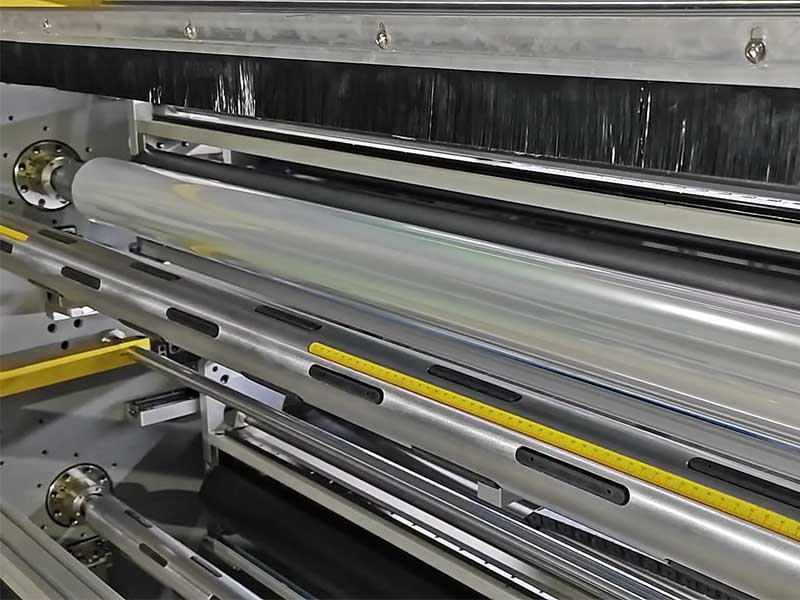
Parameter 2: Slitting speed
Slitting speed and tension are "partner parameters" and must match.
Why does uneven edge cutting occur: When the slitting speed is too fast, the dynamic stability of the film material at the cutting edge decreases, especially for thinner solar films, which tend to cause "edge drifting"—the edges flutter like flags, naturally causing uneven cutting. If the speed is too slow, the tension system may respond sluggishly, causing localized relaxation.
How to adjust:
• Recommended slitting speed for conventional solar film: 80~120 meters/minute
• If edge trimming is uneven, reduce the speed by 30% (for example, from 100 meters/minute to 70 meters/minute) and observe if the trimming improves
• When adjusting the speed, the winding tension must be finely adjusted proportionally (for every 10 meters per minute reduction in speed, the tension can be reduced by about 5% accordingly).
Judgment criteria: Listen carefully to the sound during slitting; when stable, it should produce a uniform "swish" sound; If periodic "hissing" sounds or fluctuating friction sounds occur at different levels, it indicates a mismatch between speed and tension.
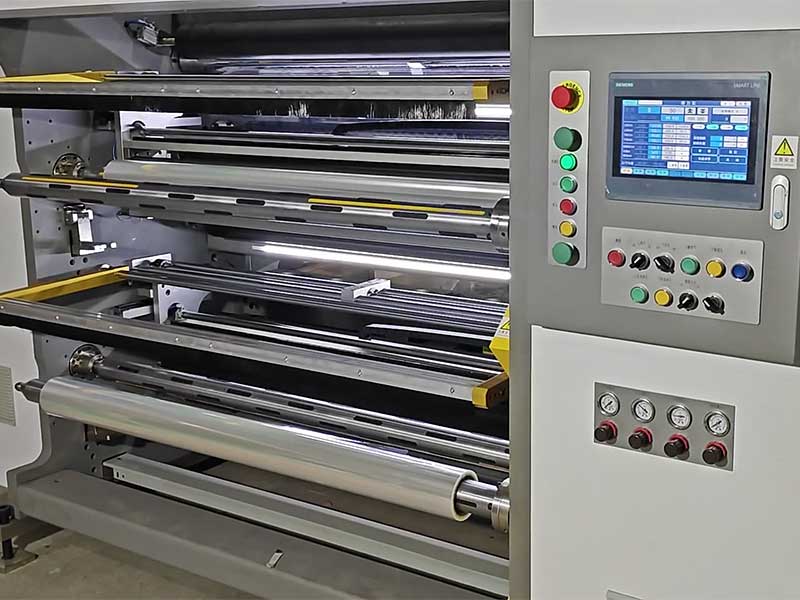
Don't rush to replace the blades yet
Many operators, upon seeing uneven edges, immediately react that "the blade is dull"—replacing the blade, sharpening the disc, adjusting the tool gap, and after much effort, the problem persists. In fact, blade issues causing uneven cutting edges usually present as burrs, white edges, or localized tears at the cut, without showing overall waves or displacement.
So, next time you encounter uneven edges, try checking in this order:
1. First, check whether the winding tension is appropriate
2. Confirm again whether the slitting speed matches the current film material
3. If both adjustments still do not work, then consider mechanical factors such as blades, pressure rollers, and guide rollers
Solar film slitting is a delicate task of "balancing parameters." By mastering these two parameters, over 80% of uneven trimming issues can be easily resolved. Of course, each piece of equipment has different characteristics. It is recommended to first make a short test cut during each reroll specification change, record the parameters to create a "process card," and then call it directly later.
Final reminder: When adjusting parameters, take "small steps and move quickly"—only change one parameter at a time. After each change, run at least 20 meters before observing the effect. This way, you can accurately judge which adjustment is working.
 English
 Deutsch
 Français
 Español
 Português
 日本語
日本語 русский
 한국어
한국어 عربي
عربي ภาษาไทย
 Tiếng Việt
 Italiano
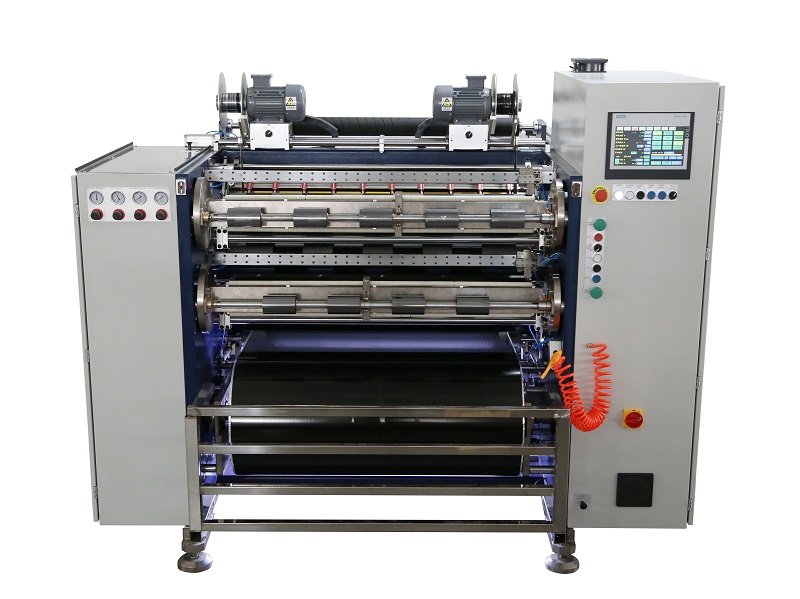 Fully Automatic TTR Slitter RSDS8 Plus
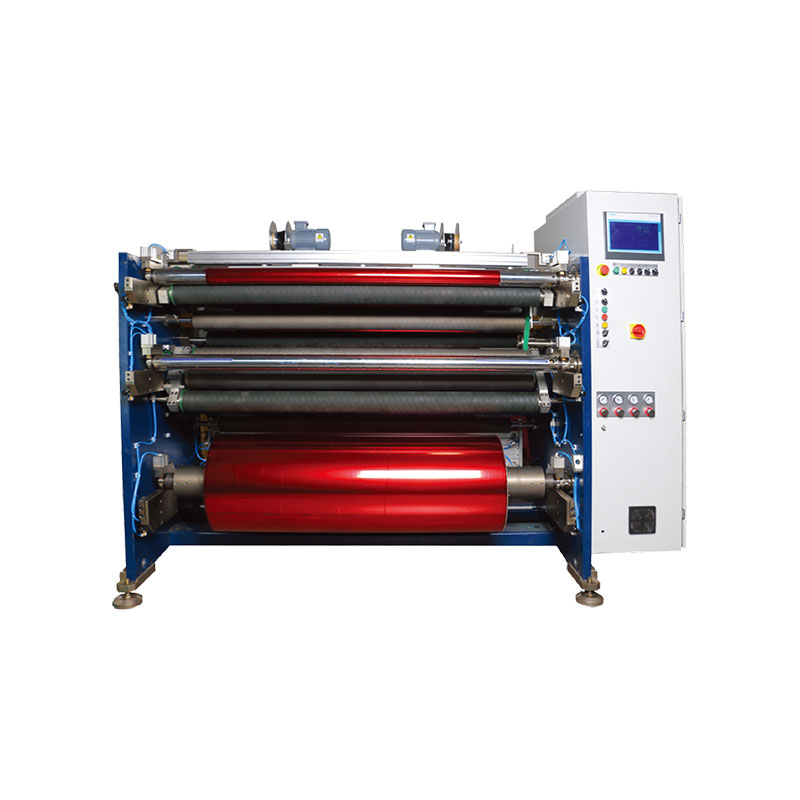 Hot Stamping Foil Slitter 1600mm
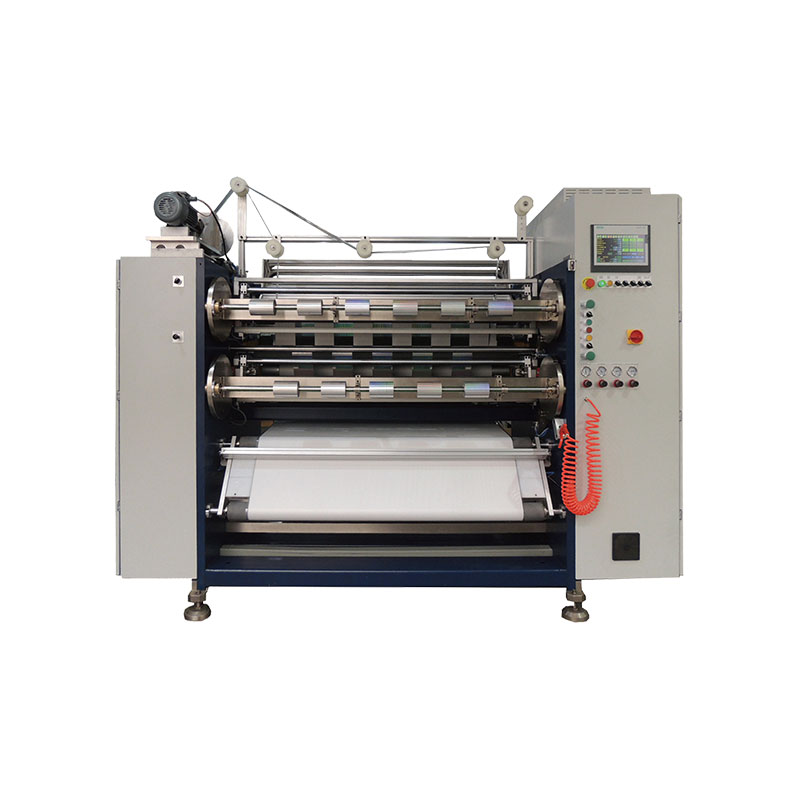 Hot Stamping Foil Slitter (4 Shafts)
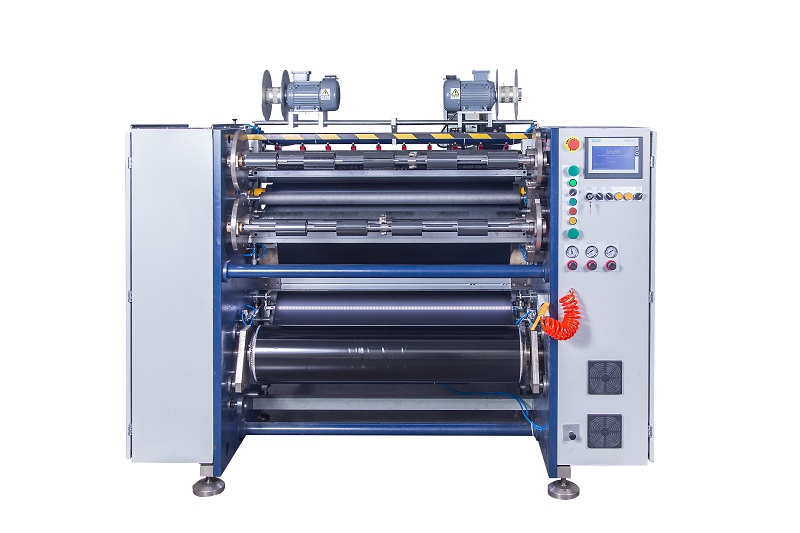 Semi-Auto TTR Slitter RSDS2 Plus
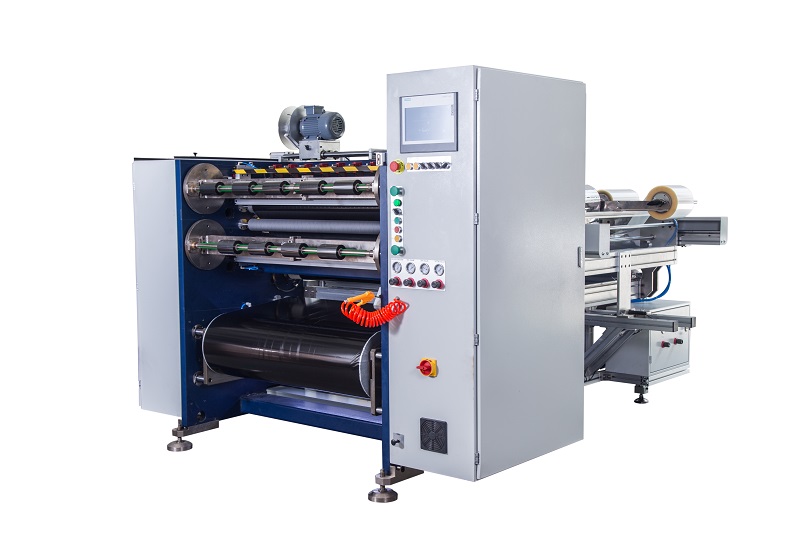 Semi Automatic TTR Slitter RSDS5 Plus
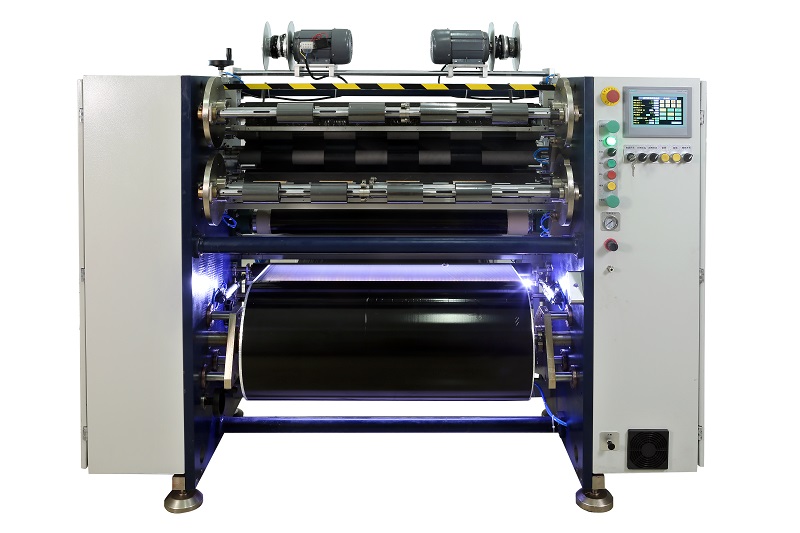 Manual TTR Slitter RSDS2
 Auto Paper Core Cutter
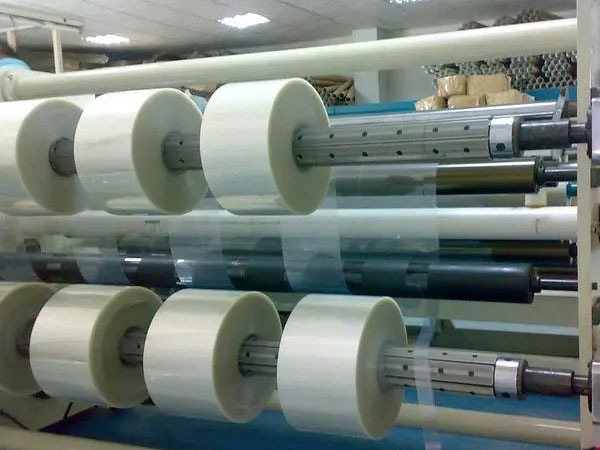 Film Slitting Machine



 +86 135 9951 7291
 support@delishgroup.com
 +86 135 9951 7291