25. June, 2026delish0
In the film processing industry, the slitting machine is a key piece of equipment connecting production and delivery—if chosen correctly, efficiency is high and loss is low; If you choose the wrong one, film breakage, wrinkles, and dimensional misalignment come one after another. The production department is full of complaints, and the purchasing department is left speechless. By 2026, as film applications expand into high value-added fields such as optical films, lithium battery separators, and ultra-thin capacitor films, the threshold for selecting slitting machines will become increasingly high. Considering the latest industry developments, the following four common misconceptions are especially worth being wary of.
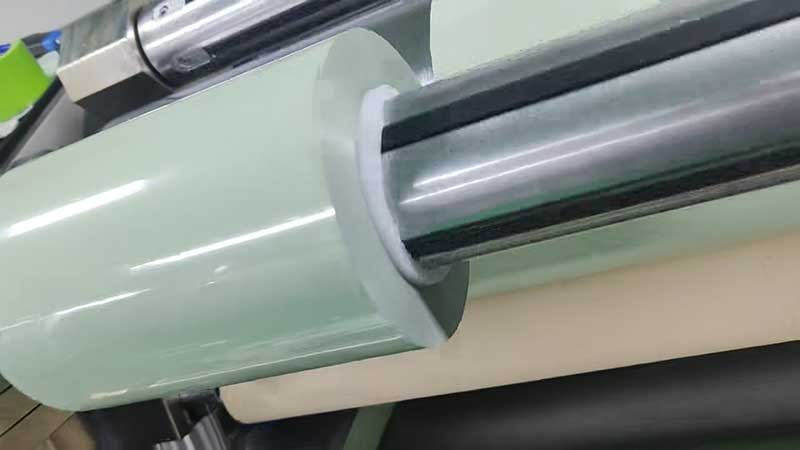
Misconception 1: Blindly believing in "maximum width" and "maximum speed"
Many buyers go straight to these two numbers when choosing models, believing that "the bigger the number, the better." This is precisely the area most easily misled.
• Width trap: The "maximum machine width" and the "effective slitting width" of the equipment are two different things. The latter is the actual usable range. When selecting models, the effective slitting width should be at least 50-100mm larger than the main roll width to facilitate film penetration and adjustment. If you only focus on the maximum width of the machine and ignore the word "effective," the large main roll may not be used at all.
• Speed traps: Top speed is usually the "maximum speed that can be run," but many quality issues actually occur during start-up, stop, and low-speed phases. Rather than focusing on top speed, it is better to emphasize low-speed stability and acceleration/deceleration performance, and require manufacturers to demonstrate slitting effects at different speeds on-site. Stable production speed is more valuable as a reference than extreme speed.
Pitfall avoidance suggestion: Confirm the maximum width of the current main roll and reserve space for future expansion; In terms of speed selection, ordinary PET film slitting at 200-400 m/min is already sufficient for most small to medium-scale production, so there is no need to blindly pursue the advertised figure of "800 m/min."
Misconception 2: Taking "whether tension control exists" as the answer but ignoring "What is tension control?"
Tension is the "soul" of the slitting process, but it is precisely the easiest to underestimate. Many suppliers say, "We have PLC constant tension control," but the implementation methods behind this are worlds apart.
• Open-loop torque control: Lowest cost, outputs torque according to the set but cannot detect or compensate for actual tension fluctuations caused by changes in coil diameter. Not recommended for high-demand scenarios.
• Magnetic particle brake control: Acceptable in low-speed scenarios, low precision, slow response, and severe heat generation.
• Closed-loop servo tension control: Real-time feedback from tension sensors and dynamic adjustment by PLC, ensuring true constant tension. Mid-to-high-end equipment must be standard. High-end models even use full servo tension control, with independent servo drives for retracting, unloading, and traction rollers, achieving the highest precision.
Poor tension control directly leads to uneven rolling, misaligned end-face layering, wrinkling, edge warping, and even stretch deformation of the film. This is especially critical for ultra-thin films below 12μm or optical-grade films, which are fatal issues.
Pitfall tip: Don't accept vague claims like "tension control" and ask whether it's an open or closed loop, or if it comes with a physical tension sensor. At the same time, confirm that the tension control range covers all thickness ranges of your materials.
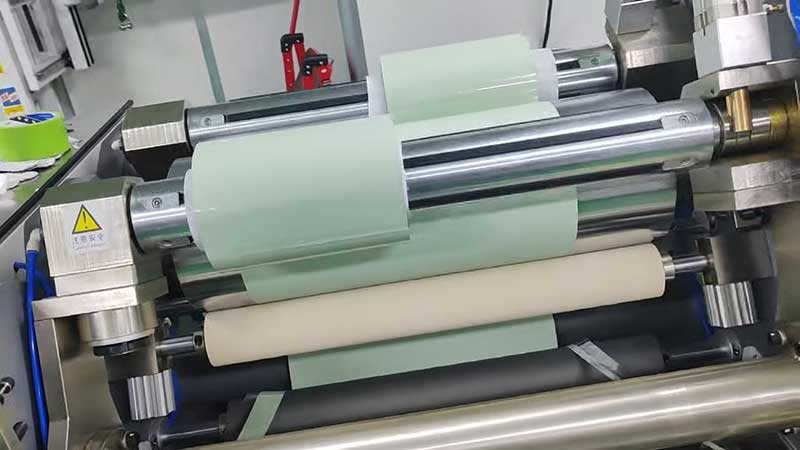
Misconception 3: Only knowing how to "choose blades," neglecting "tool holders" and "correction"
While inserts are important, the tool holder (tool holder) and the correction system (EPC) that carry the blade are the hidden core factors determining long-term stability.
Tool Holder: The foundation of slitting accuracy
Insufficient rigidity of the tool holder can lead to frizzy edges, powder shedding, and a sharp reduction in blade life. Inferior tool holders are difficult to adjust, easily loosen after locking, and have poor slitting bar width and accuracy.
• Check material and craftsmanship: High-quality tool holders use alloy steel or premium carbon steel, treated with overall quenching + fine grinding; Ordinary cast iron or A3 steel has poor rigidity and is prone to deformation.
• Shake on site: Try shaking the tool holder on the display machine by hand to feel its rigidity. If there is obvious looseness, eliminate it immediately.
Correction system: ensures end face neatness
Many procurement companies only ask about "whether there is correction," not "what precision or type."
• Accuracy: Standard models ± 0.2~0.5mm, while high-end models can reach ±0.05mm or even higher. High value-added films (such as optical films and lithium battery separators) must be high-precision.
• Type: Digital sensors are currently mainstream, with strong anti-interference capability and precise recognition; Older analog or CCD sensors are sensitive to transparent films or ambient light, resulting in poor stability.
Pitfall Advice: When choosing a model, ask directly—"Is your correction system digital?" What is the official repeatability in millimeters? "And" What material is the tool holder made of, and what brand of bearings is used? ”。 Don't be embarrassed, this directly determines the condition of the device after three years.
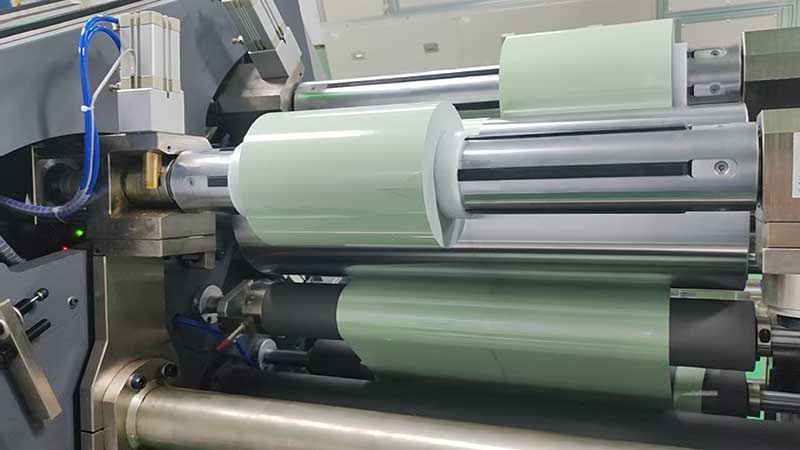
Misconception 4: Only looking at purchase price, ignoring "trial cut" and "full cycle cost"
This is the biggest misconception. A slitting machine with stable precision and low failure rate can often be recouped within half a year by saving materials, labor, and rework.
Must be "trial cut with material"
Before signing the contract, be sure to bring your most representative and most difficult materials to the manufacturer for on-site testing. Key Observations:
• Check whether the winding end face is neat
• Whether dimensional tolerances meet standards
• Vibration and noise levels at high speeds and emergency stops
The trial cut report should be retained as the basis for acceptance.
Calculate the full cycle cost, not the purchase price
When selecting equipment, the following long-term costs should be comprehensively assessed:
• Energy consumption: Servo systems save more than 30% more energy than traditional machinery
• Consumable parts cost: replacement frequency and price of blades, belts, etc
• Ease of maintenance: Modular design significantly reduces downtime
• Yield rate: High-precision equipment reduces defect rates by 2%-5%. In today's era of high material prices, this is easy to reckon
Pitfall avoidance suggestion: Require suppliers to provide measured data or customer cases for similar materials, sign precision acceptance agreements, and include after-sales service response times (e.g., arrival within 48 hours) in the contract.
Summary
When choosing a film slitting machine in 2026, don't be blinded by obvious parameters like "maximum width" and "maximum speed." Focus on implicit indicators like tension control method, correction accuracy, and tool post rigidity; persist in trial cutting with material and calculate the full cycle cost—by following these four points, you avoid not only pitfalls but also troubles for the next three years.
 English
 Deutsch
 Français
 Español
 Português
 日本語
日本語 русский
 한국어
한국어 عربي
عربي ภาษาไทย
 Tiếng Việt
 Italiano
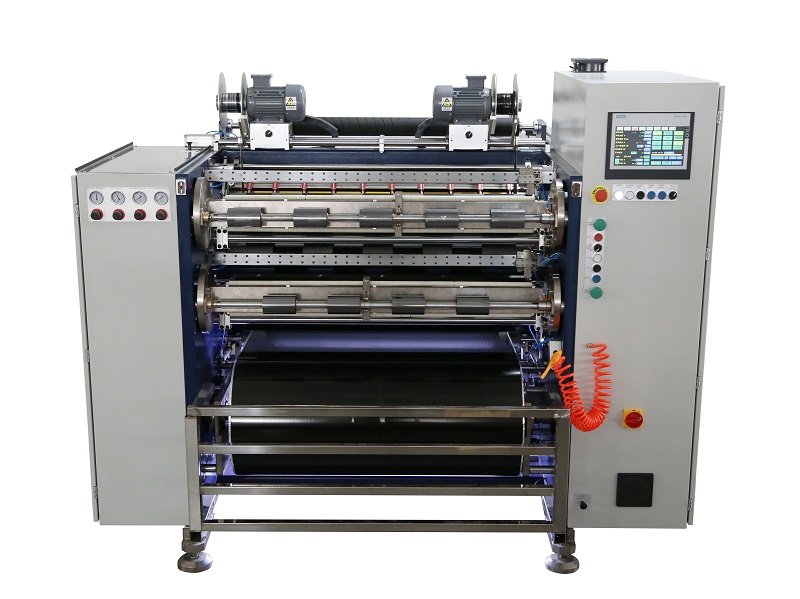 Fully Automatic TTR Slitter RSDS8 Plus
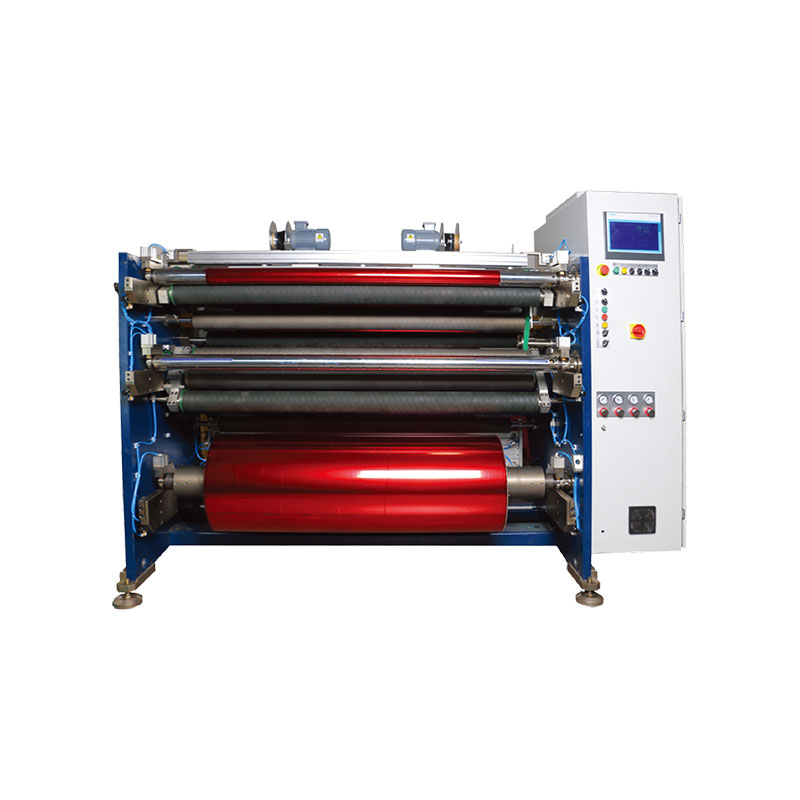 Hot Stamping Foil Slitter 1600mm
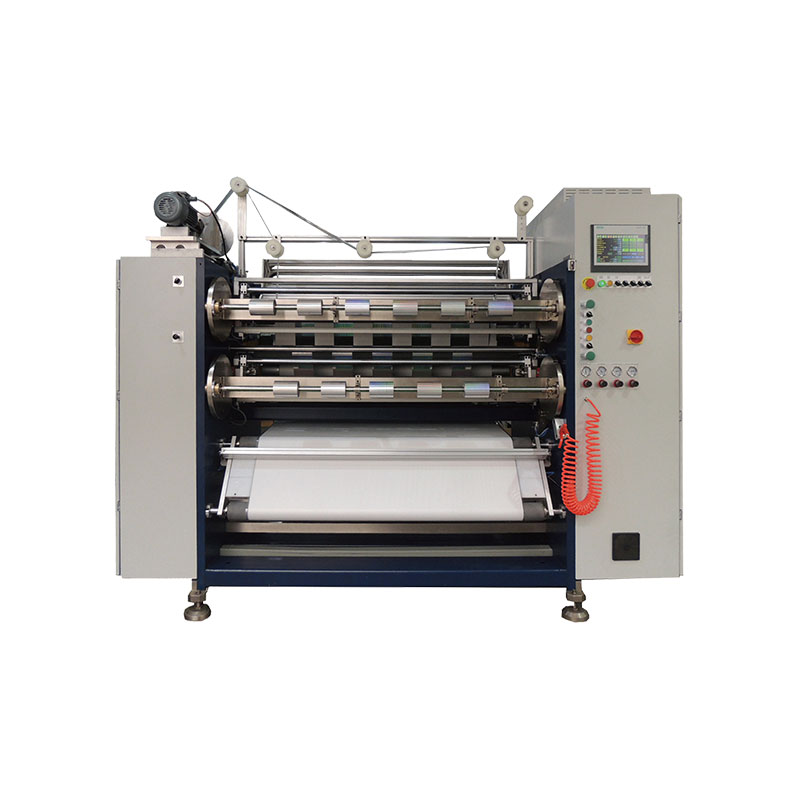 Hot Stamping Foil Slitter (4 Shafts)
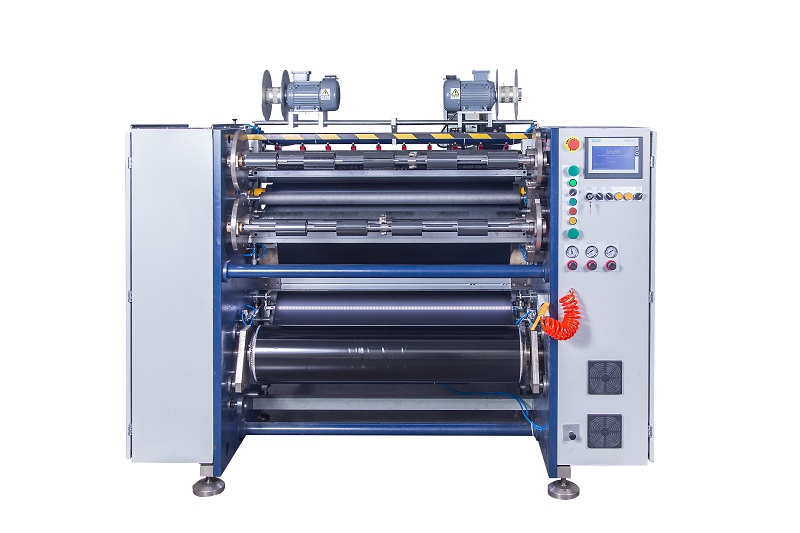 Semi-Auto TTR Slitter RSDS2 Plus
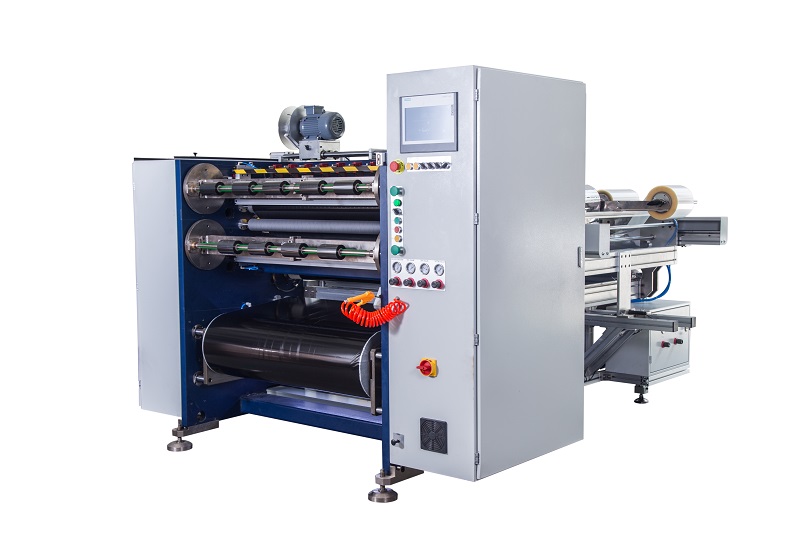 Semi Automatic TTR Slitter RSDS5 Plus
 Manual TTR Slitter RSDS2
 Auto Paper Core Cutter
 Film Slitting Machine



 +86 135 9951 7291
 support@delishgroup.com
 +86 135 9951 7291