29. June, 2026delish0
In 2026, the ribbon slitting machine industry is undergoing a profound transformation from "precision manufacturing" to "intelligent manufacturing." Against the backdrop of continuous expansion in the heat transfer ribbon market and increasingly stringent quality requirements from downstream applications, slitting equipment is no longer just cutting tools; it has evolved into an intelligent terminal integrating high-precision control, AI decision-making, and green production. Intelligence and energy efficiency optimization have become the two core themes running through the technological upgrade in 2026.
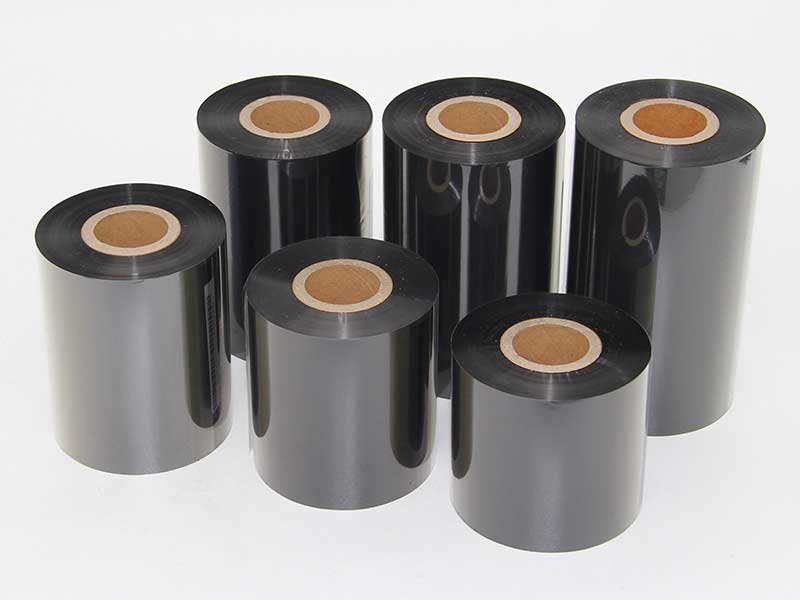
1. Intelligence: From automated execution to autonomous decision-making
If past slitting machine upgrades focused on "automation," then the keyword for 2026 will be "intelligence"—empowering devices with the ability to perceive, learn, and make autonomous decisions.
1. AI-driven adaptive process optimization
Traditional slitting heavily relies on operator experience, and when dealing with ribbons of different materials (wax-based, blended, resin-based) and thickness (from 4.5μm thin substrate to 65μm thick labels), parameter adjustments are time-consuming and prone to errors. By 2026, AI adaptive systems are breaking this limit. By integrating multimodal perception data from high-speed industrial cameras, tension sensors, and acoustic emission sensors, the system can construct a "digital twin" of the slitting process in real time. Based on deep learning models, the equipment can predict the optimal parameter combinations for different materials under specific tensions and speeds, and dynamically optimize them during production. For example, when a slight burr trend is detected at the slitting edge, the system can automatically fine-tune tool pressure or tension compensation without shutting down the machine. This shift from "experience-driven" to "data-driven" has significantly shortened changeover times and significantly reduced scrap rates—in practice, the scrap rate has dropped from 3.2% to below 0.7%.
2. The popularization of machine vision and online full inspection
By 2026, machine vision has become standard rather than optional for high-end slitting machines. The high-resolution line scanner combined with AI image recognition algorithms can detect coating pinholes, scratches, joint defects, as well as burrs and misalignments on the slitting end face in real-time during high-speed slitting. This "Test-Marking-Rejection" closed-loop control achieves a leap from traditional sampling inspections to 100% full inspection, ensuring that every meter of carbon ribbon entering the market meets stringent standards, especially meeting the zero-defect delivery requirements in fields such as electronics and healthcare.
3. Equipment interconnection and predictive maintenance
Slitting machines are integrating from information silos into smart factory networks. Through unified communication protocols such as OPC UA, devices upload real-time data such as OEE (Overall Equipment Effectiveness), output, and energy consumption to the MES/ERP system, enabling seamless integration and transparent management of production plans. More importantly, the implementation of predictive maintenance (PdM): by monitoring spindle vibration, motor temperature, and servo load rate, the system can provide early warnings of tool wear or bearing failure, transforming traditional "post-event maintenance" into "on-demand repair," reducing unplanned downtime by over 80% and lowering maintenance costs by about 30%.

2. Energy Efficiency Optimization: From Cost Savings to Green Competitiveness
Under the pressure of the "dual carbon" goals and regulations such as the EU's CBAM, energy efficiency optimization has risen from a cost option to a survival necessity.
1. In-depth application of servo drive and renewable energy generation
Fully servo drives will replace the traditional variable frequency + magnetic powder clutch solution, becoming the cornerstone for energy efficiency optimization in 2026. The servo motor automatically reduces excitation current under light load conditions, reducing overall energy consumption by 30%-40% compared to traditional solutions. At the same time, the introduction of regenerative braking technology allows mechanical energy to be fed back to the grid during deceleration, further reducing energy consumption by more than 15%. A case of a medium-sized company's renovation shows that after servo upgrades, the energy consumption share of the slitting workshop dropped from 18% to 11% in electricity cost alone, saving over 200,000 yuan annually.
2. "Zero waste" and maximized material utilization
Reducing material waste is the greatest energy efficiency optimization. By 2026, slitting machines will approach the "zero waste" goal through three major measures: high-precision control narrowing slitting tolerances to ±0.05mm, reducing waste edge generation at the source; The intelligent discharge algorithm can optimize the utilization strategy of the main roll, increasing material utilization to over 98%; Scrap-free edge slitting technology and online defect avoidance systems can adjust cutting paths in real time to bypass defect areas, preventing entire segments from being scrapped. Practice shows that these technologies can increase the finished product rate from the traditional 85-90% to 95%-98%, significantly reducing material costs.
3. Full lifecycle carbon footprint management
The meaning of energy efficiency optimization is extending beyond carbon footprint tracking. Some leading devices now support recording energy consumption and carbon emission data during the slitting process using blockchain and other technologies, generating "carbon tags" for each roll of ribbons to meet downstream customers' traceability requirements for green supply chains.
3. Summary and Outlook
By 2026, the core competitiveness of ribbon slitting machines has shifted from simply "slitting speed" to a comprehensive competition of "intelligent decision accuracy" and "output per unit energy consumption." Intelligence gives equipment an ever-evolving "brain," enabling it to confidently handle flexible manufacturing challenges involving multiple varieties and small batches; Energy efficiency optimization gives equipment a green "body," building sustainable competitive barriers for enterprises while reducing costs.
Looking ahead, as AI large models and digital twin technologies deepen, slitting machines are expected to evolve into "expert systems" capable of natural language instruction interaction, automatic production scheduling, and process optimization. In this profound transformation, companies that are the first to complete dual upgrades in intelligence and energy efficiency will not only gain efficiency advantages but also occupy the value high ground of the next-generation carbon ribbon manufacturing ecosystem.
 English
 Deutsch
 Français
 Español
 Português
 日本語
日本語 русский
 한국어
한국어 عربي
عربي ภาษาไทย
 Tiếng Việt
 Italiano
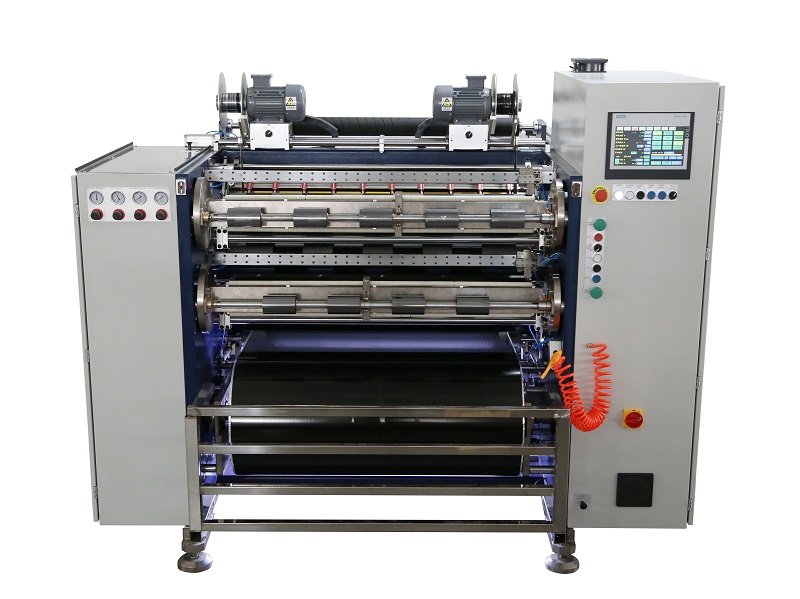 Fully Automatic TTR Slitter RSDS8 Plus
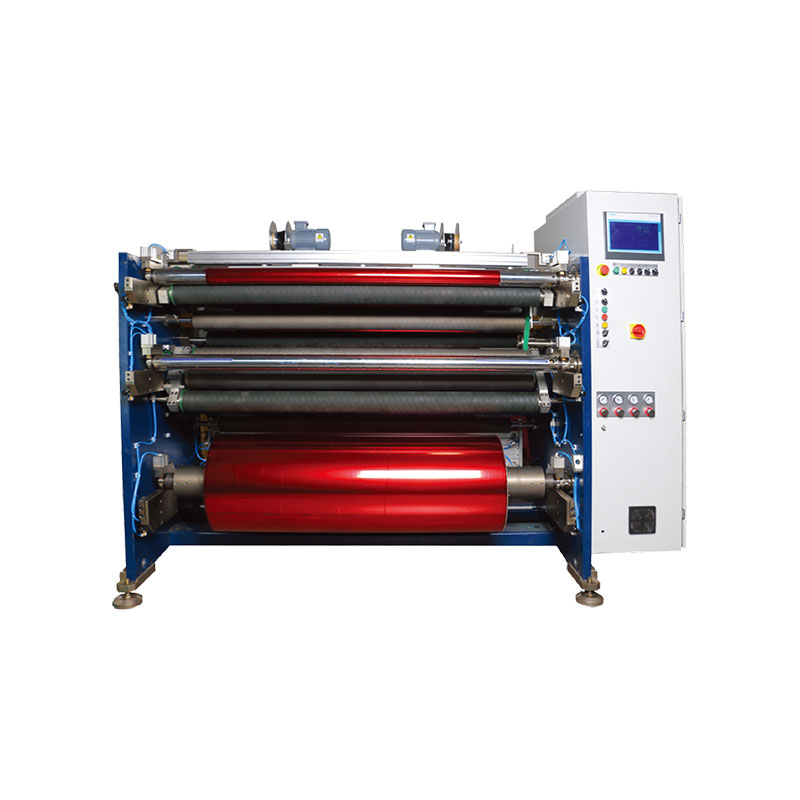 Hot Stamping Foil Slitter 1600mm
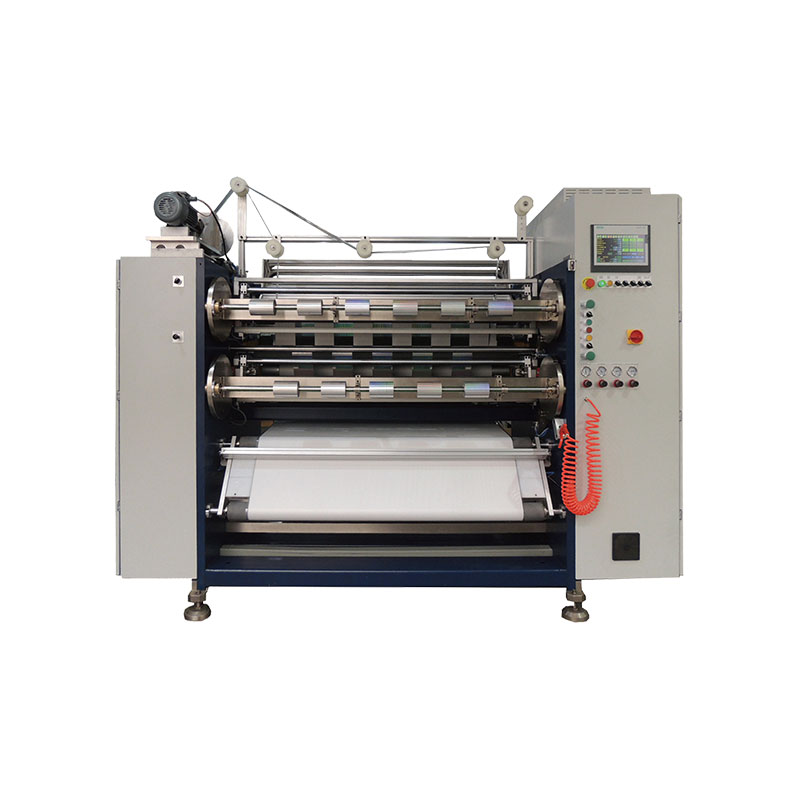 Hot Stamping Foil Slitter (4 Shafts)
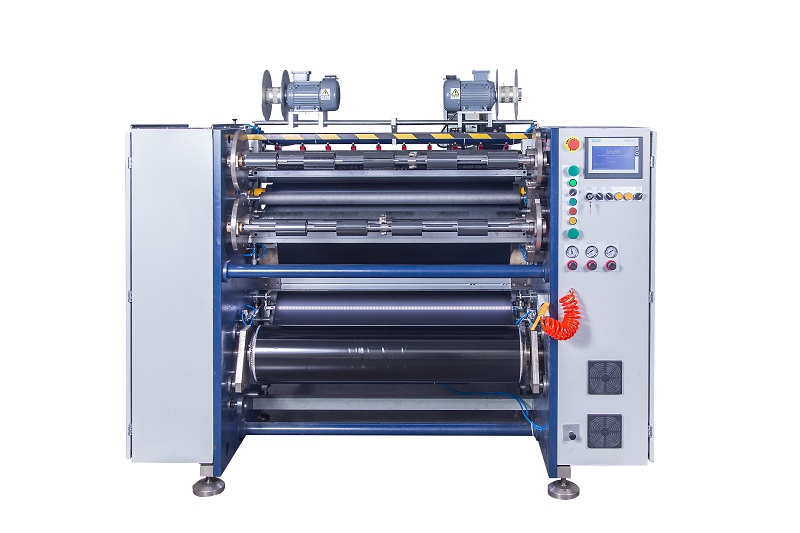 Semi-Auto TTR Slitter RSDS2 Plus
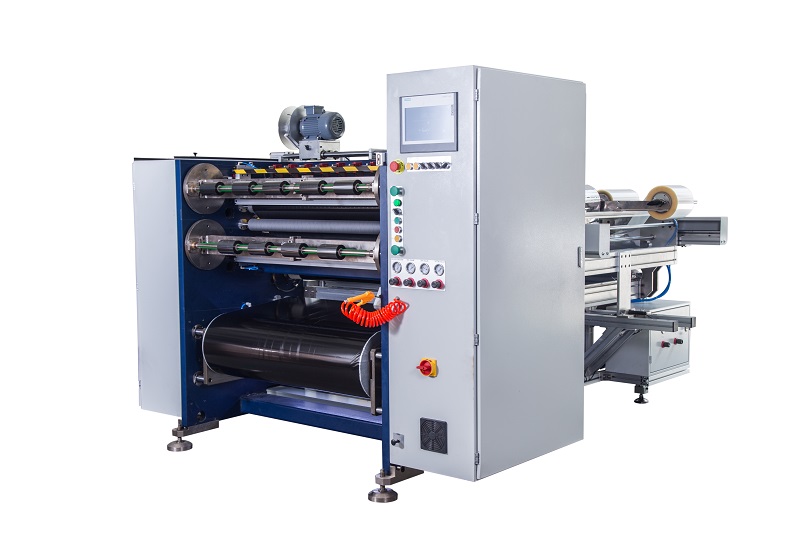 Semi Automatic TTR Slitter RSDS5 Plus
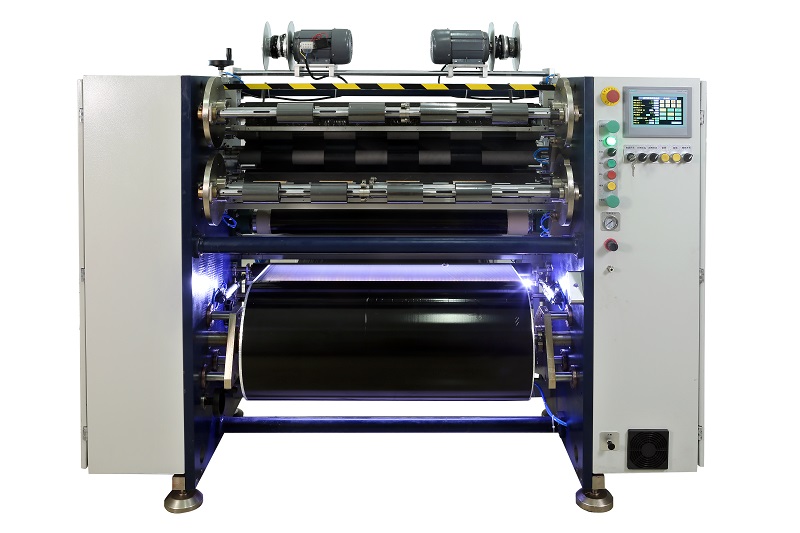 Manual TTR Slitter RSDS2
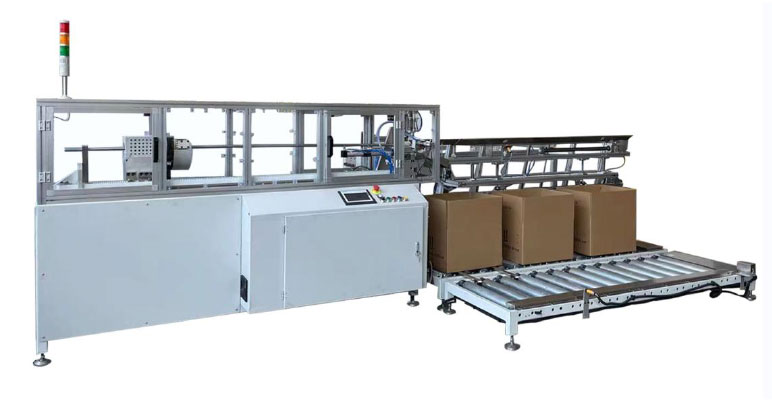 Auto Paper Core Cutter
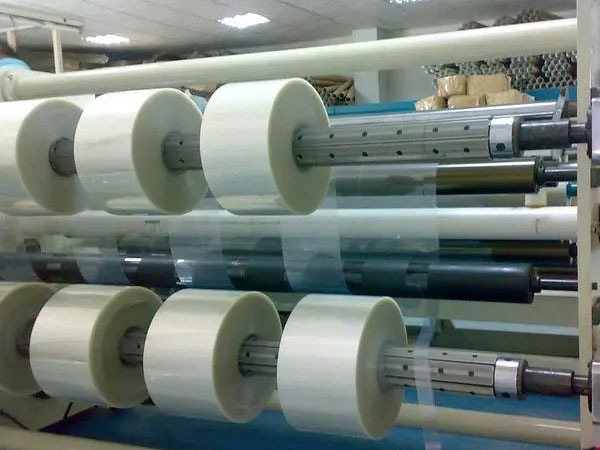 Film Slitting Machine



 +86 135 9951 7291
 support@delishgroup.com
 +86 135 9951 7291