08. July, 2026delish0
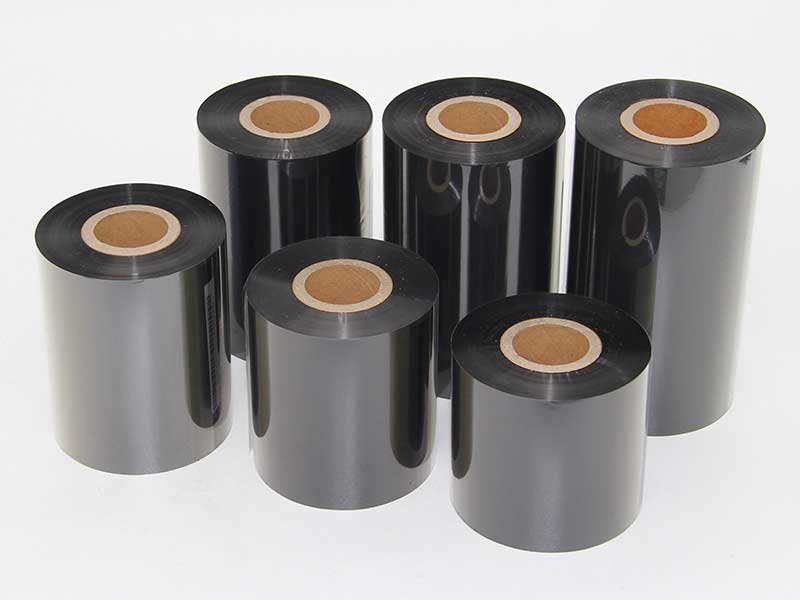
In heat transfer ribbon production, slitting is a key process to convert wide-width rolls into the specifications required by customers. The ribbon substrate is typically PET film of 4.5~10μm, which is easy to stretch and wrinkle, making tension control and cutting precision the two core challenges during slitting. Frequent unplanned downtime not only lowers production efficiency but also causes considerable material waste. This article starts with a root cause analysis of downtime, focusing on tension control, tool management, equipment maintenance, and automation upgrades, systematically outlining methods to improve the efficiency of ribbon slitting machines.
1. Identify the root cause: analyze the root causes of downtime
The first step to improving efficiency is to figure out where all your time goes. According to industry statistics, among non-planned shutdowns of ribbon slitting machines, ribbon breakage accounts for the highest rate, reaching 60%; Poor winding/unwinding accounts for about 25%; False alarms from electrical and sensor systems account for about 15%.
Frequent strip breakage often stems from uncontrolled tension—excessive tension directly stretches or even breaks the substrate, while burrs, glue scale, or carbon powder clumps on the rollers can scratch the ribbon, becoming a cause of breakage. Uneven winding manifests as displacement of the end layers, tower-shaped, or "daisy-core" folds, usually related to unreasonable tension taper settings or unreasonable unwinding shafts and guide rollers. As for electrical false alarms, static interference is a common "invisible killer"—the static generated by high-speed slitting not only attracts dust but also interferes with sensor signals, causing false triggers and shutdowns.
2. Tension Control: The "Fixed Star" of Slitting Mass
Tension control is the soul of the slitting process. For narrow band slitting (width below 10mm, even as low as 4-6mm), tension control is the key factor determining success or failure. Narrow bands have extremely weak lateral rigidity and are highly sensitive to tension fluctuations; the stress generated by the same tension changes on the narrow band is much greater than in the wide band.
The core strategy is to upgrade open-loop control to a closed-loop tension system. Traditional open-loop torque motor control struggles to handle tension fluctuations caused by changes in roll diameter, but closed-loop vector frequency converters combined with floating roller tension feedback can achieve real-time PID adjustment, keeping tension fluctuations within ±0.5N. For ribbons of different widths and thicknesses, a process parameter library should be established, with multiple tension formulations stored in advance for one-click recall.
In practice, narrowband slitting follows the principle of "low tension, precise control," and usually reduces the unwinding tension to 60%-70% of conventional broadband. At the same time, S-curve acceleration and deceleration control is enabled to avoid tension spikes during start-stop operations, greatly reducing the risk of strip breakage.
3. Tool Management: Good knives produce good work
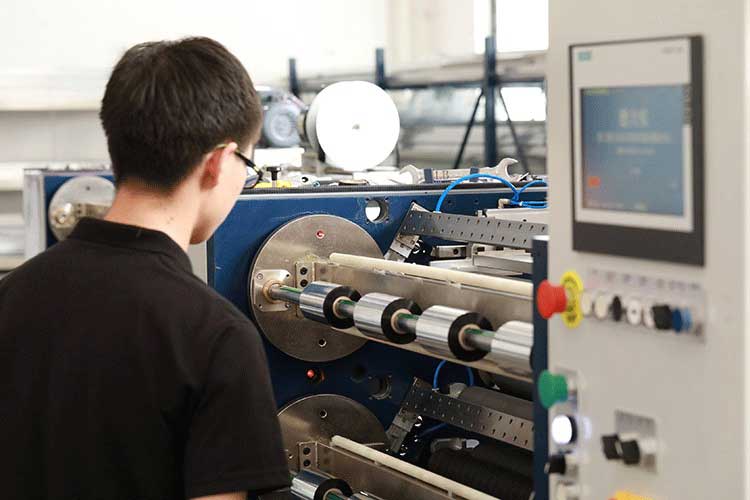
Uneven cutting edges (burrs, serrations, powder shedding) are the most direct quality issues, often rooted in the cutting tools. Blunt blades turn "cutting" into "compression," causing edge stretching and deformation, which not only affects appearance but may also trigger subsequent belt breakage.
Efficient tool management should be approached from three aspects. First, establish a standard tool gap adjustment specification—recommended overlap between upper and lower blades is 0.01~0.03mm, lateral clearance is 0.02~0.05mm, and must be checked before each shift starts. Second, establish a tool life ledger, recording the number of grinding times and the number of meters used for each tool. It is strictly forbidden to forcibly slice with blunt blades. Third, consider upgrading tool materials—high-hardness tungsten steel inserts can last three times longer than ordinary inserts, and automatic sharpening devices can grind the blade edge online to ensure cutting consistency.
4. Preventive maintenance: eliminate faults at the source
Effective maintenance should shift from "post-event repairs" to "preventive maintenance," which can be summarized in eight words: "cleaning, lubrication, adjustment, and tightening."
Daily cleaning is the lowest-cost form of maintenance. Each shift, use over 95% alcohol to wipe all rollers and guide wheels, remove carbon powder and adhesive scale, and prevent scratches and deviation; At the same time, clean the inverter and servo driver cooling filters to prevent dust blockages that could trigger overheating alarms. Tension sensors require weekly inspection of installation screws and zero calibration without film penetration—if sensor data is inaccurate, even the best control system cannot exert force.
Establishing a hierarchical maintenance system is also crucial: operators perform daily inspections (cleaning, air pressure checks, abnormality monitoring), technicians are responsible for weekly/monthly maintenance (deep cleaning, lubrication, blade inspection), and professional engineers complete quarterly/annual calibrations (tension system, deviation correction system, bearing replacement). Practice has proven that systematic closed-loop tension control and tool positioning system upgrades, supplemented by standardized inspection procedures, can reduce unplanned downtime by over 90%, and maintain a finished product rate above 98%.

5. Automation Upgrade: Seeking efficiency through intelligence
Once basic management is in place, automation upgrades are the lever for achieving efficiency leaps. The automatic tool change system is the fastest and most effective investment—traditional slitting requires stopping the machine to manually adjust the tool holder, whereas the automatic tool holder allows one-click input of slitting plans, reducing tool change time from minutes to seconds, making it especially suitable for small batches and multi-variety orders. The intelligent visual inspection system can monitor quality in real time during high-speed slitting, automatically adjust and correct deviations, reducing manual inspection time and lowering defect rates by 50%.
Overall, by implementing key subsystem upgrades in stages, equipment overall effectiveness (OEE) can be improved by 35%-40%, changeover time shortened by over 60%, and a 30% increase in overall production efficiency is no empty talk.
Conclusion
There is no shortcut to improving the efficiency of ribbon slitting machines; it is the result of the synergy of mechanical precision, tension control, tool condition, and maintenance systems. It is recommended that enterprises start by establishing a "narrow band slitting parameter table," and simultaneously implement the management system of "fixed personnel, fixed machines, and fixed responsibilities" for the optimal combination of curing parameters for different widths and materials. Once the foundation is solid, gradually advance automation upgrades. Only in this way can the slitting machine truly transform from a "bottleneck of frequent downtime" into a "stable and efficient flow production node."
 English
 Deutsch
 Français
 Español
 Português
 日本語
日本語 русский
 한국어
한국어 عربي
عربي ภาษาไทย
 Tiếng Việt
 Italiano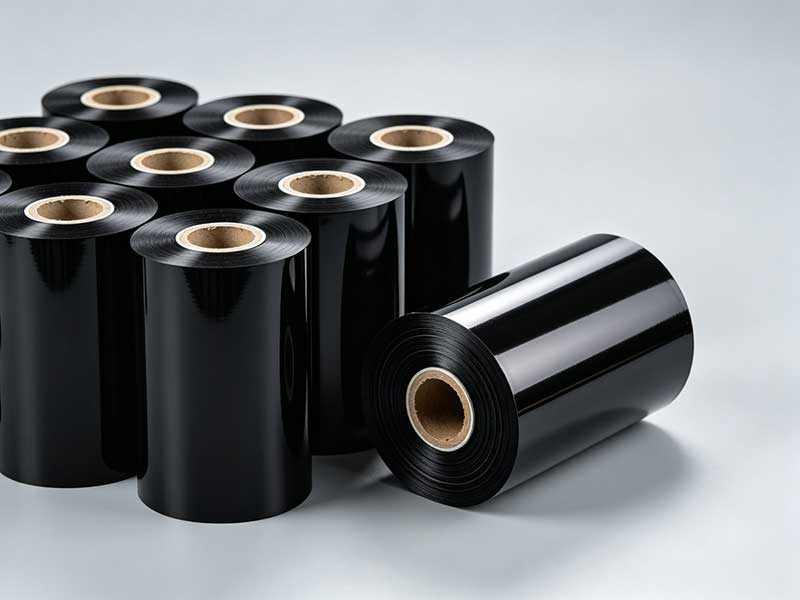
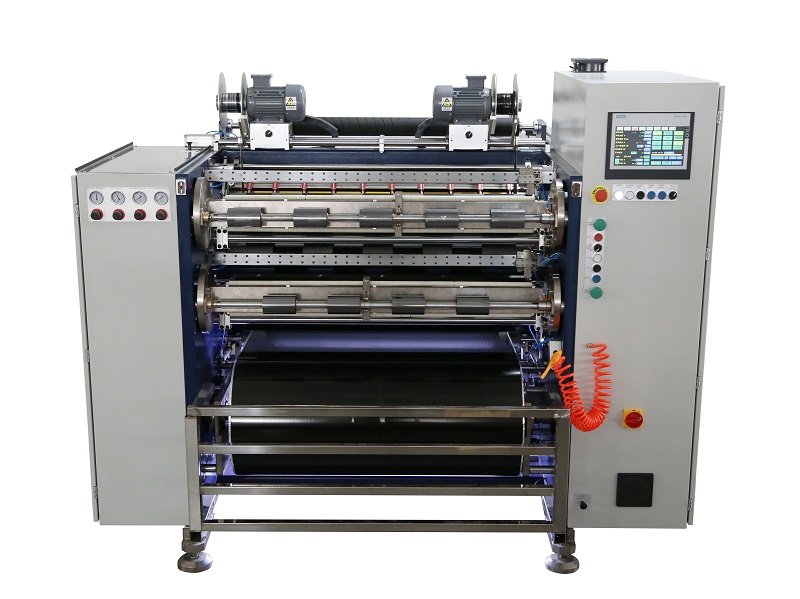 Fully Automatic TTR Slitter RSDS8 Plus
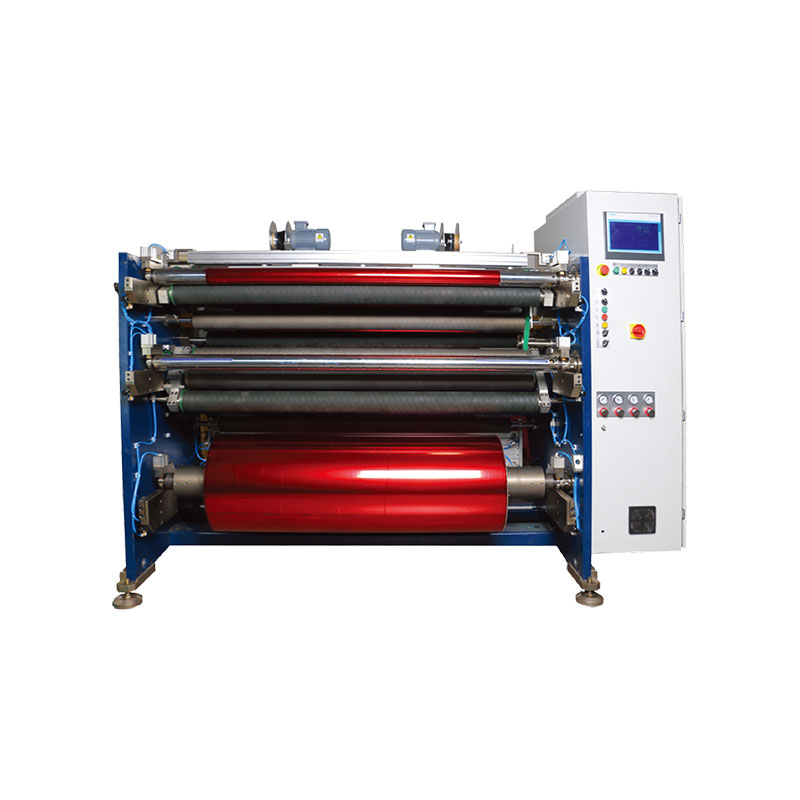 Hot Stamping Foil Slitter 1600mm
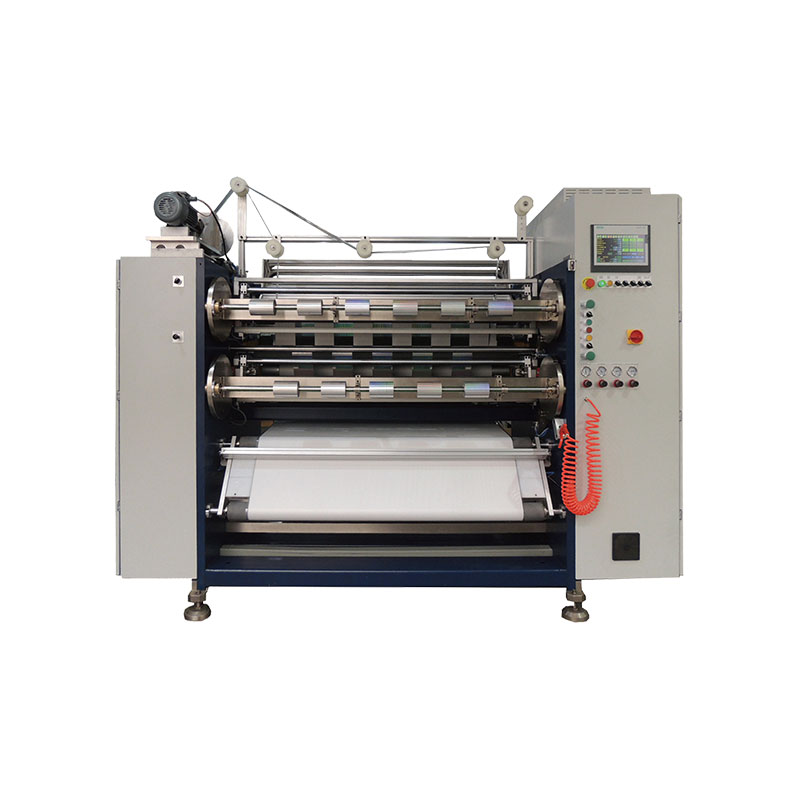 Hot Stamping Foil Slitter (4 Shafts)
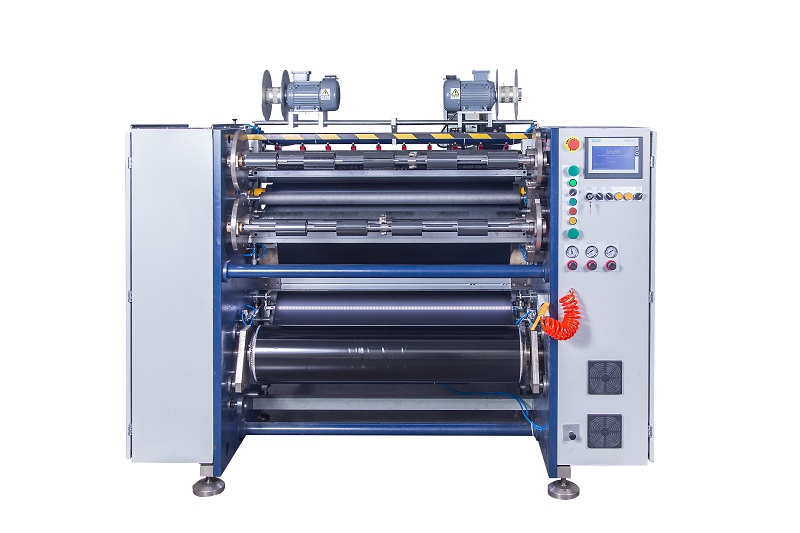 Semi-Auto TTR Slitter RSDS2 Plus
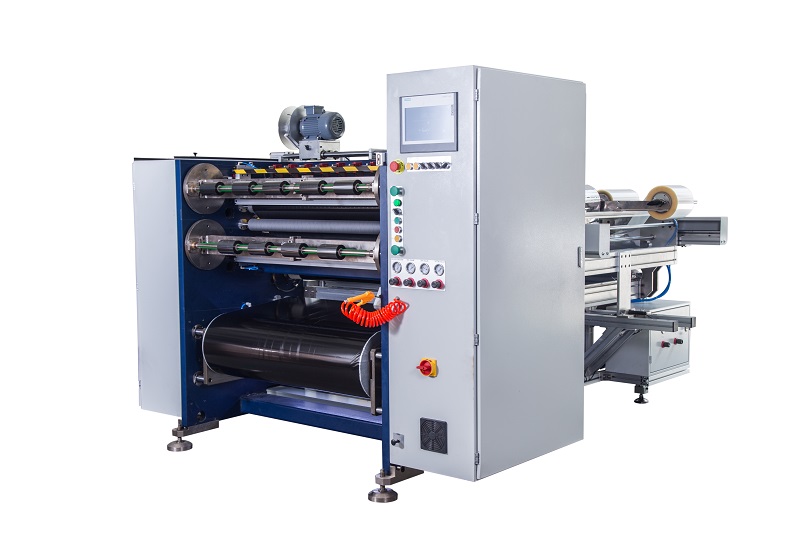 Semi Automatic TTR Slitter RSDS5 Plus
 Manual TTR Slitter RSDS2
 Auto Paper Core Cutter
 Film Slitting Machine



 +86 135 9951 7291
 support@delishgroup.com
 +86 135 9951 7291