20. July, 2026delish0
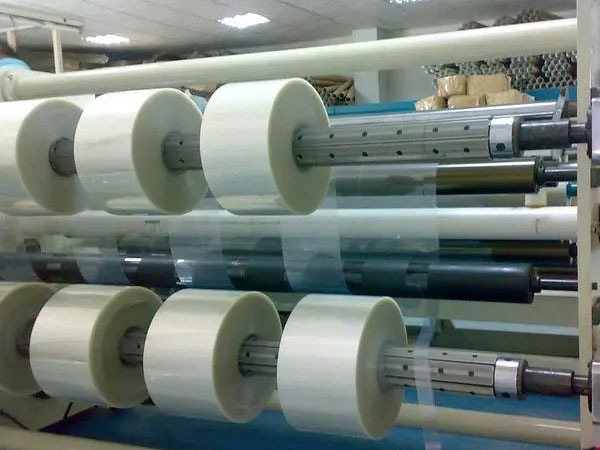
In the barcode printing, label production, and packaging industries, ribbon slitting machines play a crucial role in bridging the chain—they cut wide ribbon master rolls into the narrow specifications required for the end, and their performance directly affects the quality of finished products and production efficiency. However, in traditional views, speed and precision are often seen as the two ends of the "seesaw": speeding up often sacrifices precision, while demanding precision limits capacity. Today, with breakthroughs in tension control, intelligent control, and core component technologies, high speed and high precision are no longer just a single choice, but have become a "win-win" goal achieved simultaneously through systematic technical solutions.
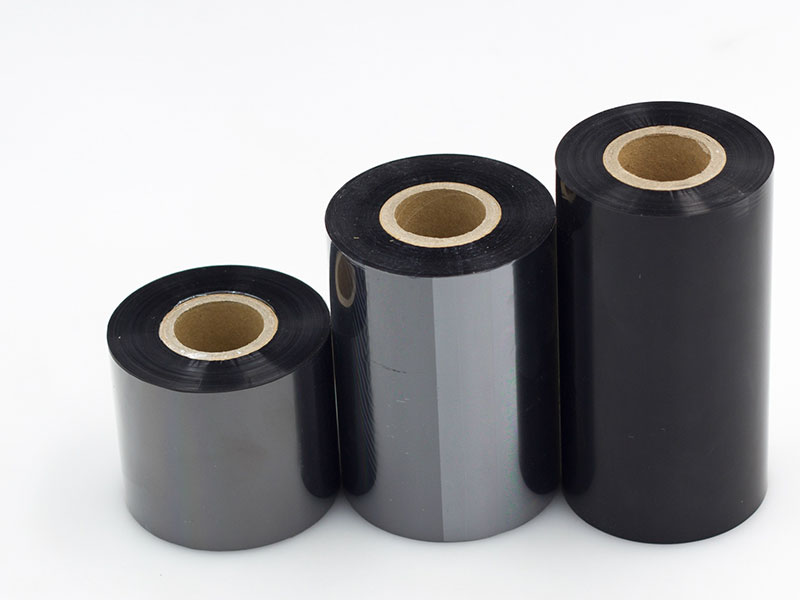
1. Tension Control: The cornerstone of stability
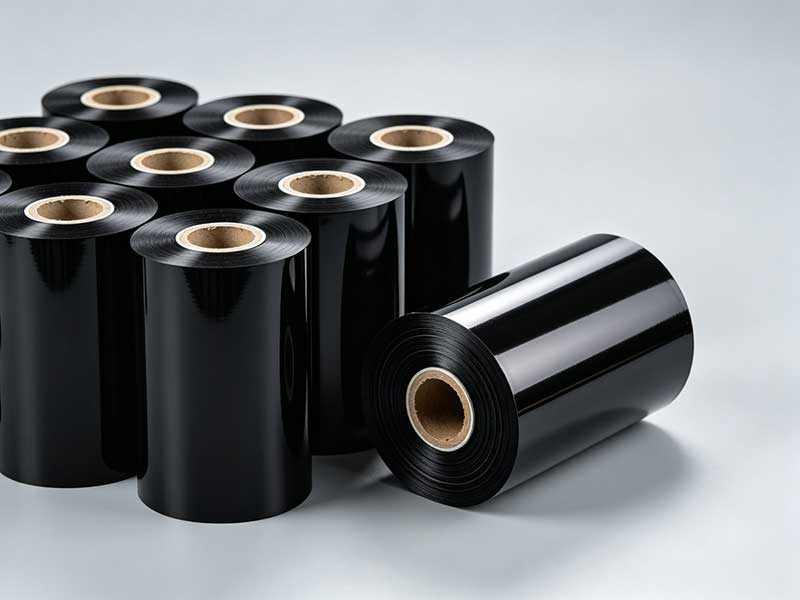
Carbibion is a multilayer composite material (PET substrate + coating + ink) that is extremely sensitive to tension. If the tension is too high, it is prone to stretching, deformation, or even breakage; if too small, it leads to loose winding and uneven edges. The precision of tension control directly determines the upper and lower limits of slitting mass.
The core solution of modern high-speed slitting machines is a closed-loop tension control system. It detects ribbon tension in real time through high-sensitivity tension sensors or floating roller mechanisms, feeds the data back to the PLC controller, and then the servo motor precisely adjusts the speeds of unwinding, traction, and rewinding, forming a closed-loop constant tension regulation. More refined equipment also adopts segmented tension control strategies: the unwinding section uses low tension to prevent stretching, the slitting zone maintains constant tension to ensure stable cutting, and the winding section implements taper tension control—gradually reducing tension as the winding diameter increases to prevent inner layer from being compressed or deformed.
The patented technology also introduces a buffer start/stop distance setting, providing a certain number of buffer meters during the start-stop phase to ensure smooth transition between speed and tension, avoiding tension shocks caused by sudden acceleration or deceleration, thereby ensuring consistent tolerances for the entire roll.
2. Cutting System: Dual Guarantee of Sharpness and Stability
The cutting execution end is the direct link that determines edge quality. Traditional mechanical knives are prone to wear and produce burrs and dust at high speeds, while modern slitting machines solve this problem through material and structural innovation.
For tool materials, those coated with super-hard alloy or diamond can control the edge roundness within 0.5μm, greatly improving wear resistance and cutting sharpness. In terms of tool structure, the suspended blade (blade suspended contact material) is a common method for ribbon slitting. Combined with a pneumatic constant pressure tool holder, it ensures uniform cutting pressure.
For ribbons prone to sticking to resin-based and other types, anti-stick knife technology is also applied—heating blades (50~80°C) or applying Teflon coatings to reduce coating adhesion. At the same time, the high-efficiency dust removal and static elimination system is an auxiliary step to ensure accuracy: negative pressure adsorption and ion air rods promptly remove cutting debris, preventing dust from contaminating the ribbon ink layer or electrostatic dust adsorption affecting subsequent print quality.
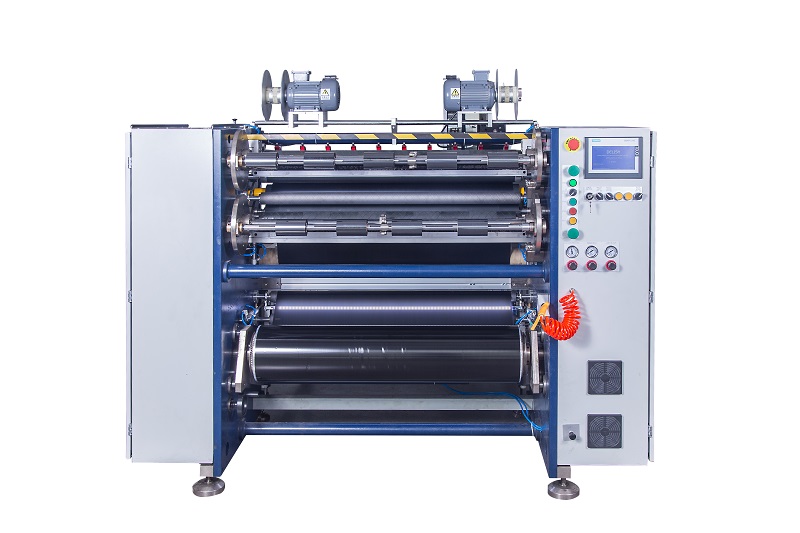
3. Correction and Vision: The "Eyes" for Precise Positioning
During high-speed operation, the ribbon is prone to lateral offset (serpentine traversal), and the correction system acts as the "helmsman" to ensure the precise path of the belt.
The mainstream solution uses infrared + CCD dual sensors: infrared detects PET substrate edges, CCD detects ink coating patterns, and the combination achieves correction accuracy of ±0.1mm. Photoelectric or ultrasonic sensors detect edge positions in real time and quickly adjust the guide rollers via servo correction mechanisms to ensure the ribbon always runs along the predetermined trajectory.
More advanced intelligent devices also integrate AI vision inspection systems, scanning the ribbon coating uniformity in real time during slitting, automatically marking defects such as pinholes and scratches, and even fine-tuning parameters through algorithms, turning "post-event inspection" into "in-process control."
4. Intelligentization: Empowering Devices with a 'Brain'
If the mechanical and electrical systems are the "body" of the slitting machine, then the intelligent control system is its "brain," determining whether the body can work together precisely and efficiently.
Modern slitting machines generally use a PLC + touchscreen control architecture, allowing operators to set parameters and call recipes with one click, reducing order switching times to under one minute. High-end devices also feature AI parameter self-optimization, learning the optimal slitting parameter combinations for ribbons made from historical data.

5. Data support brought by technological integration
The comprehensive application of these technologies has delivered convincing results in real-world testing. Significant data differences compared to traditional equipment and fully automatic high-speed slitting machines:
• Slitting speed: Traditional equipment 80~120m/min, fully automatic high-speed machines can reach 250~400m/min, improving by over 150%;
• Finished product rate: increased from 85~90% to ≥98%;
• Rewinding efficiency: Traditional manual rewinding takes about 3 minutes per roll, but fully automatic dual-station winding enables 0-second automatic switching.
| Indicators | Traditional ribbon slitting machines | Fully automatic high-speed slitting machine | Improvement level |
| Slitting speed | 80~120m/min | 250~400m/min | +150% |
| Finished product rate | 85%~90% | ≥98% | +10%~13% |
| Reroll efficiency | 3 minutes per roll | 0 seconds (automatic switching) | 100% |
Conclusion
The path for ribbon slitting machines to achieve both speed and precision is now clear: based on precise tension control, executed by high-performance cutting systems, guaranteed by intelligent correction and visual inspection, and guided by AI-powered control systems, forming a high-speed, high-precision closed loop from perception and decision-making to execution. This is not only a leap in equipment performance, but also an inevitable choice for the ribbon processing industry to move toward intelligent and lean production.
 English
 Deutsch
 Français
 Español
 Português
 日本語
日本語 русский
 한국어
한국어 عربي
عربي ภาษาไทย
 Tiếng Việt
 Italiano
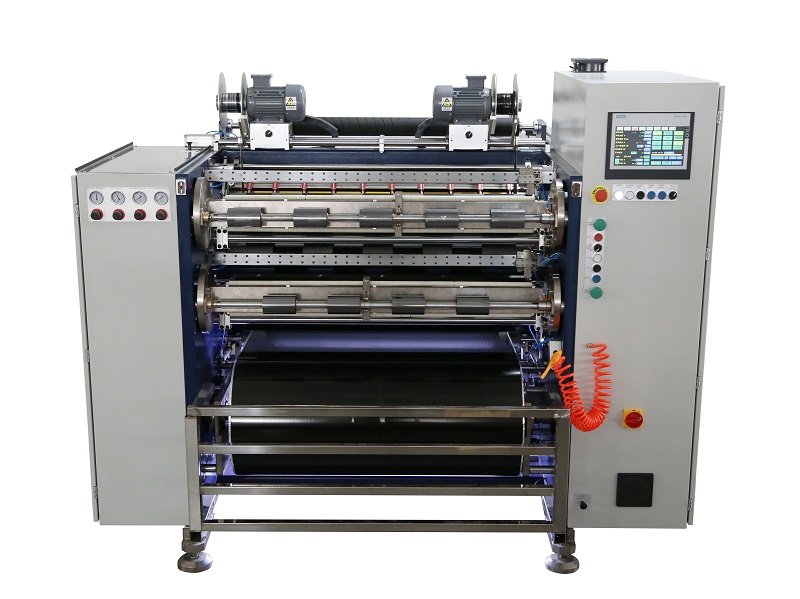 Fully Automatic TTR Slitter RSDS8 Plus
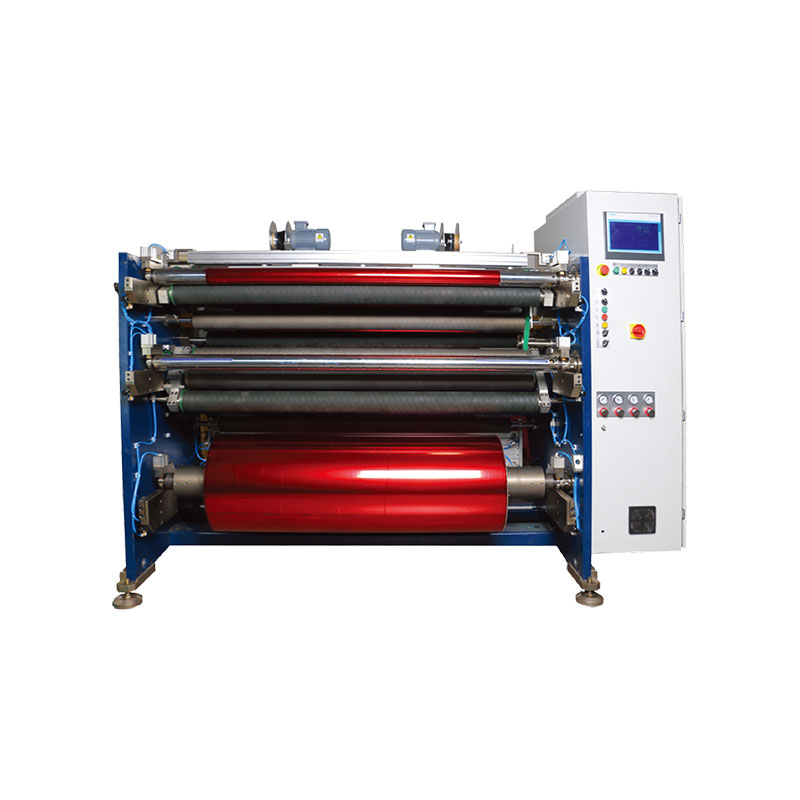 Hot Stamping Foil Slitter 1600mm
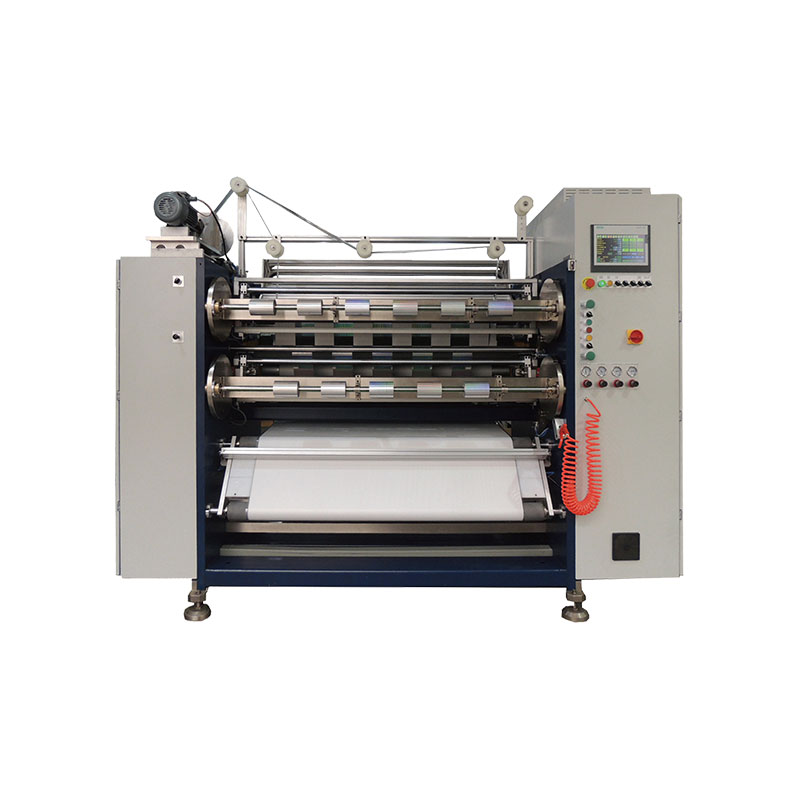 Hot Stamping Foil Slitter (4 Shafts)
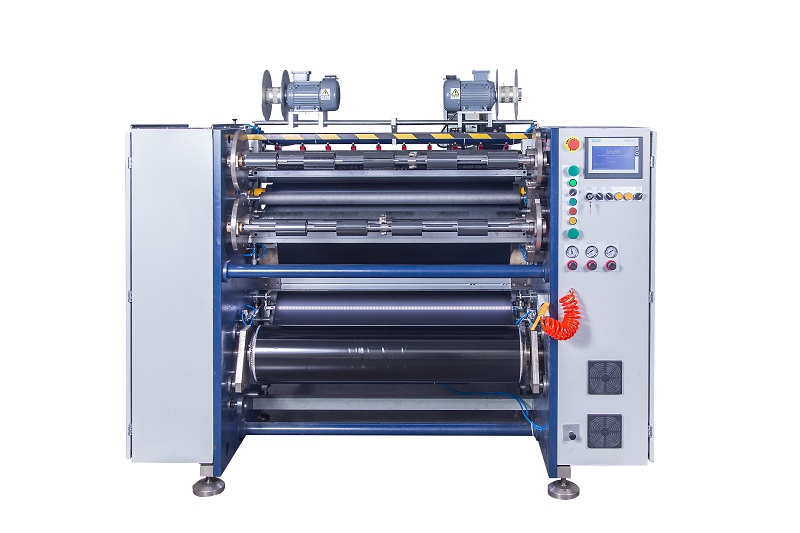 Semi-Auto TTR Slitter RSDS2 Plus
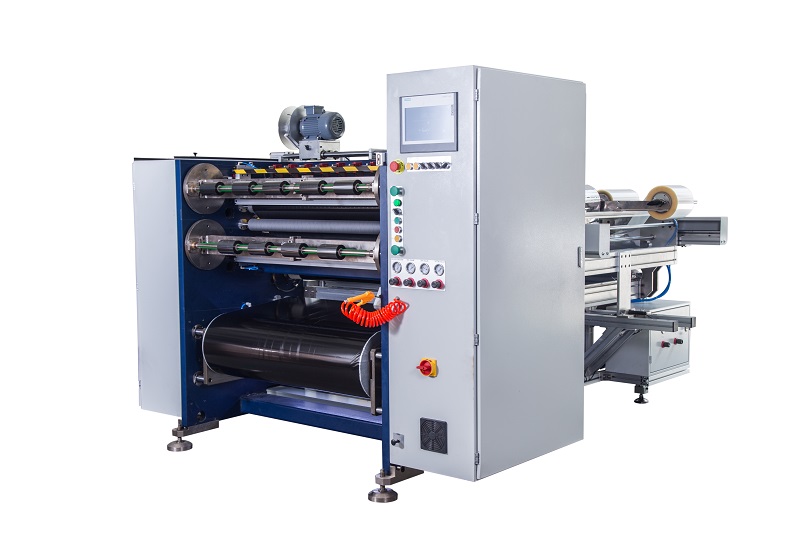 Semi Automatic TTR Slitter RSDS5 Plus
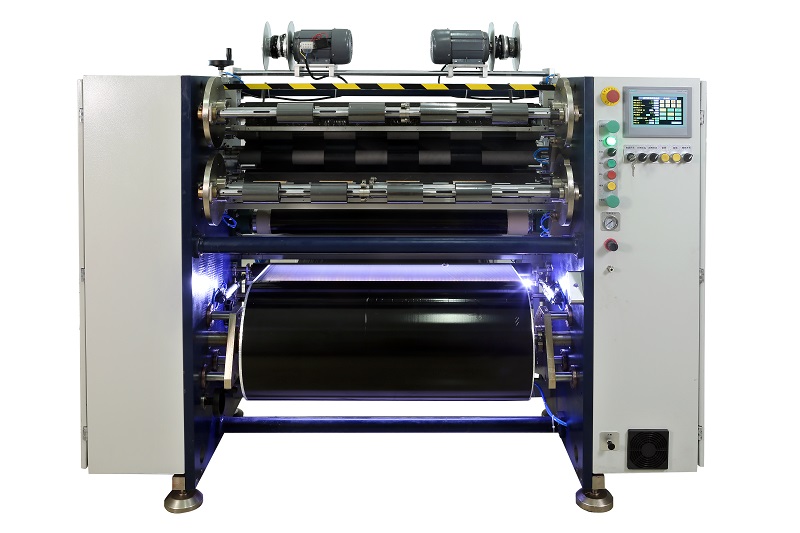 Manual TTR Slitter RSDS2
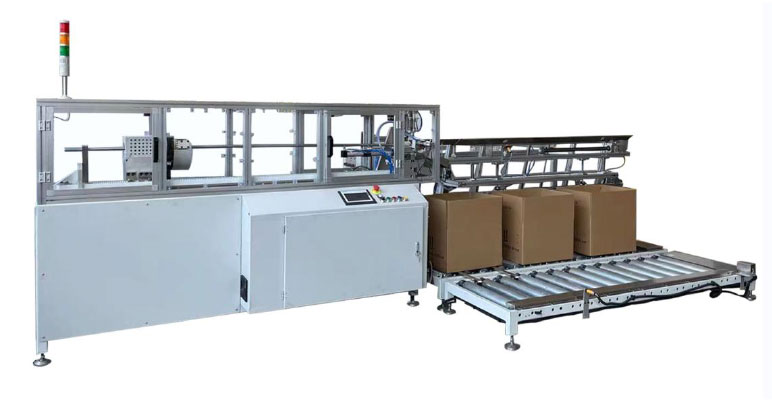 Auto Paper Core Cutter
 Film Slitting Machine



 +86 135 9951 7291
 support@delishgroup.com
 +86 135 9951 7291