04. August, 2026delish0
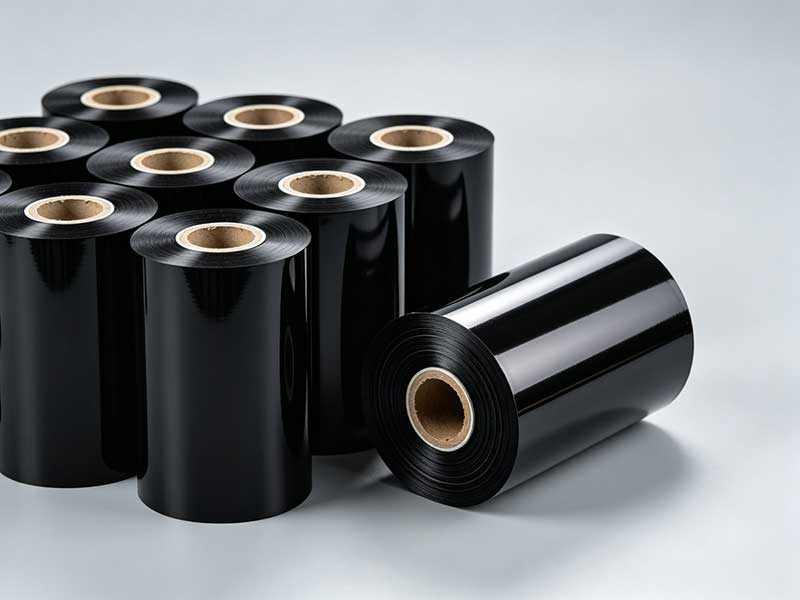
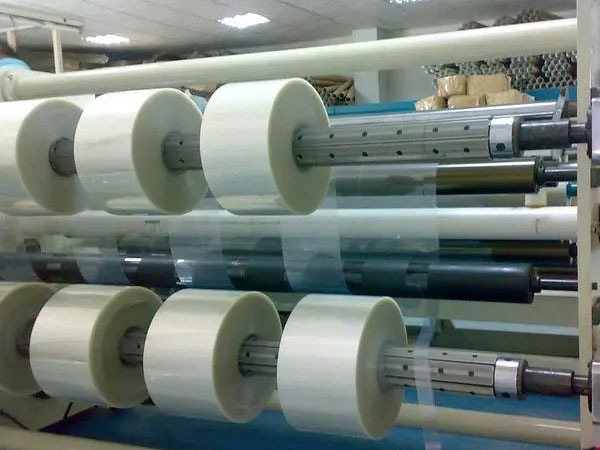
In the world of thermal transfer printing, wax-based, hybrid-based, and resin-based ribbons are like three distinctly distinct "ingredients," each with its own temperament—wax-based is as soft as silk, resin-based is as hard and brittle as glass, and hybrid is somewhere in between. To precisely cut these wide-format master rolls into small rolls for barcode printers, the cutting machine requires not just brute force for "one-size-fits-all" cuts, but a smart system tailored to individual needs.
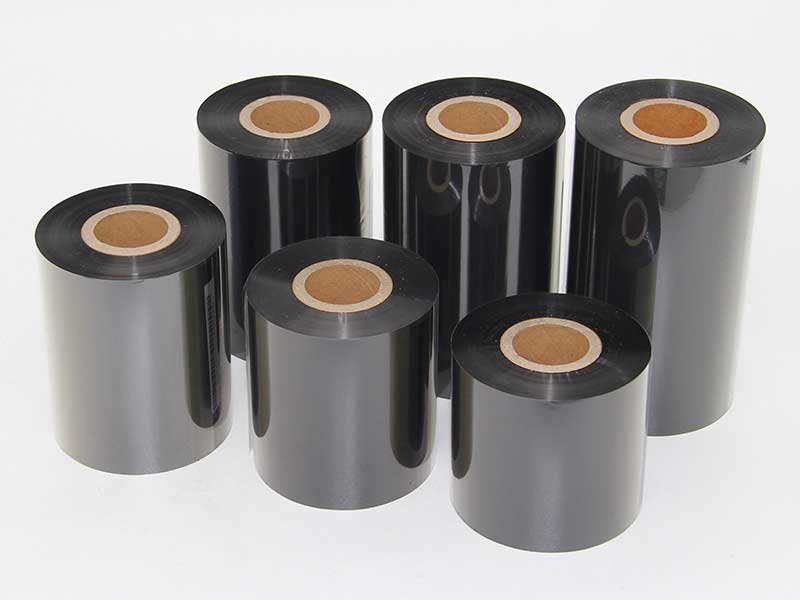
The "personality differences" of the three types of ribbons
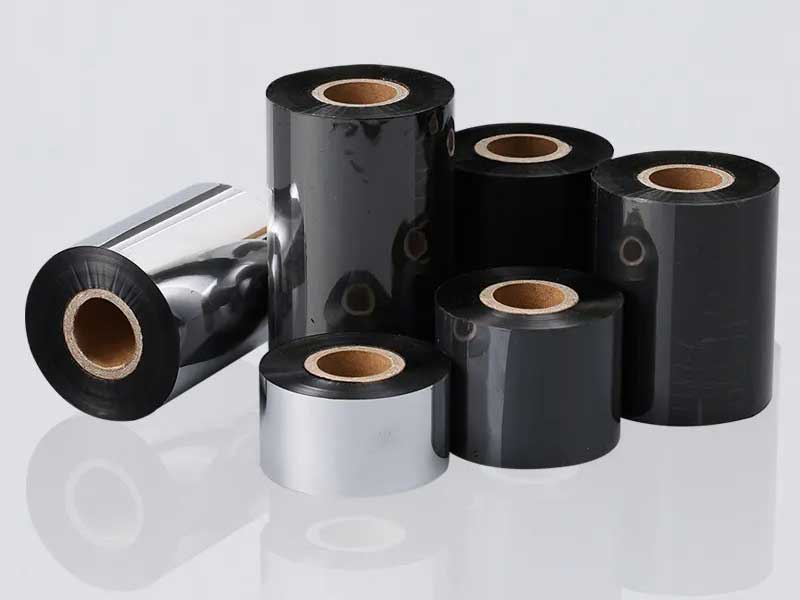
The core structure of the ribbon is to coat an ink layer onto PET film, but the coating formulas and physical properties of the three ribbons are completely different. Wax-based ribbons are mainly made of wax, have a low melting point (about 60-110°C), are soft and highly ductile, but are extremely sensitive to tension and can stretch and deform if not handled carefully. Resin-based ribbons are mainly resin-based, with high hardness, scratch resistance, and wear resistance, but they are quite brittle, making them prone to edge burrs or even brittle cracks during slitting. Hybrid-based carbon ribbons fall between the two, with the most complex characteristics, requiring a balance of flexibility and hardness.
This difference means that if the same slitting machine uses the same parameters "in one go," either the wax base is pulled into a "rubber band" or the resin base is made into "sawtooth edges."
Adaptation of three elements: tension, knife technique, and synergy with the environment
Tension Control: From "Tactile Feel" to "Closed Loop"
Tension is the core control parameter for ribbon slitting. If the tension is too high, the PET base film on the ribbon can be stretched and damaged, causing powder to shed during printing; If the tension is too low, the ribbon will loosen and easily wrinkle.
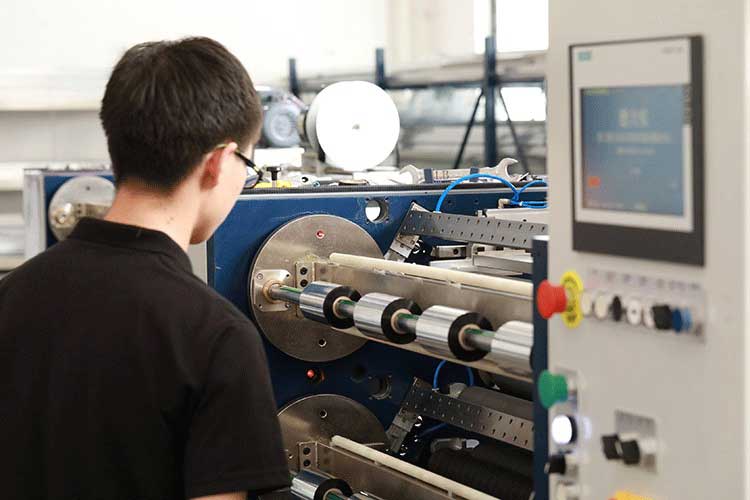
Modern slitting machines use closed-loop tension control systems, using high-precision sensors to monitor and dynamically adjust tension in real time. For different ribbons, the equipment implements differentiated "tension strategies": wax-based ribbons use low-tension + rapid slitting mode to avoid stretching deformation; Resin-based ribbons require constant temperature slitting + slow cutting to reduce the risk of brittle cracking; Hybrid-based ribbons rely on adaptive adjustment systems to find a balance between flexibility and hardness.
More advanced equipment even uses segmented tension control: the tension in the unwinding, slitting, and rewinding zones is different, and the winding area also uses taper control—the initial tension is slightly higher and decreases linearly as the diameter increases, ensuring consistent tightness between the inner and outer layers. Magnetic particle clutch technology is a key component for achieving precise tension, effectively controlling the tension required for slitting and reducing wrinkles.
Knives and Cutting: A Knowledge Beyond Sharpness
Wax-based ribbons are soft, and ordinary blades are sufficient; However, resin-based carbon ribbons are hard, so blade dullness or improper angle can directly cause edge burrs and coating cracking. One solution is the use of diamond-coated inserts, which triple the lifespan, while the blade angle can be adjusted to 15°-20°, using single-sided bevel cutting to reduce edge stress.
The cutting speed also needs to vary depending on the material. Resin-based ribbons need to be gradually adjusted at an initial speed (e.g., ≤50m/min), and if necessary, preheat the ribbon to 40-50°C to improve the cutting performance of brittle materials. For ribbons as thin as 4-20 microns, some specialized equipment uses razor-style blades for fine slitting.
Environment and Aid: Invisible Influences
Ribbon slitting has strict requirements for environmental cleanliness and temperature and humidity. Cleanroom workshops can prevent dust adsorption that can cause white print spots; A constant temperature and humidity environment (23±2°C, RH50±5%) can reduce delamination caused by material expansion and shrinkage. Static electricity is also a major enemy of ribbon slitting. Static eliminators (such as ion bars) can reduce the adsorption of debris during cutting, ensuring smooth end surfaces.

From "manual parameter tuning" to "intelligent adaptation"
Traditional slitting machines rely on the experience of experienced craftsmen to manually adjust parameters, while the new generation ribbon slitting machines have moved toward intelligence. Some high-end models can be optionally equipped with RFID or visual recognition modules that automatically read ribbon roll labels and call preset parameters, reducing manual setup errors. The equipment establishes a process database and records the optimal slitting parameters for each material, enabling "one-click switching" for multiple materials and widths.
Slitting accuracy has also improved from the early ±0.1mm to ±0.05mm, combined with laser-assisted positioning and real-time thickness monitoring, automatically compensating for thickness deviations.
Conclusion
The way to adapt ribbon slitting machines essentially lies in a deep respect for material properties. Wax bases should be "soft," resin bases "stable," and mixed bases "balanced"—each has its own approach. Through precise tension control, tool selection, and environmental management, the slitting machine is no longer a rough cutting tool but an intelligent partner capable of understanding and adapting to the "character" of materials. Adaptation is not about compromise, but about allowing every material to find its own perfect form in the slitting process.
 English
 Deutsch
 Français
 Español
 Português
 日本語
日本語 русский
 한국어
한국어 عربي
عربي ภาษาไทย
 Tiếng Việt
 Italiano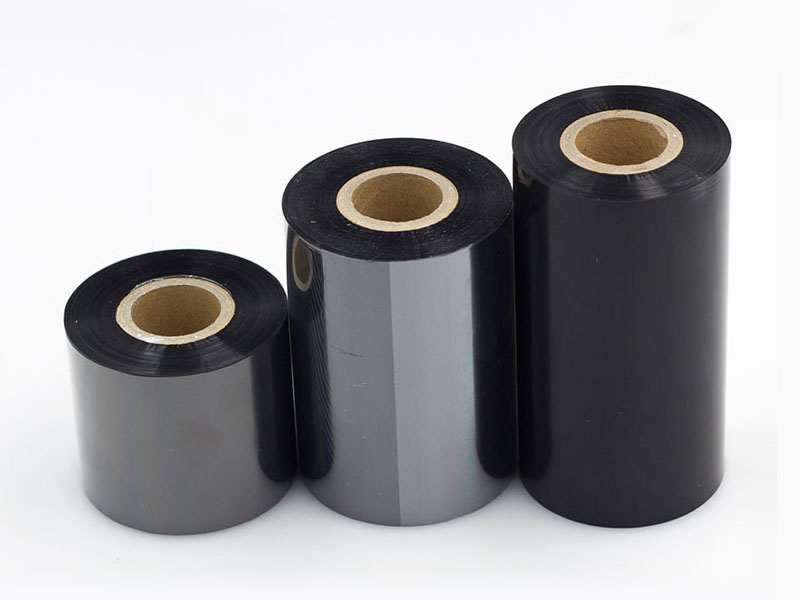
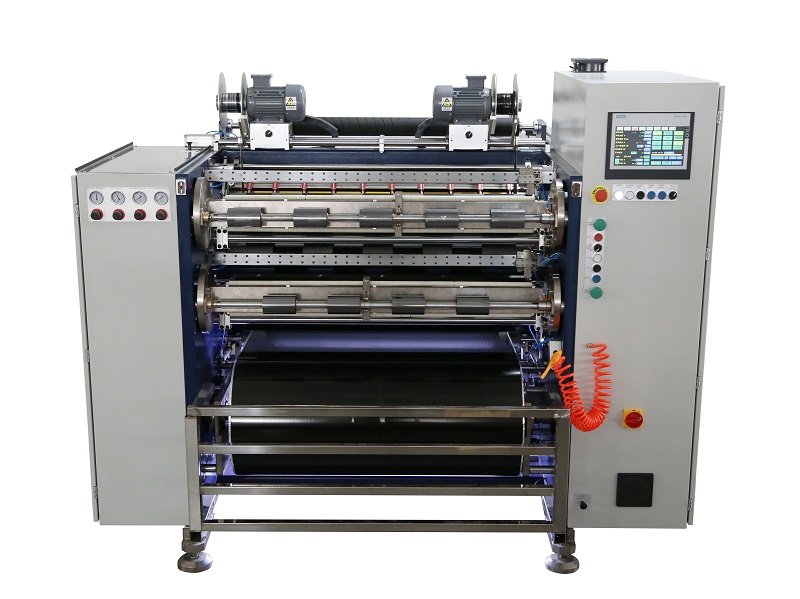 Fully Automatic TTR Slitter RSDS8 Plus
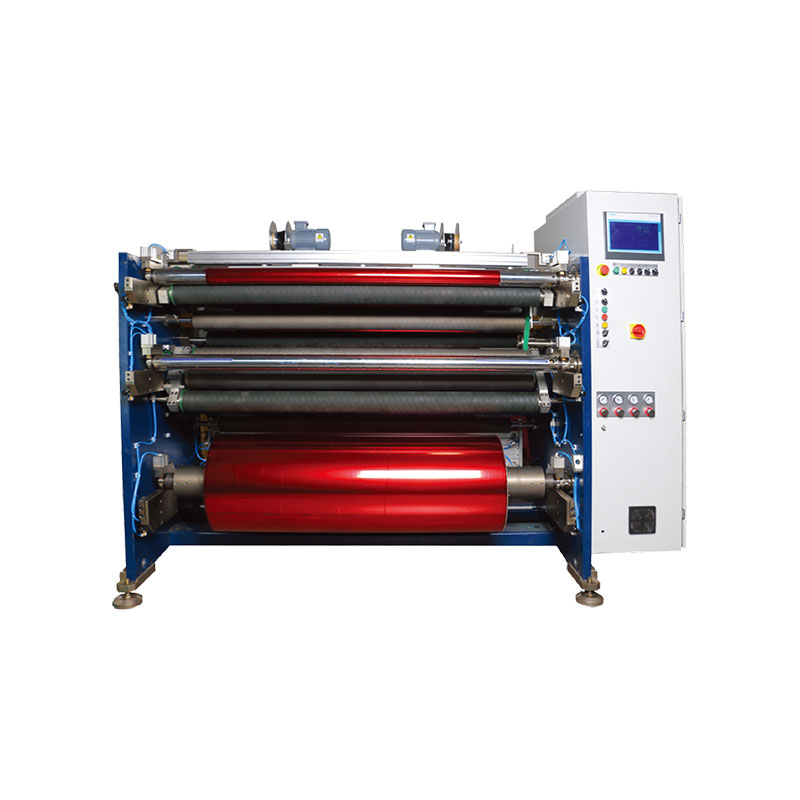 Hot Stamping Foil Slitter 1600mm
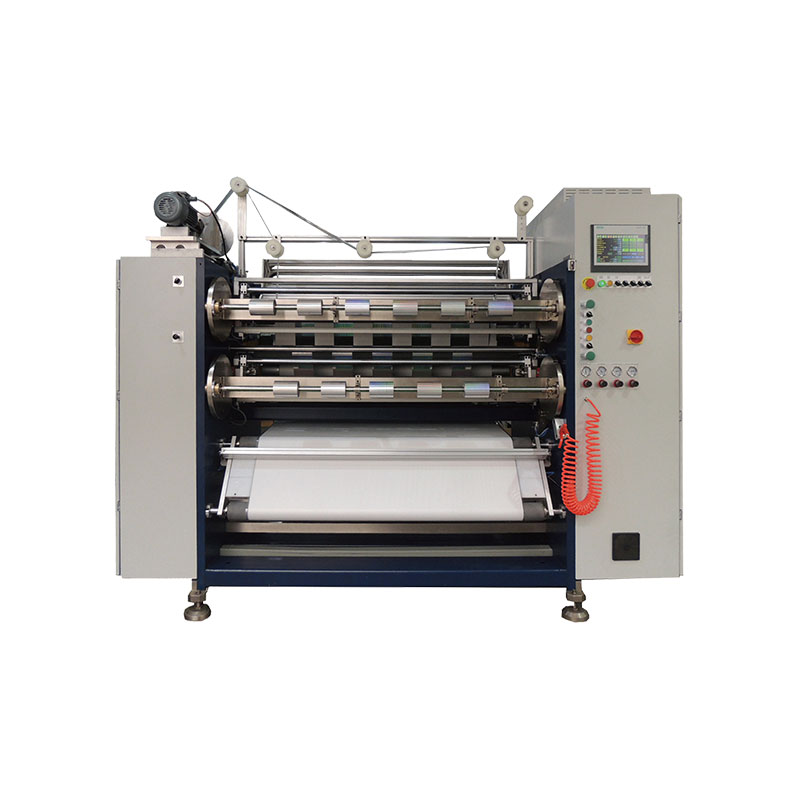 Hot Stamping Foil Slitter (4 Shafts)
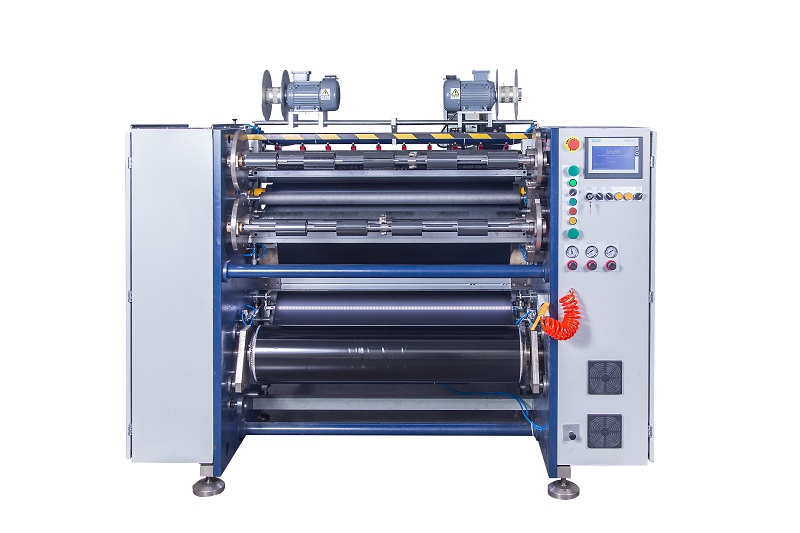 Semi-Auto TTR Slitter RSDS2 Plus
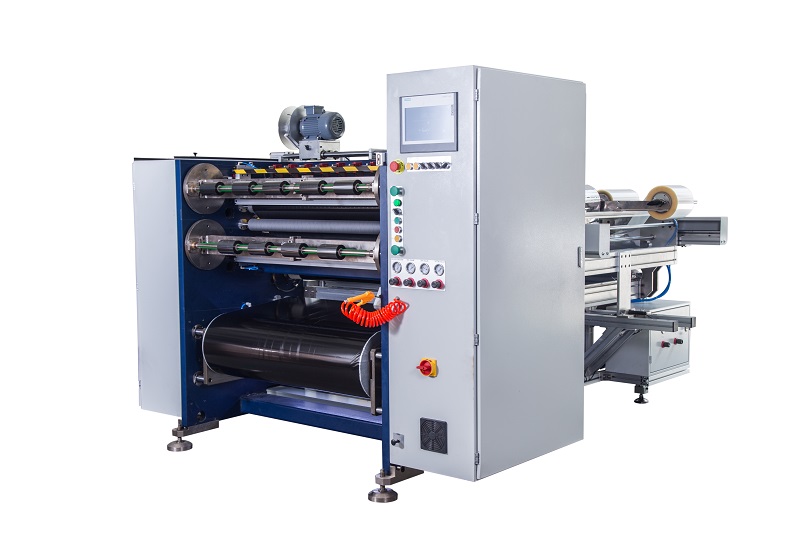 Semi Automatic TTR Slitter RSDS5 Plus
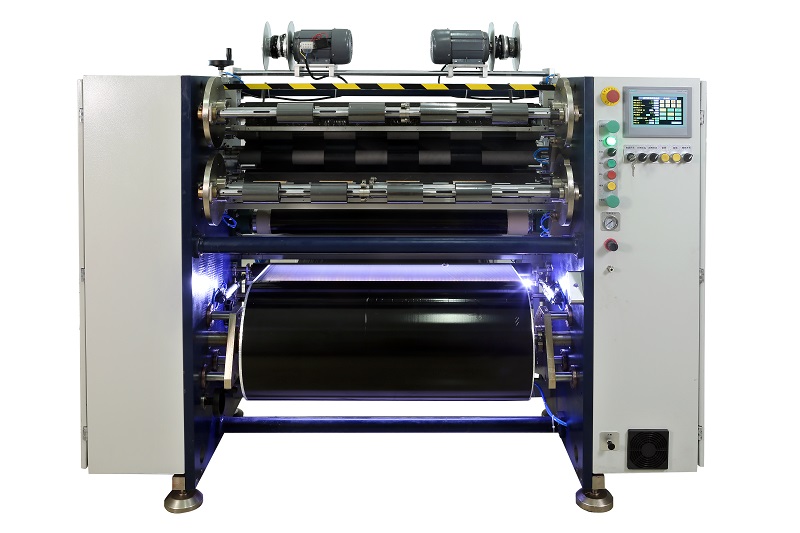 Manual TTR Slitter RSDS2
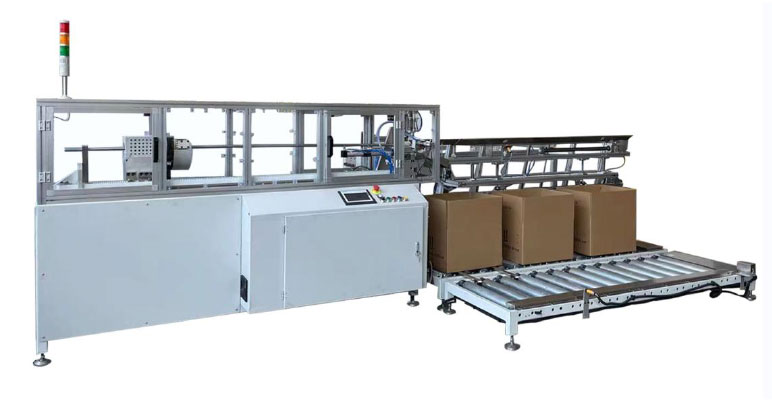 Auto Paper Core Cutter
 Film Slitting Machine



 +86 135 9951 7291
 support@delishgroup.com
 +86 135 9951 7291