20. August, 2026delish0
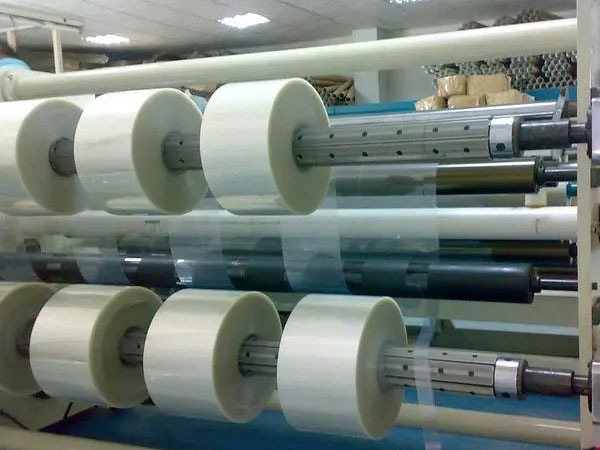
Slitting is the final step in film production and a key link in determining the quality of the finished product. Choosing the right slitting machine means stable production efficiency and controllable yield rates; If you choose the wrong one, film breakage, wrinkles, and misalignment may become commonplace.
This article covers material matching, core technical parameters, common misconceptions, and acceptance procedures to help you clarify the selection approach for film slitting machines.
1. First, understand the "nature" of your materials
The first step in selecting a slitting machine is not to look at the equipment parameters, but to first study the characteristics of your own materials. Different film materials have vastly different equipment requirements.
• Rigid films (such as PET, BOPP, BOPA): These materials have high stiffness and require high-rigidity tools and powerful winding systems. The thinner the thickness (e.g., below 12μm), the higher the required tension control accuracy; The thicker the thickness (e.g., above 250μm), the more it tests tool life and spindle rigidity.
• Soft films (such as PE, CPP): Soft and easy to stretch, requiring extremely high sensitivity for tension control. If the tension is slightly too high, it can cause stretching deformation or wrinkling. When winding, taper tension control is needed to prevent tightness inside and looseness outside.
• Metallized films (such as aluminized films, capacitive films): The metal surface layer is highly prone to burrs and scratches, so anti-static designs and special tools are required.
• High value-added films (optical films, lithium battery separators): have nearly stringent requirements for cleanliness, scratch-free, and dust-free films. Contact parts require chrome or ceramic coating, with dust removal systems and static elimination rods as standard.
Selection Advice: Clearly provide suppliers with your material type, thickness range, width, and special requirements; this is the foundation for equipment matching.
2. Lock in five core technical parameters
After clarifying the material properties, the following core parameters can be used to screen the equipment.
1. Tension Control—The "Brain" of the Slitting Machine
Tension control is the soul of slitting quality, directly affecting whether the winding is neat and whether the material is deformed. The key is to ask "what method" of tension control is actually used, rather than just listening to "presence or non-existence" of tension control.
| Control methods | Features | Applicable scenarios |
| Open-loop torque/magnetic particle braking | Low cost, but cannot detect actual tension fluctuations, resulting in low accuracy and slow response | Low-speed, low-demand scenarios; not recommended for high-demand scenarios |
| Closed-loop servo tension control | Real-time feedback from the tension sensor and dynamic adjustment by PLC provide true constant tension assurance | Standard equipment for mid-to-high-end equipment, suitable for high-speed, high-precision slitting |
Standard PET film slitting speeds of 200-400m/min can meet most production needs, eliminating the need to blindly pursue high speed. However, if your material is a lithium battery separator, you may need to choose a dual servo + tension sensor configuration, with a speed range of 20-80m/min.
2. Slitting Method—Applying the "Knife" According to the Material
• Razor (pneumatic knife): Low cost, fast speed, suitable for thin plastic films and paper with a thickness of < 100μm.
• Round Blade (Shear Type): Upper and lower blades engage with smooth cuts, suitable for general films such as PET and BOPP, as well as thick films (over 100μm).
• Ultrasonic knife: anti-delamination, pollution-free, suitable for ultra-thin or easily layered materials (such as ≤ 2μm film).
3. Slicing precision—suitable for the dish and rice
Slitting precision directly determines the quality of the finished product. Standard packaging film requires ±0.5mm; Consumer electronics capacitor film requires ±0.1mm; High-frequency, high-voltage capacitors and optical films need to reach within ±0.02mm.
4. Slitting speed—faster is not always better
Standard slitting machines operate at speeds of 150-300 m/min, while high-speed machines can reach over 800 m/min. However, what should be focused on is the long-term stability of the equipment at the nominal speed, not the peak speed. Blindly pursuing high speed while neglecting stability can lead to edge burrs and uncontrolled tension.
5. Rolling Method — Determining the "Appearance" of the Finished Roll
• Central winding: driven by the shaft core, precise tension control ensures maximum versatility.
• Surface winding: Driven by contact rollers, suitable for materials that are prone to deformation or large roll diameters, effectively removing air between membranes.
• Center + Surface Rewinding: High-end model combination solution balancing precision and loading quality.
3. Avoid these four common pitfalls when choosing a model in 2026
Misconception 1: Blindly believing in "maximum width" and "maximum speed"
• Width trap: The "maximum machine width" and the "effective slitting width" of the equipment are two different things. The effective slitting width should be at least 50-100mm larger than the main roll width, making it easier to pass through the film and adjust it.
• Speed traps: Many quality issues occur precisely during start-up, stop, and low-speed stages. Rather than focusing on top speed, it's better to focus on low-speed stability and acceleration/deceleration performance.
Misconception 2: Taking "tension control" as the answer
Don't accept vague terms like "tension control." They asked whether it was an open-loop or closed-loop, whether it was equipped with a physical tension sensor, and required a live demonstration of tension response at different speeds.
Misconception 3: Only knowing how to "choose blades," neglecting "tool holders" and "correction"
• Blade holder rigidity: Insufficient blade holder rigidity can cause edge roughness and powder shedding. High-quality tool posts are made of alloy steel with overall quenching + fine grinding treatment, while inferior tool posts use ordinary cast iron, which is prone to deformation and loosening.
• Correction accuracy: Standard models have a correction accuracy of ±0.2~0.5mm, while high-end models can reach over ±0.05mm. During model selection, follow-up question: "Is the correction system digital?" What is the repeatability in millimeters? ”
Misconception 4: Overlooking "Blade Microscopic Geometry"
The blade material directly determines the quality of the end face and the frequency of tool changes. For BOPP or CPP films, diamond inserts (PCD) are recommended. Although the unit price is higher, tool change downtime is reduced by 70%.
IV. Selection Decision Checklist and Key Acceptance Points
Six key questions to clarify before choosing:
1. What is the expected minimum slit width?
2. What are the expected maximum finished roll diameter, weight, and production speed?
3. Which cutting method is best suited for your material?
4. What level of automation is needed (manual/semi-automatic/fully automatic)?
5. Is it necessary to integrate the downstream finished product processing system?
6. What is the budget scope and payback period?
The "trial cutting" step during acceptance is essential:
Trial cutting with material is the only standard for verifying accuracy. Don't just look at the numbers in the brochure; bring your most difficult materials to the site to verify the actual effect. Key Observations:
• Flatness of the film roll end surface after slitting (with or without ruffles)
• Tension stability during winding (with or without chrysanthemum patterns)
• Formation of edge burrs/crystal dots
5. Conclusion
Selecting a film slitting machine is a systematic project that requires finding a balance between material suitability, precision, efficiency, cost, and long-term development. It is recommended to take the following steps: clarify the requirements list→ conduct on-site inspections of 2-3 suppliers→ bring your own materials for sample testing→ conduct a lifecycle cost analysis (total cost of ownership over 3-5 years), →and confirm performance guarantee clauses and acceptance standards in contracts.
Under the major trends of intelligent and green manufacturing, the new generation of film slitting machines is evolving toward higher precision, lower energy consumption, and higher automation. We hope this guide helps you make informed decisions about equipment procurement in 2026.
 English
 Deutsch
 Français
 Español
 Português
 日本語
日本語 русский
 한국어
한국어 عربي
عربي ภาษาไทย
 Tiếng Việt
 Italiano
 Fully Automatic TTR Slitter RSDS8 Plus
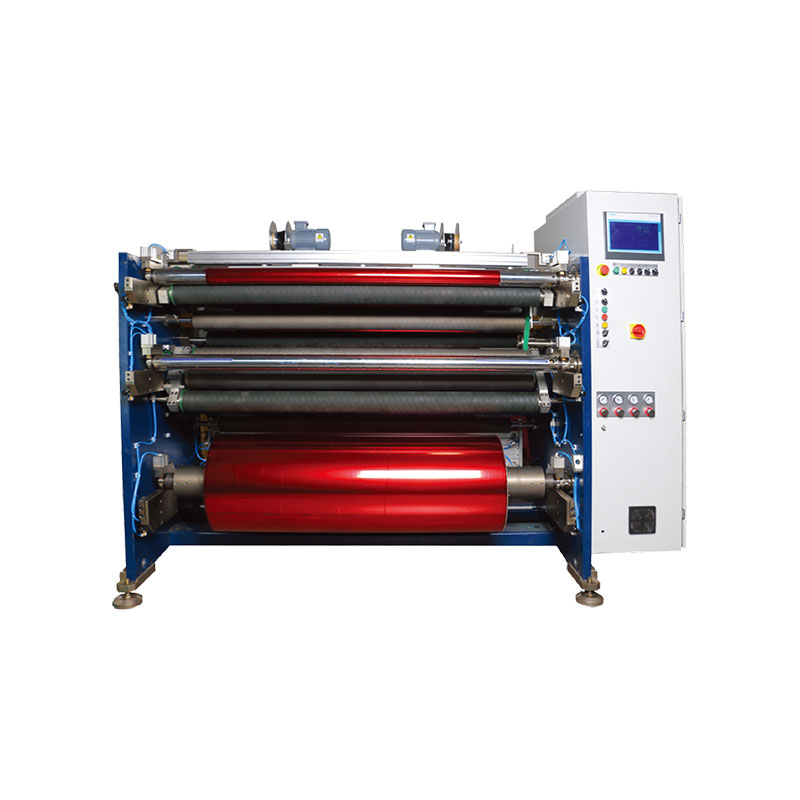 Hot Stamping Foil Slitter 1600mm
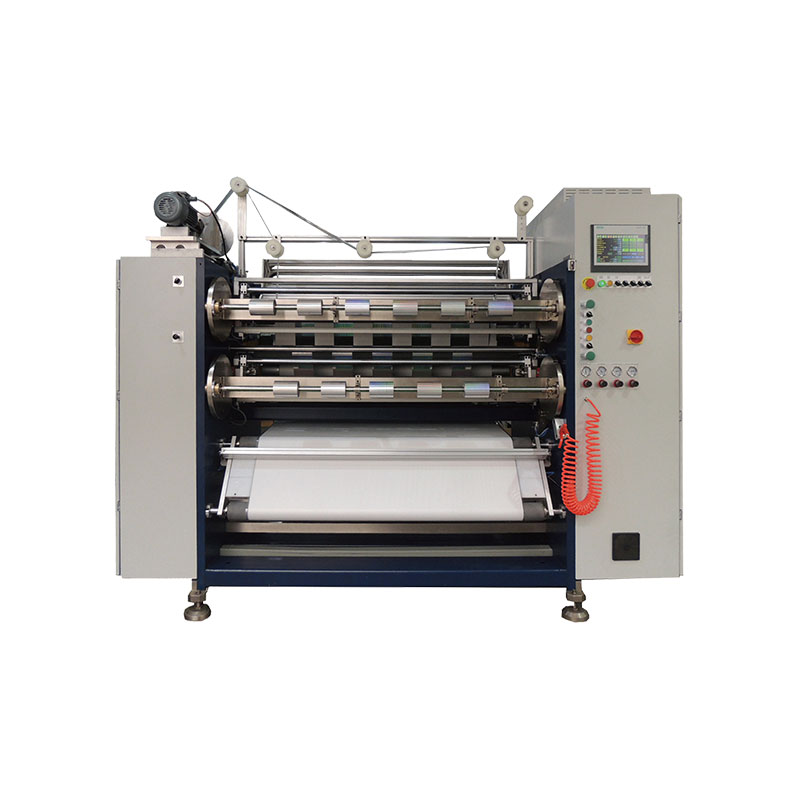 Hot Stamping Foil Slitter (4 Shafts)
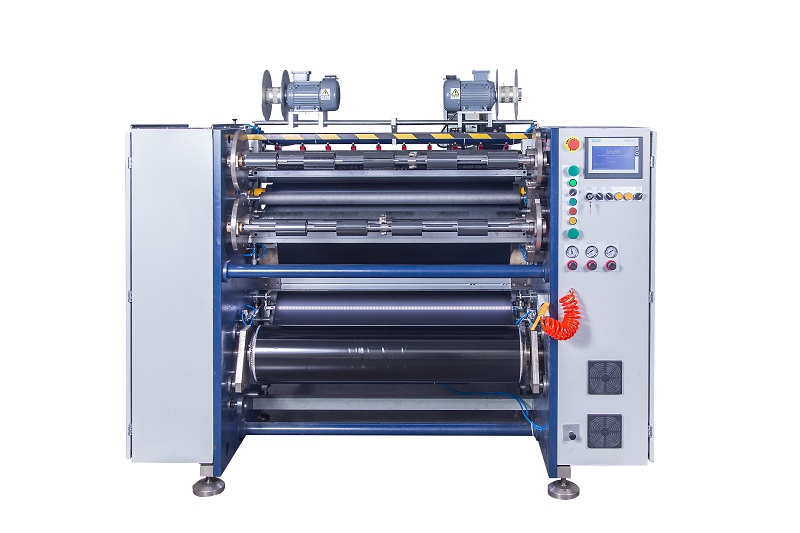 Semi-Auto TTR Slitter RSDS2 Plus
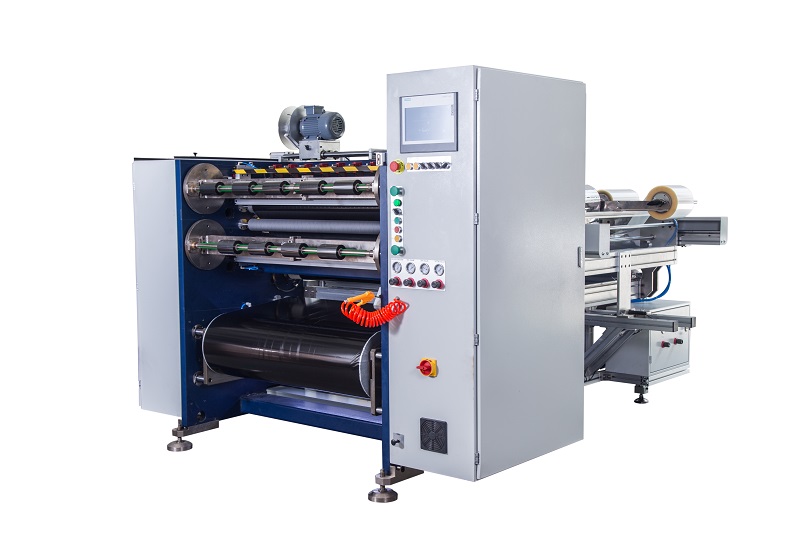 Semi Automatic TTR Slitter RSDS5 Plus
 Manual TTR Slitter RSDS2
 Auto Paper Core Cutter
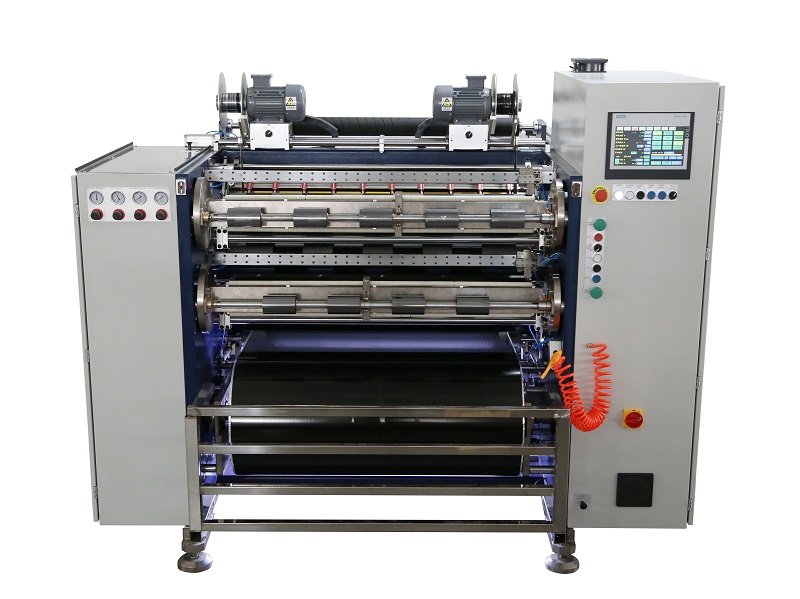
 Film Slitting Machine



 +86 135 9951 7291
 support@delishgroup.com
 +86 135 9951 7291