12. October, 2026delish0
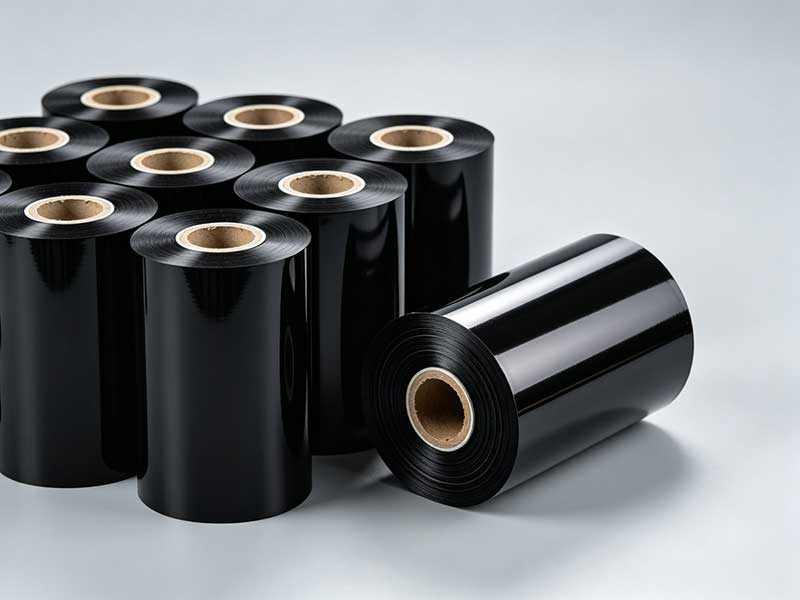
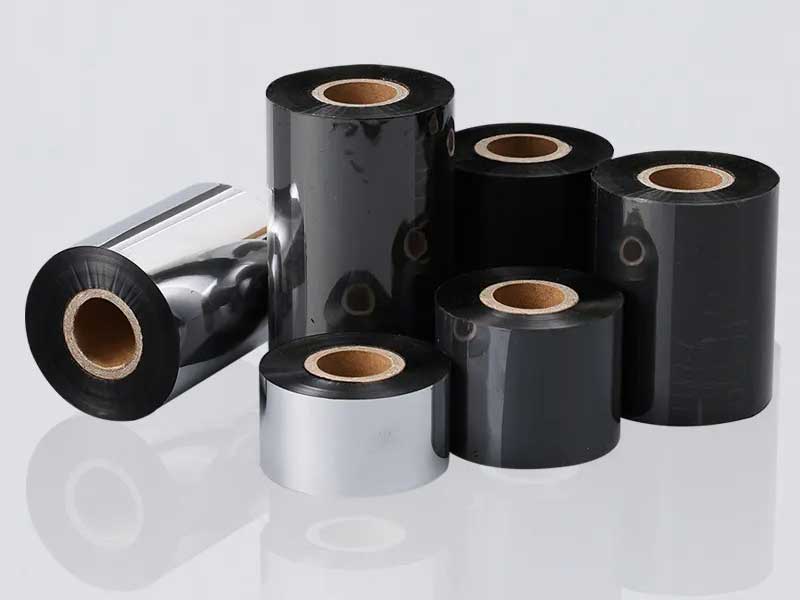
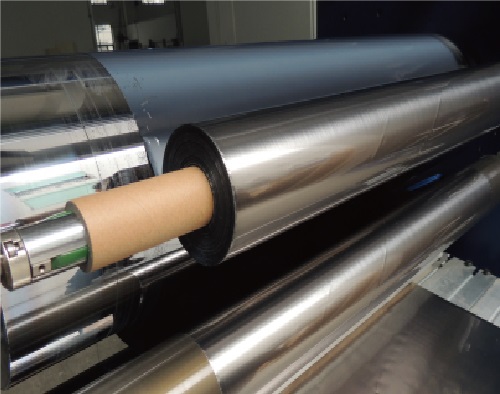
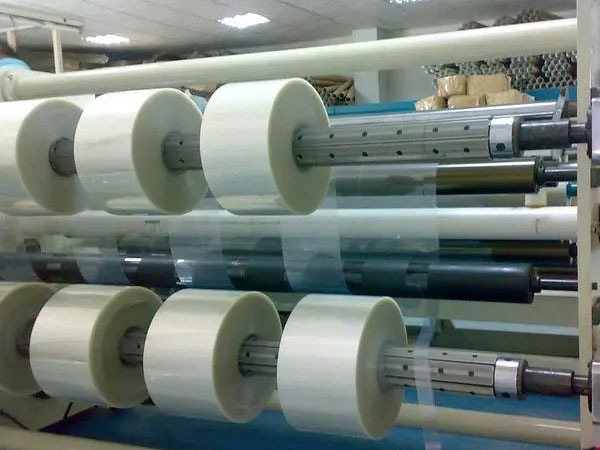
In the thermal transfer printing industry chain, ribbon slitting machines play the "final step" role. It precisely cuts the wide ribbon master roll into small rolls suitable for various barcode printers. The quality of the slitting directly determines whether the ribbon breaks easily in the printer, whether white lines or indentations appear in the print, and even affects the lifespan of the print head.
When facing models with complex specifications on the market, the key to choosing a model is not to pursue the "highest configuration," but to find a balance that matches your own business. The following analysis is conducted from two dimensions: core functions and key selection points.
1. Core Function: What exactly does the slitting machine control?
The workflow of a ribbon slitting machine can be summarized into four stages: unwinding→ tension control→ slitting→ winding. Among these, tension control and winding neatness are the "lifeblood" that determine the quality of the finished product; in the industry, tension control is even called the "soul" of the slitting machine.
Tension control is crucial because the ribbon substrate is PET film only 4.5–10μm thick, which is extremely sensitive to tension. Excessive tension causes tensile damage to the base film, making the ink layer prone to powder shedding; If the tension is too low, the ribbon will loosen and wrinkle when winded, making it easy to see white lines and creases during printing. High-end models are usually equipped with fully automatic closed-loop tension control, which can monitor and adjust tension in real time during unwinding, traction, and rewinding stages. Some also have taper tension control functions, automatically reducing tension as the diameter increases, preventing inner ribbon from sticking under pressure.
The correction system is another indispensable feature. Ribbons inevitably experience slight deviation during high-speed operation; without correction, slitting straightness cannot be guaranteed. Mainstream CCD photoelectric correction is suitable for transparent or semi-transparent materials, while ultrasonic correction is suitable for opaque materials. Response speed and control accuracy are core indicators for evaluating the quality of the correction system.
In addition, the winding method also affects the quality of the finished product. Surface winding is driven by friction rollers, effectively eliminating tension fluctuations and making the end face neater; The slip shaft allows each winding unit to independently control torque, solving the problem of "internal looseness and outer tightness" when winding multiple coils simultaneously, making it an essential option for multi-specification production.
2. Key Points for Selection: Three Core Parameters Set the Direction
1. Slitting precision: the lifeline of quality
Slitting accuracy directly determines the width consistency and edge quality of the finished ribbon. Industry reference standards are divided into several levels: standard grade ±0.3–0.5mm, suitable for conventional scenarios such as logistics labels; Industrial-grade ±0.1mm, meeting most commercial needs such as electronic product labels and pharmaceutical traceability codes; Precision-grade ± 0.05mm or higher, suitable for demanding scenarios such as high-resolution barcodes and ultra-narrow ribbons.
The cost of insufficient precision is real: ribbon edges are rough, tape misalignment during printing, which can result in missing content at best, or wear out the print head at worst. When selecting models, be sure to ask the manufacturer to test cut your own ribbon roller on site and measure the width deviation with a vernier caliper, rather than blindly trusting the theoretical values on the parameter table.
2. Slitting speed: The measure of efficiency, but higher is not always better
Common speed ranges include three levels: low-speed economy type 50–100m/min, suitable for small batches with multiple varieties; Medium-speed general-purpose models range from 150–250m/min, meeting most commercial orders; High-speed production models range from 300–500 m/min, suitable for large-scale continuous production.
It should be noted that the nominal top speed is often just "laboratory data." Resin-based ribbons have harder coatings and lower toughness, so their actual slitting speed is usually 20%–30% lower than that of wax-based ribbons. A medium-speed machine that runs smoothly at common speeds may actually outperform high-speed machines that frequently decelerate due to tension fluctuations.
3. Uniformity of Winding: The Often Overlooked "Hidden Costs"
The neatness of winding directly affects the smoothness of the backend packaging and printer tape flow. End face deviation should usually be controlled within ±1mm, and high-end equipment can reach ±0.5mm. If the end face appears as a "bell-mouthed" or edges are "serrated" or internally folded, it indicates problems with winding control, and subsequent unwinding printing can easily cause ribbon breakage or printer jams.
To achieve good winding uniformity, closed-loop tension control + active correction is a necessary configuration, and it is also necessary to check whether the winding arm is uniform and whether the mandrel's runout is sufficiently small.

3. Tailored Selection: Selection strategies for different business scenarios
Based on your business characteristics, you can quickly pinpoint the configuration direction:
Small batches, multiple specifications (prototyping, short orders): prioritize order change convenience; programmable tool positions and parameter memory functions are more important than extreme speed. Reference speed of 100–150 m/min, accuracy within 0.3mm ± meets most requirements.
High-volume standard wide ribbon: Pursuing high-speed continuous operation and automation, automatic cutter and automatic rewinding functions significantly reduce manual intervention. Reference speed above 250m/min, accuracy within ±0.2mm.
High-end resin-based/specialty ribbons: require low tension control and stronger slitting force, and tool materials must be adapted (such as tungsten steel or ceramic-coated inserts). Reference speed 150–200 m/min, aiming accuracy ± 0.1mm.
Final advice: Cutting is more important than parameters
No matter how beautiful the spec sheet is, using your own ribbon roll for on-site trial cutting before buying is the most effective way to avoid pitfalls. During trial cutting, focus on edge quality at different widths (narrowest and widest specifications), uniformity of winding during high-speed starts and emergency stops, and whether end face deviations are stable and controllable.
There is no "best" ribbon slitting machine, only "most suitable." The trade-off among accuracy, speed, and neatness should ultimately depend on your product positioning and order structure. Only a device that matches the business pace can find a true balance between quality and cost.
 English
 Deutsch
 Français
 Español
 Português
 日本語
日本語 русский
 한국어
한국어 عربي
عربي ภาษาไทย
 Tiếng Việt
 Italiano
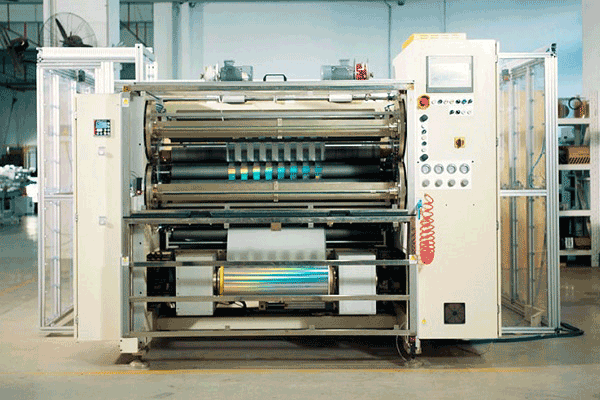
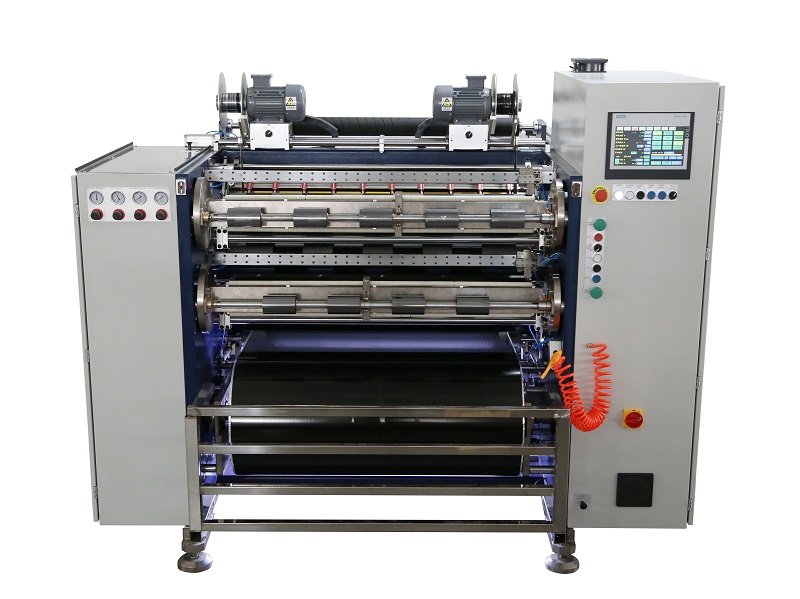 Fully Automatic TTR Slitter RSDS8 Plus
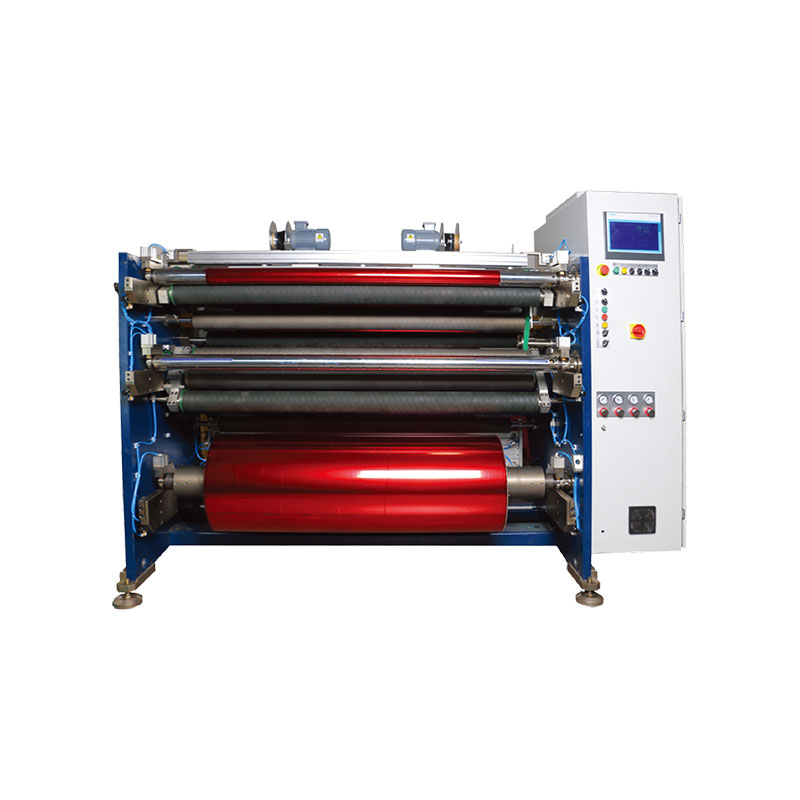 Hot Stamping Foil Slitter 1600mm
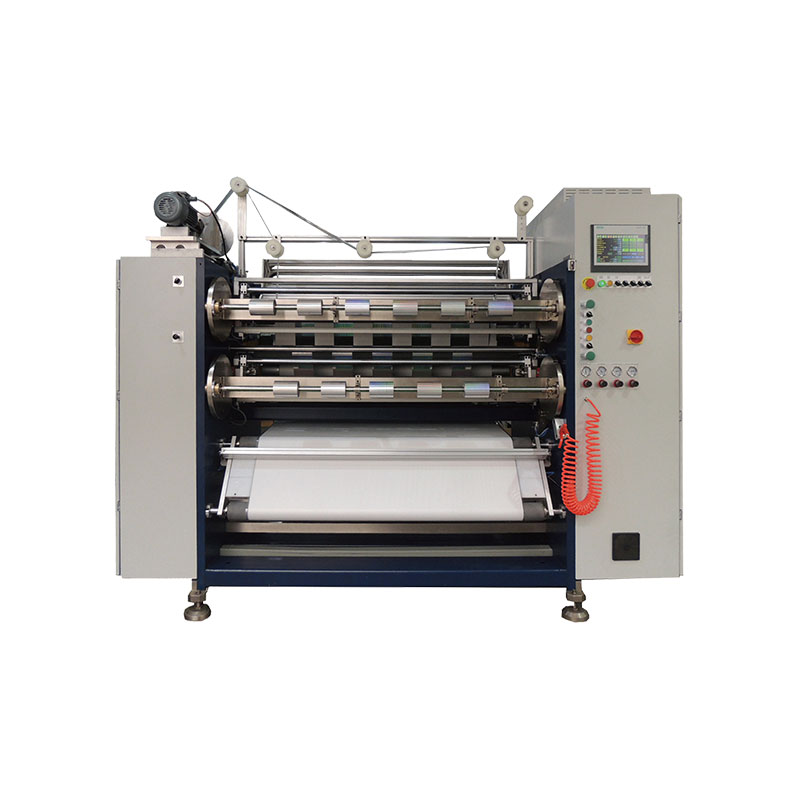 Hot Stamping Foil Slitter (4 Shafts)
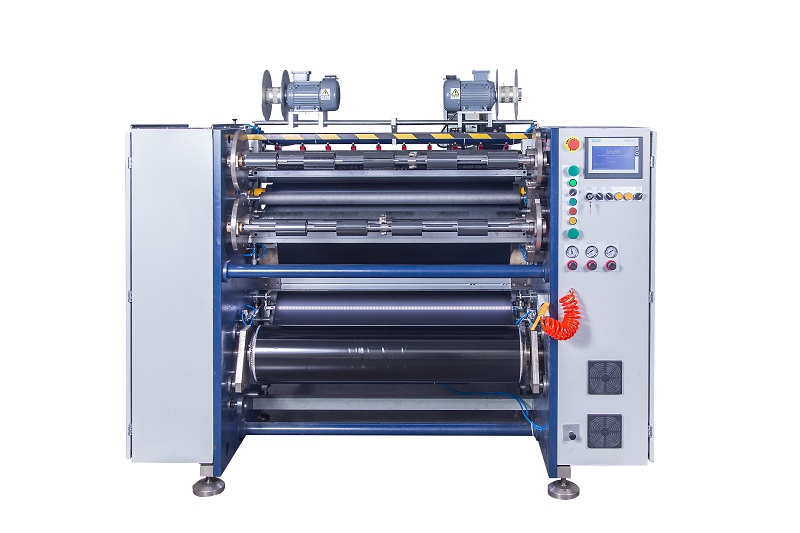 Semi-Auto TTR Slitter RSDS2 Plus
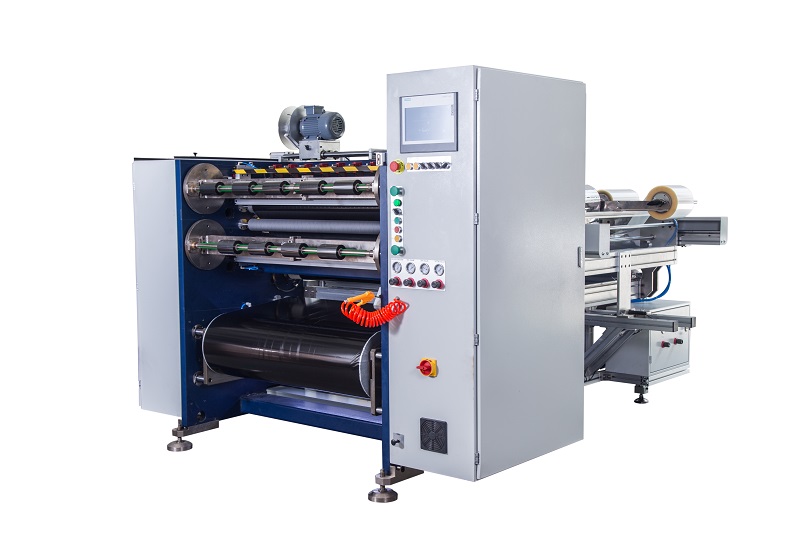 Semi Automatic TTR Slitter RSDS5 Plus
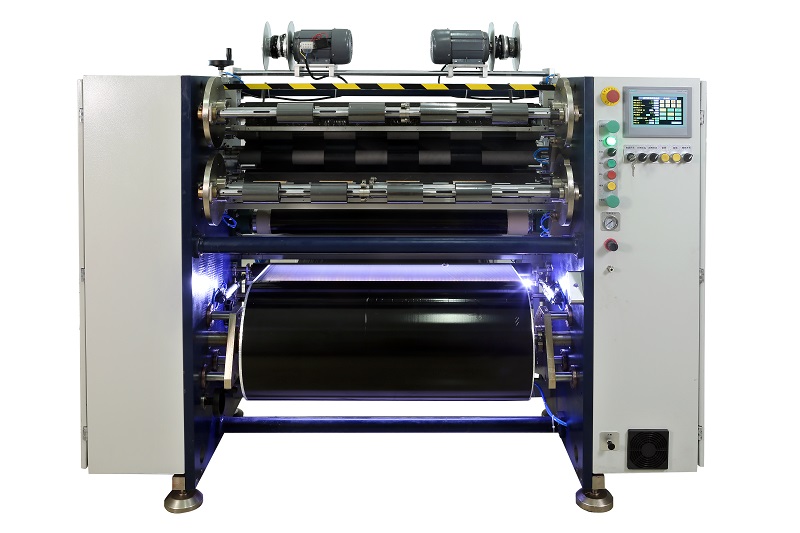 Manual TTR Slitter RSDS2
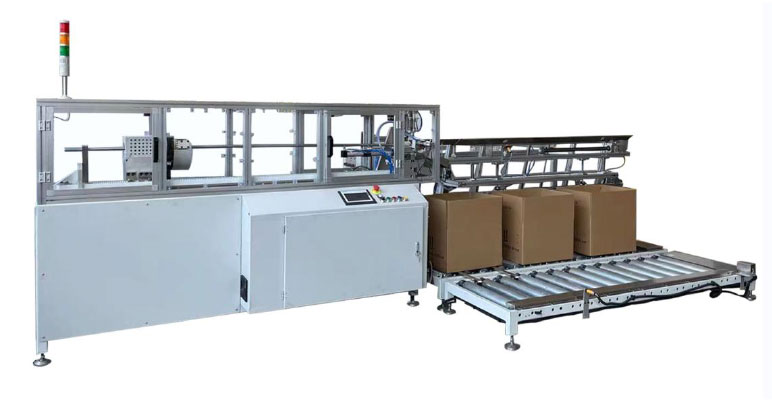 Auto Paper Core Cutter
 Film Slitting Machine



 +86 135 9951 7291
 support@delishgroup.com
 +86 135 9951 7291