06. November, 2026delish0
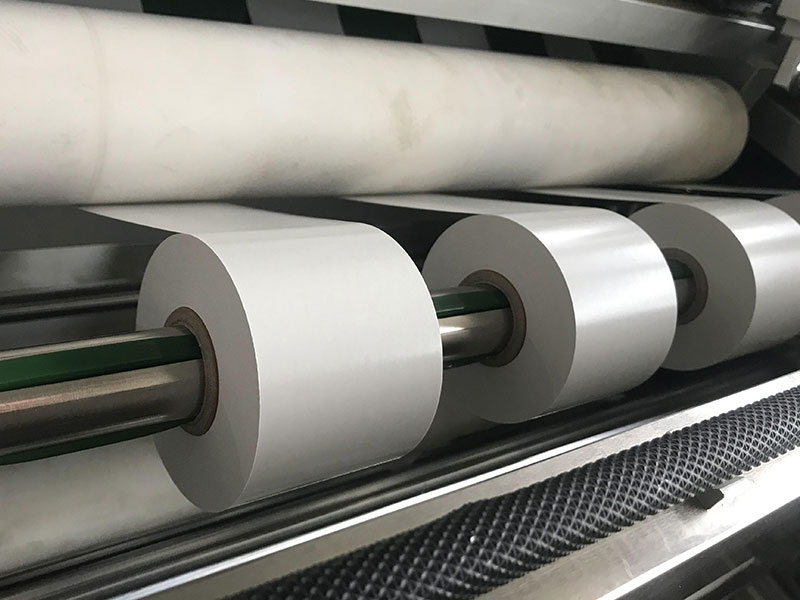
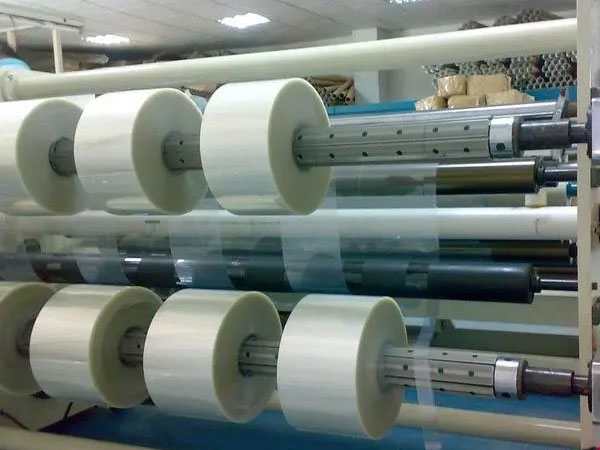
The core function of the single-sided adhesive slitting machine is to slice wide, large rolls of single-sided adhesive material into smaller rolls of specified width. Many people easily confuse it with a "double-sided adhesive slitting machine" or a "universal tape cutting machine," but in fact, the material adaptability of single-sided adhesive slitting machines has clear boundaries and specialties. A well-designed single-sided adhesive slitting machine offers a much broader material range than you might imagine—from the most common packaging and sealing tape, to polyimide gold finger tape used in the electronics industry, and even specialty single-sided adhesive for the automotive and medical fields, all within its range.
1. Basic film types: BOPP, PVC, and PE
This is the family of materials with the largest processing capacity for single-sided adhesive slitting machines. BOPP (Biaxially Oriented Polypropylene) is the main base material for transparent carton sealing tape. It has a crisp texture and is not easily stretched or deformed during slitting, requiring moderate tension control for the slitting machine. PVC single-sided adhesive is commonly used in electrical insulation. The material is relatively soft and has some elasticity. During slitting, the equipment must have stable unwinding and correction capabilities; otherwise, it is prone to misalignment or serpentine edges. PE single-sided adhesive is mostly used for protective films or surface masking, and its thickness is thinner, requiring more precise adjustment of knife compression and winding tension during slitting. The technical challenge for these materials is not whether they can be cut, but whether they can be cut evenly and tightly secured, with no burrs or colloidal overflow at the edges.
2. Paper-based and fabric-based types: masking paper, kraft paper, and cloth-based tape
Masking tape uses crepe paper as the base material, coated with rubber or acrylic glue. During slitting, the paper base tends to generate fine dust, so the sharpness of the tool and the cooling method must be matched. Kraft paper tape has high stiffness, coarse fibers, and relatively crisp cuts, but the edges tend to pill, and the angle and overlap of the round blades need to be precisely set. Single-sided cloth-based tape uses fabric as the base material, which has high tensile strength. The tool wears out quickly during slitting, and the equipment usually requires a certain rigidity of the blade shaft. In this category, single-sided rubber slitting machines overlap significantly with general-purpose slitting equipment, but dust removal designs for paper-based materials and tool durability configurations for fabric-based materials are details distinguishing equipment specialization.
3. Electronic and specialty tapes: PET, polyimide, and conductive materials
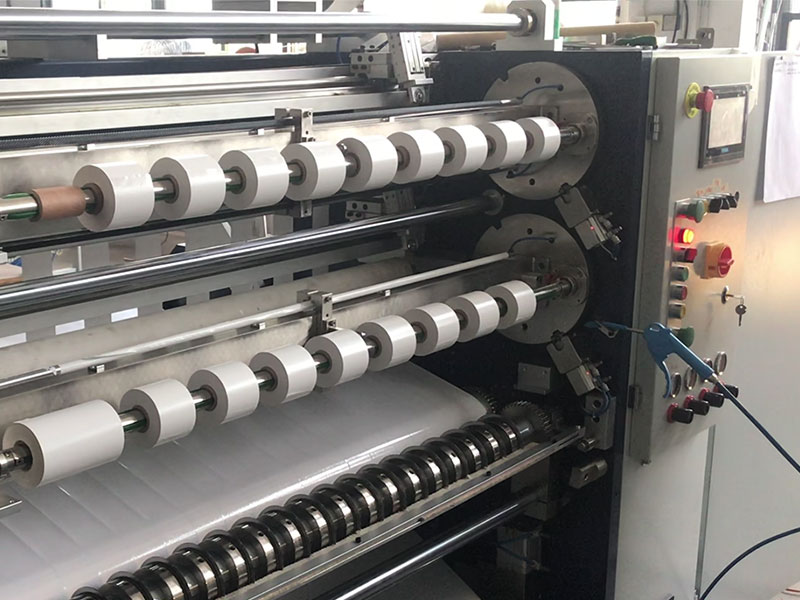
This is the field with the highest requirements for slitting precision. PET single-sided adhesive (often called "mylar") is widely used for electronic insulation and fixation, with thicknesses typically ranging from 25 microns to 100 microns. Any slight tension fluctuations during slitting can cause uneven end faces in the finished roll. Polyimide tape (Kapton) is a standard for gold finger protection. The material itself is quite brittle, and if the cutting tool is not sharp enough or the angle is improper, microcracks can easily form at the edges, affecting insulation performance. In addition, aluminum foil and copper foil single-sided adhesives are common in electromagnetic shielding scenarios. The metal foil layer wears the tool much more than ordinary films, and during slitting, burrs or edge curling must not occur; otherwise, adjacent adhesive layers may be punctured or short-circuit risks may occur. Single-sided rubber slitting machines capable of stably handling such materials are usually equipped with servo-driven circular blade systems and precise closed-loop tension control, achieving slitting accuracy within ±0.1 millimeters.
4. Foam and thicker tapes: EVA and foam tape
Foam single-sided adhesives (such as EVA foam and PE foam) are usually thicker than 0.5 millimeters and have strong compression resilience. When slicing such materials, traditional shear-type circular knives tend to flatten the foam and then rebound, causing the cut to be not vertical or to form a "bell-shaped edge." Slitting machines suitable for foam often use sharper single-blade cutting or round blades with special angles, while the winding tension needs to be kept low to avoid excessive compression of the material during winding. It is worth noting that single-sided rubber slitting machines have limited capacity for handling foam; extra-thick or high-density foam often requires specialized cutting equipment.
5. Non-adhesive and release materials: protective films and release paper
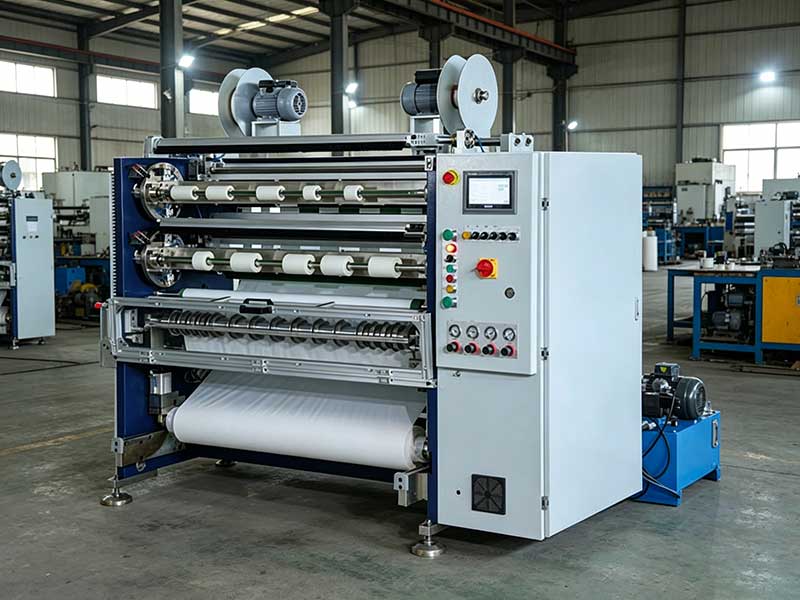
The single-sided adhesive slitting machine is not limited to materials with glue. Protective films (such as PE and PET protective films) usually have no stickiness or only slight stickiness, but their slitting process is highly similar to single-sided adhesive—tension must be controlled to prevent stretching, and deviations to prevent deviation. Release paper/release film used as auxiliary materials in tape production can also be processed on single-sided slitting machines. This extended capability gives the single-sided rubber slitting machine more flexible production scheduling value in film processing workshops: the same machine can process sealing tape, protective film, and release paper at different times by simply adjusting tension parameters and tool pressure.
Material boundaries and selection tips
It is important to note that not everything that "looks like tape" is suitable for single-sided adhesive slitting machines. Ultra-thin double-sided adhesive (with no or thin substrate) is prone to interlayer misalignment during slitting, usually requiring a dedicated double-sided adhesive slitting machine. Fiberglass cloth tape or tapes mixed with reinforced fibers pose significant challenges to tool life, so it is necessary to confirm whether the equipment supports diamond-coated tools or allows frequent tool changes. In addition, material thickness is a key parameter: most general-purpose single-sided rubber slitting machines have a suitable cutting thickness between 20 and 80 microns. Materials beyond this range, whether ultra-thin optical film or thick foam, should be confirmed with the equipment manufacturer for slitting feasibility.
Ultimately, the material list for a single-sided rubber slitting machine is not a fixed, unchanging list, but a process window determined by three dimensions: "substrate type× adhesive characteristics× and thickness range." When purchasing or using equipment, rather than asking "how many types of materials can be cut," it is better to clearly identify the types of substrates you most commonly handle and their thickness ranges, then specifically assess the tension control accuracy and tool configuration scheme of the equipment under those conditions. The material changes, but the core slitting logic remains the same: smooth cuts, tight rolling, and stable tension. Only when all three are met together can it truly be considered 'cutting.'
 English
 Deutsch
 Français
 Español
 Português
 日本語
 русский
 한국어
 عربي
 ภาษาไทย
 Tiếng Việt
 Italiano
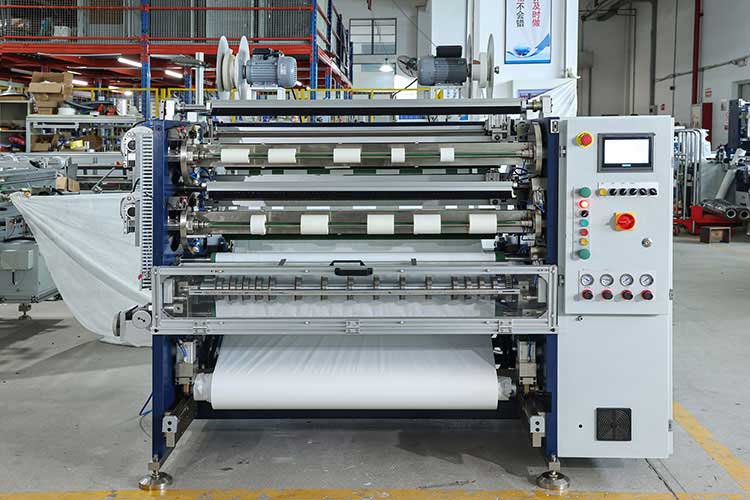
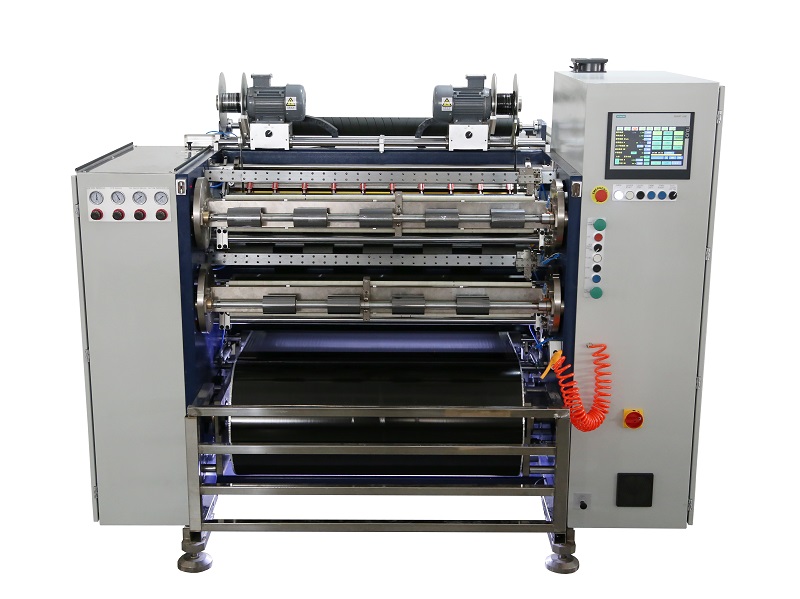 Fully Automatic TTR Slitter RSDS8 Plus
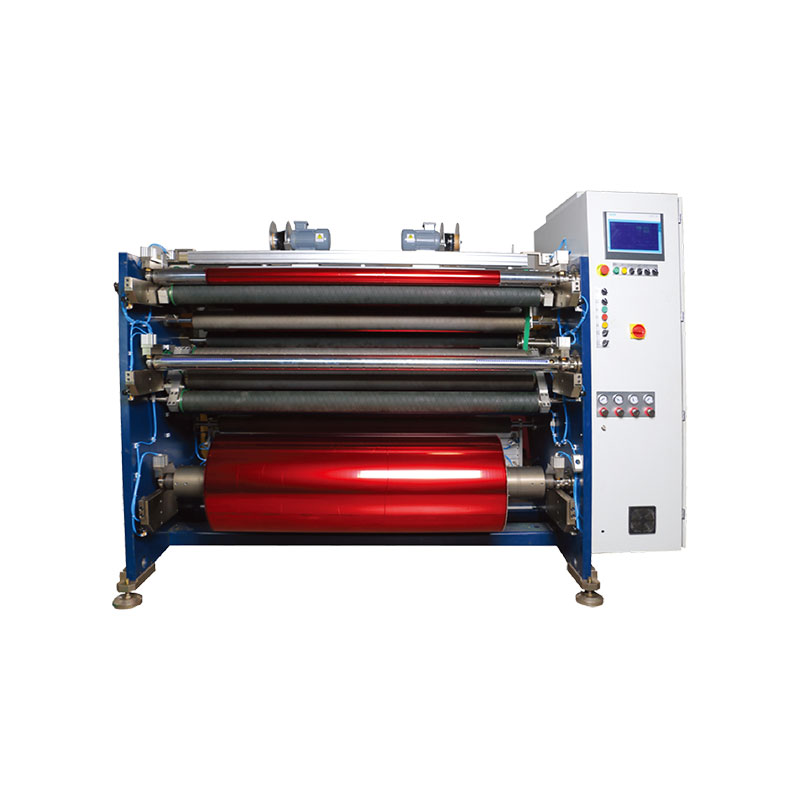 Hot Stamping Foil Slitter 1600mm
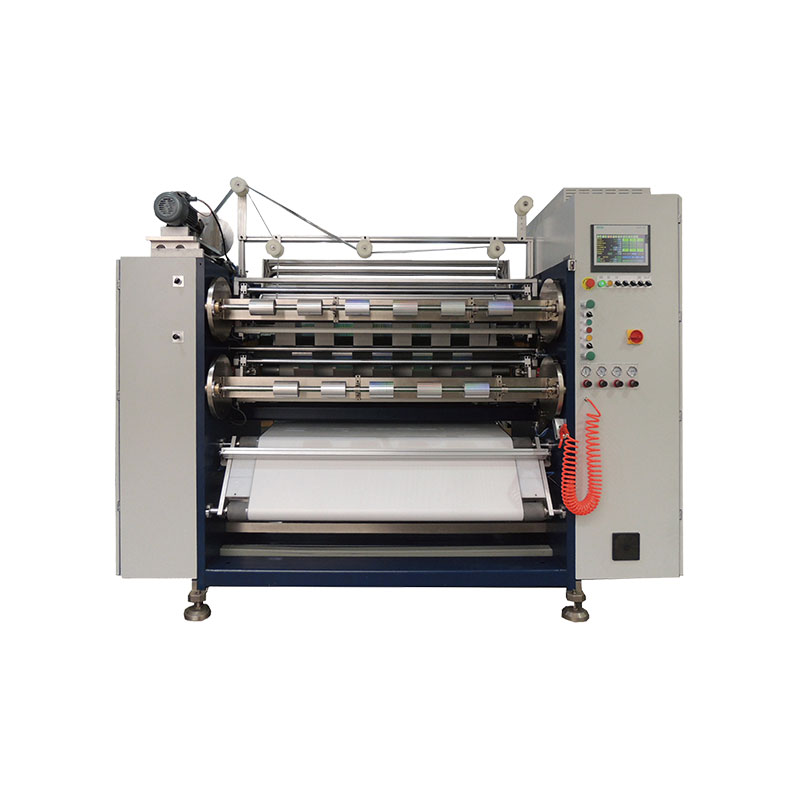 Hot Stamping Foil Slitter (4 Shafts)
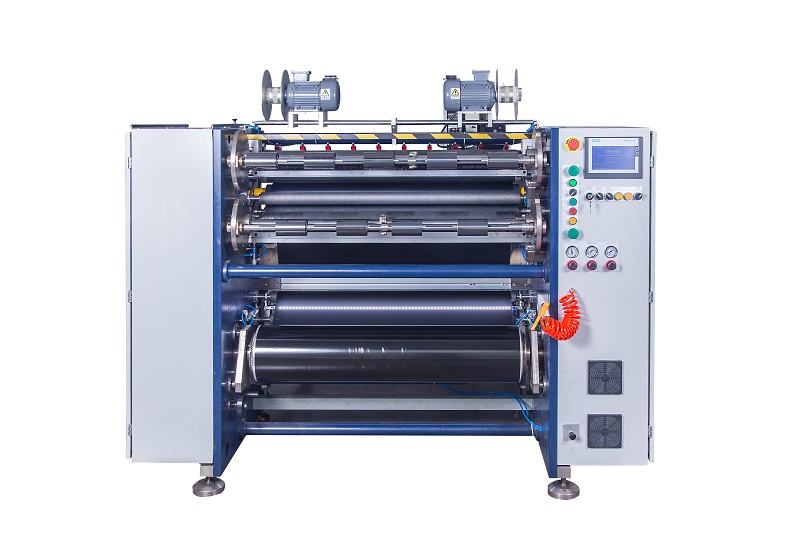 Semi-Auto TTR Slitter RSDS2 Plus
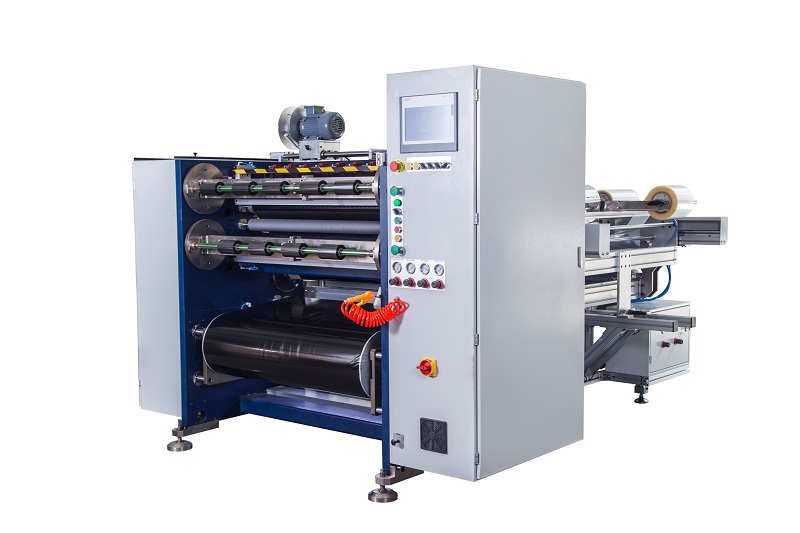 Semi Automatic TTR Slitter RSDS5 Plus
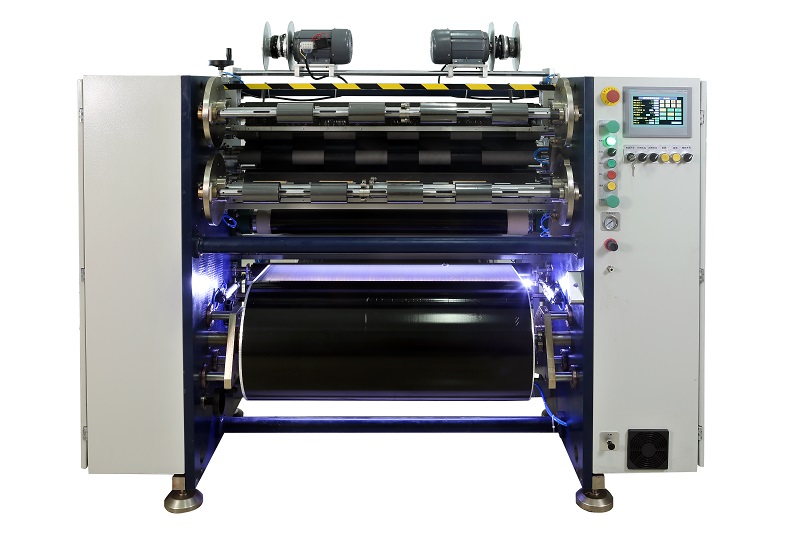 Manual TTR Slitter RSDS2
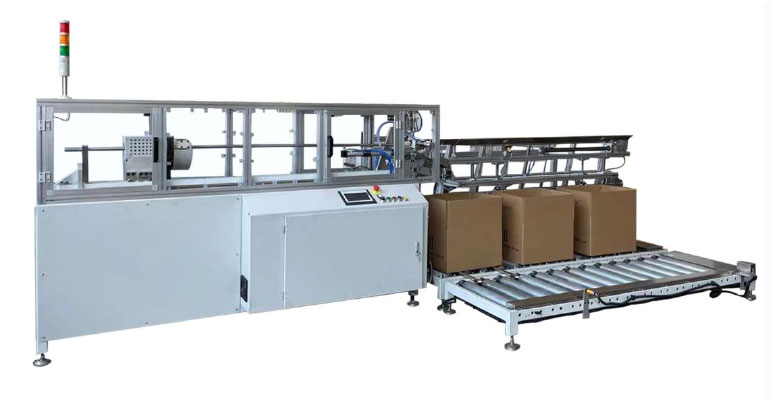 Auto Paper Core Cutter
 Film Slitting Machine



 +86 135 9951 7291
 support@delishgroup.com
 +86 135 9951 7291
