21. November, 2026delish0
In the flexible packaging production chain, the slitting process is often regarded as a "supporting role" after printing or lamination, but its actual influence far exceeds its position in the process sequence. In a complete flexible packaging production line, downtime at the slitting stage often accounts for more than 30% of the entire line's unplanned downtime. The film slitting machine is responsible not only for the physical cutting task of slitting wide master rolls into narrow rolls, but also determines the end-face flatness of finished film rolls, edge sealing performance, and the smooth operation of downstream bag-making machines and automatic packaging machines. A slitting application solution adapted to the actual working conditions of the packaging industry focuses on aligning equipment selection, tension control, and blade systems with the characteristics of specific packaging film materials, rather than simply pursuing speed or price parameters.
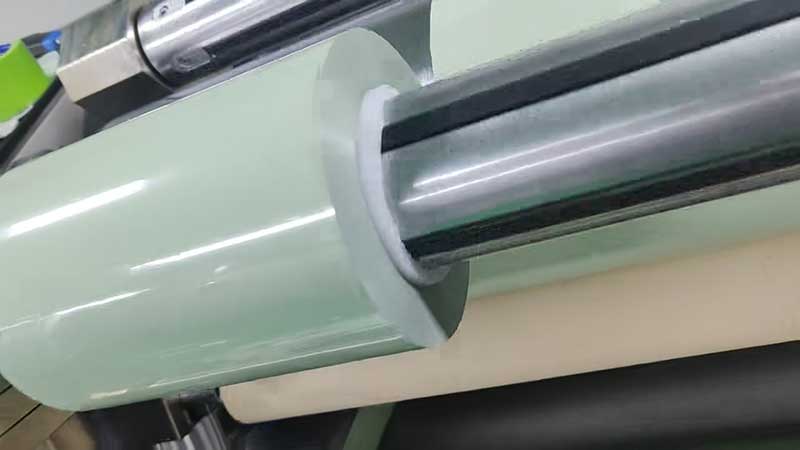
1. Layered Selection Based on Packaging Film Materials
The packaging industry involves an extremely wide range of film categories, from ordinary PE stretch film to multi-layer aluminum foil composite film, with vastly different requirements for slitting machines. The first step in selection is not to look at equipment quotations, but to examine the film structure.
For single-layer PE, PP, and BOPP films, slitting machines with servo tension control can meet the requirements. These films have relatively uniform thickness and no interlayer stress issues from lamination. The core challenges in slitting are roll end-face flatness and roll-changing efficiency. Models with tension control accuracy at the ±0.5 N level and a maximum linear speed of around 300 m/min can cover daily production capacity of several tons. If a company's orders are mainly express bags and ordinary food bags, there is no need to pay for excessive precision.
For aluminum foil composite films, retort-resistant films, and multi-layer PET/AL/NY/RCPP structures, selection must move up to the closed-loop tension control level. The stretching rates of each layer in composite films differ, and combined with residual stress after adhesive curing, slitting is highly prone to "loose inside, tight outside" or edge curling. At this point, tension control accuracy must reach the ±0.1 N level, and the winding shaft should have independent taper adjustment capability to compensate for thickness micro-differences caused by ink layers and adhesive layers. A practical reference data point: after a food packaging company reduced the slitting winding tension of aluminum foil composite film from 12 N to 6 N and enabled taper control, the end-face misalignment rate dropped from 8.3% to 0.9%.
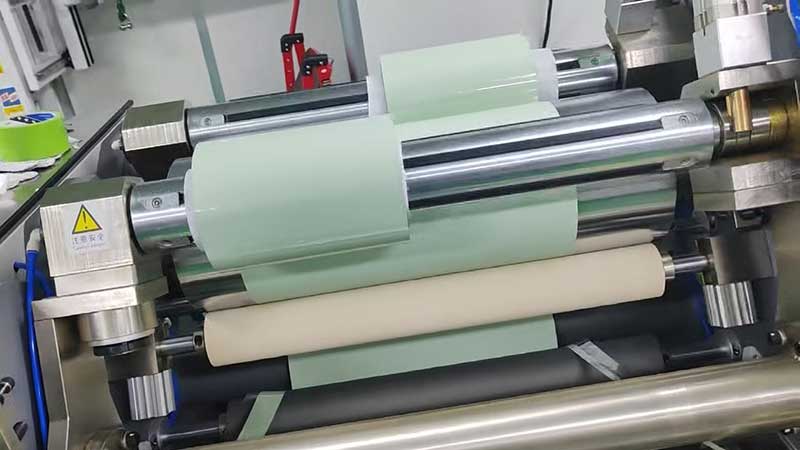
2. Matching Blade Systems with Packaging Film Characteristics
The choice of slitting method directly affects the subsequent bag-making sealing performance of packaging films. The slitting methods commonly used in the packaging industry are mainly circular blade shearing and flat blade (doctor blade) cutting, and the two are not freely interchangeable.
Circular blade shearing is suitable for composite films, aluminum foil films, and thicker PE films with thickness above 20 μm. Upper and lower blades complete the cut in a shearing manner, producing straight cuts with edges less prone to burrs. For packaging bags requiring subsequent heat sealing, burrs are a hidden risk of sealing failure—tiny burrs can create channels at the seal, destroying barrier properties. The upper and lower blade overlap for circular blade slitting is typically controlled at 0.5–1.5 mm, with side clearance at 5%–10% of film thickness, requiring verification with a feeler gauge every shift. In a composite film slitting case, after adjusting the blade clearance to 0.02 mm and using circular blade mode, the bag-making defect rate dropped from 8% to 1.5%, and the sealing qualification rate reached 99.8%.
Flat blade slitting is more suitable for thin single-layer films, such as PE film or CPP cast film below 15 μm. The blade is thin and sharp, with low cutting resistance, and does not easily stretch and deform the film. However, flat blades have a shorter lifespan and require frequent replacement based on wear conditions, making them unsuitable for abrasive film materials containing aluminum foil or fillers.
One often-overlooked detail is blade material. Packaging composite films often contain titanium dioxide (white masterbatch) or calcium carbonate (anti-blocking agent), and these fillers wear blades at a rate far exceeding that of ordinary PP film. For such film materials, tungsten steel coated blades can last several times longer than ordinary carbon steel blades. Although the unit price is higher, the reduction in blade-change downtime is sufficient to cover the price difference.
3. Tension Control: The Technical Core of Slitting Solutions
The most common quality complaints in packaging film slitting center on two issues: "uneven end faces" and "rolls too loose," and the root causes almost always point to tension control. The core logic of tension control is not complicated: during unwinding, the roll diameter gradually decreases, and torque must be synchronously reduced to maintain constant tension; during winding, the opposite applies. But interference factors in actual production lines make this process far more complex than formulas suggest.
Startup impact is a hidden killer frequently encountered in packaging plants. At the moment the equipment accelerates from standstill to the set speed, the tension peak can reach 2–3 times the set value, causing slippage between film layers and forming "honeycomb" end faces after winding. The solution is to set an S-curve acceleration/deceleration profile in the PLC, controlling the rate of acceleration change within the range allowed by the film material's friction coefficient. Roll diameter calculation drift is another chronic problem that has long plagued production lines—after encoder cumulative error exceeds 5%, tension fluctuations become visible to the naked eye, and operators often blame it on "bad film." Monthly calibration of roll diameter with a laser distance meter is a low-cost but directly effective preventive measure.
For composite films, additional attention must be paid to tension isolation between unwinding and winding. When PET is laminated with PE, their stretching rates differ significantly. If unwinding tension is directly transmitted to the winding section, the film roll will curl after removal due to interlayer stress release. Using an S-wrap roller system with independent servo drives can decouple unwinding tension from winding tension, and is a configuration worth including in composite film slitting solutions.
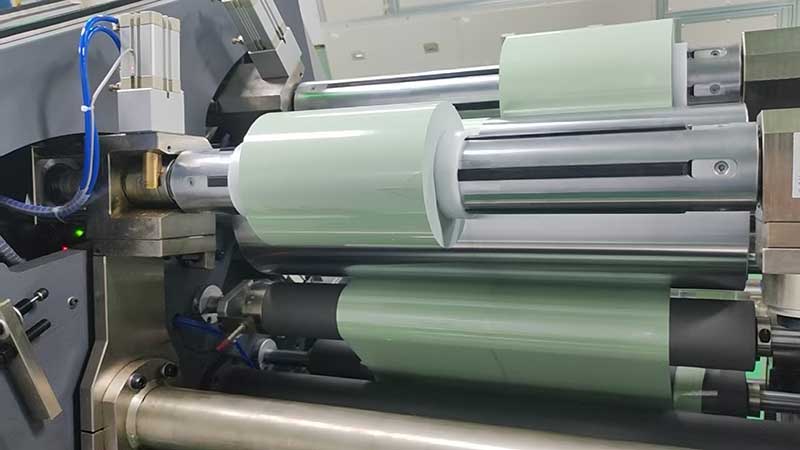
4. Efficiency Accounting and Implementation Pace
When evaluating slitting solutions, packaging companies easily fall into the misconception of "the faster, the better." A slitting machine may be rated at 600 m/min, but actual effective output depends on the combined performance of roll-change downtime, splicing time, and blade adjustment frequency. A more pragmatic evaluation method is to calculate effective slitting meters per shift rather than peak linear speed.
Taking a medium-sized packaging plant processing 8 tons of BOPP film per day as an example: if the original equipment has a speed of 200 m/min, slitting precision of ±0.5 mm, and a defect rate of 8%, replacing it with a closed-loop control model at 550 m/min and ±0.1 mm precision can nearly double daily production capacity, with material utilization improving from 91% to over 97%. However, the prerequisite for this benefit is: stable thickness tolerance of incoming master rolls, controlled workshop temperature and humidity, and operators trained in tension curve debugging. Missing any one of these three will offset the advantages of high-precision equipment.
In terms of implementation pace, a two-step approach is recommended. First, conduct a slitting quality audit of existing main film materials: compile one month of data on end-face defect rates, film breakage frequency, and blade change frequency to identify whether the bottleneck is in tension, blades, or incoming materials. Second, based on the audit results, choose targeted upgrades—if the bottleneck is tension fluctuation, prioritize adding closed-loop tension modules or upgrading servo drives; if the bottleneck is burrs and dust, prioritize changing blade materials and adjusting blade clearance parameters. Complete machine replacement should be the last option, not the first.
Conclusion
The application solution for film slitting machines in the packaging industry is essentially a parameter-matching system that starts from film material characteristics and ends at finished roll quality. Equipment speed and precision specifications are certainly important, but if the tension curve is not calibrated to film thickness and composite structure, and blade clearance is not adjusted according to filler content, even the most expensive model cannot produce qualified film rolls with mirror-like end faces and tightly sealed edges. When planning slitting solutions, packaging companies that shift their selection efforts from "comparing parameter tables" to "matching their own film materials and order structures" often find the decision path with the highest return on investment.
 English
 Deutsch
 Français
 Español
 Português
 日本語
 русский
 한국어
 عربي
 ภาษาไทย
 Tiếng Việt
 Italiano
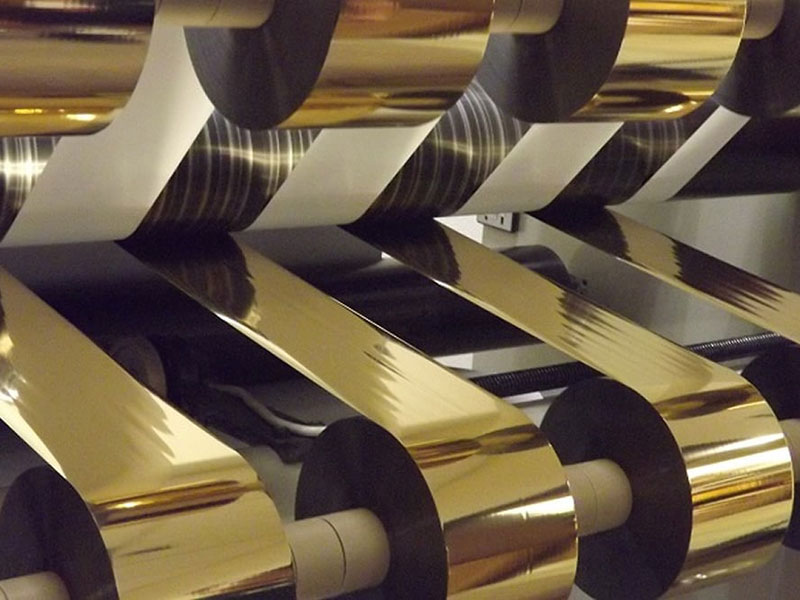
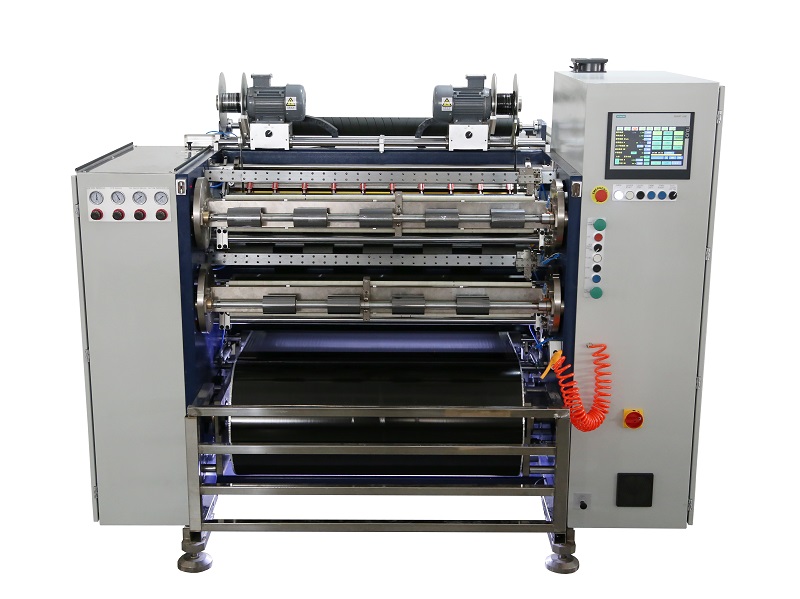 Fully Automatic TTR Slitter RSDS8 Plus
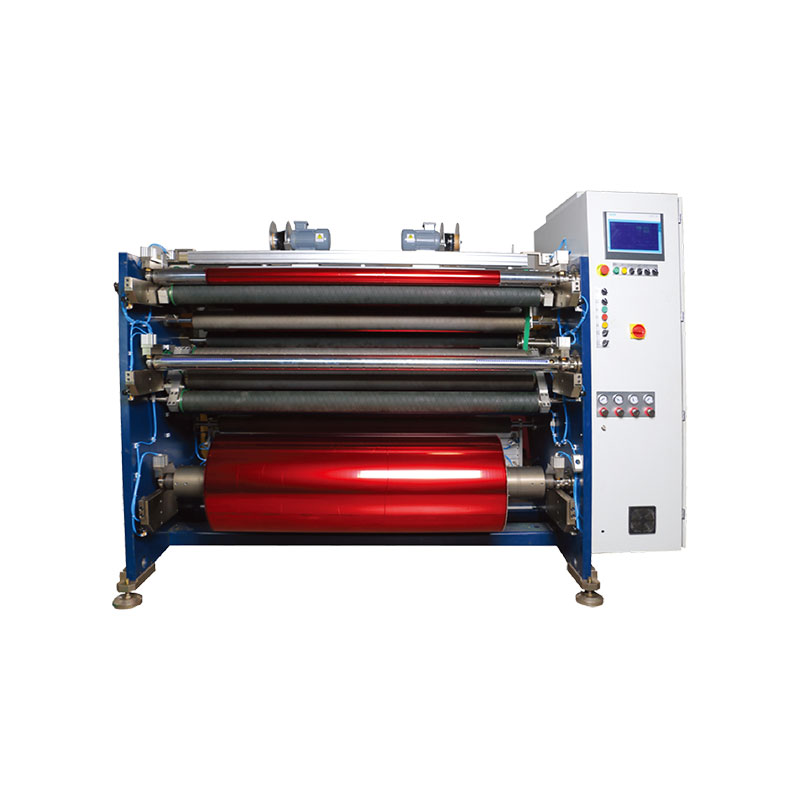 Hot Stamping Foil Slitter 1600mm
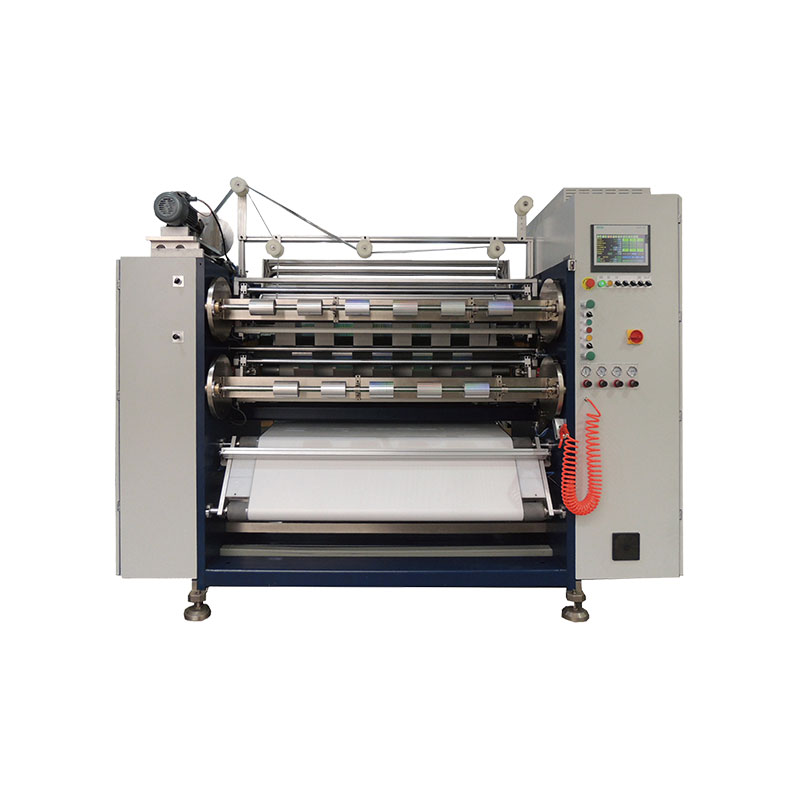 Hot Stamping Foil Slitter (4 Shafts)
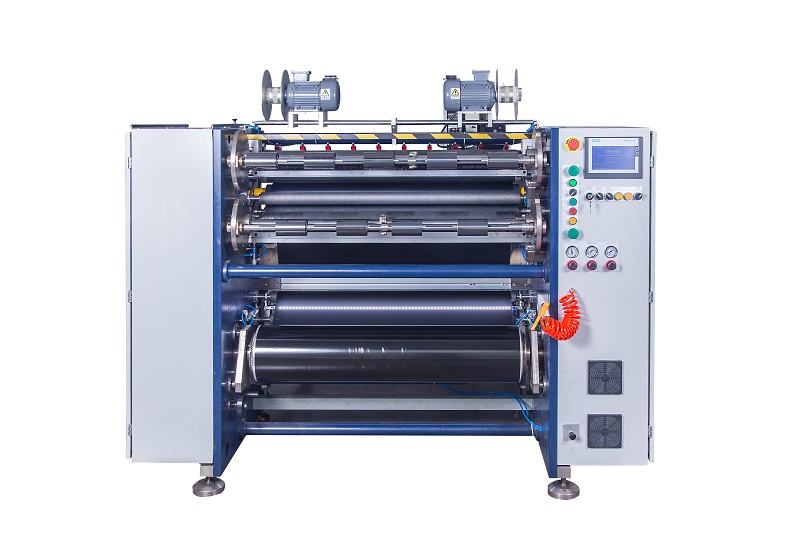 Semi-Auto TTR Slitter RSDS2 Plus
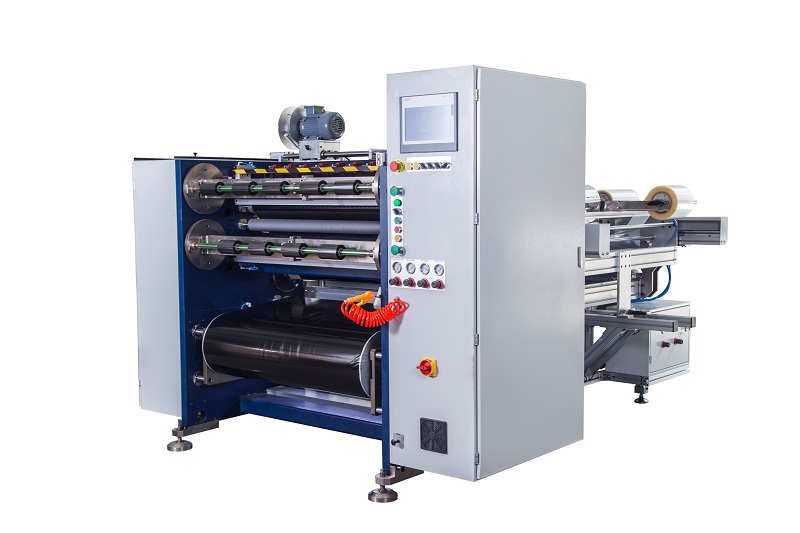 Semi Automatic TTR Slitter RSDS5 Plus
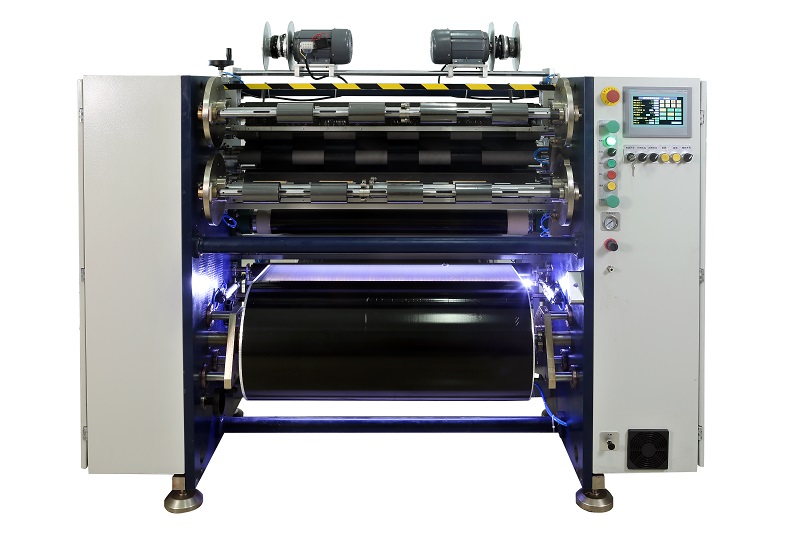 Manual TTR Slitter RSDS2
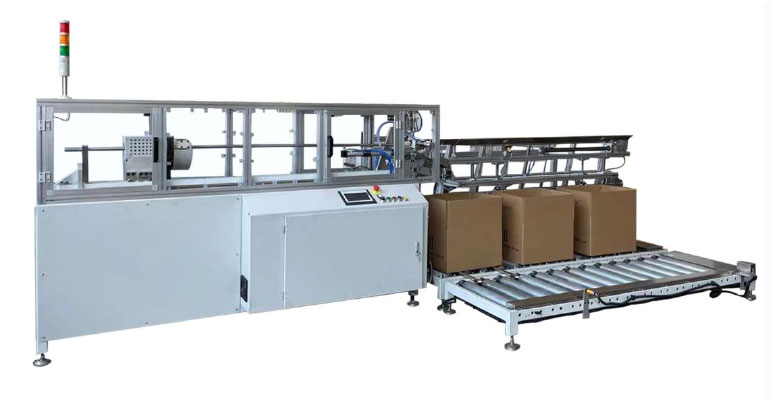 Auto Paper Core Cutter
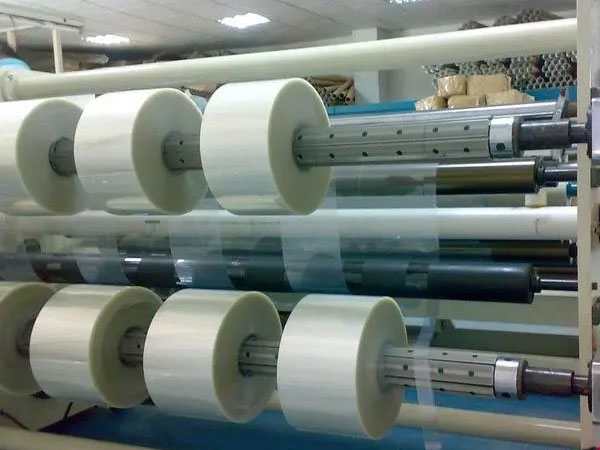 Film Slitting Machine



 +86 135 9951 7291
 support@delishgroup.com
 +86 135 9951 7291
