22. December, 2025delish0
In the sophisticated world of modern manufacturing, ribbon slitting machines, as key equipment in label printing and barcode production, were once a small hill in corporate training systems. It takes weeks or even months for new employees to become proficient in parameter adjustment, tension control, and troubleshooting of traditional slitting machines. However, with the rise of "plug and play" smart ribbon slitting machines, a silent training cost revolution is taking place.
From complex to intuitive: the intelligent evolution of the user interface
The operator panel of a traditional ribbon slitting machine is often filled with dozens of buttons and knobs, each corresponding to a specific mechanical function. New operators need to memorize large combinations of functions, understand complex mechanical principles, and develop a "feel" through trial and error. This training is not only time-consuming, but also increases the hidden cost of material waste due to human error.
The new generation of plug-and-play slitting machines uses a completely different design philosophy. The intuitive touchscreen interface translates complex mechanical parameters into simple visual operating flows. Just like a smartphone, operators can quickly understand equipment status and operating steps through clear icons, guided menus, and real-time visual feedback. This shift in design language has reduced operational skills that traditionally took weeks to master into days or even hours.
Preset and adaptive: Intelligent kernels that lower the barrier to technology
The core advantage of the intelligent slitting machine lies in its rich preset programs and adaptive control system. The equipment has a built-in optimized parameter combination for different materials, widths and cutting requirements, and the operator only needs to select the material type and desired specifications, and the machine automatically configures the optimal tension, speed and cutting parameters.
This "choice rather than adjustment" mode of operation significantly lowers the technical threshold. The focus of training has shifted from "how to adjust the machine" to "how to choose the right parameters", which is clearly easier to master and standardize. For multinational companies or companies with multiple production sites, this operational consistency further reduces the complexity and cost of training across regions.
Virtual training and augmented reality: a zero-cost trial-and-error environment
Many advanced slitting machine manufacturers now offer complete virtual training suites, including equipment simulation software and augmented reality (AR) guidance systems. New employees can complete the entire operation process through computer simulation before touching the physical equipment. This "digital twin" training method completely eliminates the risk of material waste while allowing for unlimited repetitions of the exercise until muscle memory is established.
When employees first face a physical device, overlay instructions on AR glasses or tablets can guide them through loading, setup, and operation steps in real time. This immediate, contextualized instruction is more effective than traditional paper manuals or classroom instruction, reducing common error rates by more than 70% and reducing the need for error correction and retraining.
Predictive maintenance and fault self-diagnosis: from problem solving to avoiding problems
An important part of traditional slitting machine training is fault diagnosis and repair, which requires deep mechanical knowledge and experience. Through built-in sensors and IoT connectivity, smart slitting machines can monitor their status in real time, predict potential failures, and prompt maintenance needs before problems occur.
What's even more revolutionary is that when an anomaly occurs, the device is able to automatically diagnose the root cause of the problem and display clear resolution steps on the screen, even demonstrating the repair process through a video. This "autonomous troubleshooting" capability transforms maintenance training from professional knowledge impartation to simple instruction following, greatly reducing the training burden and dependence of senior technicians.
Data-driven continuous optimization: Visual management of training effectiveness
Smart slitting machines not only streamline operations but also provide unprecedented transparency in training management through data collection. The system can record key indicators for each operator, such as setup time, material utilization, error rate, etc., to help trainers accurately identify individual learning difficulties and common knowledge gaps.
This data enables organizations to create dynamically optimized training courses that enhance guidance on the most common problem areas, while identifying operators who already have the necessary skills to avoid overtraining. This precise investment in training ensures that every penny of the training budget yields the maximum return.

The multidimensional impact of cost savings
The reduction of training costs by plug-and-play ribbon slitting machines is multi-dimensional:
• Reduced direct training costs: 60-80% reduction in training time, resulting in a corresponding reduction in trainer hours, training facility usage, and material consumption
• Indirect productivity improvement: New employees reach proficient operation faster, creating value for the company ahead of time
• Reduced Error Rates: Intuitive operator interfaces and intelligent guidance reduce human error, reducing material waste and rework costs
• Reduced impact on employee turnover: Simplified operations reduce reliance on specific employee experience and reduce the impact of turnover on production
• Standardized scaling cost reduction: Multinational companies can quickly replicate the same operating procedures in new plants without having to develop region-specific training programs
Conclusion: Convenience as the core competitiveness
In today's increasingly competitive manufacturing industry, the "plug and play" revolution of ribbon slitting machines has revealed an important shift in equipment design philosophy: from pursuing ultimate specialization to finding a balance between professionalism and ease of use. This transformation not only reduces the explicit training cost of enterprises, but also brings deep operational optimization to enterprises by lowering technical thresholds, shortening the learning curve, and reducing operational differences.
When a machine can understand humans rather than require humans to understand them, when complex technical details are elegantly hidden in an intuitive interface, companies can focus more on core business innovation rather than basic skills training. This is perhaps the biggest lesson that plug-and-play ribbon slitting machines have given us: true technological advancement is often reflected in the elegance with which it makes complex simple.
 English
 Deutsch
 Français
 Español
 Português
 日本語
日本語 русский
 한국어
한국어 عربي
عربي ภาษาไทย
 Tiếng Việt
 Italiano
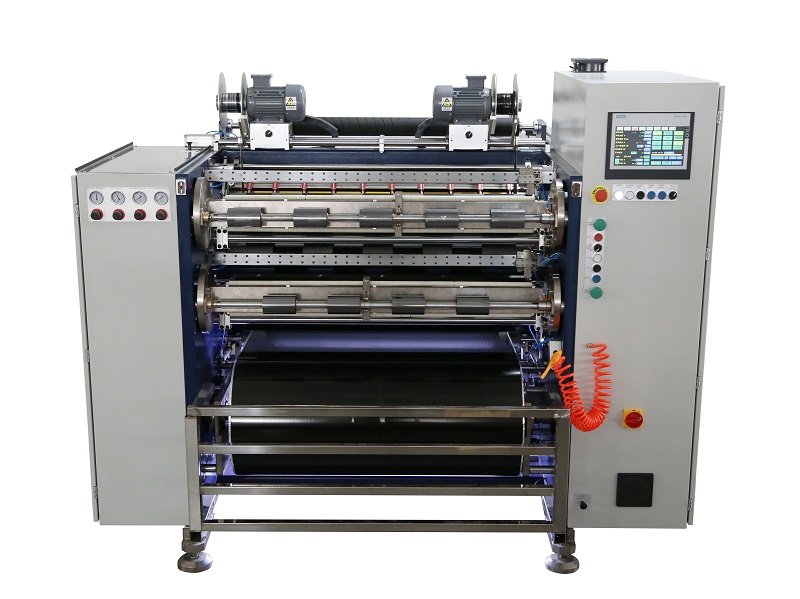 Fully Automatic TTR Slitter RSDS8 Plus
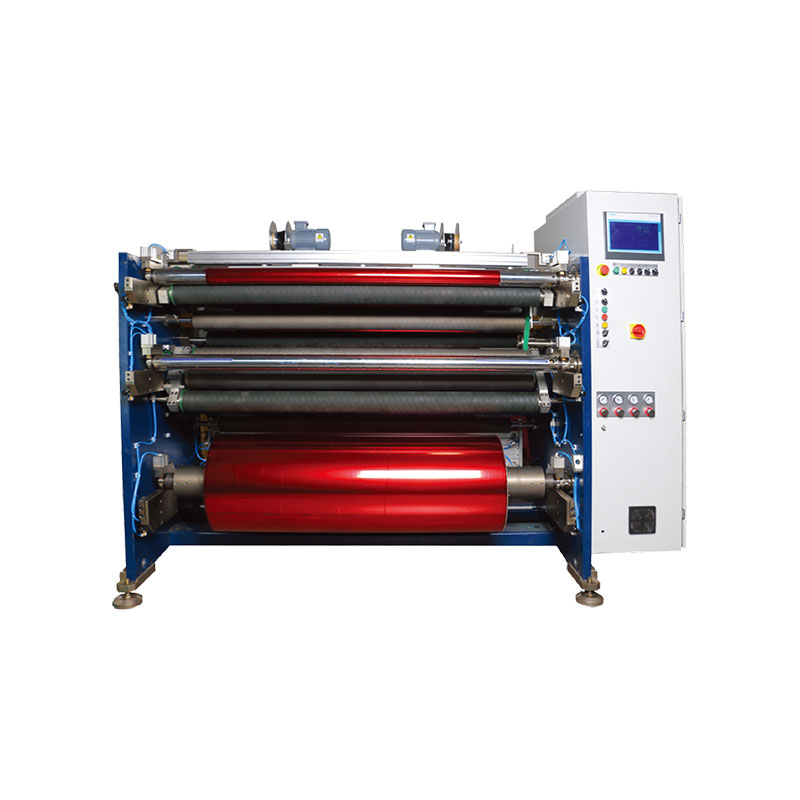 Hot Stamping Foil Slitter 1600mm
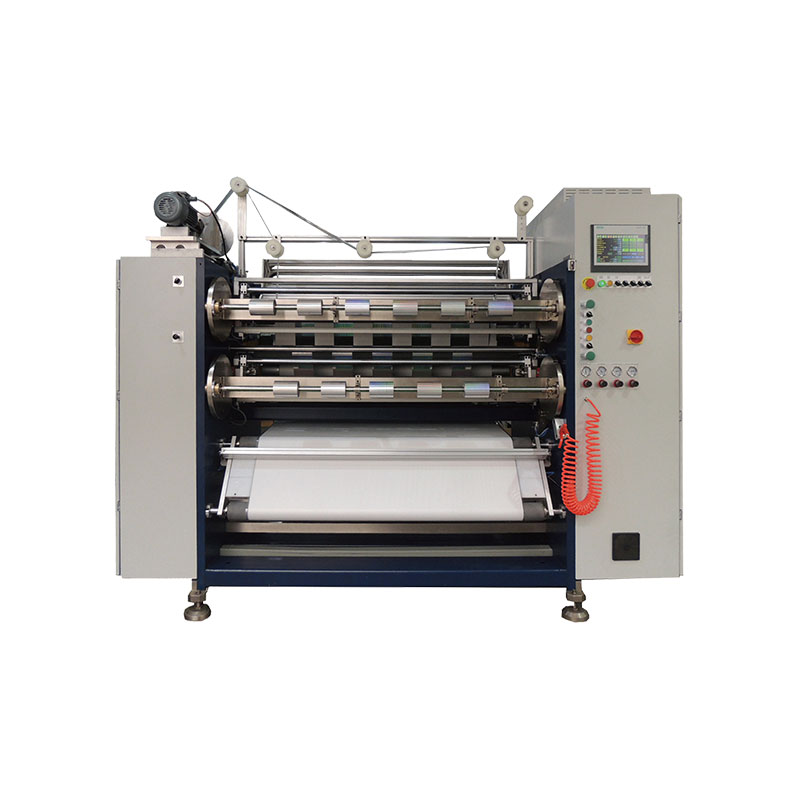 Hot Stamping Foil Slitter (4 Shafts)
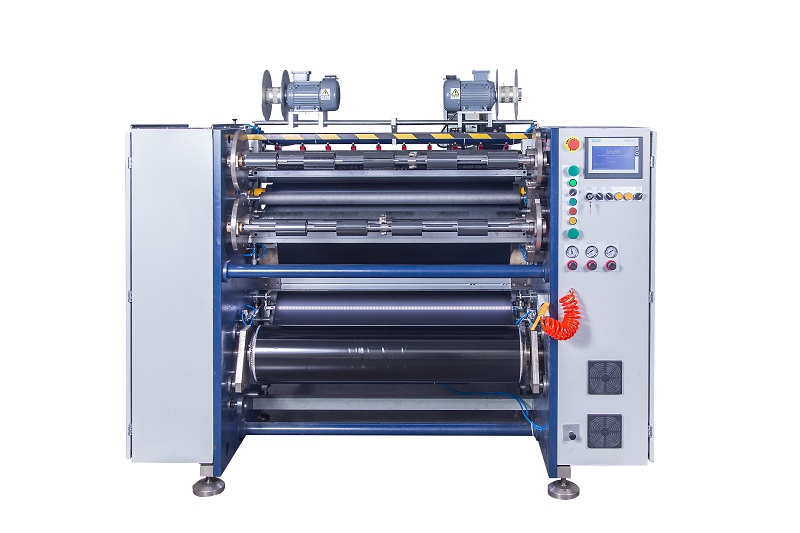 Semi-Auto TTR Slitter RSDS2 Plus
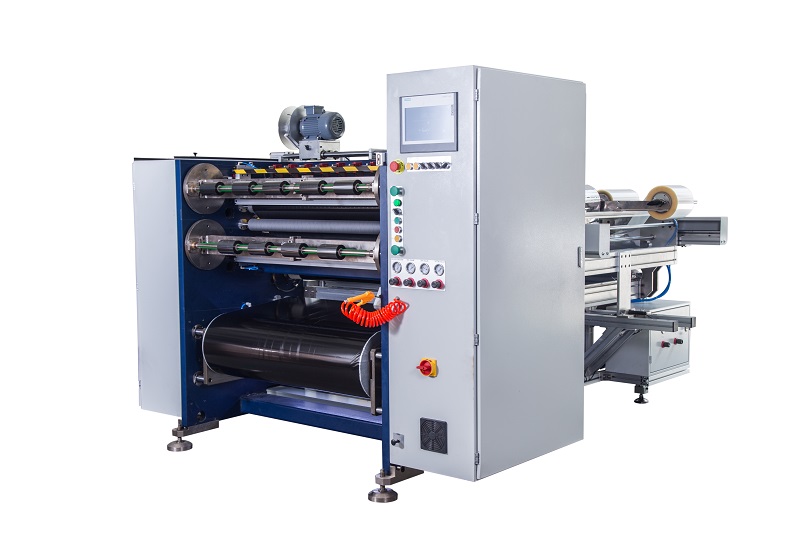 Semi Automatic TTR Slitter RSDS5 Plus
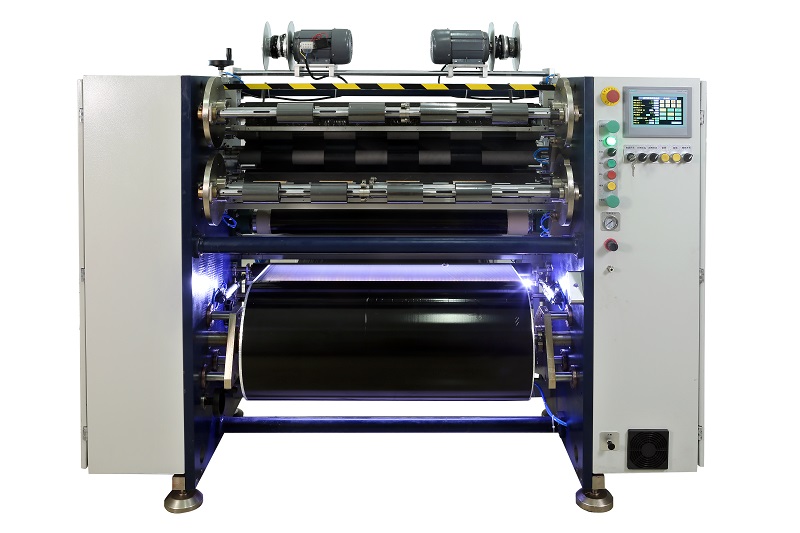 Manual TTR Slitter RSDS2
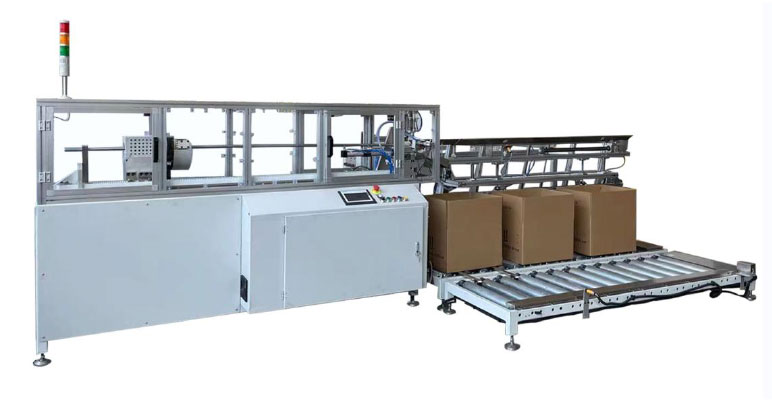 Auto Paper Core Cutter
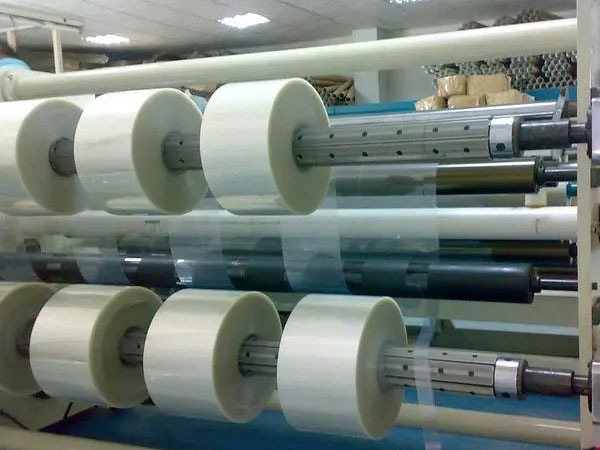 Film Slitting Machine



 +86 135 9951 7291
 support@delishgroup.com
 +86 135 9951 7291