22. December, 2025delish0
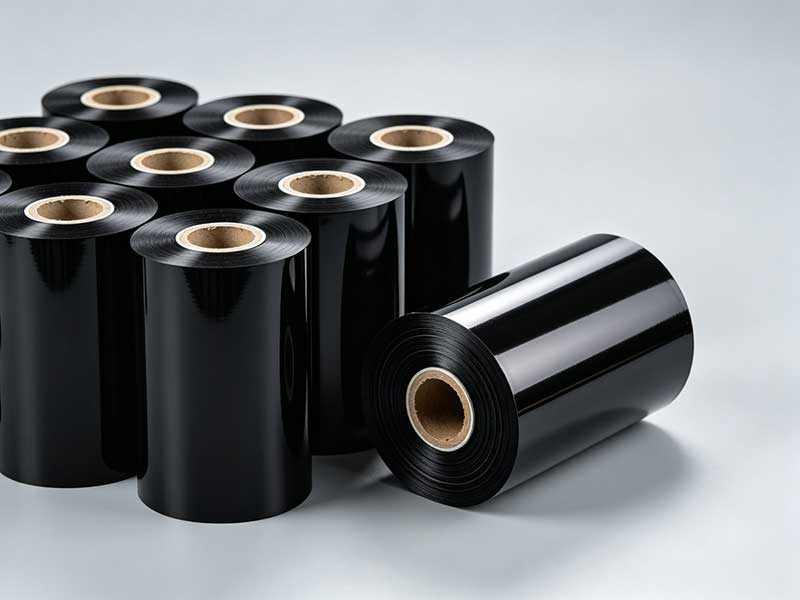
In modern packaging and labeling lines, ribbon slitting machines are like delicate heart valves, and their stability is directly related to the pulse of the overall process. However, many companies tend to focus on repairing after failures rather than preventing them before failures. In fact, the cornerstone of the reliability of the ribbon slitting machine is deeply rooted in a systematic and standardized daily maintenance system. It is not only the maintenance of the equipment, but also a strategic investment in production continuity and quality stability.
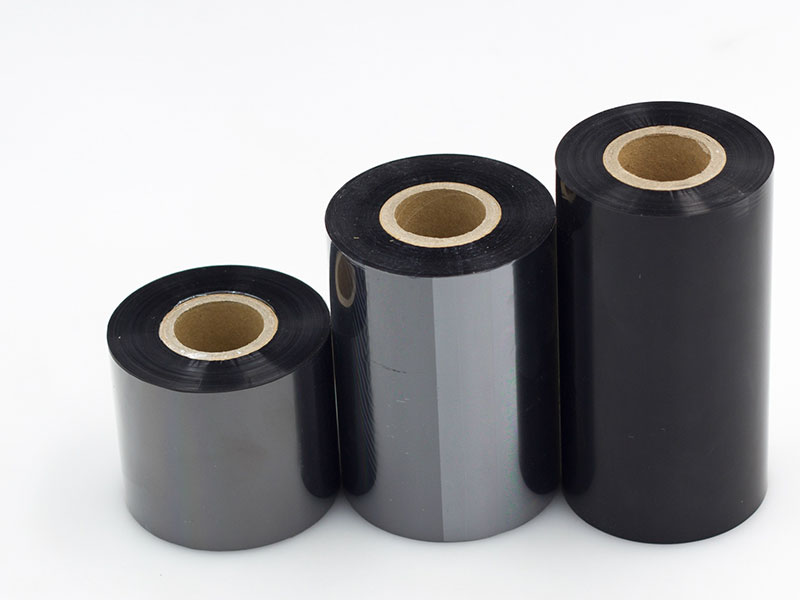
1. Core prevention: build a phased routine maintenance framework
The maintenance of ribbon slitting machines needs to go beyond the level of "wiping and refueling" to form a hierarchical prevention network:
• Basic daily inspection (per shift/daily): This is the first line of defense. When the operator takes over the shift, he must clean the surface of the guide roller and tension roller and check for toner accumulation or damage. visually inspect the sharpness and alignment accuracy of the cutting knife; Monitor for abnormal friction or vibration during operation. Using a simple checklist to quantify the record, small abnormalities (such as slight scratches, small beats) can be nipped in the bud.
• Periodic professional maintenance (weekly/monthly): Deeper maintenance is performed by technicians. Key points include: thorough cleaning and calibration of the tension control system to ensure constant tension of the coil and avoid wrinkling or breakage during slitting; Accurately check and adjust the angle and pressure of the cutter to prevent burrs or incomplete cuts; Professionally lubricate the transmission bearings and slides, and check the wear condition; Calibrate the accuracy of the slitting width and the sensitivity of the correction system.
• Seasonal in-depth maintenance (quarterly/yearly): Comprehensive inspection and preventive replacement of electrical systems, core bearings, main motors, etc. Calibrate the level and alignment of the whole machine to avoid the accumulation of hidden deformation caused by long-term operation.
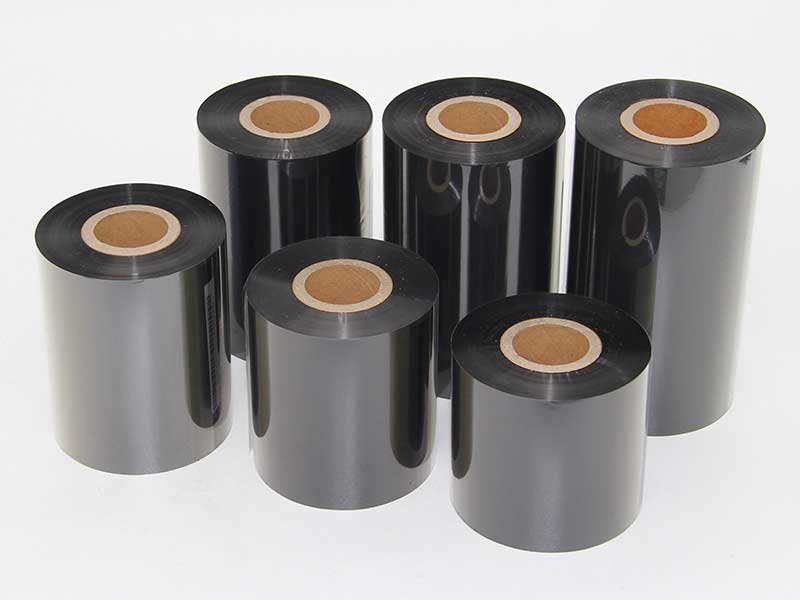
2. Fine maintenance of key subsystems: from general to specific
Improving reliability requires focusing on the precise maintenance of core functional modules:
• Cutting System: This is the soul of slitting precision and reliability. Strict blade life management files must be established, and periodic sanding or replacement must be performed based on the characteristics of the cutting material (e.g., resin-based, wax-based ribbon) and the length of use. At the same time, maintain the cleanliness and rigidity of the tool holder to prevent uneven cutting forces caused by toner adhesion.
• Tension and rewinding systems: Tension fluctuations are the biggest killer of slitting quality. It is necessary to ensure that each guide roller rotates absolutely flexibly and that the tension sensor is clean and stain-free. For equipment with magnetic powder clutch or servo tension control, its response performance and stability should be regularly tested to prevent sudden changes in tension from causing belt breakage or overwinding.
• Cleaning and static elimination system: ribbon slitting is prone to debris and static electricity. clean the debris suction device every day to ensure smooth airflow; Regularly check the performance of static eliminators (such as ionization rods) to prevent uneven coils or dust contamination caused by electrostatic adsorption, which is essential for high-precision printing ribbons.
• Drive and drive system: check the tension of the belt/chain to prevent slippage or skipping teeth; Listen to the running sound of the gearbox and change the lubricating oil of the specified model regularly to keep the transmission smooth.
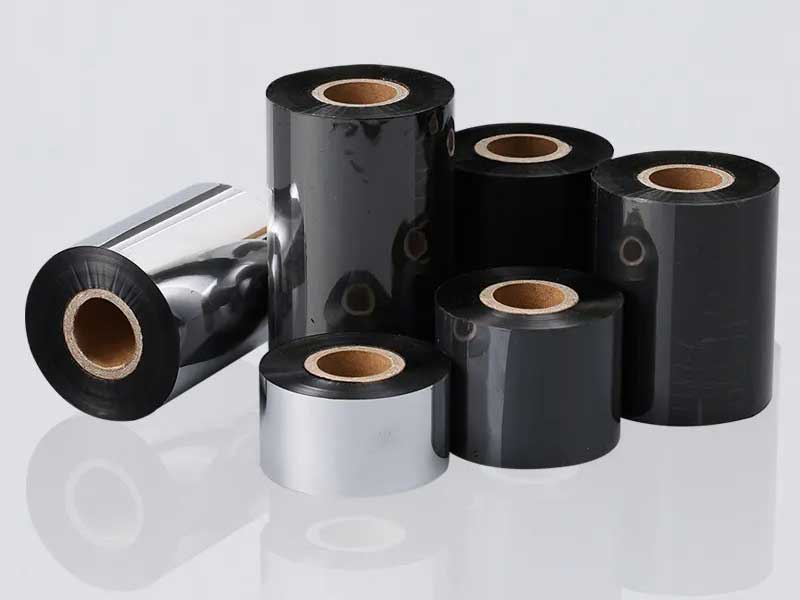
3. Beyond technology: integrate maintenance into organizational culture and intelligent practices
The highest level of reliability comes from the deep integration of "people" and "systems":
• Standardization and training: Develop illustrated and easy-to-understand maintenance instructions (SOPs) and incorporate maintenance skills into the mandatory training and certification system for operators and technicians. Make every person who comes into contact with the device a "perceptron" of its status.
• Data-based lifecycle management: Establish detailed equipment health records to record every maintenance, every replaced component, every exception and treatment measures. This data can be used to analyze component life and make a leap from "scheduled maintenance" to "predictive maintenance".
• Environmental management and operation standardization: maintain constant temperature and humidity in the workshop to reduce the impact of environmental fluctuations on equipment accuracy and material properties. Strictly standardize the operation procedures such as feeding, belting, and parameter setting, and eliminate sudden stress damage caused by improper operation.
• Introduce intelligent auxiliary tools: consider using industrial endoscopes to regularly check the condition of internal rollers; Use infrared thermometer to monitor the temperature trend of bearings and motors; Capture early mechanical failure signals with a vibration analyzer for more proactive maintenance.
Epilogue
The reliability of the ribbon slitting machine is not accidental, it comes from the accumulation of rigorous and meticulous maintenance day after day. By transforming routine maintenance from a reactive cost expense to a proactive value creation and risk management strategy, companies can significantly reduce production losses and scrap risks caused by unplanned downtime, extend the service life of equipment, and ensure consistently high quality slitting products. In today's increasingly fierce competition in the manufacturing industry, the carefully cared for and smooth ribbon slitting machine is the silent and powerful declaration of enterprises to pursue operational excellence and practice lean production.
 English
 Deutsch
 Français
 Español
 Português
 日本語
日本語 русский
 한국어
한국어 عربي
عربي ภาษาไทย
 Tiếng Việt
 Italiano
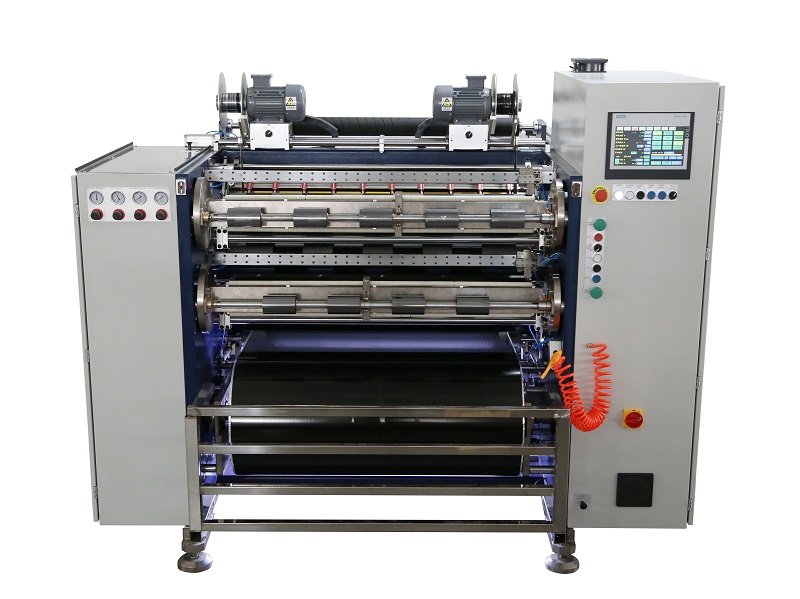 Fully Automatic TTR Slitter RSDS8 Plus
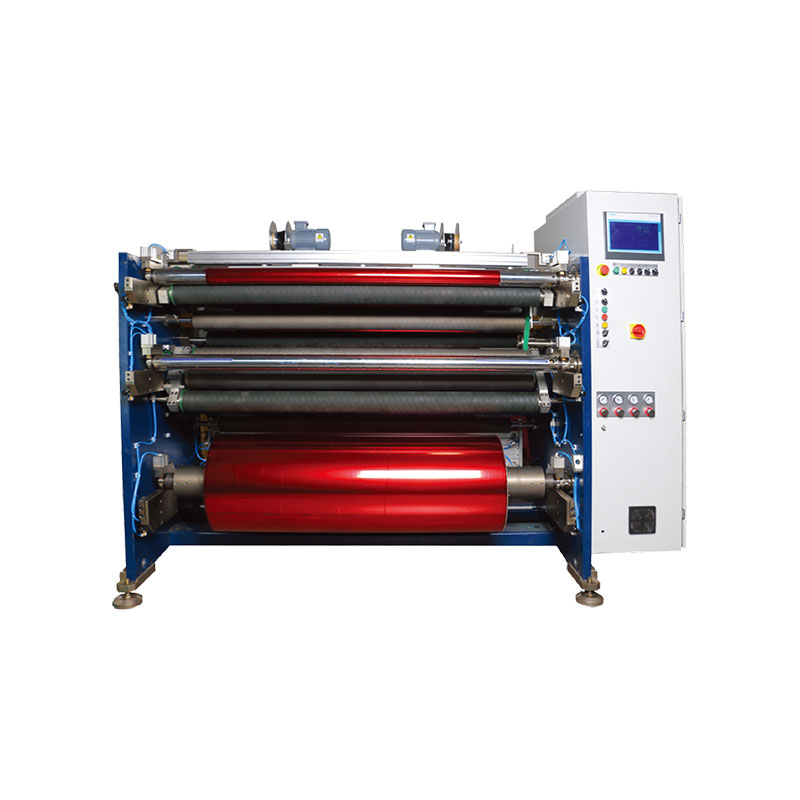 Hot Stamping Foil Slitter 1600mm
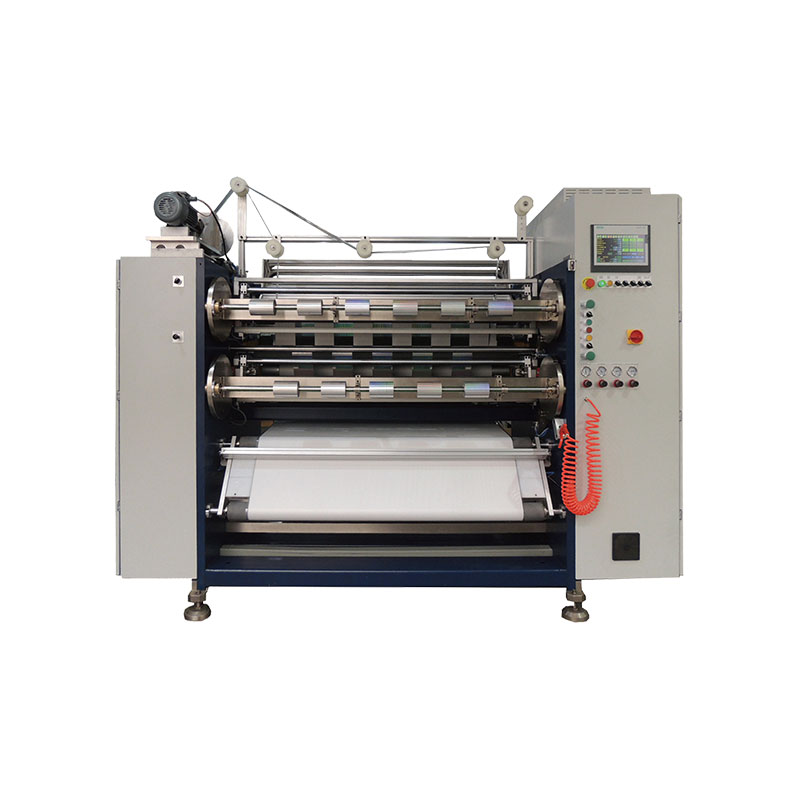 Hot Stamping Foil Slitter (4 Shafts)
 Semi-Auto TTR Slitter RSDS2 Plus
 Semi Automatic TTR Slitter RSDS5 Plus
 Manual TTR Slitter RSDS2
 Auto Paper Core Cutter
 Film Slitting Machine



 +86 135 9951 7291
 support@delishgroup.com
 +86 135 9951 7291