23. December, 2025delish0
As one of the core equipment in the printing and packaging industry, the reliability and longevity of the ribbon slitting machine directly affect production efficiency and product quality. With the increasing requirements for precision and efficiency in industrial manufacturing, how to scientifically evaluate and extend the service life of ribbon slitting machines has become the focus of industry attention. This article will delve into the key reliability metrics that determine the lifespan of ribbon slitting machines and their testing methods.
1. Mechanical structure reliability index
1. Durability of key components
• Cutting blade life: Blade material, hardness, sharpness retention time, and replacement intervals are the primary indicators of equipment reliability. High-quality carbide or diamond-coated inserts can significantly extend their service life.
• Bearings and Transmission Systems: The wear of spindle bearings, guide rails, and lead screws directly affects the slitting accuracy. The wear rate and accuracy decay under continuous operation conditions should be simulated during testing.
• Tension Control System: The stability of constant tension control determines the consistency of material stretching during slitting, and the longevity of its actuators (e.g., magnetic particle brakes, servo motors) is critical.
2. Structural stability
• Rack vibration characteristics: Resonance frequency changes and amplitude increases during long-term operation are important signals of structural fatigue.
• Thermal deformation control: whether the heat distribution generated by the continuous operation of the equipment is uniform, and whether the temperature rise of key components (such as spindles) is within the design range.
2. Reliability indicators of electrical control systems
1. Control system stability
• PLC and servo system: Fault interval time (MTBF) under continuous operation, program execution stability and anti-interference ability.
• Sensor accuracy retention: The accuracy decay rate and service life of key detection components such as photoelectric sensors and encoders.
2. Power system reliability
• Power Adaptability: Resistance to voltage fluctuations and instantaneous power outages.
• Electrical component life: The mechanical and electrical life of frequently moving elements such as contactors and relays.
3. Performance accuracy maintenance index
1. Slitting accuracy attenuation rate
• Longitudinal slitting accuracy: The trend of slitting straightness changes as the equipment runtime increases.
• Lateral dimensional accuracy: the change of slitting width error over time of use, especially the ability to maintain accuracy at high speeds.
2. Stable production efficiency
• Maximum continuous operating speed: The long-term sustainable operating speed of the equipment under the premise of ensuring accuracy.
• Acceleration performance degradation: The start-stop response speed changes with the time of use.
4. Environmental adaptability indicators
1. Temperature and humidity tolerance range
The ability of the equipment to maintain accuracy in different temperature and humidity environments, especially in extreme environments.
2. Dust and corrosion protection
The impact of dust and chemicals common in the ribbon production environment on the equipment, and the effectiveness of the protection system.

5. Comprehensive reliability test methods
1. Accelerated Life Test (ALT)
Tests are carried out under intensive stress conditions (e.g., increasing operating speed, increasing load), and the life under normal service conditions is calculated by mathematical models.
2. Optimization of periodic maintenance intervals
Determine optimal preventive maintenance intervals based on reliability data, balancing maintenance costs with equipment availability.
3. Failure Mode and Effects Analysis (FMEA)
The system analyzes potential failure modes and improves weak links in advance.
6. Key factors to extend the life of equipment
1. Material selection and process: key components are made of wear-resistant and corrosion-resistant materials, combined with precision machining technology
2. Lubrication system design: Reasonable lubrication schemes can reduce wear and extend mechanical life
3. Intelligent Monitoring: Integrating predictive maintenance systems such as vibration monitoring and temperature monitoring
4. Modular Design: Facilitates quick replacement of wearing parts, reducing downtime
Epilogue
The lifespan of a ribbon slitting machine is not determined by a single indicator, but a comprehensive embodiment of mechanical structure, electrical system, control accuracy and environmental adaptability. By establishing a scientific reliability testing system, manufacturers can not only accurately evaluate the life of the equipment, but also improve the design in a targeted manner. Users can develop reasonable maintenance plans to maximize the value of the equipment. In the future, with the application of the Internet of Things and big data technology, life prediction based on real-time operating data will become a new direction for reliability management of ribbon slitting machines, promoting the industry to move towards intelligent manufacturing with higher reliability and longer life.
 English
 Deutsch
 Français
 Español
 Português
 日本語
日本語 русский
 한국어
한국어 عربي
عربي ภาษาไทย
 Tiếng Việt
 Italiano
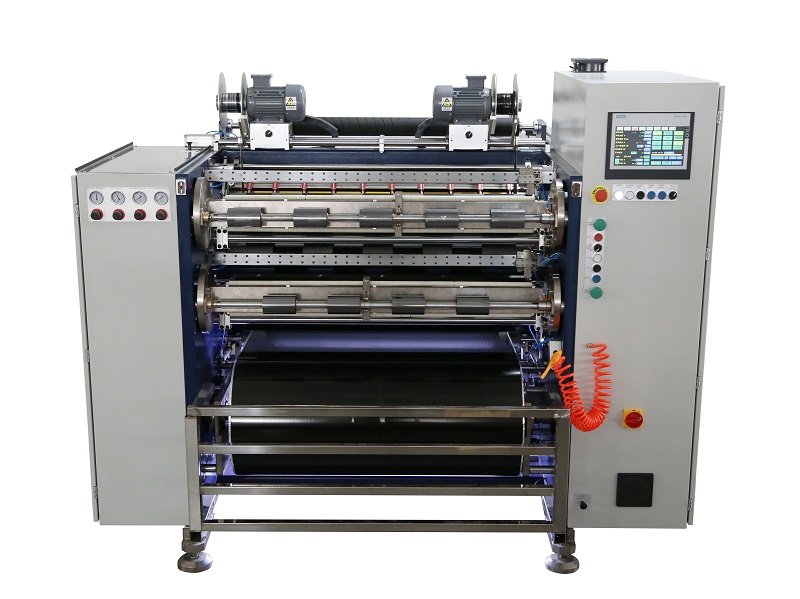 Fully Automatic TTR Slitter RSDS8 Plus
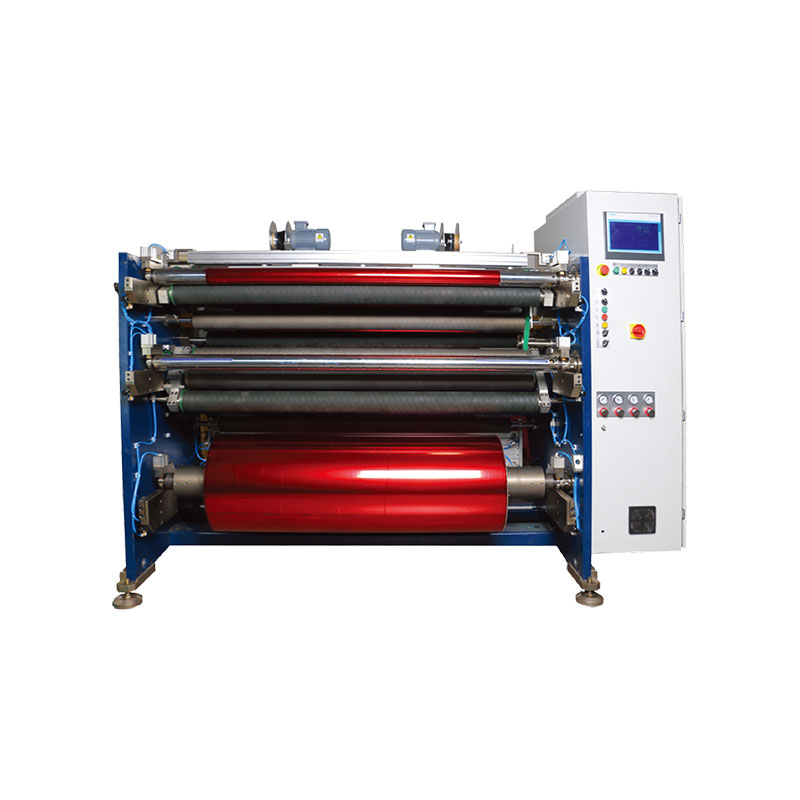 Hot Stamping Foil Slitter 1600mm
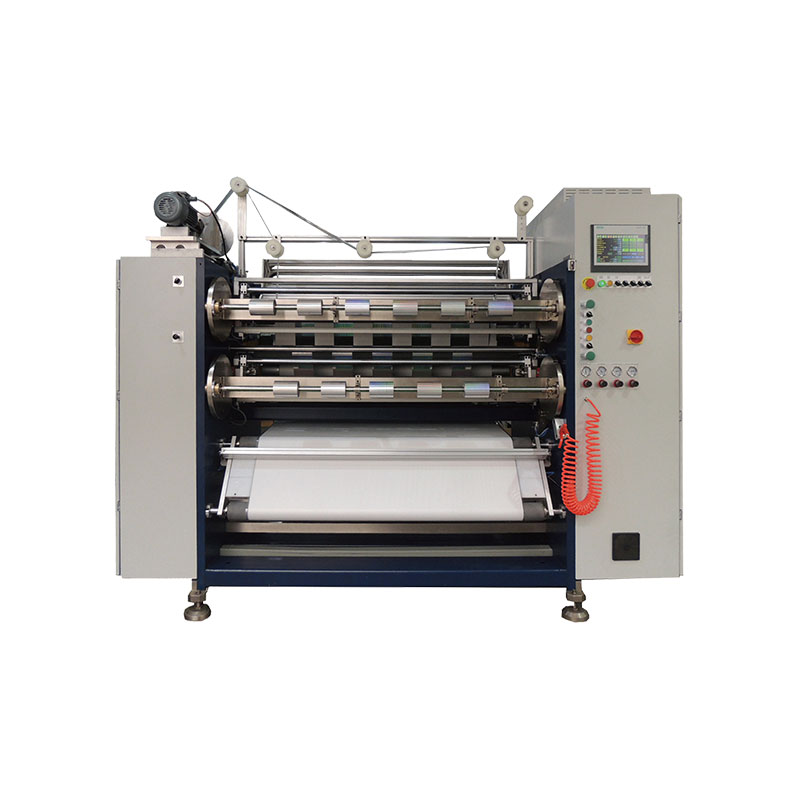 Hot Stamping Foil Slitter (4 Shafts)
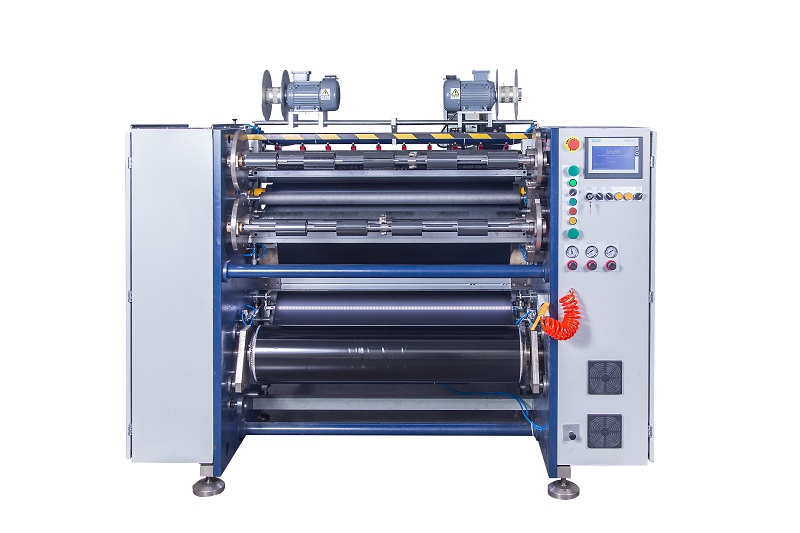 Semi-Auto TTR Slitter RSDS2 Plus
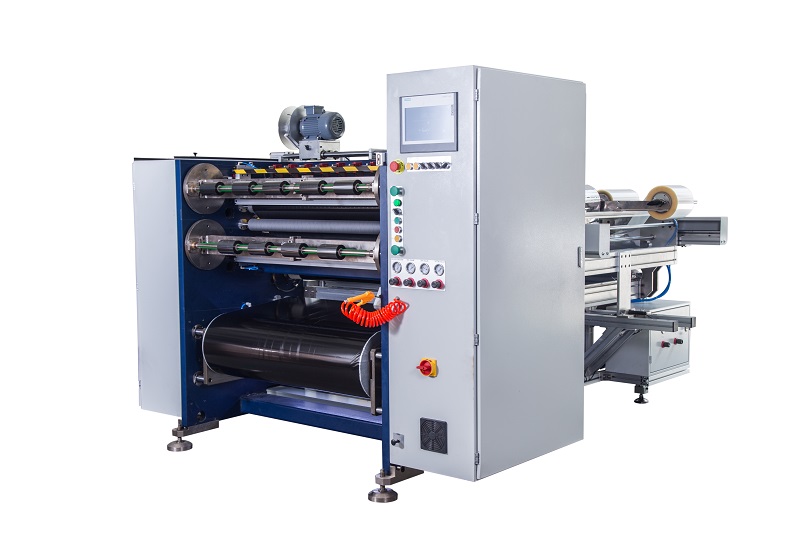 Semi Automatic TTR Slitter RSDS5 Plus
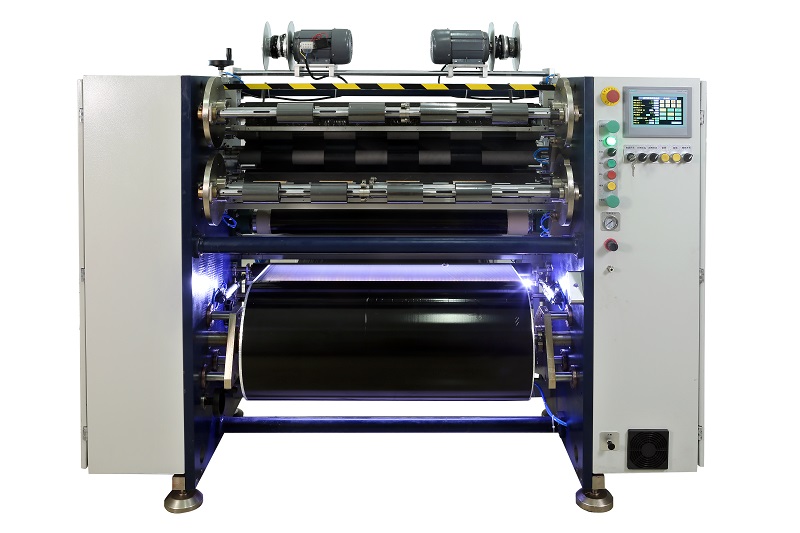 Manual TTR Slitter RSDS2
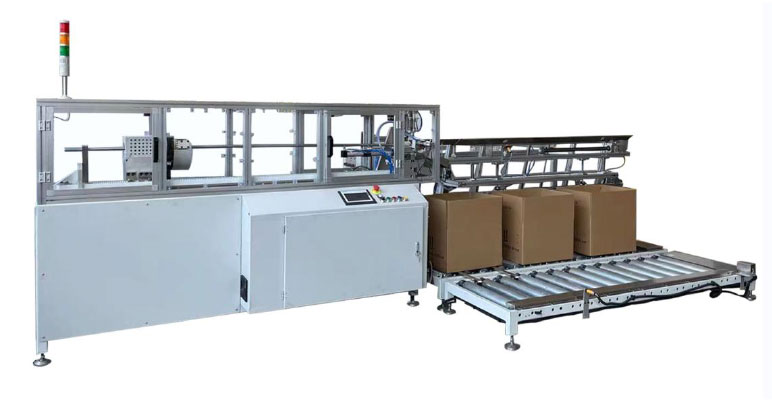 Auto Paper Core Cutter
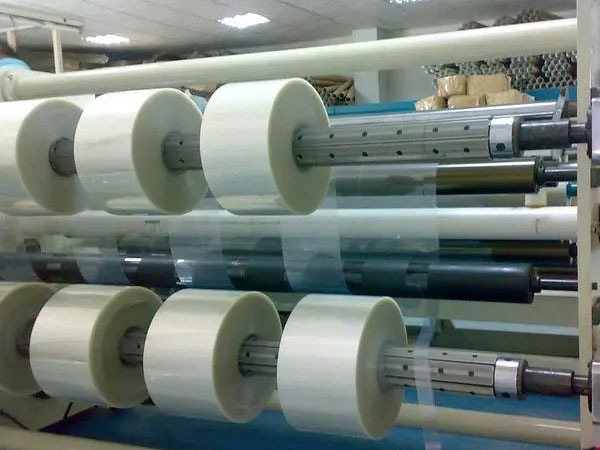 Film Slitting Machine



 +86 135 9951 7291
 support@delishgroup.com
 +86 135 9951 7291