02. January, 2026delish0
In the field of barcode label printing, ribbon quality directly affects printing effectiveness and production efficiency. As the last key process of ribbon production, ribbon slitting determines the quality of the finished ribbon. A high-quality ribbon slitting machine must achieve a precise balance in multiple technical dimensions to achieve excellent performance of "stable and non-cassette". This article will provide an in-depth analysis of the key technology systems to achieve this goal.
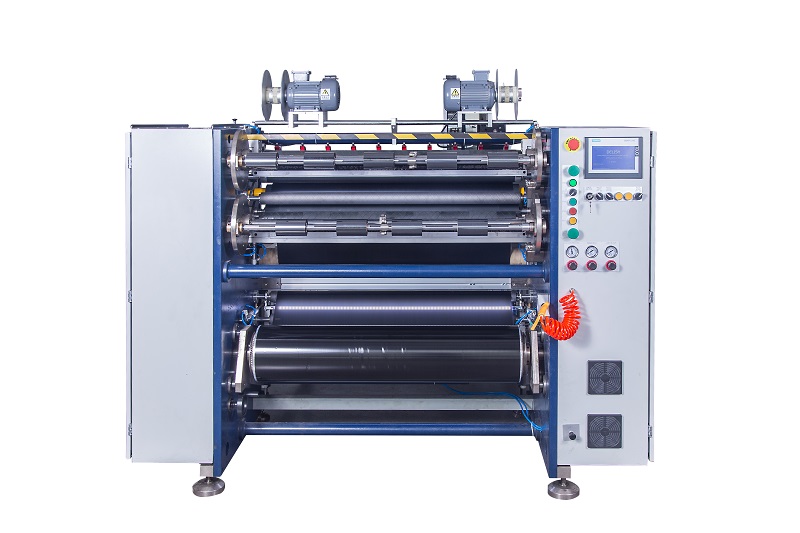
1. Tension control system: the "nerve center" of the slitting machine
Tension control is the core technical challenge of ribbon slitting. The ribbon substrate is mostly polyester film, with a very thin thickness (common 4.5μm-12μm), and in the high-speed slitting process, tension fluctuations can easily lead to tensile deformation, wrinkling and even fracture of the film.
• Multi-stage closed-loop tension control: The advanced slitting machine adopts a three-stage independent closed-loop control system of unwinding, traction and rewinding. Through real-time monitoring of high-precision tension sensors, fast PLC calculations, and magnetic powder clutch/brake or servo torque modes, millisecond-level dynamic adjustment of tension is realized, and the fluctuation is controlled within ±0.1N.
• Taper tension control algorithm: When the winding diameter continues to increase, constant tension will cause excessive core pressure, resulting in ribbon "chrysanthemum pattern" or sticking. The intelligent taper control model can smoothly reduce the winding tension according to the change of coil diameter, ensuring that the inner and outer layers of the coil are consistently tight.
• Dynamic compensation mechanism: For transient processes such as starting, acceleration, deceleration, and shutdown, as well as sudden changes in tension during material reception, the system needs to preset expert curves for advanced compensation to avoid instantaneous relaxation or over-tightening.
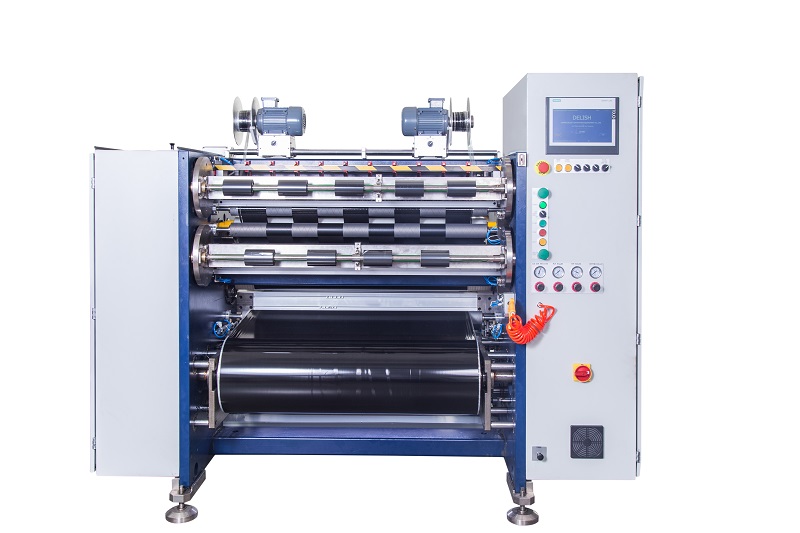
2. Precision slitting and winding system: the "hands" that determine the quality of slitting
• Ultra-precision cutting unit:
◦ Tool configuration: Use high-hardness alloy steel or ceramic round knives with nano-level polishing of the blade to ensure smooth and burr-free cuts. The tool holder is equipped with a high-rigidity fine-tuning mechanism to achieve a slitting width accurate to ±0.05mm.
◦ Cutting method: Choose contact or non-contact cutting according to the characteristics of the ribbon (with or without back coating). The air-floating tool shaft reduces vibration during high-speed rotation and ensures cutting stability.
• Intelligent winding technology:
◦ Synchronous drive: Each rewinding shaft is driven by an independent servo motor, which realizes strict synchronization with the traction shaft through electronic gears to eliminate accumulated errors.
◦ Pressure control: Contact winding adopts pneumatic or electric pressure control, which automatically adjusts the pressure of the roller with the increase of the coil diameter to ensure uniform winding tightness.
◦ Anti-channel edge design: Photoelectric edge detection system (EPC) or high-precision guide roller mechanism is used to correct deviations in real time to ensure that the winding end face is neat and the tolerance is controlled within ±0.2mm, which is the key to avoiding "cassettes" during operation.

3. Intelligent detection and correction system: a "quality inspector" who never gets tired
• High-precision guidance correction system: Deploy guidance sensors (such as CCD or ultrasonic) at key stations such as unwinding, slitting, and winding. The system can automatically identify the edge of the film or the printing line, drive the guiding guide rail in real time, and control the amount of film deviation within ±0.1mm, eliminating poor trimming or winding misalignment caused by deviation.
• Online defect detection: The integrated visual inspection system can detect defects such as holes, black spots, and uneven coating of ribbon raw materials online, and automatically mark or reject them to improve the yield.
4. Ergonomics and system integration: efficient and stable "brain"
• Advanced control system: based on industrial PC or high-performance PLC, equipped with dedicated control software. It has functions such as parameter memory, recipe management, and production data traceability. The intuitive HMI interface makes operation easy and reduces human error.
• Modular and reliable design: key components such as bearings, guide rails, and sensors are made of long-life brand products. Modular design allows for easy maintenance and upgrades. The whole machine adopts a low vibration design, and considers heat dissipation and dust prevention to ensure continuous and stable operation for 7x24 hours.
• Closed-loop process data: Through IoT technology, machines can collect massive process data such as tension, speed, and correction, and use machine learning algorithms to continuously optimize control parameters to form a self-improving intelligent production system.
Epilogue
"Stable non-cassette" is by no means the work of a single technology, but the crystallization of the deep integration of precision mechanical design, advanced control theory, intelligent sensing technology and rich process experience. With the advancement of Industry 4.0, the future ribbon slitting machine will further develop in the direction of intelligence and adaptation, through digital twin technology for virtual debugging and process optimization, to achieve close to "zero defect" ribbon production, and provide the most basic material guarantee for high-reliability barcode recognition. For ribbon manufacturers, investing in high-quality slitting equipment with these key technologies is not only a direct way to improve product competitiveness and reduce losses, but also an indispensable step towards smart manufacturing.
 English
 Deutsch
 Français
 Español
 Português
 日本語
日本語 русский
 한국어
한국어 عربي
عربي ภาษาไทย
 Tiếng Việt
 Italiano
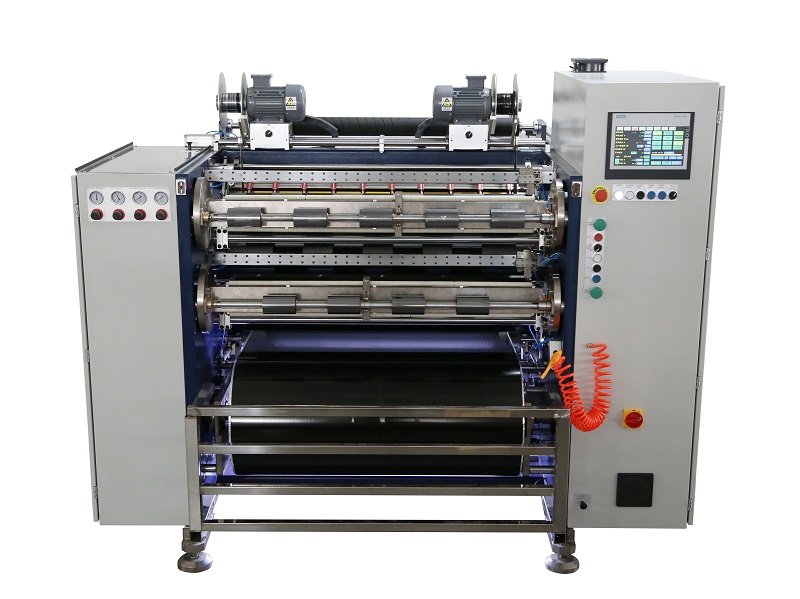 Fully Automatic TTR Slitter RSDS8 Plus
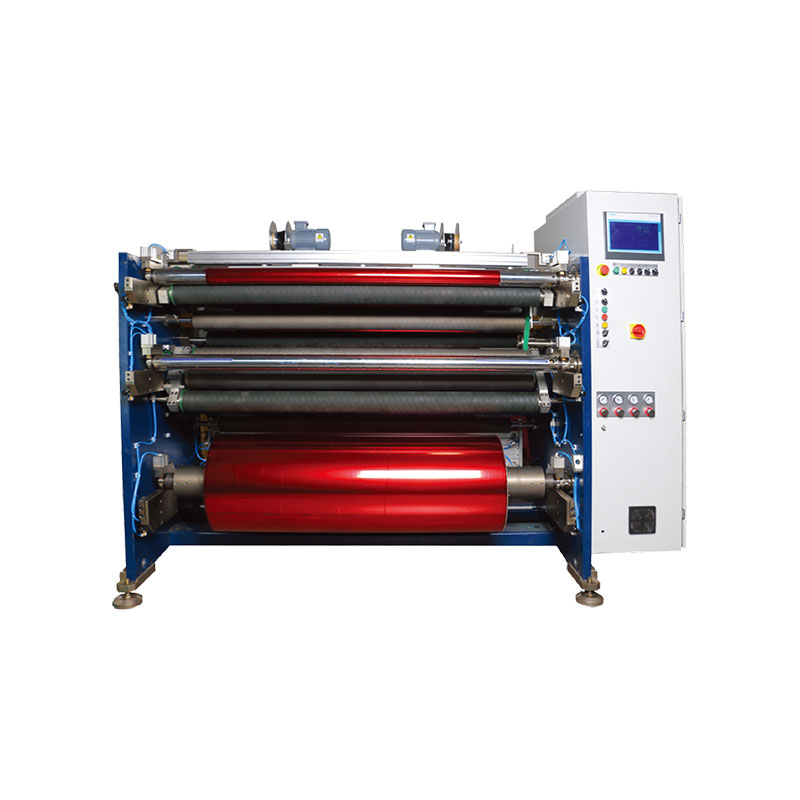 Hot Stamping Foil Slitter 1600mm
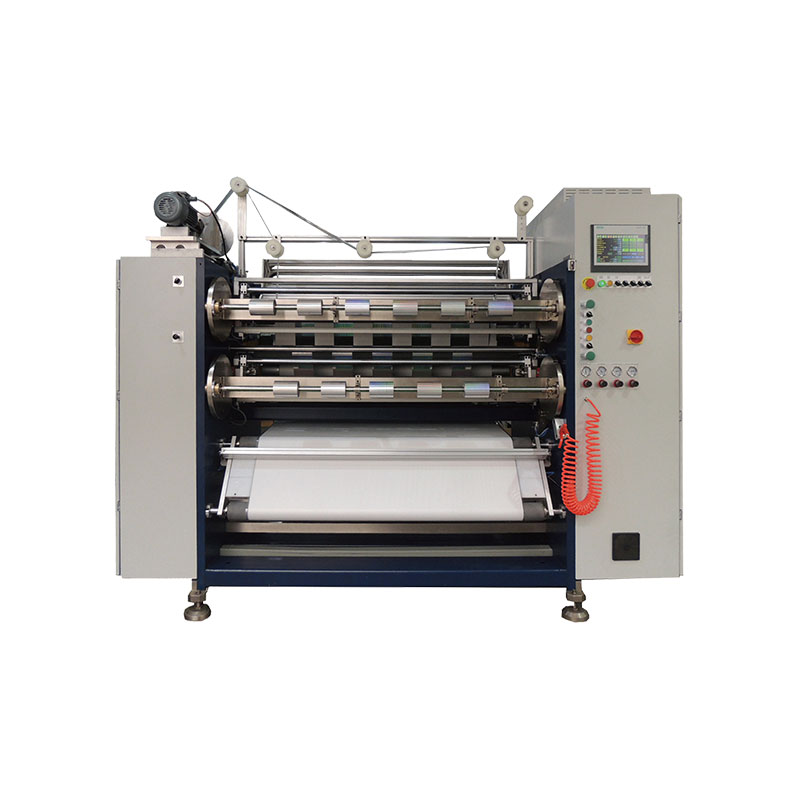 Hot Stamping Foil Slitter (4 Shafts)
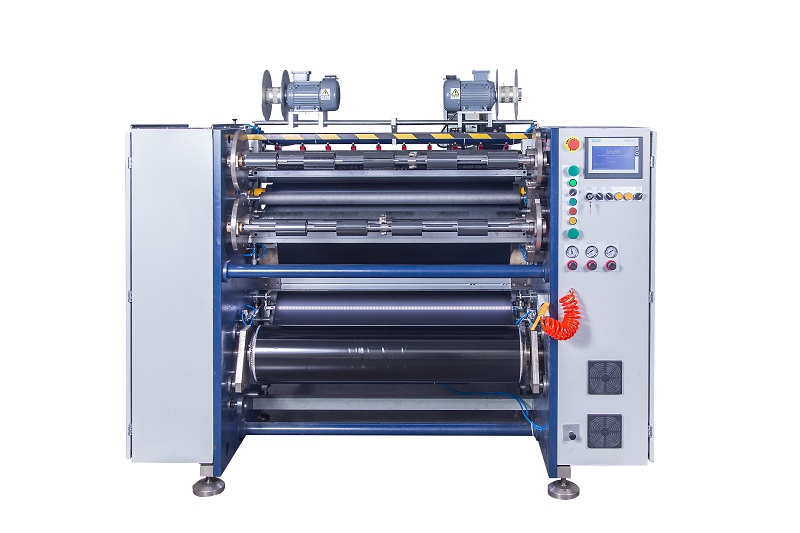 Semi-Auto TTR Slitter RSDS2 Plus
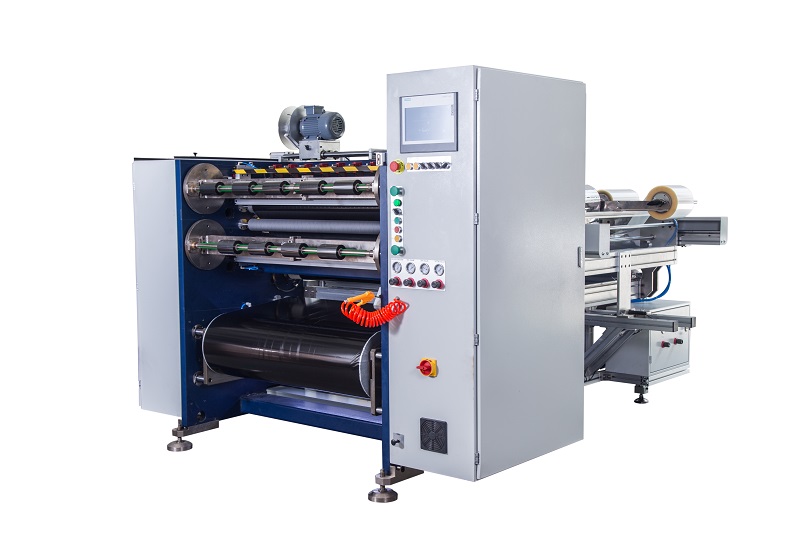 Semi Automatic TTR Slitter RSDS5 Plus
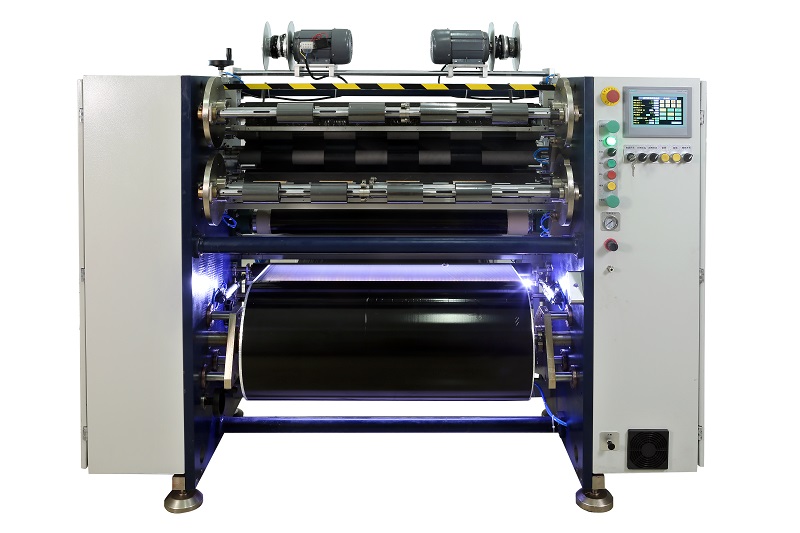 Manual TTR Slitter RSDS2
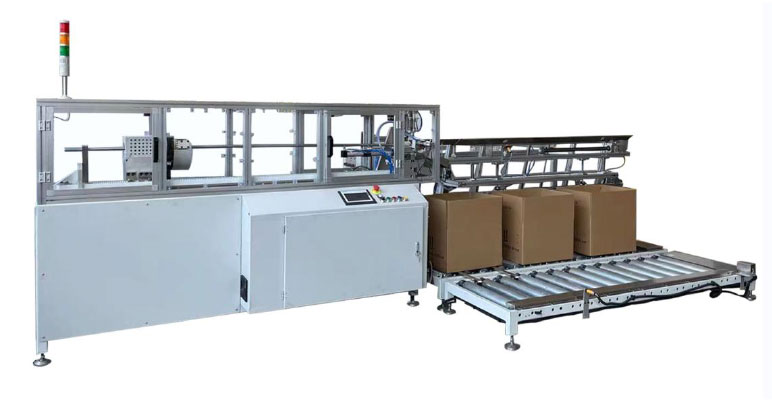 Auto Paper Core Cutter
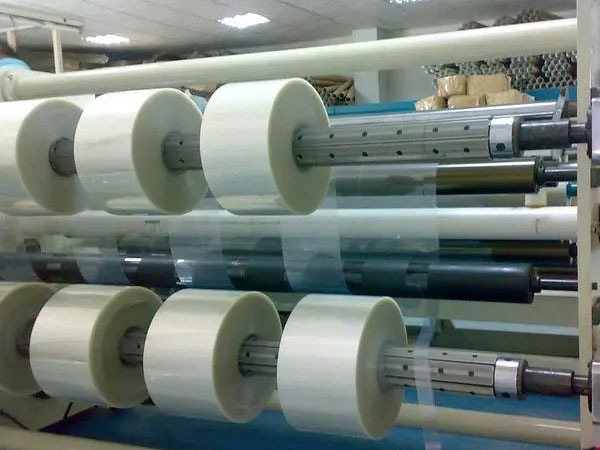 Film Slitting Machine



 +86 135 9951 7291
 support@delishgroup.com
 +86 135 9951 7291