07. January, 2026delish0
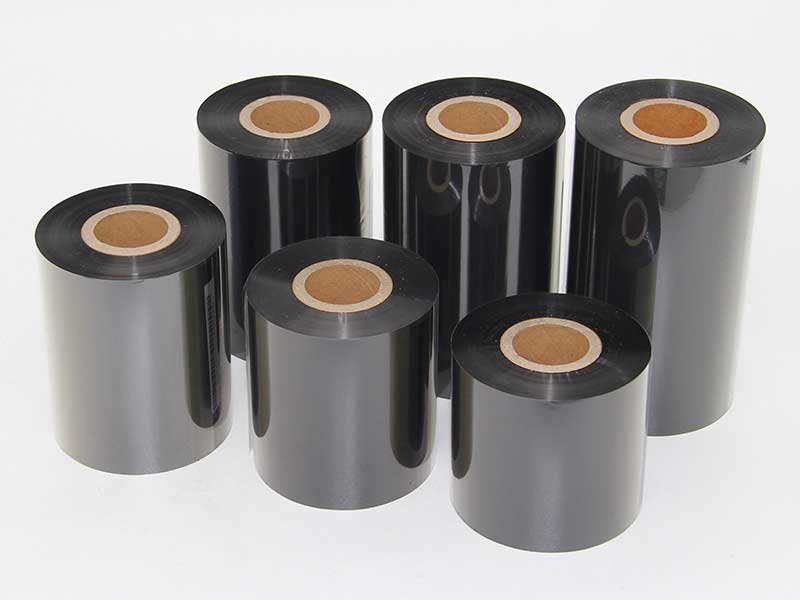
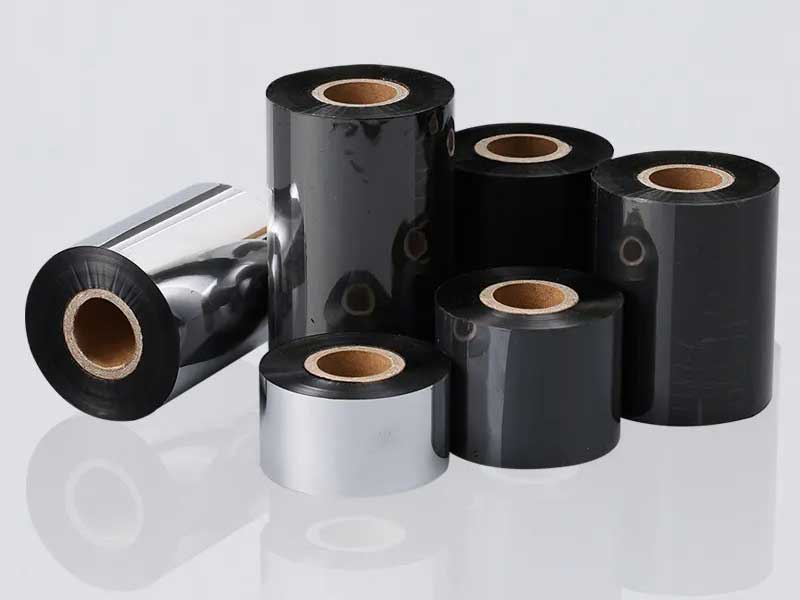
In industrial fields such as label printing and barcode manufacturing, ribbon is a key consumable in thermal transfer technology, and its slitting accuracy and efficiency directly affect the quality and production cost of downstream products. The traditional manual slitting model is not only inefficient, but also has serious human resource dependence problems. The emergence of automated ribbon slitting machines is bringing a revolution in labor costs to enterprises.
The manpower dilemma of the traditional ribbon slitting mode
Traditional ribbon slitting usually requires multiple skilled workers to work together: one worker is responsible for loading and initial positioning, another is responsible for slitting equipment, and special personnel are also required for quality inspection, dimensional measurement and finished product packaging. This labor-intensive model faces multiple challenges:
1. Labor costs continue to rise: As the labor market changes, the salaries of skilled workers continue to rise
2. Obvious Efficiency Bottlenecks: The manual operation speed is limited, unable to accommodate the needs of large orders
3. Risk of quality fluctuations: Unstable slitting accuracy caused by human factors, increasing scrap rates
4. Safety hazards: Sharp cutting equipment and heavy raw material handling pose the risk of work-related injuries
How automated ribbon slitting machine optimizes labor costs
1. Significantly reduced operators
The automatic ribbon slitting machine automates the whole process from raw material feeding, slitting, detection and packaging. The process that originally required 3-4 people to work together now only needs one operator to monitor the operation of the equipment, reducing the manpower demand by 60-75%. Based on the calculation of operators with a monthly salary of 5,000 yuan, a single production line can save 1-15,000 yuan in direct labor costs per month.
2. Production efficiency is exponentially improved
The automated equipment can run 24 hours a day, and the slitting speed can reach 3-5 times that of manual labor. After a medium-sized label material company introduced an automated slitting machine, the daily output increased from 800 rolls to 3,500 rolls, while the number of operators was reduced from 12 to 4, and the labor cost per unit product was reduced by more than 70%.
3. Reduced skill requirements and training cost savings
Traditional slitting work requires experienced skilled workers, with training cycles of up to 3-6 months. The operation interface of the automation equipment is intuitive and friendly, and new employees can start working after 1-2 weeks of training, which greatly reduces training costs and time investment.
4. Quality control automation reduces rework and waste
The automated slitting machine is equipped with high-precision sensors and visual inspection systems, which can monitor the slitting width, edge neatness and winding tightness in real time, ensuring a product qualification rate of more than 99.5%. Compared with the 20-30% missed inspection rate of manual quality inspection, the automated system significantly reduces rework costs and material waste due to quality issues.
5. Multi-dimensional cost synergy is reduced
• Energy consumption optimization: intelligent control system adjusts equipment power according to production tasks, saving 15-20% energy compared to conventional equipment
• Improved space utilization: Compact automation equipment reduces floor space by 30% and reduces plant costs
• Reduced Management Costs: Streamlining production processes reduces complexity in production scheduling, quality management, and human resource management

Return on investment analysis
Taking a medium-sized automatic ribbon slitting machine as an example, the investment cost is about 40-600,000 yuan. For enterprises with a monthly output of 20,000 rolls of carbon belts, after the automation transformation:
• Reduction of direct labor costs: about 25,000 yuan per month
• Material waste reduction: about 8,000 yuan per month
• Marginal income from increased production capacity: about 32,000 yuan per month
Overall, the payback period is usually 12-18 months, and the long-term benefits are significant.
Implementation recommendations and challenge responses
Successful introduction of automated ribbon slitting machines requires businesses to pay attention:
1. Gradual transformation: Start with a pilot in some production lines and gradually promote it to the whole plant
2. Personnel transfer planning: Retrain existing employees in skills such as automation equipment maintenance, programming, and quality control
3. Supplier Selection: Prioritize equipment suppliers who provide comprehensive technical support and training
4. Data system integration: Connect automation equipment with enterprise ERP and MES systems to achieve real-time analysis of production data
Epilogue
In the tide of intelligent transformation of the manufacturing industry, the automated ribbon slitting machine is not only a technological upgrade of production tools, but also a profound change in the human resources strategy of enterprises. It transforms from "labor-intensive" to "technology-driven" by reducing reliance on repetitive manual labor and allocating limited human resources to higher-value R&D, management, and customer service.
With the further integration of artificial intelligence and Internet of Things technology, future ribbon slitting equipment will be more intelligent and flexible, able to independently adjust production parameters and predict maintenance needs according to order changes, becoming the core asset of enterprises to continuously reduce operating costs and enhance market competitiveness. For modern enterprises pursuing lean production and sustainable development, investing in automated ribbon slitting technology is no longer an optional issue, but an inevitable strategic direction.
 English
 Deutsch
 Français
 Español
 Português
 日本語
日本語 русский
 한국어
한국어 عربي
عربي ภาษาไทย
 Tiếng Việt
 Italiano
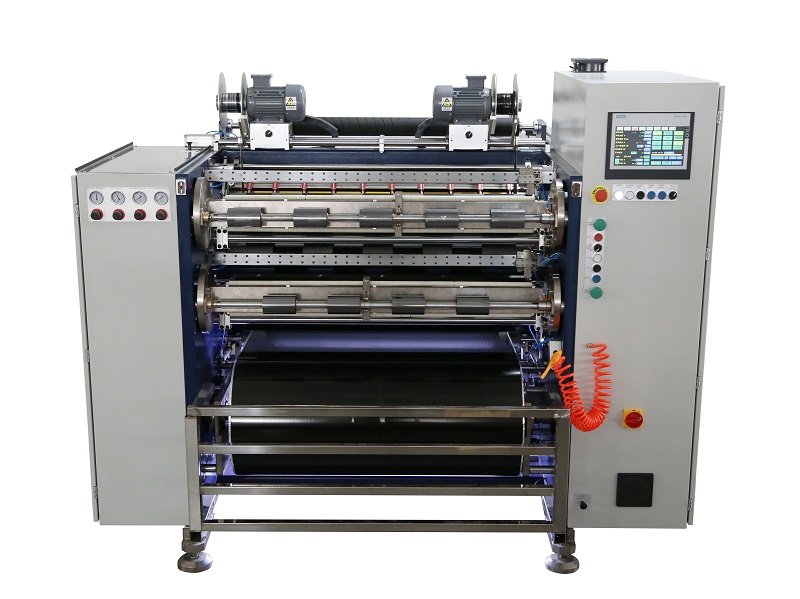 Fully Automatic TTR Slitter RSDS8 Plus
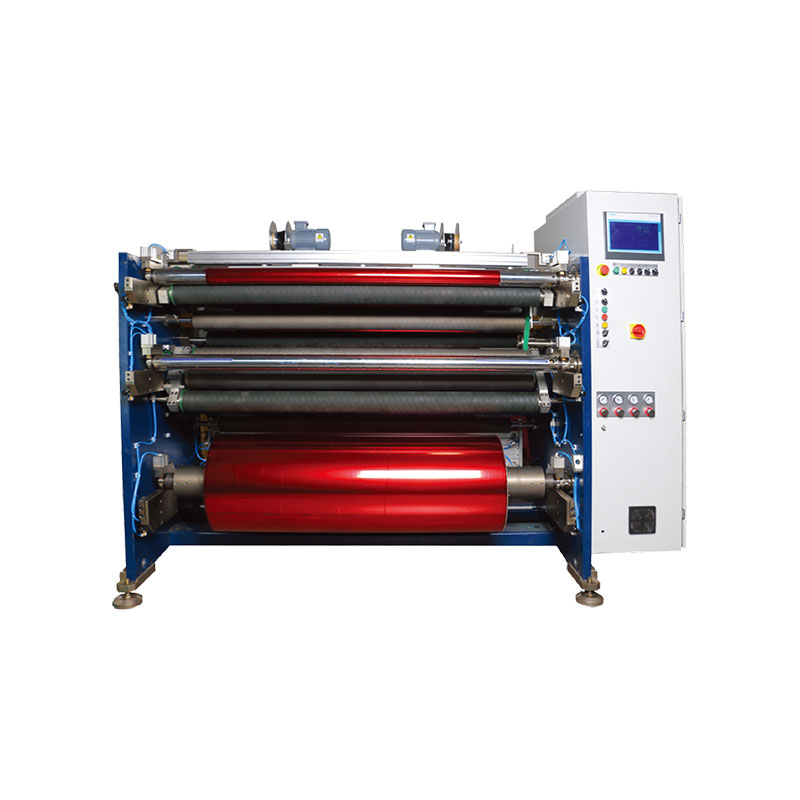 Hot Stamping Foil Slitter 1600mm
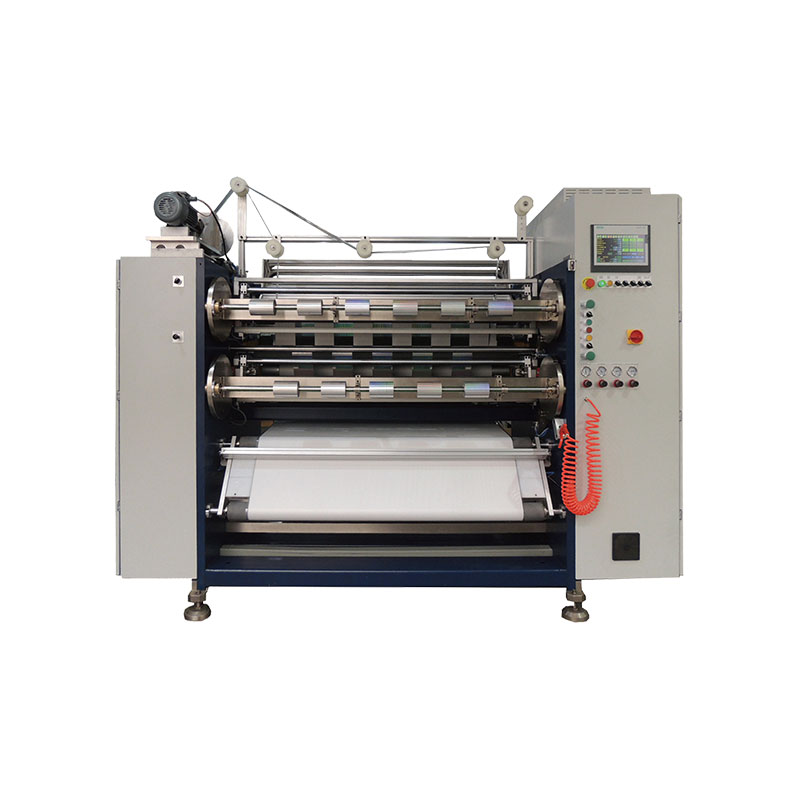 Hot Stamping Foil Slitter (4 Shafts)
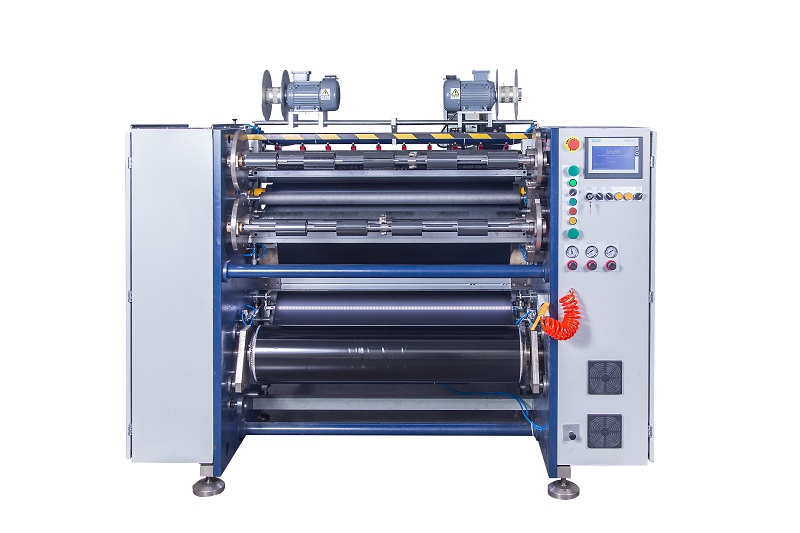 Semi-Auto TTR Slitter RSDS2 Plus
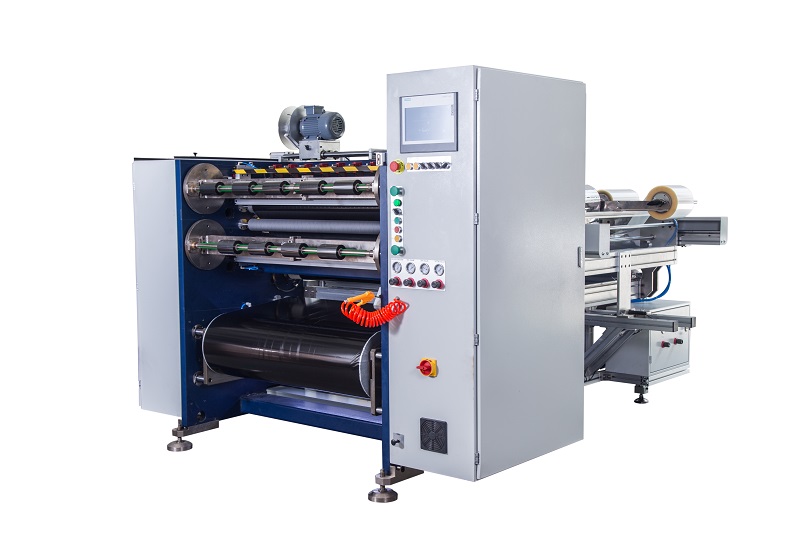 Semi Automatic TTR Slitter RSDS5 Plus
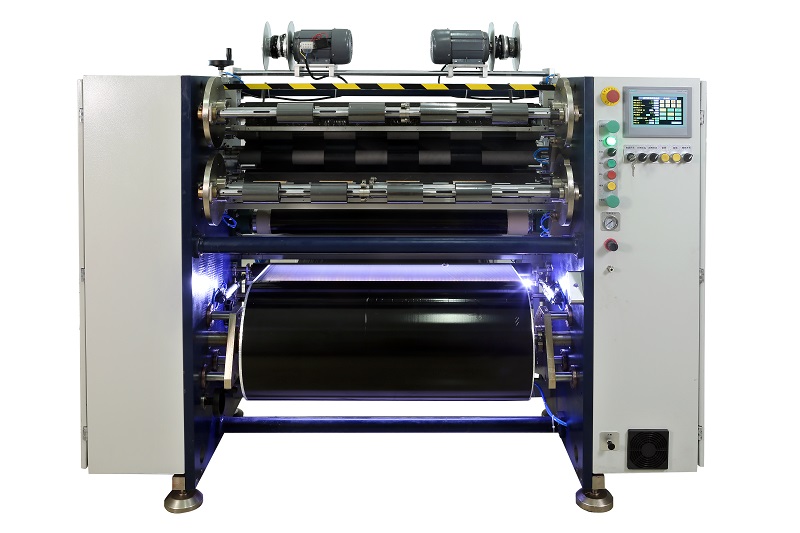 Manual TTR Slitter RSDS2
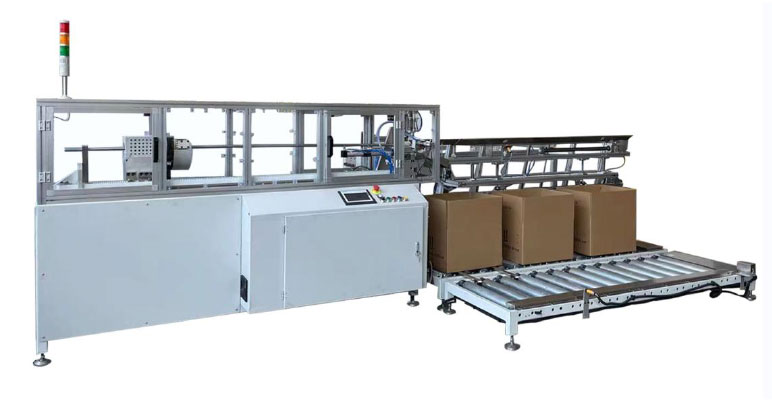 Auto Paper Core Cutter
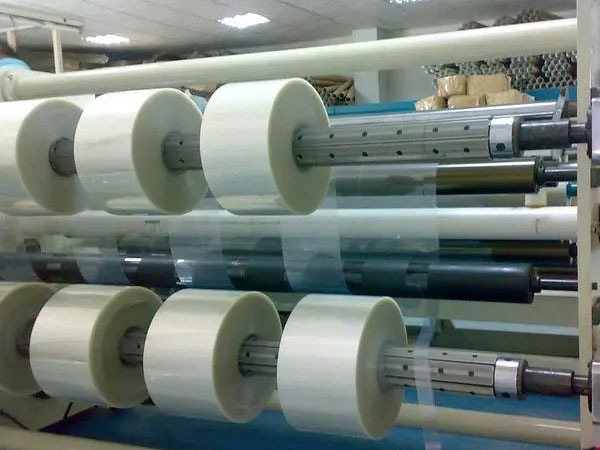 Film Slitting Machine



 +86 135 9951 7291
 support@delishgroup.com
 +86 135 9951 7291