19. January, 2026delish0
In the barcode label printing industry, ribbon slitting machines are key equipment that connects ribbon production and end applications. Whether it's printing supermarket price tags, logistics sheets, product logos, or industrial-grade weather-resistant labels, choosing the right slitting machine directly affects printing efficiency, cost control, and final printing results. This article will analyze the key points of ribbon slitting machine selection for your system and help you find the slitting solution that best meets your needs.
1. Understand the core role of ribbon slitting machine
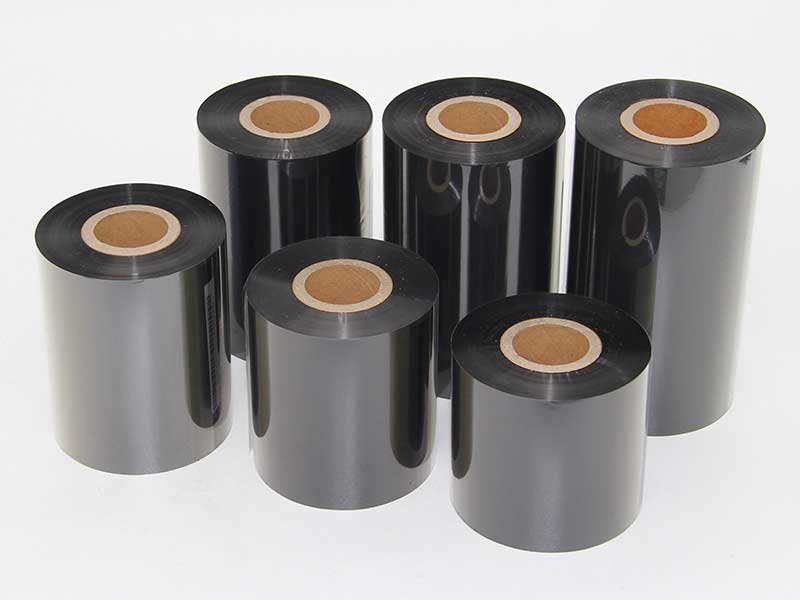
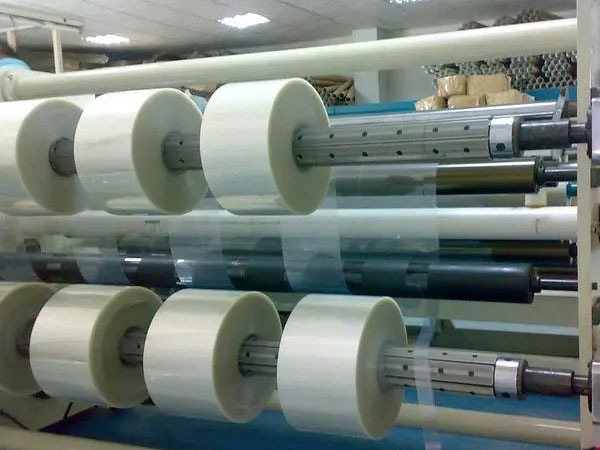
The main function of the ribbon slitting machine is to cut the original ribbon into finished rolls of a specific width according to the actual printing needs. This not only avoids the high cost of purchasing pre-cut ribbons, but also gives users the autonomy to flexibly adjust the width of the carbon band, especially suitable for application scenarios with diverse printing needs and frequent changes in specifications.
2. Clarify your core printing needs
Before purchasing a slitting machine, answer the following key questions:
1. Print application scenario analysis
• Office/light commercial applications: Occasional slitting is required, small volume and large specifications
• Commercial Printing Services: Medium batches with frequent specification changes
• Industrial-grade continuous production: large batches, high precision requirements
• Special material printing: special ribbons such as slitting resin base and hybrid base are required
2. Slitting parameter requirements
• Maximum Slitting Width: Determined based on the maximum supported width of your printer
• Slitting accuracy requirements: ± 0.5mm for ordinary labels may be sufficient, while precision electronic labels may need ±0.1mm
• Production estimate: average daily/monthly slitting length
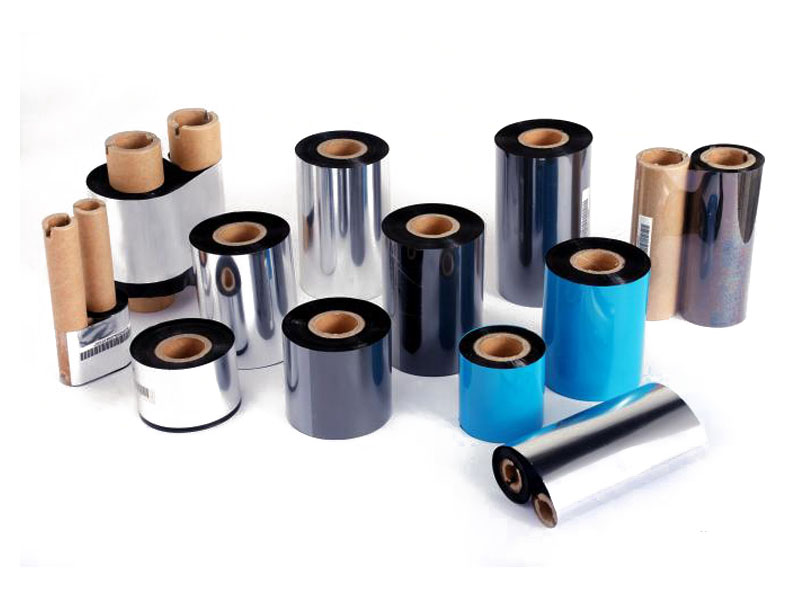
• Material compatibility: Slitting requirements for wax-based, hybrid-based, and resin-based ribbons are different
3. Key technical parameters for ribbon slitting machine selection
1. Slitting accuracy level
• Economical (±0.5mm): suitable for ordinary commodity labels and storage labels
• Standard type (±0.3mm): suitable for logistics bills and retail labels
• Precision type (±0.1mm): suitable for high-precision applications such as electronic product labels and medical labels
2. Slitting speed range
• Low-speed model (10-30 m/min): suitable for small batches and multiple varieties
• Medium speed model (30-60 m/min): suitable for small and medium-sized commercial printing service providers
• High-speed model (60-150 m/min): suitable for professional ribbon processors or large enterprises
3. Degree of automation
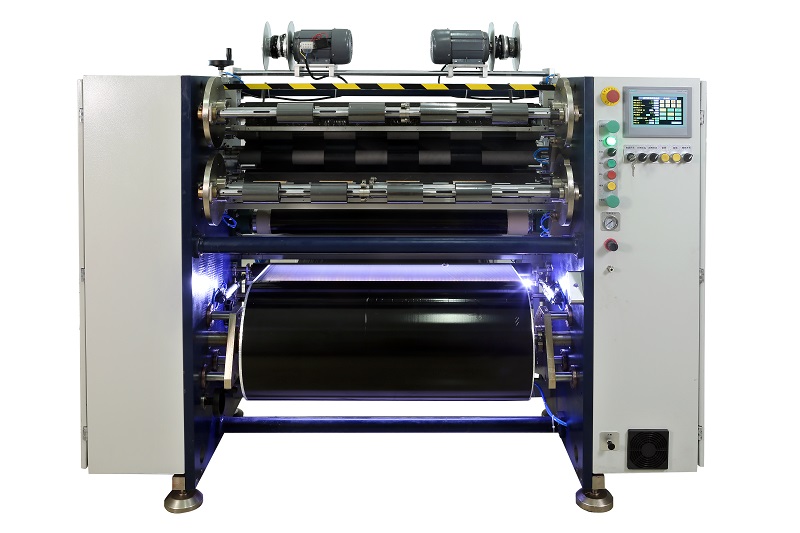
• Manual adjustment type: low cost, suitable for users with few specification changes
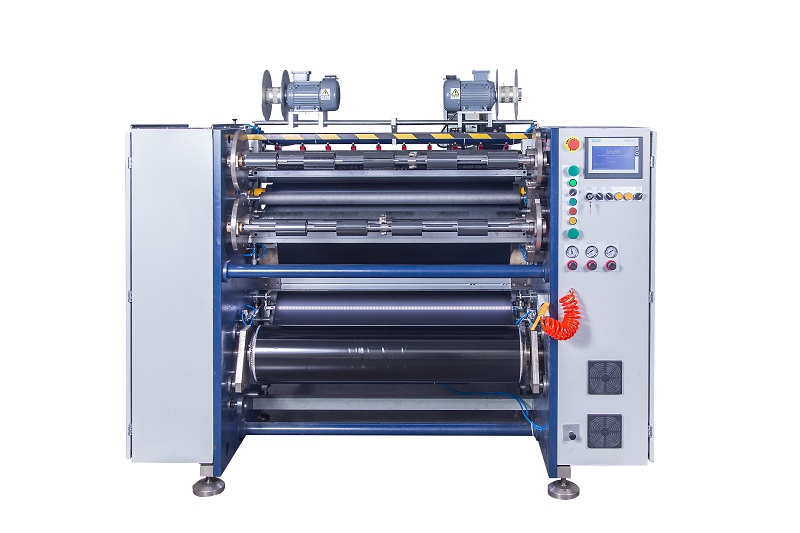
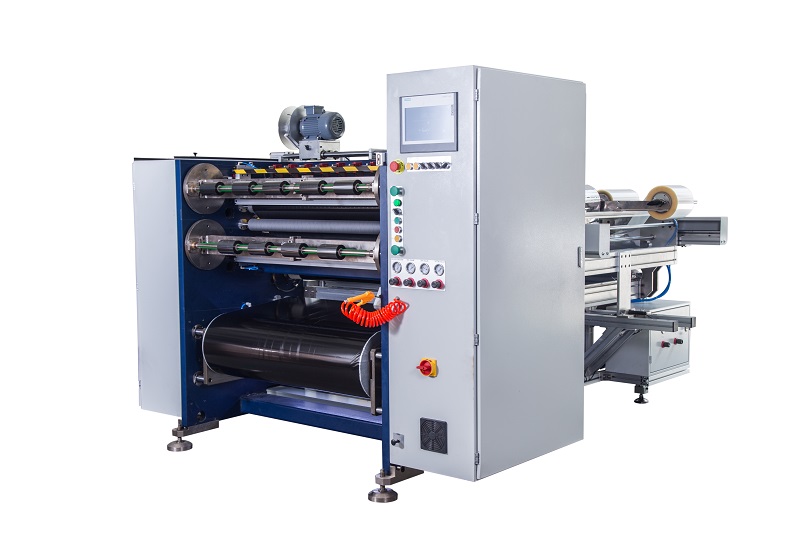
• Semi-automatic type: with digital setting, suitable for small and medium-sized batches and multiple specifications
• Fully automatic type: automatic tension control, correction system, suitable for continuous production
4. Core function configuration
• Tension control system: ensures that the slitting edges are flat and avoid breakage
• Guiding System (EPC): High-end models are equipped to ensure slitting straightness
• Cutting method: round knife cutting (commonly used), razor cutting (special materials)
• Winding mechanism: center rewinding vs surface rewinding
4. Purchase suggestions for matching different application scenarios
Scenario 1: Small office/retail store
• Demand characteristics: occasional slitting, simple specifications, limited budget
• Recommended configuration: Desktop manual slitting machine, maximum width 150mm
• Budget range: 3,000-8,000 yuan
• Key considerations: ease of operation, footprint
Scenario 2: Small and medium-sized printing service providers
• Demand characteristics: medium batches, specifications change frequently
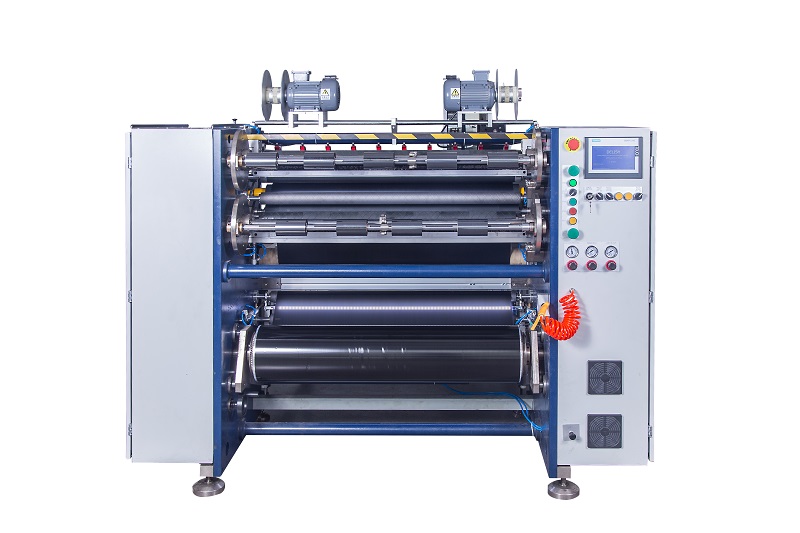
• Recommended configuration: semi-automatic slitting machine with digital setting function, maximum width 300mm
• Budget range: 15,000-40,000 yuan
• Key considerations: slitting efficiency, ease of operation, and accuracy stability
Scenario 3: Large manufacturing enterprises/professional ribbon processors
• Demand characteristics: mass continuous production, high precision requirements
• Recommended configuration: automatic slitting machine, equipped with EPC correction system, maximum width of more than 600mm
• Budget range: 80,000-300,000 yuan
• Key considerations: production stability, maintenance costs, long-term durability
5. Key points of on-site inspection when purchasing
1. On-site trial cutting: Bring your own commonly used carbon ribbon to test the slitting effect on the spot
2. Observe Edge Quality: Check that the edges of the ribbon are smooth and free of burrs after slitting
3. Test Tension Adjustment: Experience the slitting effect with different tension settings
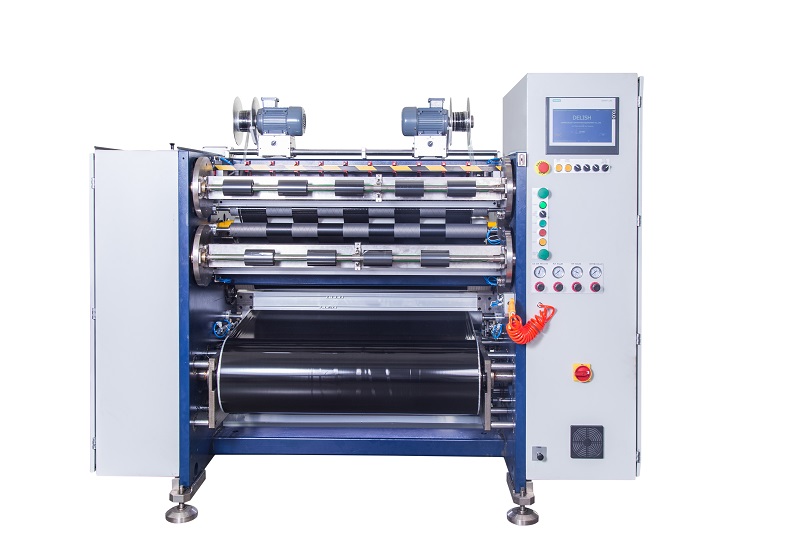
4. Evaluate the Operation Interface: Ensure clear operation logic and intuitive parameter setting
5. Understand Maintenance Needs: Inquire about routine maintenance processes and wear parts replacement intervals

6. Long-term cost considerations
• Energy consumption comparison: power differences between different models
• Consumables Costs: Cutting blade life and replacement costs
• Maintenance intervals: Regular maintenance requirements and costs
• Upgrade scalability: Whether it supports future function expansion
• Vendor support: technical support response time and quality of service
7. Safety and compliance precautions
1. Electrical Safety Certification: Ensure that the equipment meets local electrical safety standards
2. Guards: Check if the moving parts have adequate protection
3. Noise level: Especially the equipment planned to be placed in the office environment
4. Material compatibility: Confirm that the device supports the type of ribbon you are using
Conclusion: Invest rationally from demand
Choosing a ribbon slitting machine is not about looking for the "most advanced" or "cheapest", but about the "most fit". It is recommended to first clarify the development trend of your printing demand in the next 1-3 years, and choose a slightly redundant configuration within the budget to reserve space for business development. At the same time, priority is given to brands with good after-sales service support in the local area to ensure long-term stable operation of the equipment.
Whether you are purchasing your first slitting machine to save costs or upgrading equipment to increase production capacity, scientific analysis of needs and rational evaluation of equipment will help you make informed investment decisions, making ribbon slitting machines truly a powerful tool for improving printing efficiency and reducing costs.
 English
 Deutsch
 Français
 Español
 Português
 日本語
日本語 русский
 한국어
한국어 عربي
عربي ภาษาไทย
 Tiếng Việt
 Italiano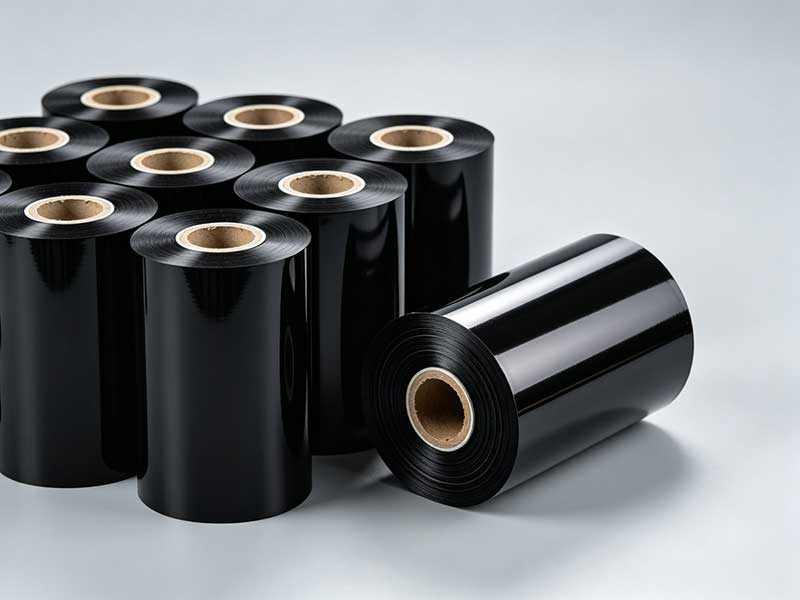
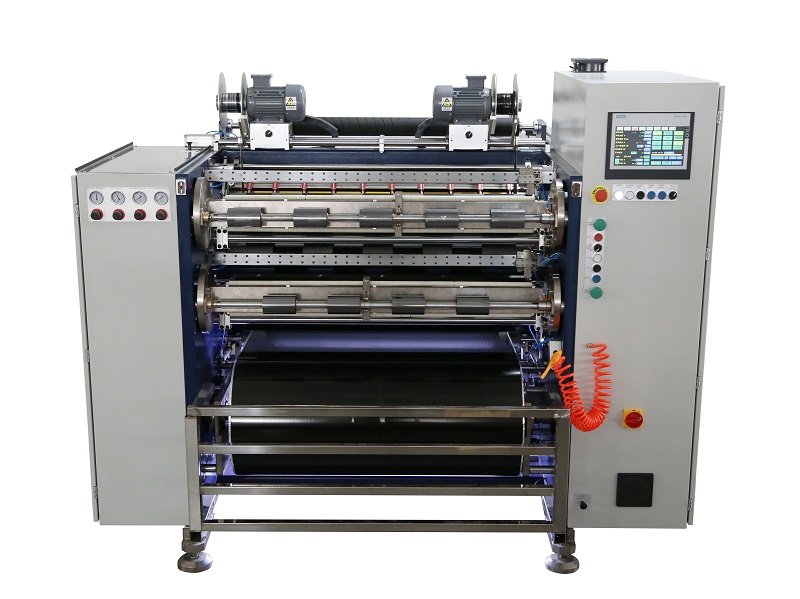 Fully Automatic TTR Slitter RSDS8 Plus
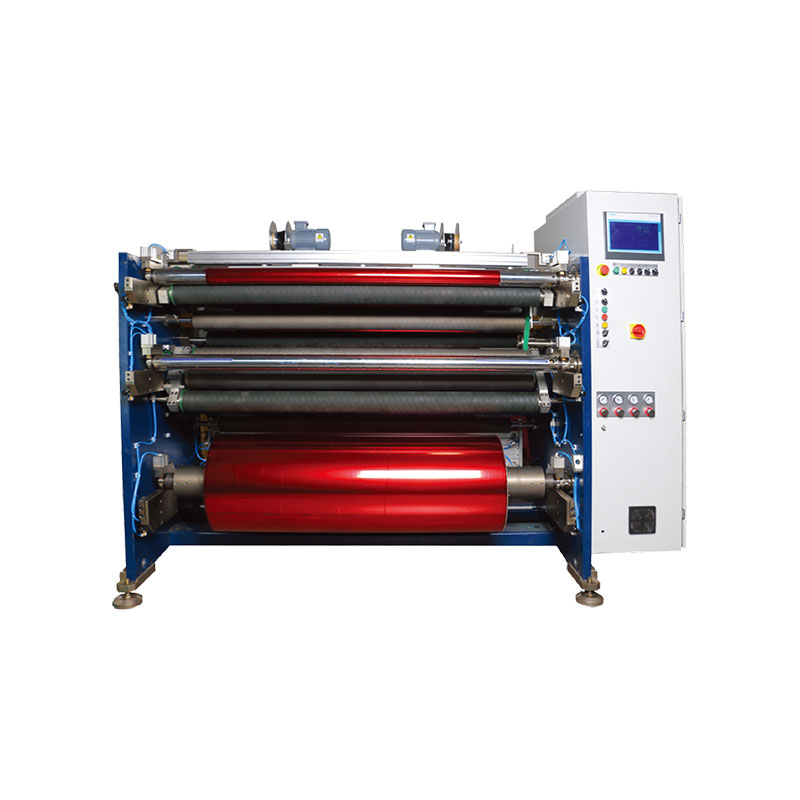 Hot Stamping Foil Slitter 1600mm
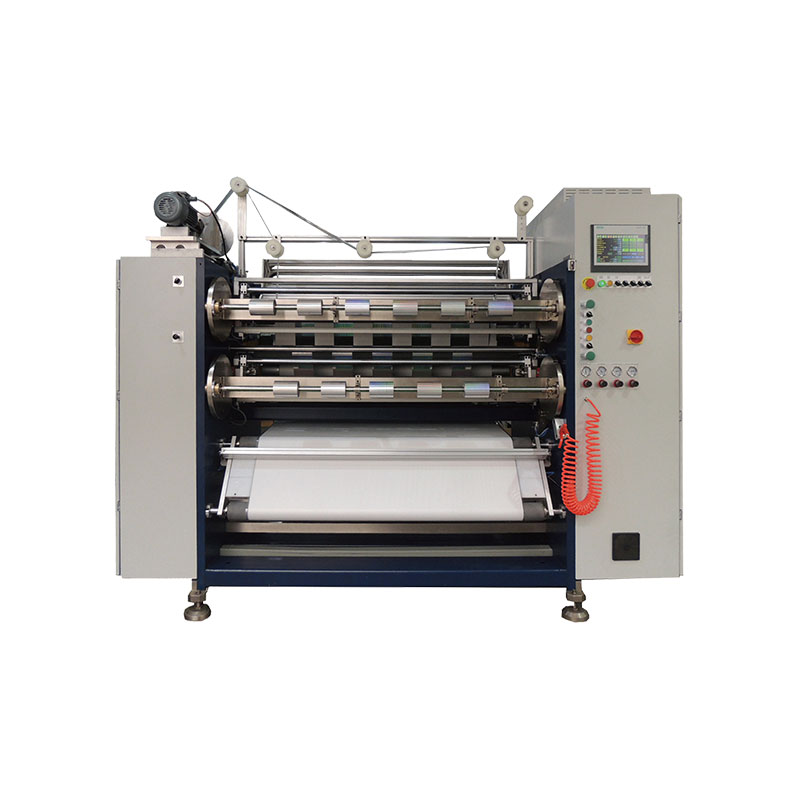 Hot Stamping Foil Slitter (4 Shafts)
 Semi-Auto TTR Slitter RSDS2 Plus
 Semi Automatic TTR Slitter RSDS5 Plus
 Manual TTR Slitter RSDS2
 Auto Paper Core Cutter
 Film Slitting Machine



 +86 135 9951 7291
 support@delishgroup.com
 +86 135 9951 7291