02. March, 2026delish0
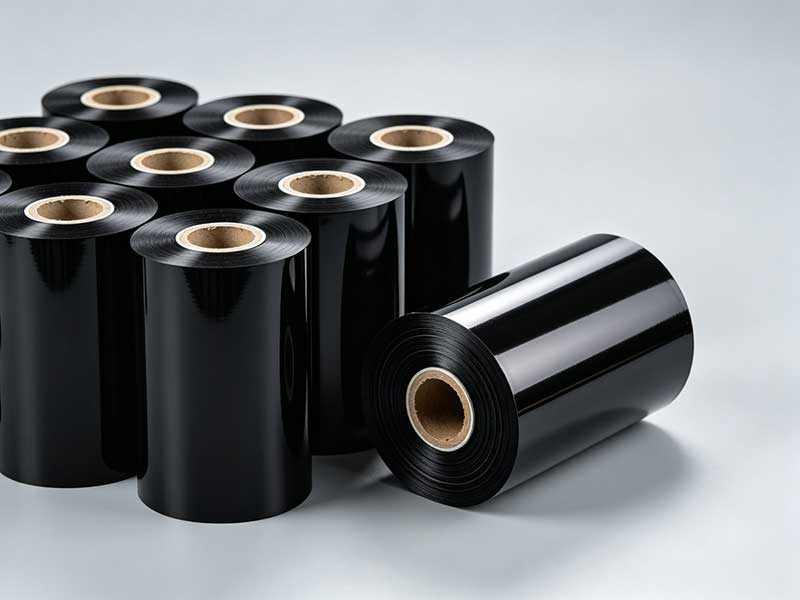
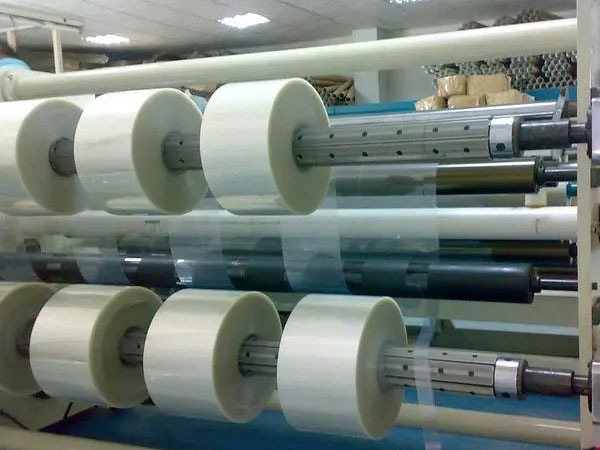
In industrial applications such as barcode printing and date coding, the quality of thermal transfer ribbons directly determines the clarity and durability of the marks. In the last process of ribbon production, the slitting link, how to accurately divide the wide master coil into narrow strips and achieve "perfect winding" has always been the gold standard for measuring equipment performance.
If the slitting machine is a band, then the tension control system is undoubtedly the conductor of the band. Today, we will uncover the core technical secret of the ribbon slitting machine: how to achieve perfect winding through intelligent tension control.
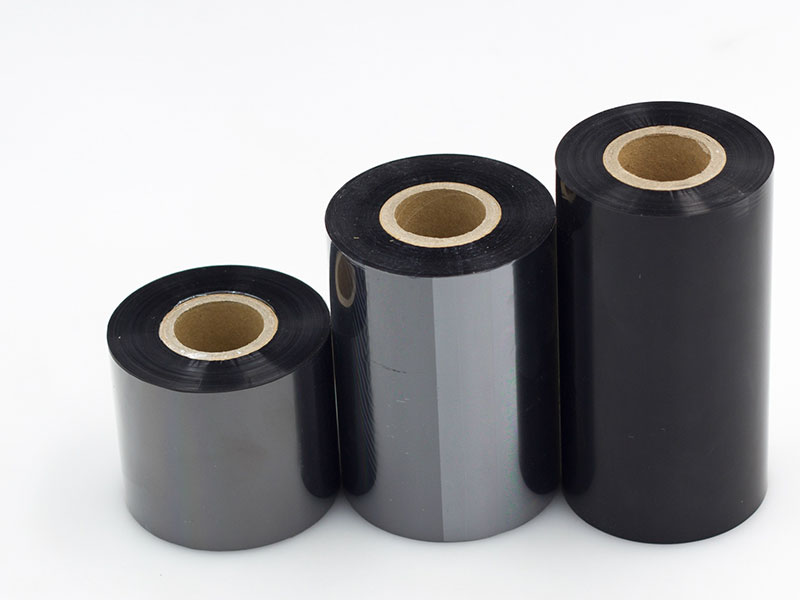
1. Ribbon slitting: a "tug-of-war" in the microscopic world
Ribbons are extremely precise in their structure, often consisting of extremely thin base films, heat-resistant coatings, and ink layers, often only a few microns thick. During the slitting process, the material not only has to withstand the pulling force from the unwinding roller, but also has to be cut by sharp blades at high speed and finally rewound into small rolls.
There is a huge contradiction:
• Loose tension: This can lead to uneven winding, "burst tendons" or "butterfly edges", and even lead to poor belting in subsequent printing.
• Too tight tension: it will stretch the base film, causing microscopic cracks in the ink layer, which directly affects whether the printed barcode can be scanned and recognized.
Therefore, the core of slitting lies in the ultimate control of tension.
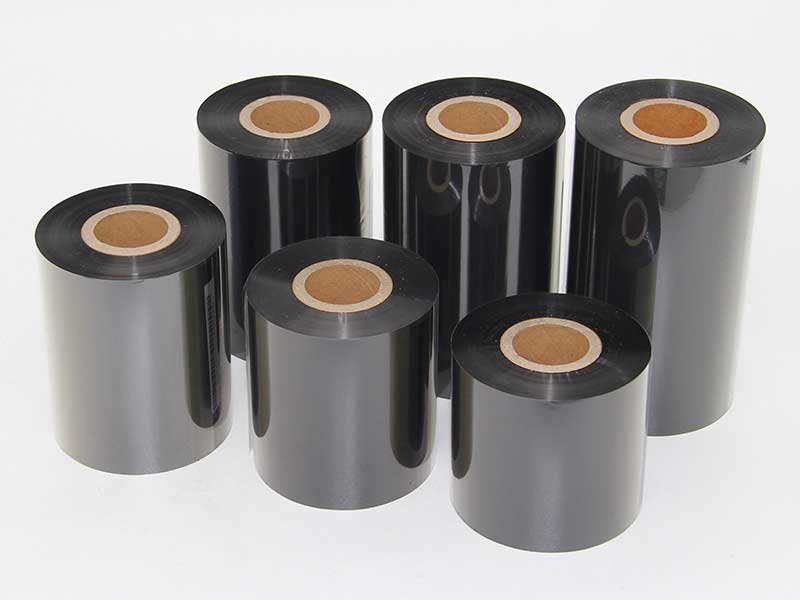
2. Core technology revealed: the triple realm of intelligent control tension
Modern high-end ribbon slitting machines have long bid farewell to simple mechanical friction plate control and entered the era of fully closed-loop digital intelligent control. Its core technology is mainly reflected in the following three levels:
1. Multi-dimensional vector frequency conversion control
Traditional slitting machines often only control the spindle speed of unwinding and rewinding. The real intelligent control system uses vector frequency conversion control technology.
• Independent drive: Each key axis such as unwinding, front traction, rear traction, and winding is driven by an independent servo motor.
• Real-time calculation: The system calculates and outputs the most appropriate torque in real time according to the change of the current coil diameter (as the winding diameter increases, the inertia changes) to ensure that the force on the material surface is always constant, just like a precise "tug-of-war" at the microscopic level.
2. "Neural Networks" of Floating Rollers and Sensors
Motors alone are not enough, the system needs to know how the material is currently feeling. This is the role of the "neural network" composed of sensors and floating rollers.
• Position feedback: The high-precision floating roller swing arm monitors small fluctuations in tension in real time through a potentiometer or encoder. As soon as the tension deviates from the set value, the system adjusts the speed of the rewinding motor within milliseconds.
• Full Closed-Loop PID Algorithm: Through advanced PID (Proportional-Integral-Differentiation) algorithms, the system not only corrects errors but also predicts fluctuation trends. It's like an experienced driver who starts slowing down when he sees a red light in the distance, rather than braking sharply before reaching the line.
3. Taper Tension Technology: Creating the Perfect "Rewinding Curve"
This is the finishing touch to achieve "perfect closing of the book". For flexible materials such as ribbons, if the tension is exactly the same from the inside out, the material close to the core will be wrinkled because it is tightly squeezed by the outer layer.
The introduction of taper tension technology solves this problem: the system allows the winding tension to decrease in taper as the coil diameter increases.
• Tight inside and loose outside: the tension at the core is large to ensure that the winding is firm and not slippery; The outer layer tension gradually decreases to avoid deformation of the material due to extrusion.
• Custom matching: For ribbons of different thicknesses (such as wax-based, resin-based), operators can call different taper curves, truly "teaching according to aptitude".
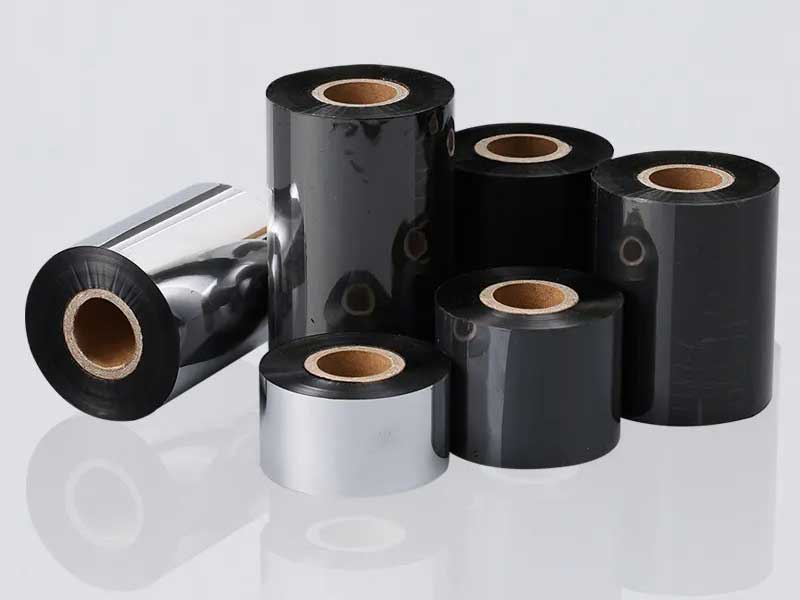
3. The value of perfect closing is not just good-looking
The value brought to downstream users by realizing the "perfect winding" after the intelligent control tension is obvious:
1. The end surface is like a mirror: the end face of the rewinded ribbon is flat and smooth, without jagged overflow, which is not only beautiful, but also convenient for transportation and installation.
2. Smooth Printing: The uniform winding hardness ensures that the ribbon releases smoothly in the printer without breaking or wrinkling due to sudden changes in tension, protecting expensive printheads.
3. Consistent Performance: Since the base film is not overstretched, the transfer properties of the ink coating are perfectly preserved, ensuring consistent blackness and read rate of the printed barcodes with each batch.
Epilogue
From simple mechanical cutting to today's mechatronics equipment that integrates precision sensing, servo drive, and intelligent algorithms, the evolution of ribbon slitting machines has witnessed the unremitting pursuit of "precision" in industrial manufacturing.
"Intelligent Tension" is not just a technical parameter, it represents respect for every micron of material, a commitment to every inch of ribbon performance. It's this core technology that works silently behind the scenes that ensures every clear, accurate barcode we see in the front desk.
In the future, with the development of the industrial Internet, the ribbon slitting machine will not only be able to "intelligently control", but also "self-learning" and "self-optimization", setting a new benchmark for the processing of flexible materials.
 English
 Deutsch
 Français
 Español
 Português
 日本語
日本語 русский
 한국어
한국어 عربي
عربي ภาษาไทย
 Tiếng Việt
 Italiano
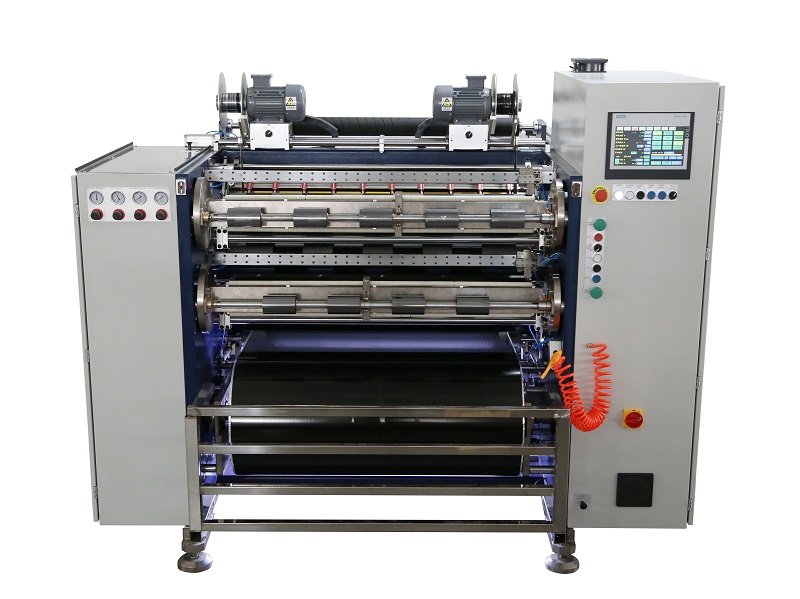 Fully Automatic TTR Slitter RSDS8 Plus
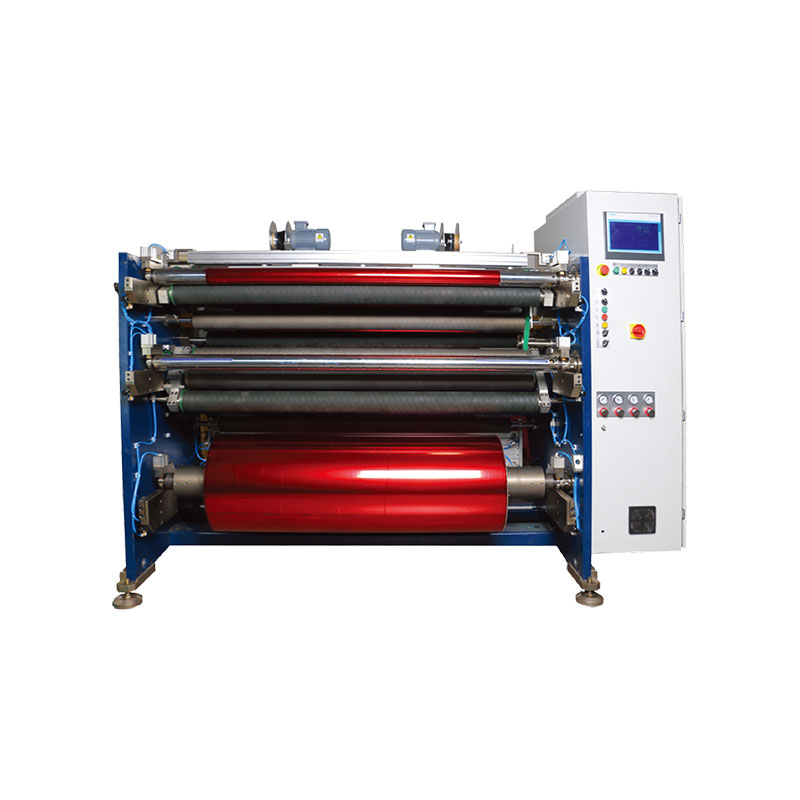 Hot Stamping Foil Slitter 1600mm
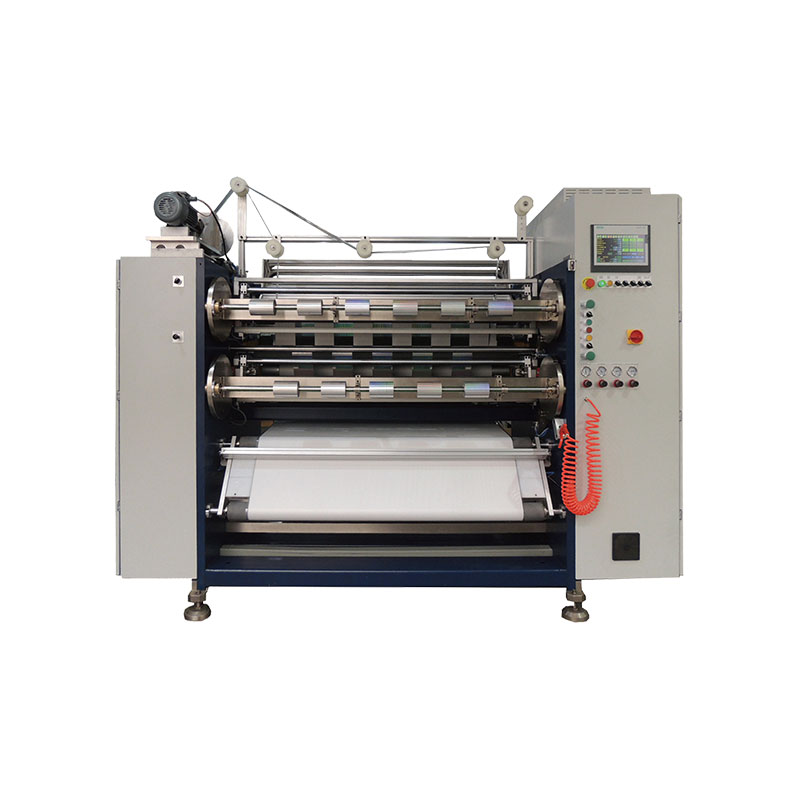 Hot Stamping Foil Slitter (4 Shafts)
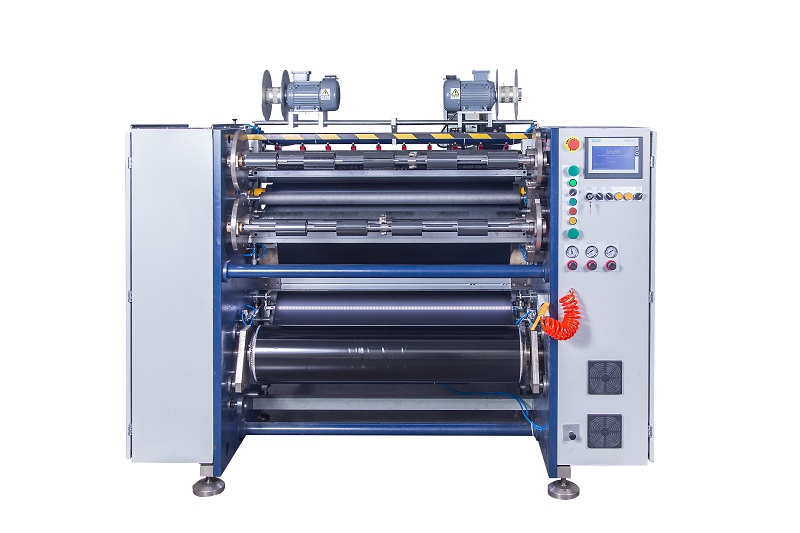 Semi-Auto TTR Slitter RSDS2 Plus
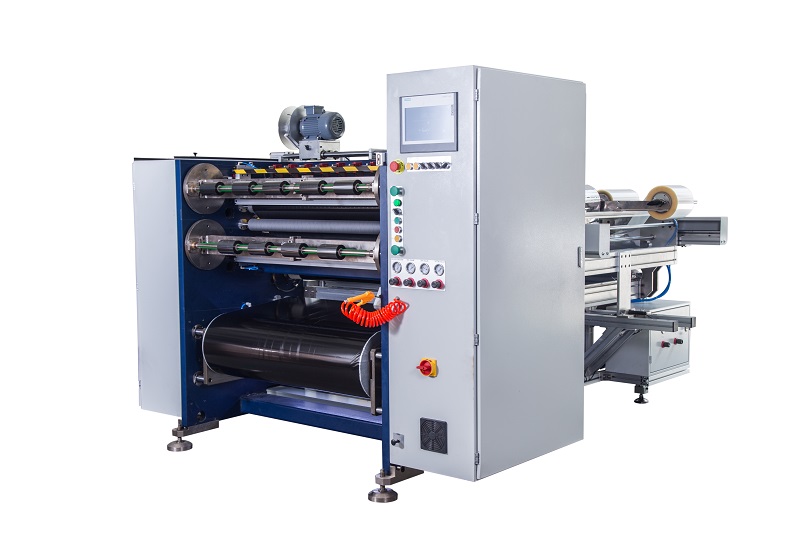 Semi Automatic TTR Slitter RSDS5 Plus
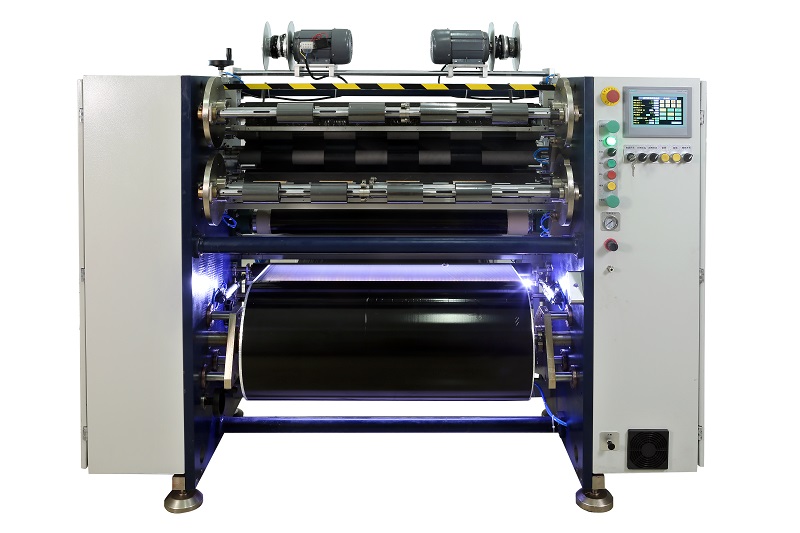 Manual TTR Slitter RSDS2
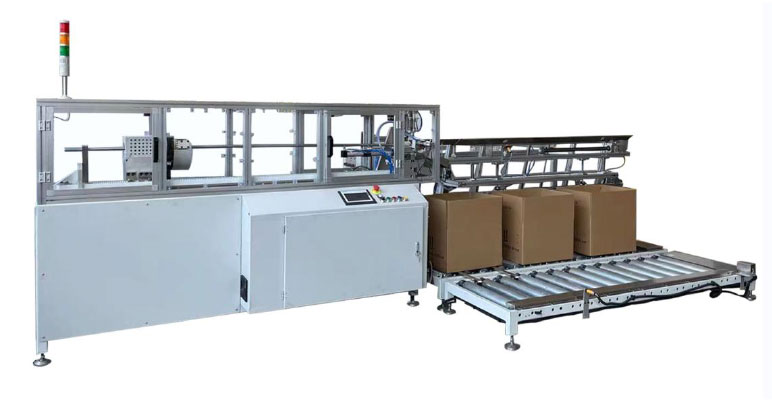 Auto Paper Core Cutter
 Film Slitting Machine



 +86 135 9951 7291
 support@delishgroup.com
 +86 135 9951 7291