09. March, 2026delish0
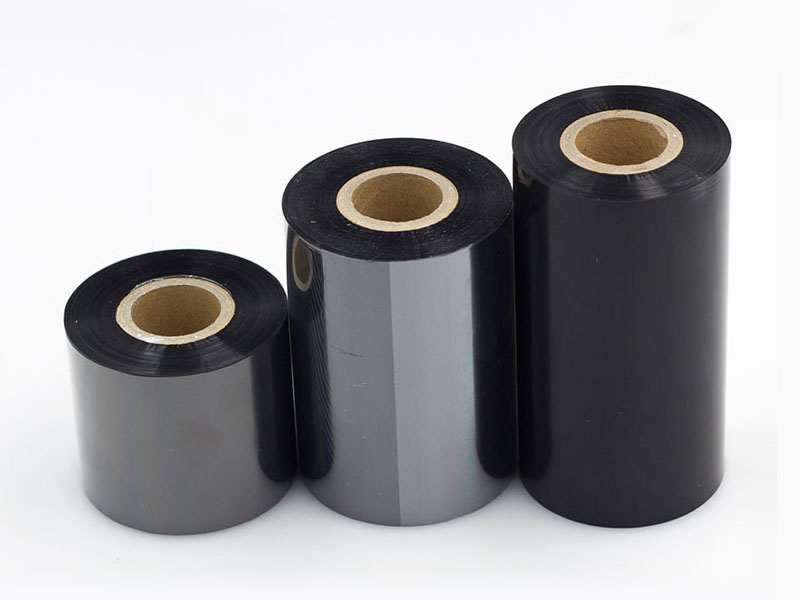
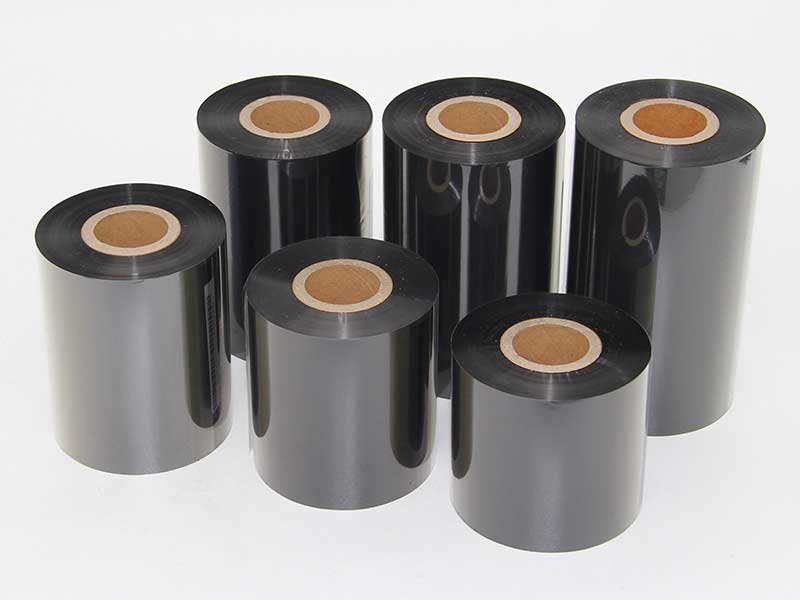
In the barcode printing, label printing, and packaging industries, ribbon is a core consumable, and its quality directly determines the clarity and durability of the final printing effect. In the production process of ribbons, the slitting process is a key step in processing large master coils into specifications that meet the requirements of the end user.
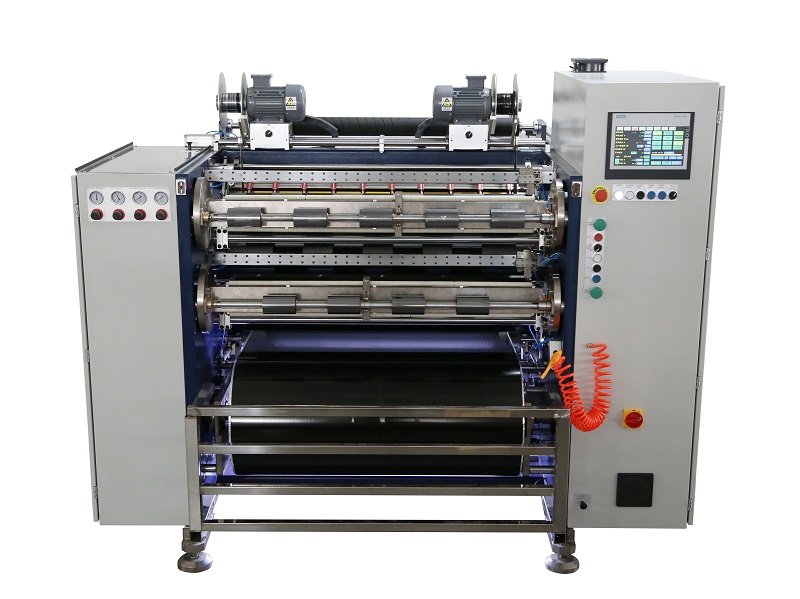
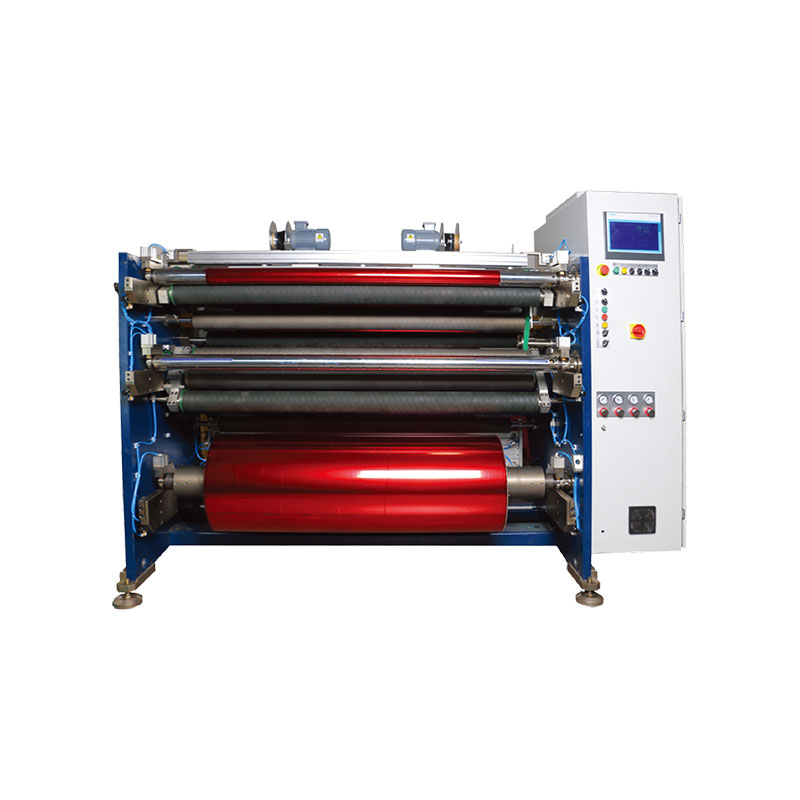
If high-quality ribbon raw materials are "flesh and blood", then a high-performance ribbon slitting machine is the "bone" that gives it commercial value. It should not only achieve "precise slitting", but also pursue "efficiency multiplication". In the face of a dazzling array of equipment on the market, how to choose a "money-making machine" suitable for your factory? This article will break it down for you in detail.
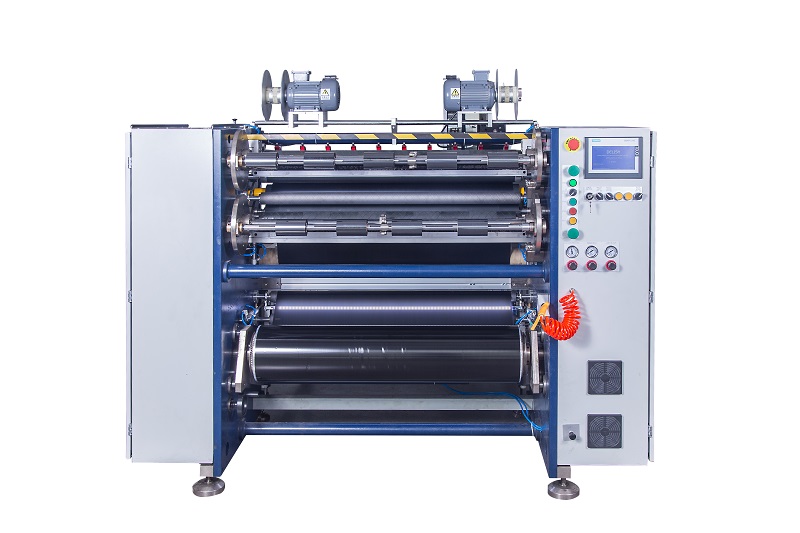
1. Why is "precision" and "efficiency" so important?
Before delving into the details of the purchase, we must first clarify the significance of these two core indicators for production:
1. Precise Slitting: The bottom line of quality
◦ Edge Uniformity: Burrs, jagged, or peeling off coatings on the slitting edges can create debris in the printer, causing printhead wear and even pin breakage.
◦ Dimensional tolerance: The width error should be controlled within a very small range (usually ± 0.1mm). If it is too narrow, the information will be incompletely printed, and if it is too wide, it will not fit into the ribbon box.
◦ Tension control: Uneven winding tension will cause the finished product to wrinkle or deform, affecting the smoothness of the belt on the machine.
2. Efficiency multiplier: the source of profit
◦ Degree of automation: reduce the time of manual rewinding and strapping, and reduce the dependence on the operator's experience.
◦ Operating speed: Stable high-speed slitting capability means higher output per unit time while ensuring quality.
◦ Yield rate: reduce debugging waste and slitting loss, and each meter of raw material is a cost.
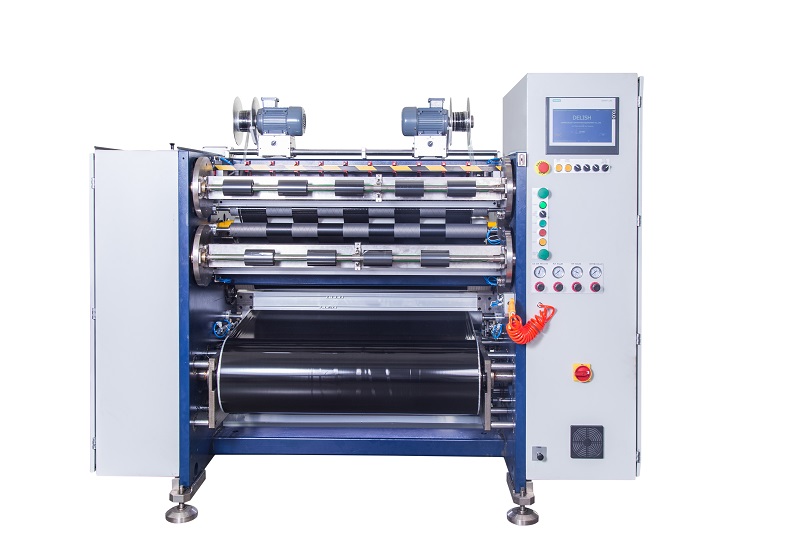
2. Five core considerations for the purchase of ribbon slitting machine
When you walk into the equipment exhibition hall or consult the equipment parameters, it is recommended that you focus on the following five aspects:
1. Tension Control Systems: The "Soul" of Your Equipment
Ribbons are extremely thin plastic films (typically 4.5-7 microns thick) and are coated with a thermal transfer coating, making them very fragile.
• Closed-loop control: When purchasing, be sure to confirm whether the equipment has fully automatic closed-loop tension control. From unwinding to rewinding, the tension must be constant and adjustable to prevent tensile deformation or uneven rewinding due to tension relaxation.
• Taper tension: High-end equipment should have a taper tension control function, which automatically reduces the tension as the coil diameter increases to avoid wrinkles or sticking caused by the compression of the inner ribbon.
2. Correction System: The "Patronus" of Precision
• High sensitivity sensor: Whether ultrasonic or infrared edge, the accuracy of the sensor directly affects the straightness of the slitting edge.
• Response speed: In high-speed operation, the corrector must respond quickly enough to eliminate possible serpentine deviations from the master roll itself.
3. Tool shaft and tool holder configuration: cut out high-quality "sharp tools"
• Blade selection: For different coatings of ribbons (wax-based, hybrid-based, resin-based), the sharpness and material of the blade (e.g., carbide) are crucial. It is recommended to choose a precision blade that is easy to replace and has strong versatility.
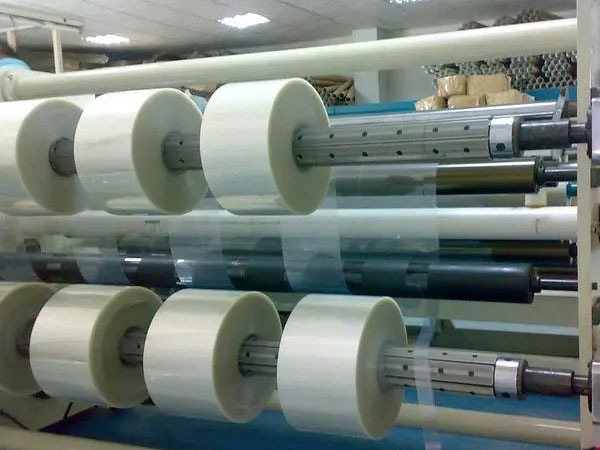
• Slip shaft: This is a key accessory for "multiplying efficiency". The slip shaft (or winding shaft with a slip ring) can automatically adjust the linear speed of different cores on the same shaft, which perfectly solves the problem of inconsistent coiling tightness of the inner and outer diameters caused by different slitting widths, and greatly reduces the scrap rate.
4. Ease of operation and automation
• Touch screen control: supports recipe storage function. When you need to produce an old product, just call up the formula, and the equipment can automatically set parameters such as tension, length, speed, etc., reducing the time of order change and debugging.
• Automatic unwinding/rewinding: For large batch orders, equipped with automatic unwinding and rewinding devices can significantly reduce manual labor intensity and achieve continuous production.
5. Stability and material
• Body structure: Thick and age-treated cast iron frame or high-strength steel plate structure, which can effectively absorb vibration generated by high-speed operation and ensure long-term operation stability.
• Brand accessories: whether the electronic control system (such as servo motors, drives) and pneumatic components are selected from international or domestic first-line brands is directly related to the failure rate and service life of the equipment.

3. "Three questions for the soul" before purchasing
Before you make your final decision, ask yourself three questions:
1. What is my main material for processing?
◦ If you are machining primarily resin-based ribbons (with harder, brittle coatings), the hardness of the blade and the flexibility of tension control are extremely high.
◦ If you mainly process wax-based ribbons, you need to focus on solving the problems of good lubricity, easy slippage or winding deviation.
2. What is the structure of my order?
◦ Is it a small batch and multiple specifications (suitable for flexible configuration, fast order change slitting machine, emphasizing versatility)?
◦ Or is it a large batch and small specification (suitable for high-speed, highly automated, equipped with automatic connection functions, emphasizing production capacity)?
3. What costs are included in my budget?
◦ In addition to equipment purchase costs, be sure to consider operating costs (energy consumption, blade consumables) and maintenance costs. A slightly more expensive but stable and durable device is often more "cost-effective" than equipment that breaks down frequently.
4. Conclusion
"If you want to do a good job, you must first sharpen your tools." The ribbon slitting machine is not just a machine that narrows wide coils, it is a quality converter that connects raw materials to the end market.
An ideal ribbon slitting machine should be like a skilled tailor, no matter how soft and delicate the "fabric" (ribbon) is, it can also be accurately cut and cut properly (neatly wound). Through the guide in this article, I hope to help you clear the fog of purchasing, find the production tool that allows you to "accurately slit, double efficiency", and take the lead in the increasingly fierce market competition.
 English
 Deutsch
 Français
 Español
 Português
 日本語
日本語 русский
 한국어
한국어 عربي
عربي ภาษาไทย
 Tiếng Việt
 Italiano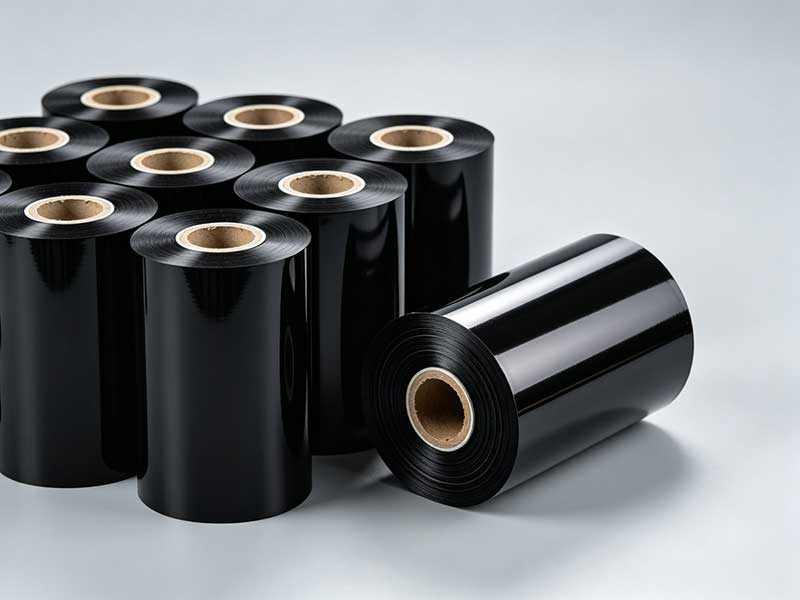
 Fully Automatic TTR Slitter RSDS8 Plus
 Hot Stamping Foil Slitter 1600mm
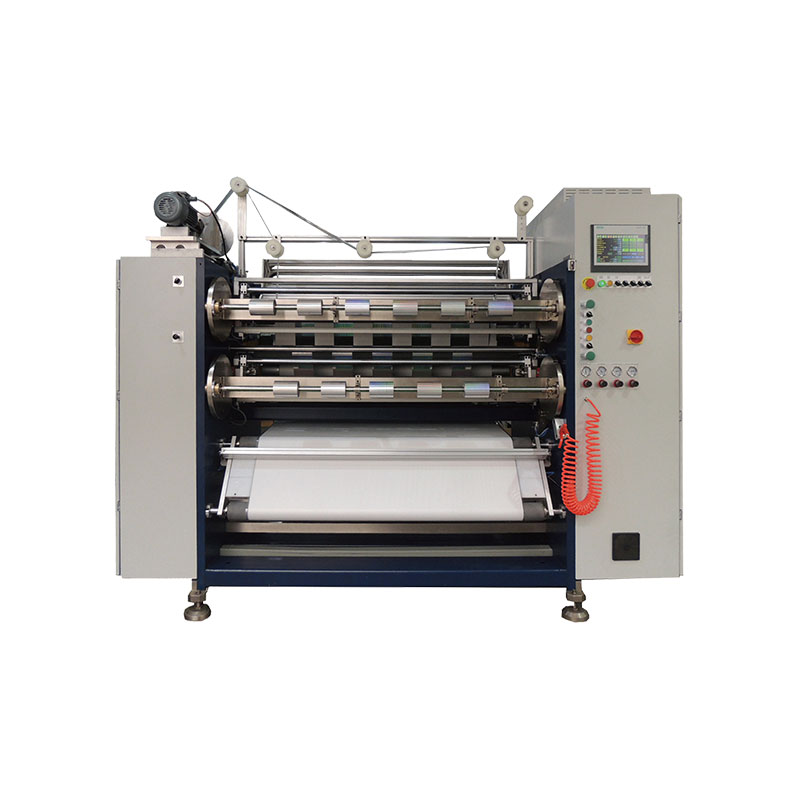 Hot Stamping Foil Slitter (4 Shafts)
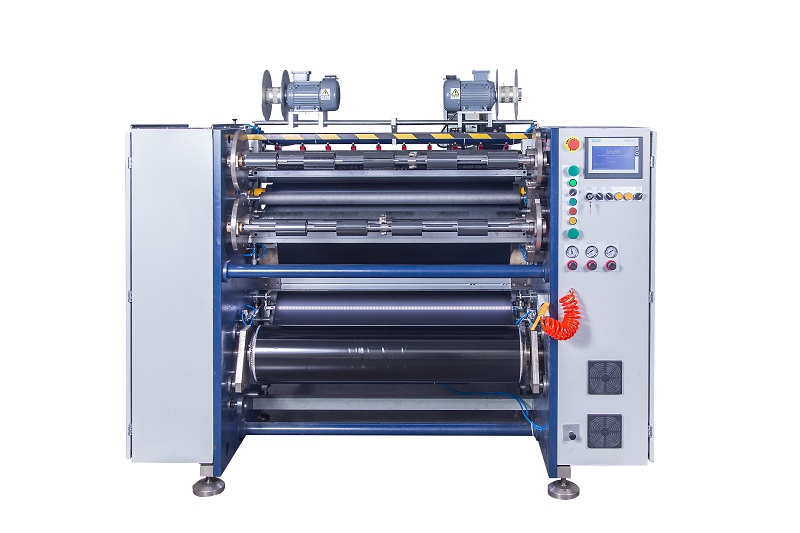 Semi-Auto TTR Slitter RSDS2 Plus
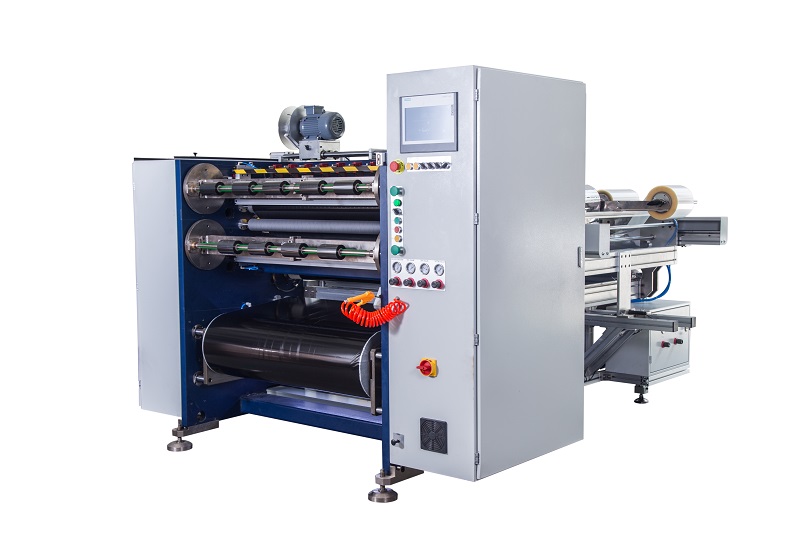 Semi Automatic TTR Slitter RSDS5 Plus
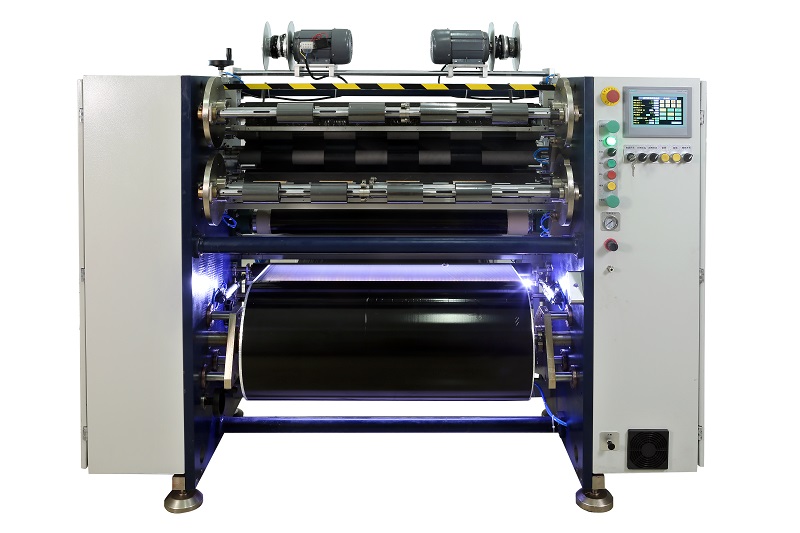 Manual TTR Slitter RSDS2
 Auto Paper Core Cutter
 Film Slitting Machine



 +86 135 9951 7291
 support@delishgroup.com
 +86 135 9951 7291