21. October, 2026delish0
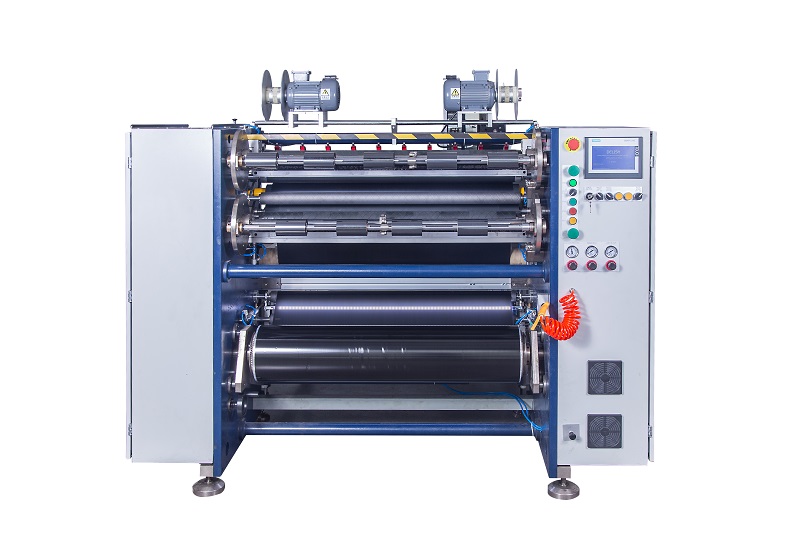
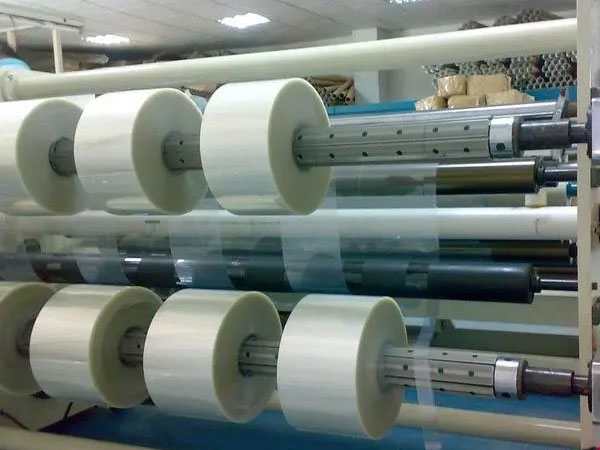
The color ribbon slitting machine is mainly used for wide roll slitting and rewinding of materials such as card printer color ribbons and thermal transfer ribbons. These materials are extremely thin (usually only 4.5~10μm), highly sensitive to tension fluctuations and cutting precision. If you only look at price or appearance when selecting a model, it's easy to end up with equipment that "can rotate but doesn't cut well." By combining industry practices and equipment parameters, focusing on the three core parameters—slitting accuracy, tension control, and winding neatness—you can basically judge whether a machine is worth buying.
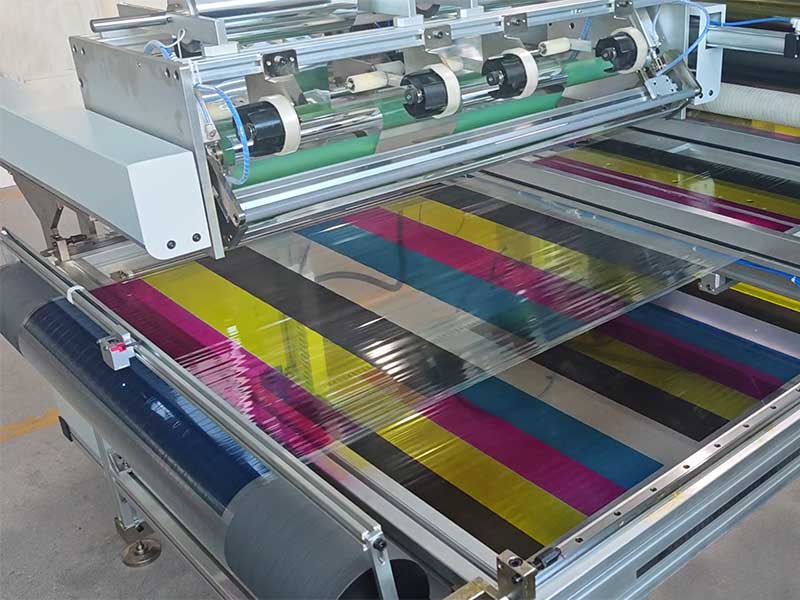
Core parameter one: Slitting accuracy, which determines whether the finished product can be used
The first threshold for color belt slitting is the width tolerance. Card printers and barcode printers have very narrow tape channels. If the ribbon edges are rough or have excessive width deviation, ribbon misalignment and missing content can occur during printing, and in severe cases, burrs can wear down the print head.
When selecting models, you should not only look at the manufacturer's claimed "maximum precision," but also distinguish between the levels of precision. For general logistics label use, ± 0.3~0.5mm is usually sufficient; However, for scenarios such as colored ribbons, electronic tags, and medical traceability codes, it is recommended to require ± within 0.1mm; For ultra-narrow specifications or high-resolution printing, it must reach the ±0.05mm level. It is important to note that the numbers on the parameter table are often measured under ideal conditions. A safer approach is to test cut your own colored tape roll on site and use a vernier caliper to measure the width of multiple finished products to check whether the deviation is stable and controllable, rather than placing an order based solely on the sample booklet.
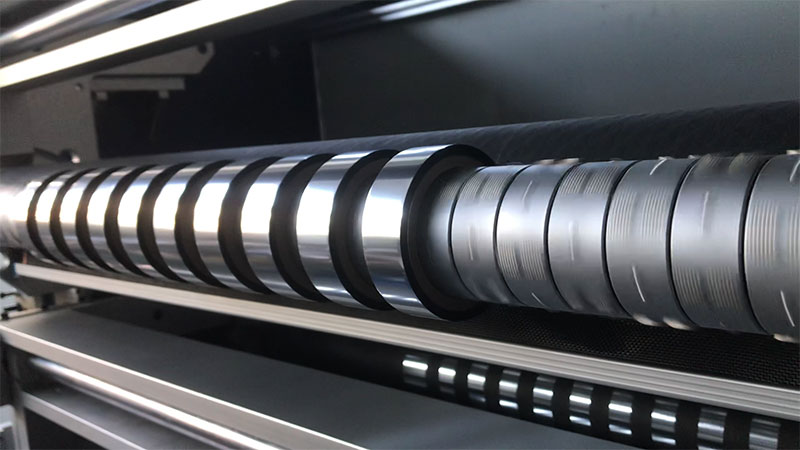
Behind the precision lies the support of the tool and the centering system. Color ribbon slitting commonly uses circular or suspended blades. Tool materials range from ordinary alloys to tungsten steel and ceramic coatings. Hard coatings like resin-based materials require higher hardness blades to ensure smooth cuts and reduce dust. At the same time, the correction system runs through the entire winding process from unwinding to winding. CCD photoelectric correction responds well to materials like colored ribbons, which may have reflective or semi-transparent properties, and can instantly restore deviation. If the equipment omits active correction and relies solely on mechanical edge limiting, it will be difficult to maintain long-term stability in slitting straightness.
Core parameter two: tension control, which determines whether the slitting process is stable
The colored tape substrate is an ultra-thin PET film, which is extremely sensitive to tension. If the tension is too high, the base film will stretch and deform, making the ink layer prone to powder shedding; When the tension is low, the strip wobbles at the cutting edge, resulting in a serrated cut and loose and wrinkled when rolled. The industry calls tension control the "soul" of slitting machines, and this is no exaggeration.
To judge the quality of the tension system, the key is whether unwinding and rewinding are independently controlled in a closed-loop manner. Low-end equipment often uses only one set of magnetic powder clutches to simultaneously unwinding and winding the tubes, and as the coil diameter changes, the tension gradually shifts. A better configuration is for the unwinding side to be controlled by a magnetic powder brake or servo motor for constant tension, while the winding side is driven independently by a variable frequency motor or servo, with taper tension functionality—as the diameter of the finished roll increases, the tension automatically decreases to prevent the outer layer from causing wrinkles or sticking to the inner layer. For scenarios where color strips are wound on multiple shafts simultaneously, the slip shaft is a necessary feature. It allows each reel to slide independently and adjust torque independently, solving the problem of "one tight and one loose."
When selecting a model, you can ask the manufacturer a specific question: Does the winding tension automatically decrease with the coil diameter? If the other party can only answer "manual potentiometer," it means tension control is still at the open-loop stage, and it is difficult to guarantee the yield when slicing thin colored strips.
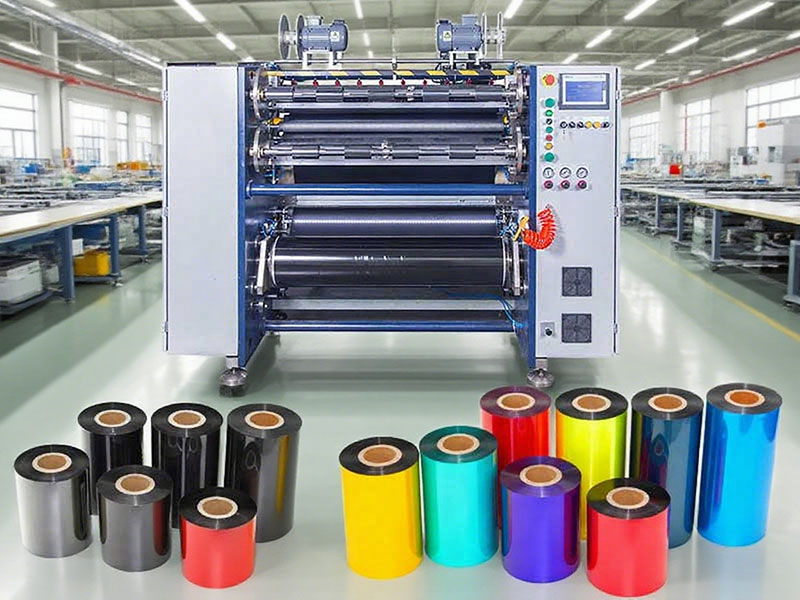
Core Parameter 3: Winding neatness, which determines whether the subsequent process goes smoothly
Winding neatness is an easily overlooked "hidden cost." If the cut colored tape roll has a flared edge, serrated edges, or internal wrinkles, the resistance to unwinding after insertion into the printer is uneven. At best, it may show white line indentations; at worst, it can cause tape breakage. In the industry, it is usually required that end face deviation be controlled within ±1mm, with better equipment reaching up to ±0.5mm.
Uniformity is not achieved by "forced" the reel; it depends on two premises: first, closed-loop tension control mentioned earlier; second, the bonding method of the rewinding press roller. Surface winding is driven by friction rollers to drive the finished product coil, eliminating some tension fluctuations and making the end face flatter; Slip shaft winding is suitable for simultaneous production of multiple specifications, with each coil independently controlling torque. Additionally, the specification compatibility of the reel is worth confirming—finished color tape reels commonly come in 1-inch and half-inch types. Whether the equipment supports both and how easy it is to change reels directly affects daily order change efficiency.
A quick reference sheet: sit according to your needs
| Application scenarios | Slitting accuracy requirements | Tension configuration bottom line | Target for roll neatness |
| Conventional logistics label ribbons | ±0.3~0.5mm | Unwinding magnetic powder + rewinding variable frequency | ± within 1mm |
| Colored ribbons for card cards/electronic tags | ±0.1mm | Dual closed-loop + taper tension | ±0.5~1mm |
| Ultra-narrow specifications / high resolution | ± 0.05mm class | Full servo closed-loop + slip shaft | ± within 0.5mm |
One last reminder: don't blindly chase high speed parameters. Equipment rated above 300 m/min often needs to slow down when slitting resin-based or ultra-thin colored tape, and the actual output may not be better than a stable medium-speed machine operating in the 150~200 m/min range. The core logic of selection has always been to rely on stability and yield at commonly used speeds, rather than focusing on the highest numbers. Bring your own mother roll to test cut, measure width, check end faces, and check tension curves. Only if these three parameters pass are the machines worthy of the next round of negotiations.
 English
 Deutsch
 Français
 Español
 Português
 日本語
 русский
 한국어
 عربي
 ภาษาไทย
 Tiếng Việt
 Italiano

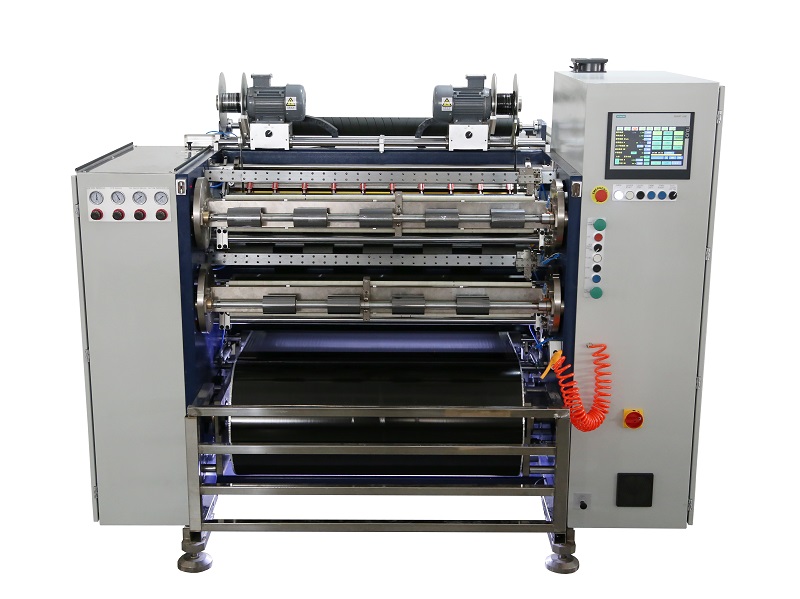 Fully Automatic TTR Slitter RSDS8 Plus
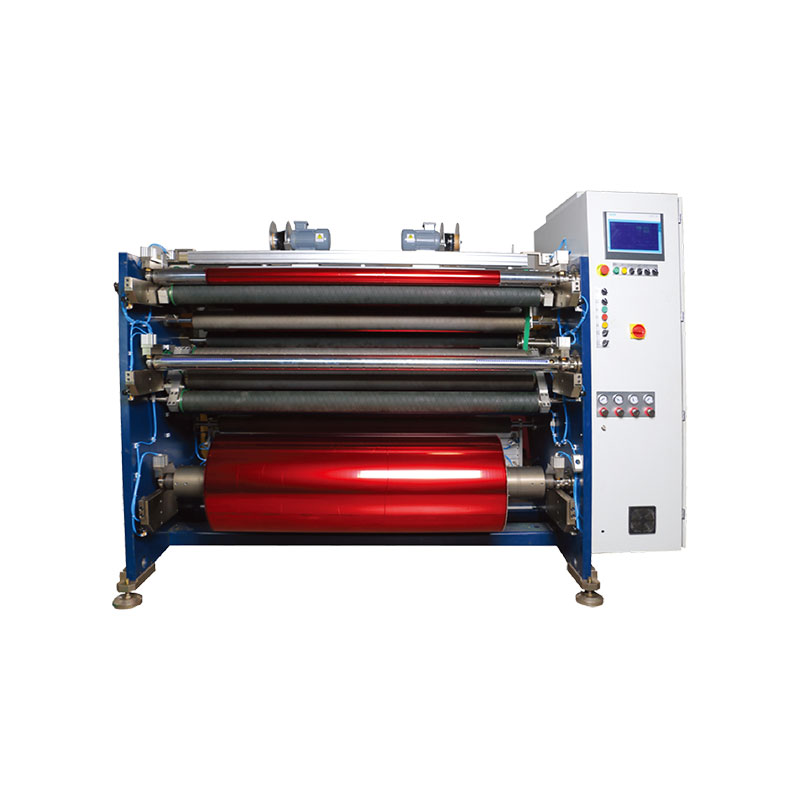 Hot Stamping Foil Slitter 1600mm
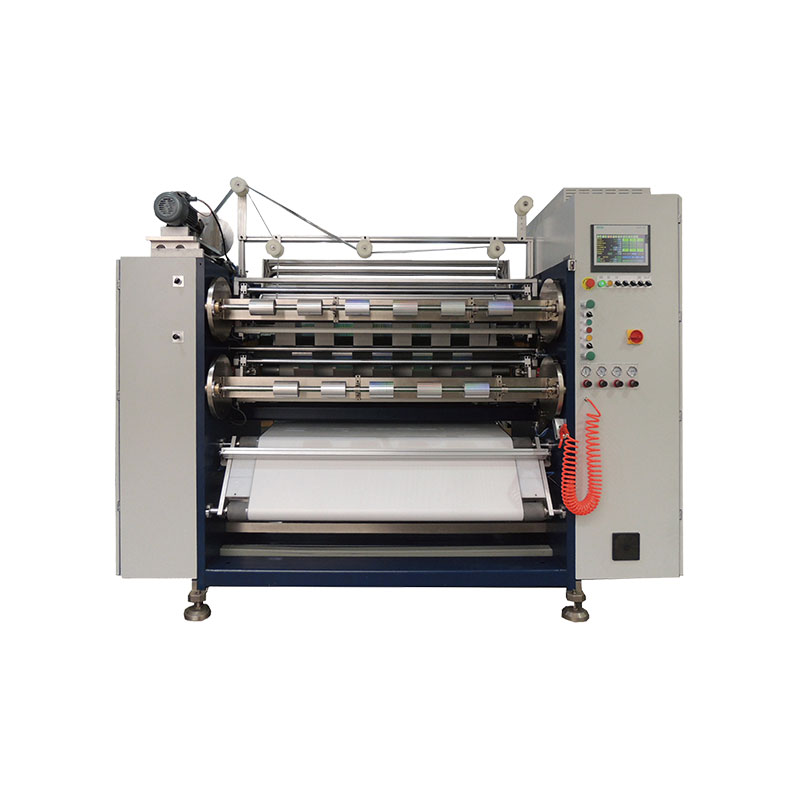 Hot Stamping Foil Slitter (4 Shafts)
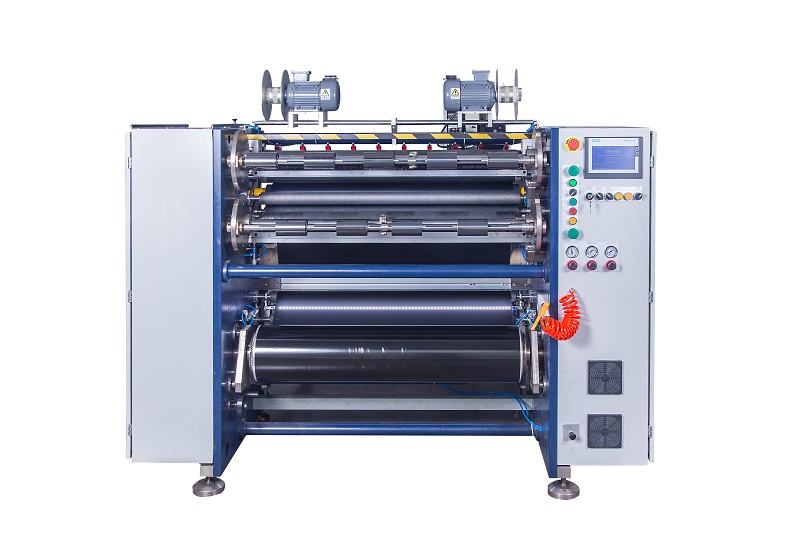 Semi-Auto TTR Slitter RSDS2 Plus
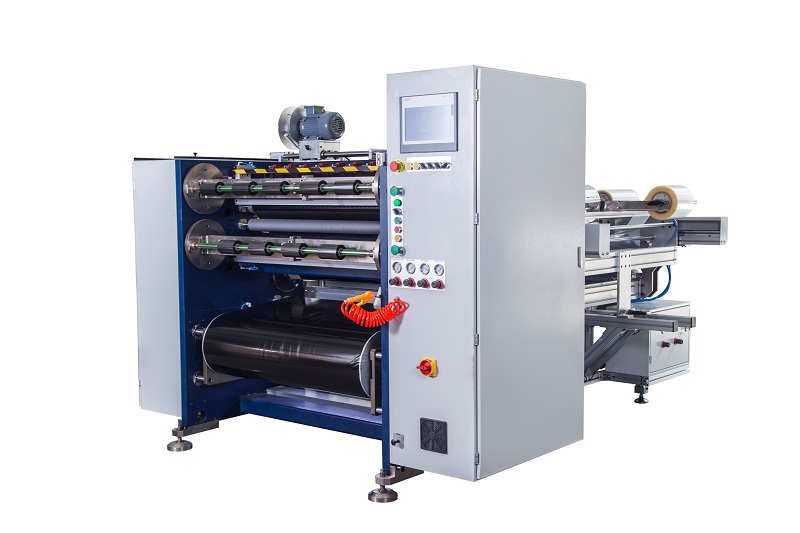 Semi Automatic TTR Slitter RSDS5 Plus
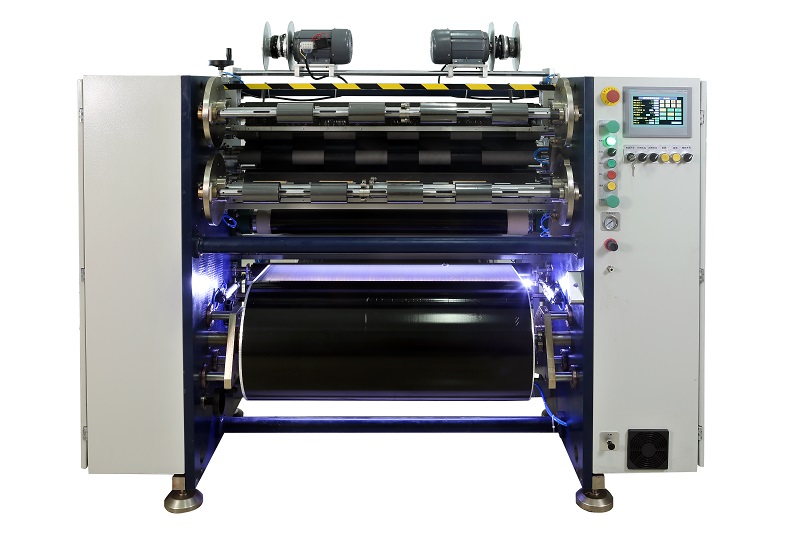 Manual TTR Slitter RSDS2
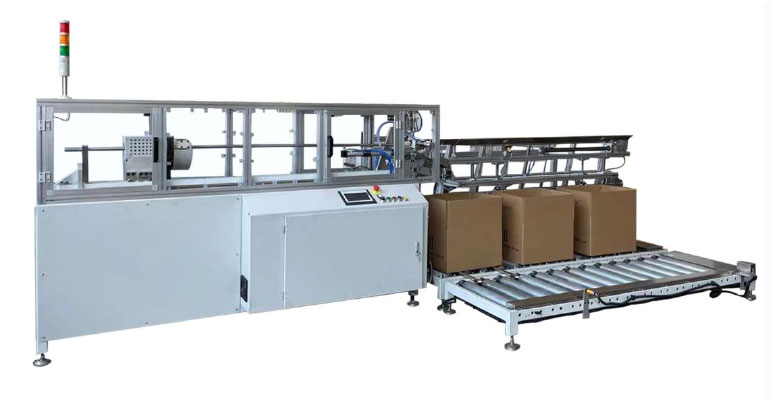 Auto Paper Core Cutter
 Film Slitting Machine



 +86 135 9951 7291
 support@delishgroup.com
 +86 135 9951 7291
