14. October, 2026delish0
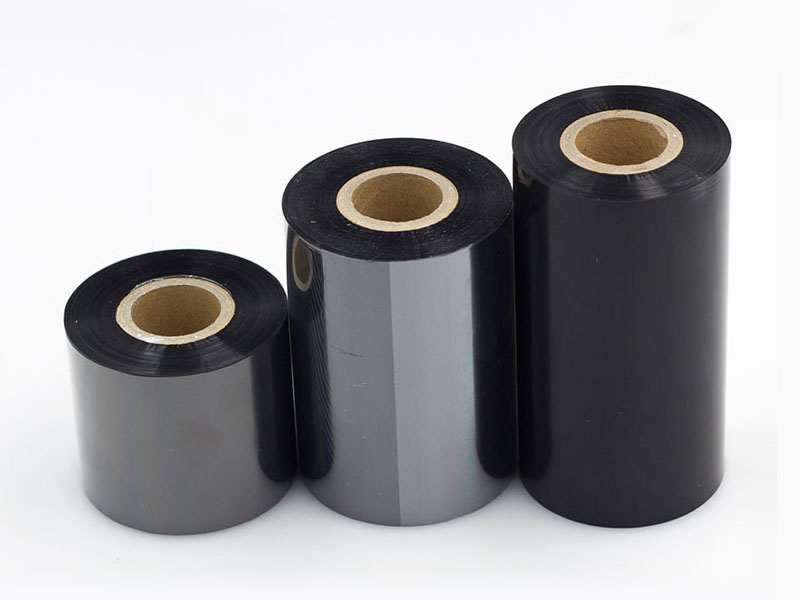
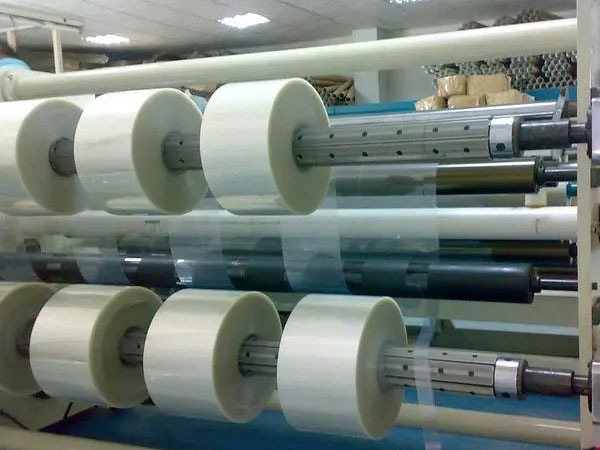
Conclusion: Absolutely possible. One of the core design uses of the barcode ribbon slitting machine (also commonly known as TTR ribbon slitting machine or color ribbon slitting machine) is to cut the wide thermal transfer ribbon master roll into narrow finished rolls that meet the specifications of terminal printers. In professional contexts, the two are highly correspondent, and the slitting quality directly determines the ribbon's performance during machine printing.
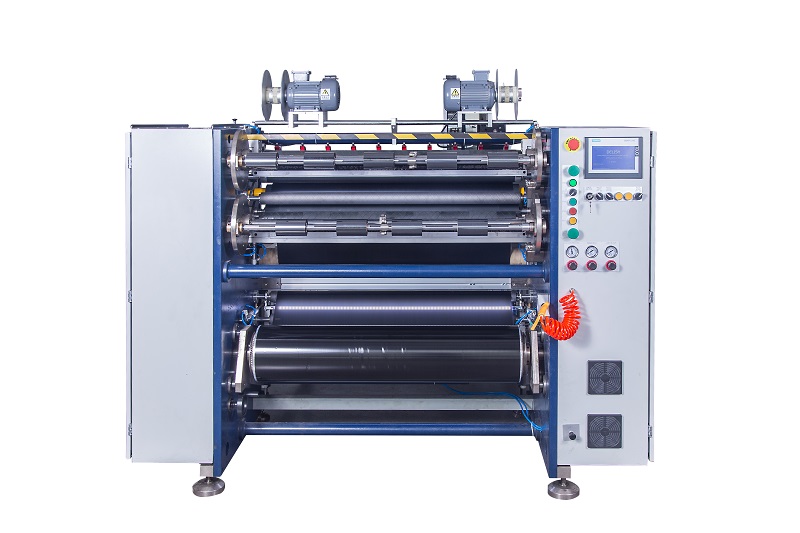
1. Why is the "Barcode Ribbon Slitting Machine" naturally suitable for slitting and thermal transfer ribbons?
This requires starting with the relationship between "barcode ribbons" and "thermal transfer ribbons." In the field of barcode printing, thermal transfer ribbons are the most mainstream form of consumable. The so-called "barcode ribbon slitting machine" is essentially a device named according to its application scenario; The "TTR ribbon slitting machine" (Thermal Transfer Ribbon) is the same type of equipment named according to the technical principle. The production processes and adapted materials referred to by both overlap significantly.
From the perspective of equipment design, the structure of thermal transfer ribbons is very unique: they consist of an ultra-thin polyester film (PET) substrate, an ink layer, and a backing coating, with an overall thickness often only a few microns. This "thin, soft, and sensitive coating" characteristic requires slitting equipment to have extremely precise tension control and a clean slitting environment, which ordinary slitting machines cannot handle. The barcode ribbon slitting machine was created specifically to address these challenges: it is usually equipped with a magnetic powder clutch or servo closed-loop tension system to control the tightness of winding and unwinding, uses high-precision circular blades or razors for cutting, and is equipped with a correction device to ensure a straight slitting path.
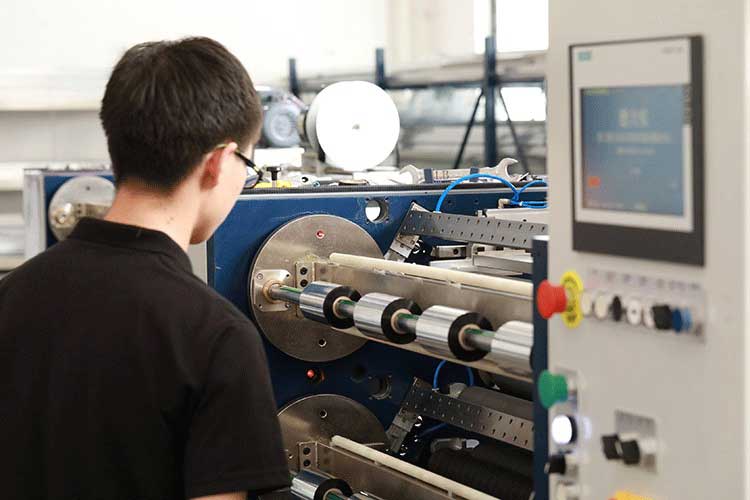
2. Technical Key Points of Slitting thermal transfer Ribbon
Whether the thermal transfer ribbon can be "well separated" depends on the slitting machine's ability to control the following core variables.
Tension control is the decisive factor. The PET base film thickness of the ribbon typically ranges from 4.5 to 10 microns, making it extremely sensitive to tension. Excessive tension can cause stretching damage to the base film, causing physical changes in the ink layer adhering to it, resulting in "powder shedding" and contaminating the print head during printing; If the tension is too low, the roll becomes loose, the ribbon wrinkles easily, and white lines or indentations appear during printing. Therefore, the slitting machine needs precise tension management at both the unwinding and rewinding ends. Advanced equipment also adopts "taper tension control," meaning the tension automatically decreases as the rewinding diameter increases, ensuring consistent tightness between the inner and outer layers.
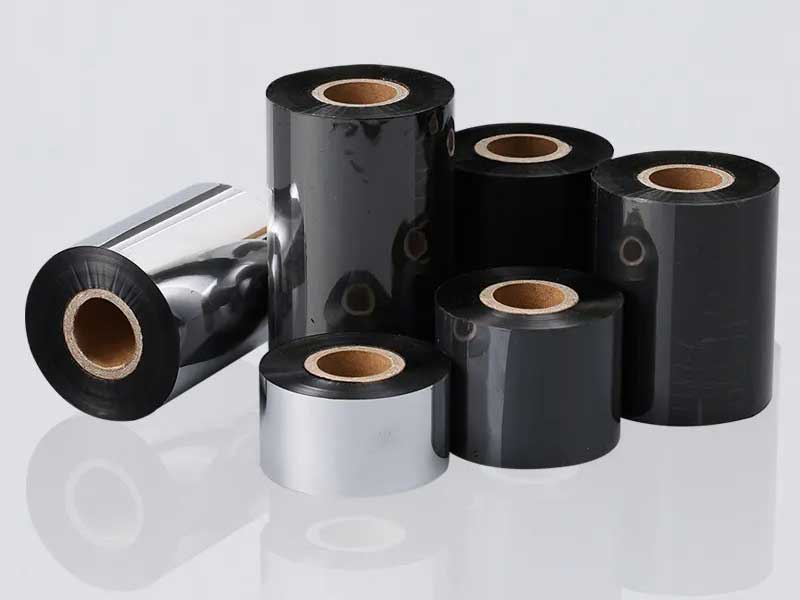
The slitting method should be tailored to the "material." thermal transfer ribbons can be classified by ink system into wax-based, mixed-based, and resin-based, with significant differences in physical properties. Wax-based ribbon coatings are soft and have low melting points. Friction during slitting can generate heat from friction, which can easily cause edge "wax overflow" or interlayer adhesion, requiring extremely sharp blades to assist cooling and dust removal. Resin-based ribbon coatings are hard and brittle; improper cutting can easily cause microcracks or "chipped edges," so sometimes a flat blade (suspended cutting) is needed for instant cutting. Mixed-based ribbons are the most widely used, mainly facing burrs and powder shedding, which require extremely high tension stability.
Cleanliness cannot be ignored. Carbibia easily absorbs dust, and once contaminated, it can cause white spot defects during printing. Therefore, formal slitting processes usually need to be carried out in a clean environment, equipped with ion air rods and vacuum adsorption devices to eliminate static electricity and remove debris.

3. The direct impact of cut quality on printing results
Slitting is not simply "narrow cutting"; it determines whether the ribbon roll can function properly inside the thermal transfer printer. If the rewinding during slitting is uneven, the ribbon edges will be subjected to uneven force during printing, making them prone to breaking; Improper tension causes tightness issues and can directly translate into defects such as white lines, indentations, or powder shedding. For this reason, there is a consensus within the industry: slitting quality is the key leap for ribbons from "semi-finished products" to "reliable consumables."
Conclusion
The barcode ribbon slitting machine can not only cut and thermal transfer ribbons; it is a precision device designed and optimized for this task. From closed-loop tension control, round/flat blade slitting units, to correction and dust removal systems, every technical detail revolves around the material properties of thermal transfer ribbons: "thin, soft, and coating-sensitive." The quality of the slitting process is ultimately verified by the clarity of each barcode label and the lifespan of the print head.
 English
 Deutsch
 Français
 Español
 Português
 日本語
日本語 русский
 한국어
한국어 عربي
عربي ภาษาไทย
 Tiếng Việt
 Italiano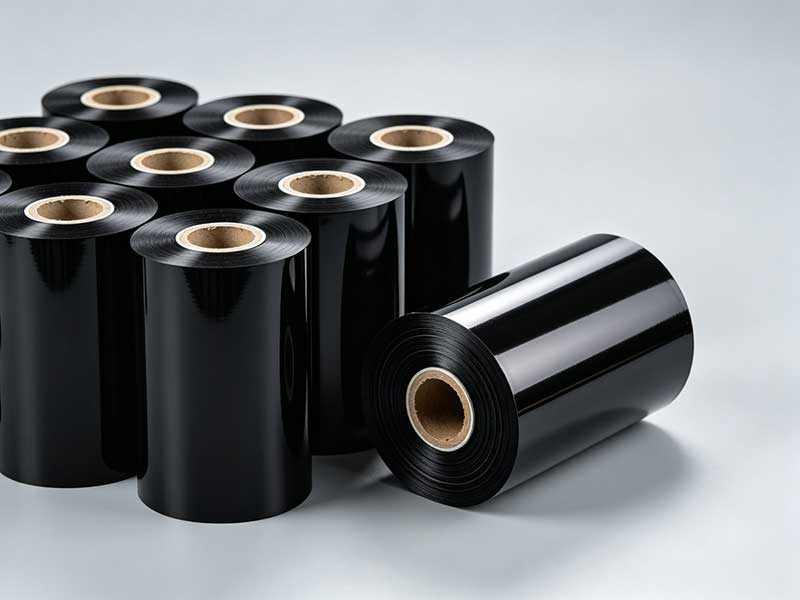
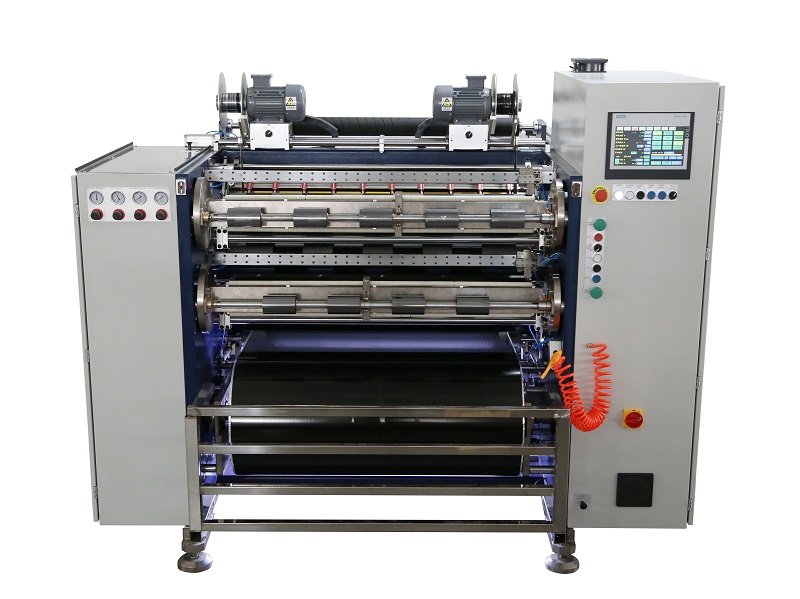 Fully Automatic TTR Slitter RSDS8 Plus
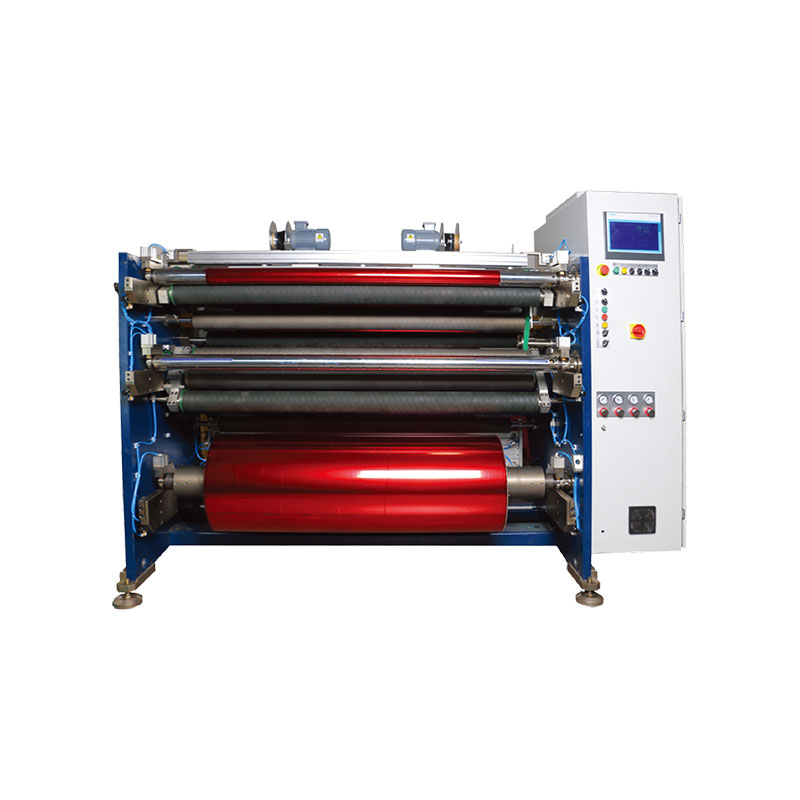 Hot Stamping Foil Slitter 1600mm
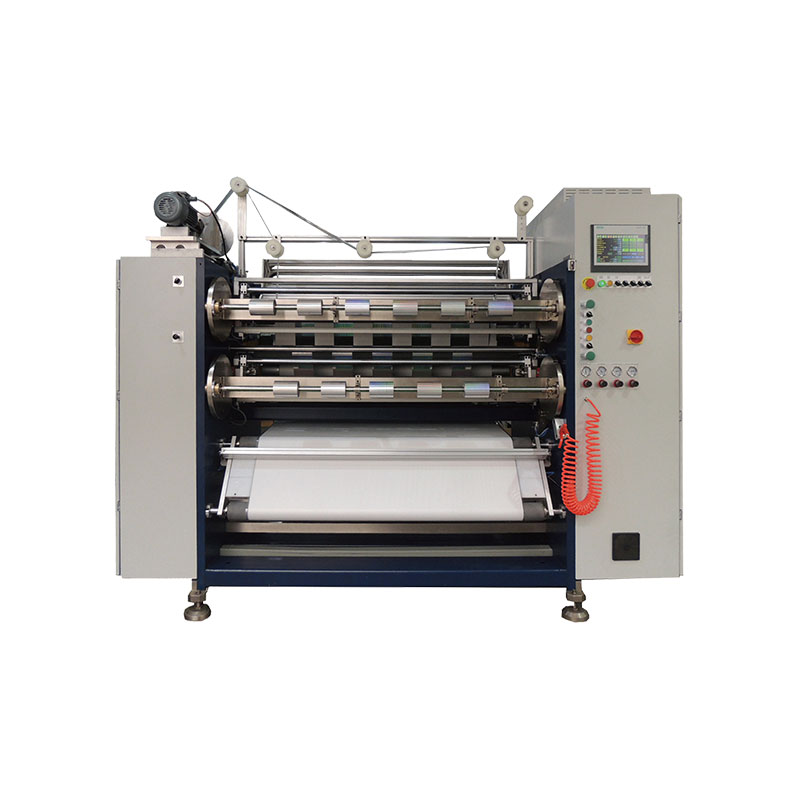 Hot Stamping Foil Slitter (4 Shafts)
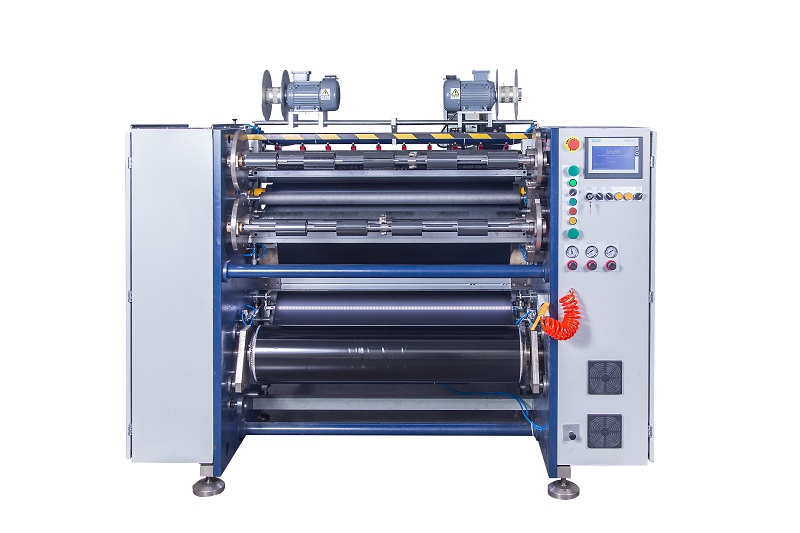 Semi-Auto TTR Slitter RSDS2 Plus
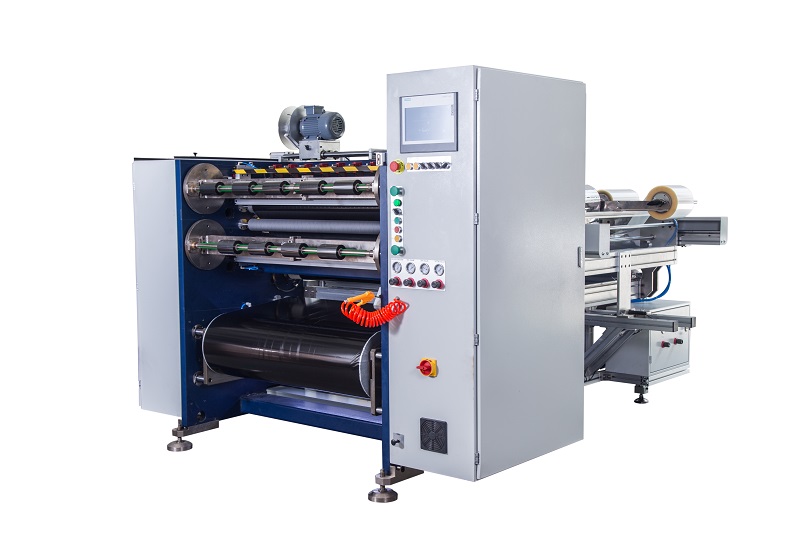 Semi Automatic TTR Slitter RSDS5 Plus
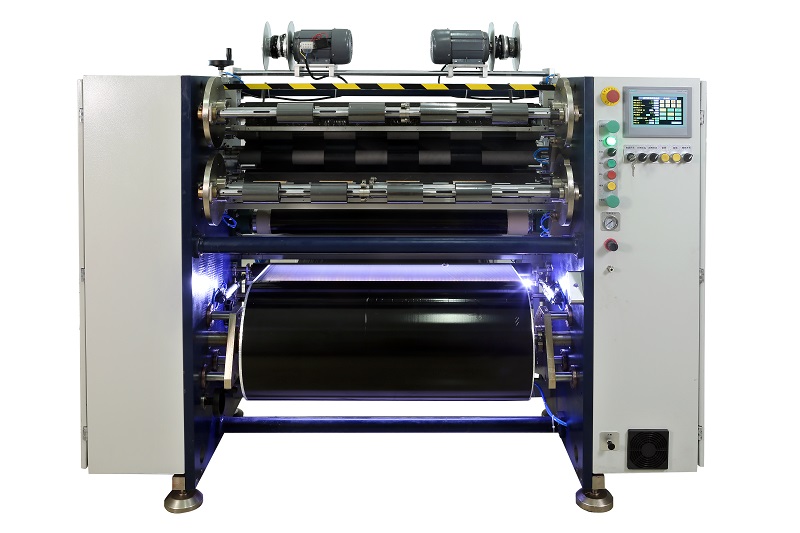 Manual TTR Slitter RSDS2
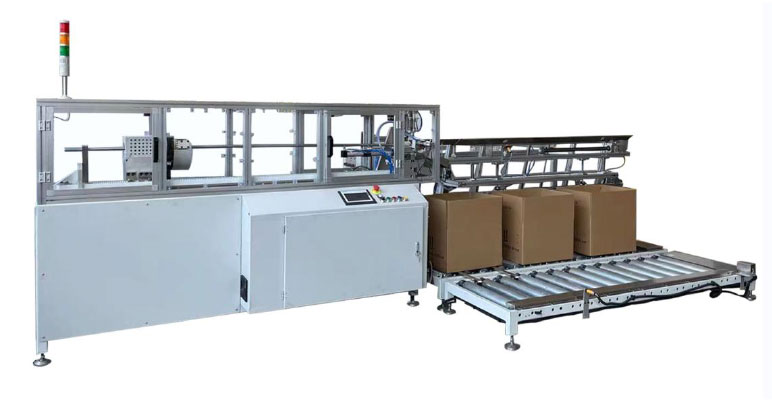 Auto Paper Core Cutter
 Film Slitting Machine



 +86 135 9951 7291
 support@delishgroup.com
 +86 135 9951 7291