14. October, 2026delish0
When you decide to stop tolerating the "settling" state of a standard slitting machine and instead seek a customized device, the biggest obstacle often isn't the budget, but the uncertainty about what you really want. Customizing ribbon slitting machines is far more than just "changing the width"—it involves a series of interconnected technical choices, including material properties, tension logic, winding methods, and inspection standards. If requirements are vague, suppliers can only guess based on their own understanding, and the final delivered equipment is likely to leave regrets.
Below is a customized requirements clarification framework for purchasers, helping you turn requirements into actionable solutions in language engineers can understand.
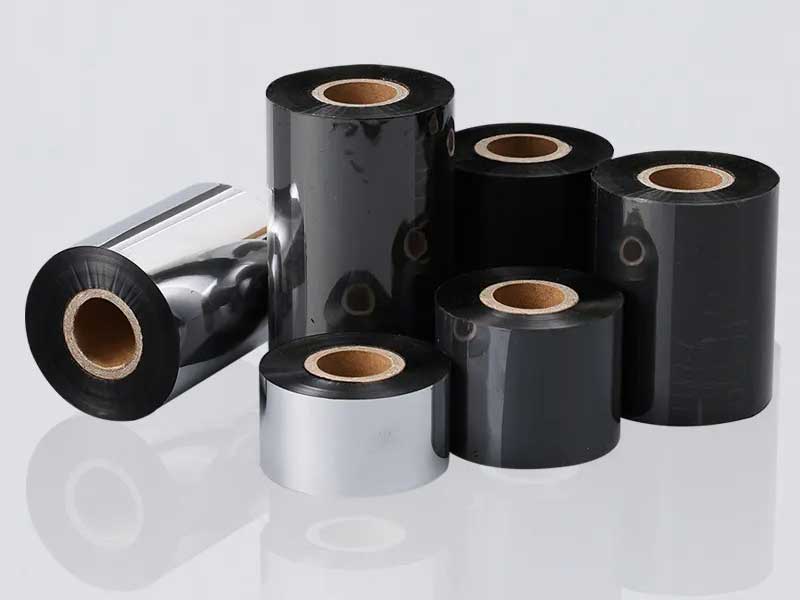
1. First, get a clear grasp of your own "product portfolio."
The starting point for a custom slitting machine is not the equipment, but the ribbon you want to slit. When suppliers ask about their needs, the first question almost always is: "What type of ribbon do you mainly cut?" What are the standard widths? ”
What you need to sort out in advance is the boundaries of your product matrix. This includes three aspects: ribbon material (wax-based, mixed-based, resin-based), width range (as narrow as possible), and master coil specifications (maximum incoming width, inner diameter, outer diameter). The material determines the direction of the slitting process: wax-based ribbon coatings are relatively soft, so the coating must be avoided during slitting; Resin-based ribbon coatings are hard and brittle, requiring special requirements for blade sharpness and heat control. If your product lineup covers a narrow strip of electronic tags from 3mm to a logistics width of 100mm, a customized solution must allow sufficient adjustment margin in tool systems and tension control.
The output of this step is a list of commonly used specifications, not just a statement of "all widths required."
2. Accuracy: Using the cost to reverse the standard
Almost all slitting machine suppliers emphasize "high precision," but precision comes at a price. ± 0.5mm standard equipment and ± 0.05mm precision equipment are on completely different levels in terms of hardware configuration, debugging costs, and operational stability requirements.
When specifying accuracy requirements, a more effective approach is to use the consequences to work backwards. Ask yourself: If the ribbon I cut out deviates by 0.1mm in width, what happens downstream? If used for ordinary logistics labels, slight edge inconsistency may barely work; If used for high-resolution barcodes or precision electronic labels, edge burrs directly cause strip misalignment, white print lines, or even wear on the print head, then accuracy is a "veto" item.
Telling suppliers about the terminal printing scenario is more useful than simply throwing out a tolerance number. At the same time, test cutting is the only way to verify accuracy commitments—use your own main roll, cut to the narrowest and widest specifications, and measure with a vernier caliper, not just by looking at the parameter table.

3. Speed: Matching order structure, not chasing nominal peaks
The custom logic for slitting speed depends on your order structure. In small-batch, multi-variety production models, order change efficiency is far more important than extreme speed—frequent downtime and tool adjustments consume all the benefits brought by "high speed." Large-scale, small-spec continuous production is worth paying for high-speed performance above 300m/min.
There's another easily overlooked constraint: the penalty of material for speed. Resin-based ribbons have harder coatings and lower toughness, so their actual slitting speed is usually 20% to 30% lower than that of wax-based ribbons. If you mainly work on resin-based products, equipment rated at 500m/min may only run just over 300m/min in your scenario. When requesting speed, include your main ribbon type so suppliers can make meaningful recommendations.
4. Tension Control: The Core Battlefield for Customization Needs
The ribbon substrate is PET film with a thickness of only 4.5 to 10 microns, which is much more sensitive to tension than ordinary paper or film. If the tension is too high, the base film can stretch and deform, and the ink layer may develop microcracks; If the tension is too low, the winding becomes loose, and the end face looks crooked like a "bell mouth," which inevitably causes jams when printing on the machine.
This is the part of customization that requires deep alignment with suppliers. What you need to tell the other person is not just "keep the tension stable," but rather: what is the thinnest micron of your ribbon? What is the minimum roll diameter after slitting? Is the reel reel single-axis or multi-axis synchronized?
For ultra-narrow slitting ribbons (below 3mm), tension control must be precise to the 0.1N level, and subtle differences between axes during simultaneous winding of multiple rolls must be managed. For conventional wide-width ribbons, closed-loop tension control combined with an active correction system is the baseline configuration, and end-face deviation must be controlled within ±1mm to be usable. By assigning these specific constraints to suppliers, they can determine whether to introduce slip shafts, taper tension, or higher-precision servo systems.

5. Material compatibility and special process requirements
If your business involves special industry applications, customization needs to take a step further. Medical label ribbons require anti-static and low dust levels, and may even need to integrate clean modules or UV sterilization functions. Ultra-narrow ribbons used in electronics manufacturing require laser micro-cutting instead of traditional blade slitting to avoid material compression and deformation. Washable ribbons may need to consider edge sealing during slitting.
Once these requirements are only raised at acceptance, they are almost impossible to remedy. During requirements communication, proactively explain the end-use scenarios and let suppliers assess whether custom tool profiles, static elimination devices, or adjustments to roller surface treatment processes are needed.
6. Pack your requirements into a "slitting specification sheet"
Verbal communication is easily missed; written confirmation is the key to ensuring the implementation of customization. A valid request report should include the following fields:
Material dimensions: ribbon type (wax-based/mixed/resin-based), substrate thickness (μm), coating characteristics (high-temperature resistance/anti-static/washable, etc.).
Product dimensions: target width list (including narrowest and widest), core inner diameter (1 inch / 0.5 inches / special), finished coil length or diameter, and end-face neatness tolerance.
Efficiency dimension: desired operating speed range, order change frequency, and number of reels rewinding simultaneously.
Quality dimensions: requirements for slitting accuracy, allowable upper limit for defect rate, and whether online inspection and automatic rejection are needed.
Fill out this form, and you've completed the most valuable work in your customization needs. The rest is to require suppliers to test cut with your materials and verify every promise with actual test data, rather than just passing by with pretty samples from the sample booklet.
Customizing a ribbon slitting machine essentially means buying "certainty"—ensuring your finished ribbon can be wound smoothly, run smoothly, and print clearly. The clarity of the demand directly determines the thickness of this certainty.
 English
 Deutsch
 Français
 Español
 Português
 日本語
日本語 русский
 한국어
한국어 عربي
عربي ภาษาไทย
 Tiếng Việt
 Italiano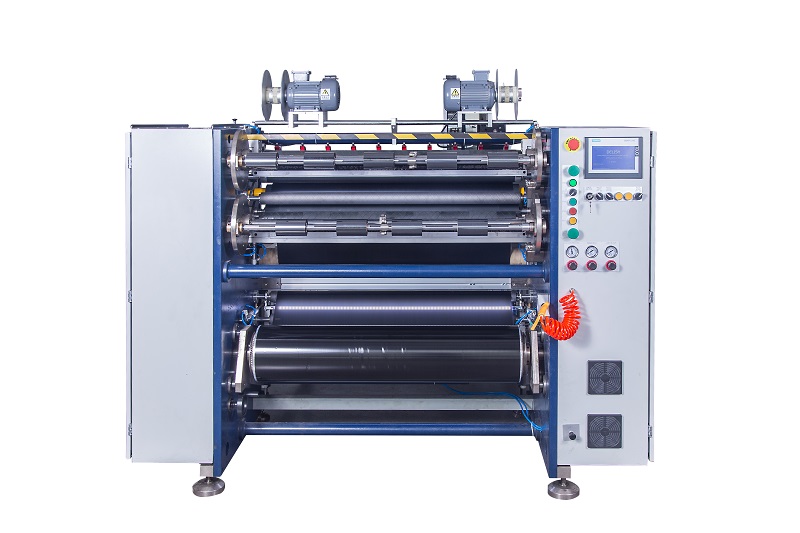
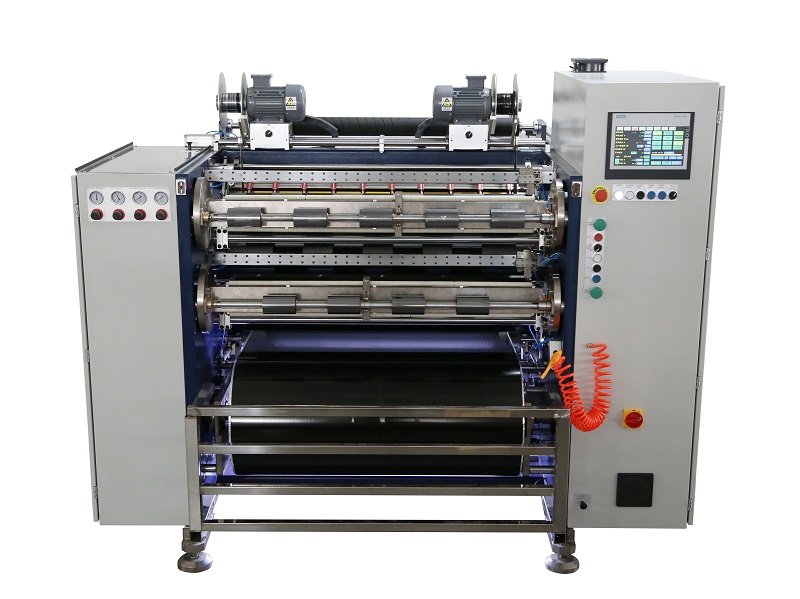 Fully Automatic TTR Slitter RSDS8 Plus
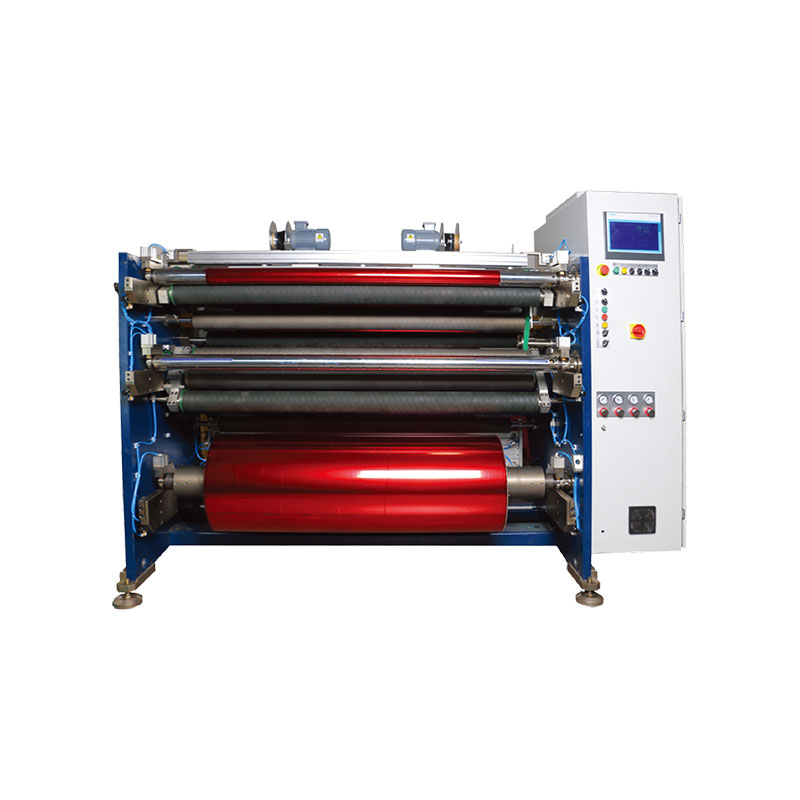 Hot Stamping Foil Slitter 1600mm
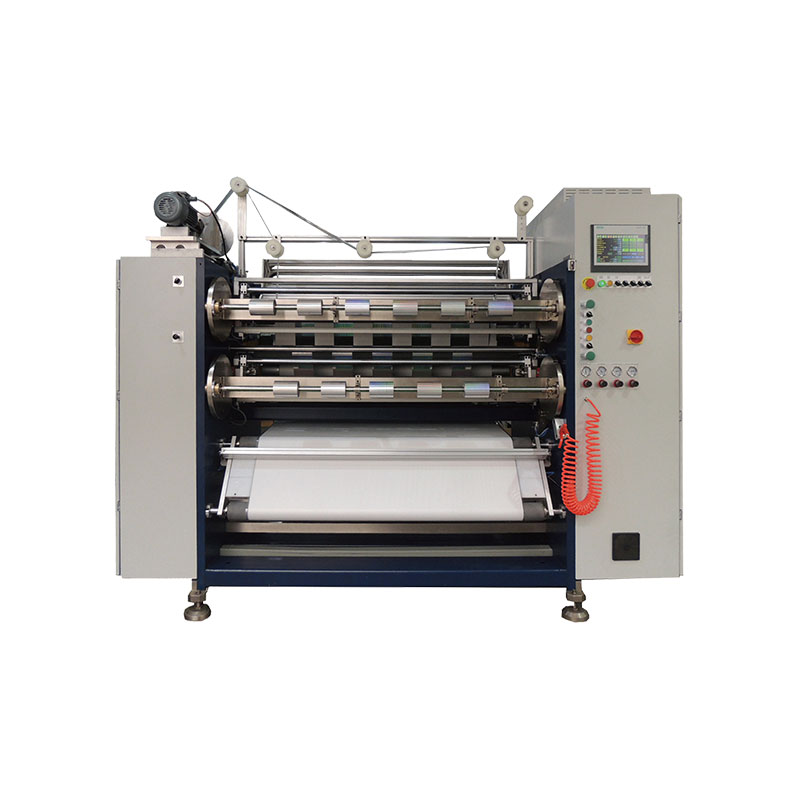 Hot Stamping Foil Slitter (4 Shafts)
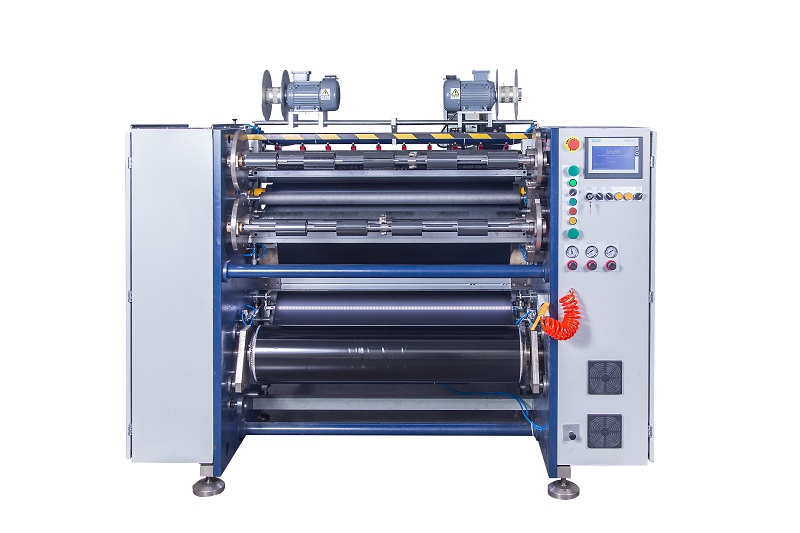 Semi-Auto TTR Slitter RSDS2 Plus
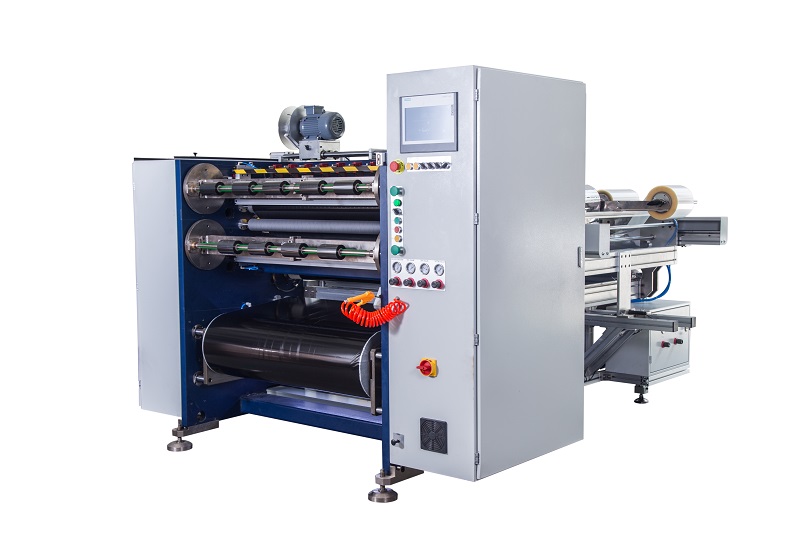 Semi Automatic TTR Slitter RSDS5 Plus
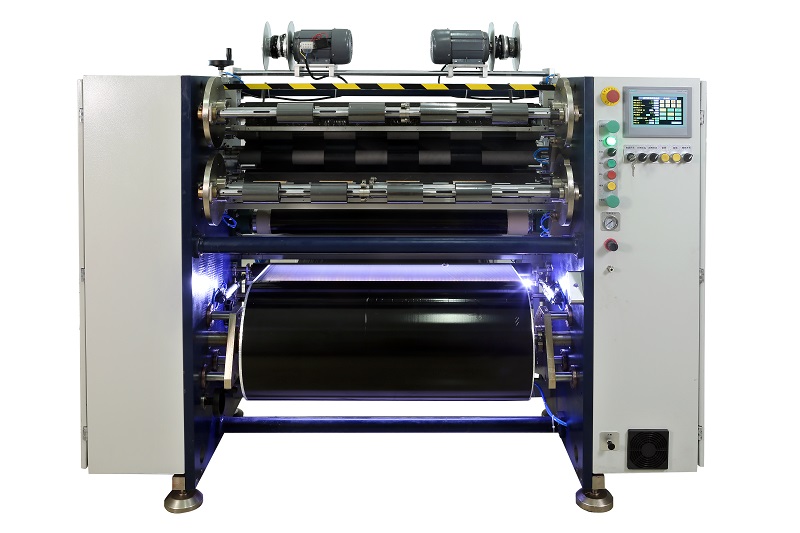 Manual TTR Slitter RSDS2
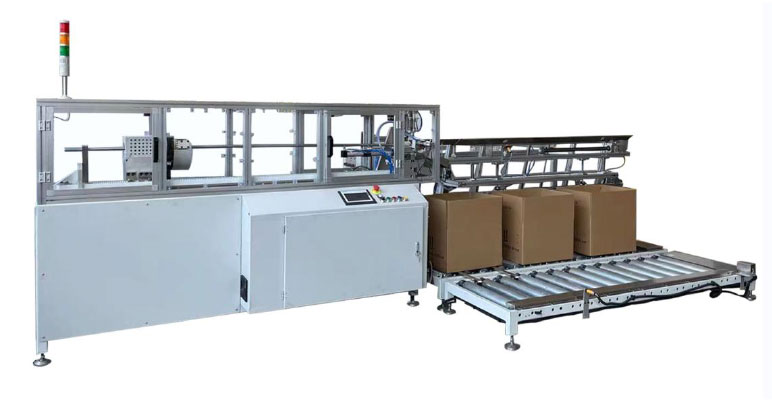 Auto Paper Core Cutter
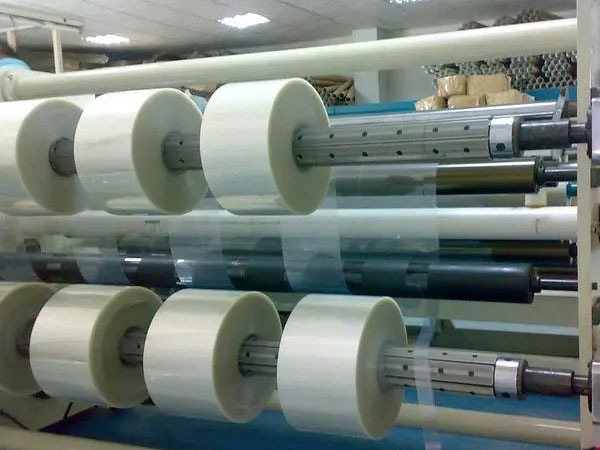 Film Slitting Machine



 +86 135 9951 7291
 support@delishgroup.com
 +86 135 9951 7291