24. March, 2026delish0
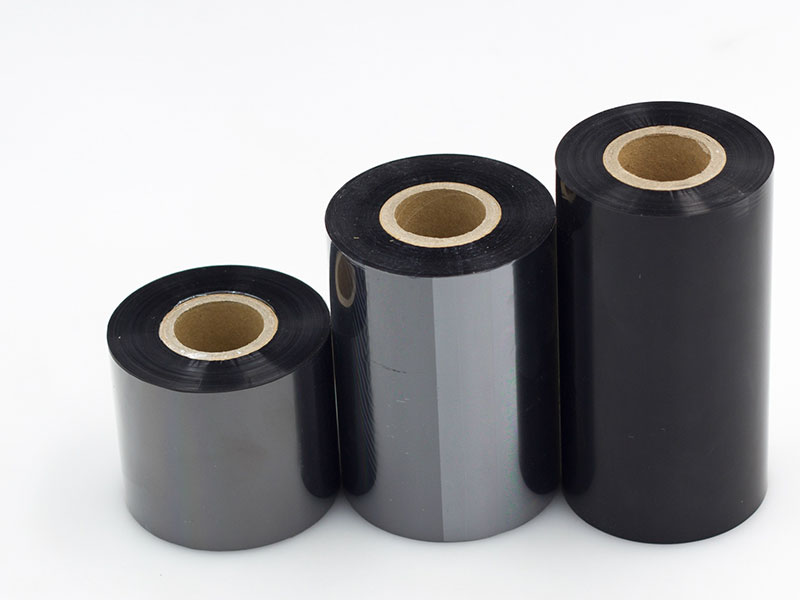
In the production and processing of thermal transfer ribbons, winding flatness is one of the core indicators to measure the performance of slitting equipment. When the ribbon with poor flatness is used in the back line of coating, printing or user end, it is very easy to have problems such as deviation, wrinkling, and even broken belts, which directly affects product quality and customer experience.
So, in the face of many ribbon slitting machines on the market, how to ensure the flatness of winding through reasonable selection of configurations? This paper analyzes from three dimensions: key mechanism, control system and process parameters.
1. Design and configuration of winding mechanism
The winding mechanism is the direct actuator that determines the flatness, and its structural design and component accuracy are crucial.
1. Type selection of winding shaft
At present, the mainstream ribbon slitting machine winding shaft mainly adopts two types: slip shaft (also known as friction shaft) and air expansion shaft.
• The slip shaft is the first choice for high flatness. Each of its slip rings can independently control the torque, and when the tension of individual coils is uneven during the winding process, the slip ring will automatically slip to ensure that each coil material is rewound with the same tension, fundamentally eliminating the phenomenon of "loose inside and tight outside" or "tower shape".
• Although the cost of ordinary air expansion shaft is low, the tension of each station is completely synchronized, which cannot compensate for the dimensional tolerance of the coil core and the paper tube itself.
2. Rewinding roller system
The swing arm pressure roller is an important auxiliary configuration to ensure the flatness of winding. The pressure roller relies on its own weight or cylinder pressure to continuously adhere to the surface of the winding film coil, which plays two major roles: one is to discharge the air between the layers to prevent the slippage; The second is to inhibit the radial runout of the film coil during winding through constant linear pressure, especially when running at high linear speed.
3. Winding accuracy of reel shaft
The machining accuracy of the winding shaft itself directly affects the running trajectory of the ribbon. When selecting equipment, focus on the radial runout of the winding shaft, high-quality equipment is usually controlled within 0.02mm, and the spindle needs to be tested for dynamic balance to avoid periodic vibration during high-speed operation.
2. The advanced nature of the tension control system
Tension control is the soul of ribbon slitting, which affects the flatness of winding up by more than 50%.
1. Closed-loop tension control vs open-loop control
A full closed-loop tension control system must be selected. The system detects the actual tension of the material in real time through the tension sensor, and automatically adjusts the torque or speed of the unwinding and winding motors after the controller calculates, forming a negative feedback closed loop. Open-loop control (such as open-loop adjustment by magnetic powder clutch only) cannot cope with the tension fluctuations caused by changes in material coil diameter and inertia, and will eventually be reflected in uneven winding end-faces.
2. Independent drive for winding and unwinding
The use of servo motor to independently drive winding and unwinding can achieve faster response speed and higher control accuracy compared with the traditional mechanical synchronous or single motor plus drive shaft method. The servo drive and high-resolution encoder can accurately control the dynamic tension during acceleration and deceleration, and avoid uneven stress distribution within the film coil caused by sudden tension changes at the moment of start and stop.
3. Taper tension control
A high-quality ribbon slitting machine should have a taper tension control function. As the winding diameter increases, if constant tension is maintained at all times, the outer material will squeeze the inner layer too much, resulting in "burst ribs" or overflow of the film roll. The taper tension control can gradually reduce the tension according to the set curve according to the current coil diameter, so that the inside of the film coil is reasonably distributed from tight to loose, and ensure that the whole coil is flat.
3. Guidance and correction system
1. High-precision correction device
In the process of slitting, the ribbon is very easy to produce lateral offset due to factors such as uneven thickness of the material itself and the difference in slitting blade resistance. An ultrasonic or photoelectric automatic guidance system must be configured, and the correction actuator should be located between the slitting tool holder and the winding shaft. Priority is given to motorless swing frame correction or linear guide rail type displacement correction, and the correction accuracy should reach within ±0.2mm.
2. Balance and angle of guide rollers
All guide rollers should be treated with static and dynamic balancing, and the surface should be anodized or anti-stick coating to reduce frictional resistance with the back of the ribbon. At the same time, it is necessary to reasonably design the layout of the guide roller to ensure that the ribbon has sufficient corners before and after slitting, so that the material always runs close to the surface of the guide roller and avoids drift due to airflow disturbance.
4. Slitting tools and tool holders
The sharpness of the slitting tool and the structure of the tool holder also affect the flatness of the winding, which is often overlooked.
1. Round knife slitting vs flat knife slitting
For PET substrate ribbons, circular knife slitting is more suitable. The circular knife adopts the upper and lower knife cutting method, which has low shear force, smooth incision, no dust generation, and long tool life. If a flat knife (razor) is used for slitting, it is easy to cause small burrs or tensile deformation on the slitting edge due to uneven wear of the blade, which will cause the edge to rise during winding.
2. Independent tool holder adjustment
Choose a structure with an independently adjustable tool holder and a fine-tuning dial to ensure precise spacing between slitting units and consistent insert amount. The tool holder is installed on a high-rigidity beam as a whole to avoid resonance during high-speed operation.

5. The rigidity and environmental adaptability of the whole machine
• Frame structure: Preferential selection of frames made of integral casting or welded heavy steel plates and aged, ensuring long-term operation without deformation. The lightweight design of the frame is prone to vibration during high-speed slitting, which is transmitted directly to the rewinding shaft and leads to deterioration of flatness.
• Cleanliness protection: ribbon slitting is sensitive to cleanliness, and the equipment should be equipped with static elimination rods and dust collection devices to prevent electrostatic adsorption dust from being involved in the film coil, causing local protrusions to destroy the flatness.
6. Summary: Configure the selection list
If the core appeal is "winding flatness", the ribbon slitting machine should focus on the following configurations:
| module | Recommended configuration |
| Retract the scroll | Slip shaft, independent torque control of each station |
| Press roller | Swing arm type follow-up pressure roller, line pressure adjustable |
| Tension control | Full closed-loop tension control, independent drive of retracting/unwinding servo, with taper tension function |
| Correction system | Ultrasonic/photoelectric automatic correction with an accuracy ≤± 0.2mm |
| Slitting method | Round knife slitting, independent tool holder fine-tuning |
| Guide rollers | Dynamic balance treatment, anti-stick coating |
| Rack | Highly rigid castings or heavy steel plate welded structures |
| Secondary configuration | Static elimination rod, dust removal device |
Epilogue
The winding flatness of the ribbon slitting machine is not determined by a single factor, but is the result of systematic optimization of the whole machine configuration. When purchasing equipment, it is recommended to focus on the presence and quality level of the above key configurations based on actual proofing tests. A well-configured ribbon slitting machine can not only ensure long-term stability of flatness, but also effectively reduce the loss of subsequent processes, bringing real quality dividends to enterprises.
 English
 Deutsch
 Français
 Español
 Português
 日本語
日本語 русский
 한국어
한국어 عربي
عربي ภาษาไทย
 Tiếng Việt
 Italiano
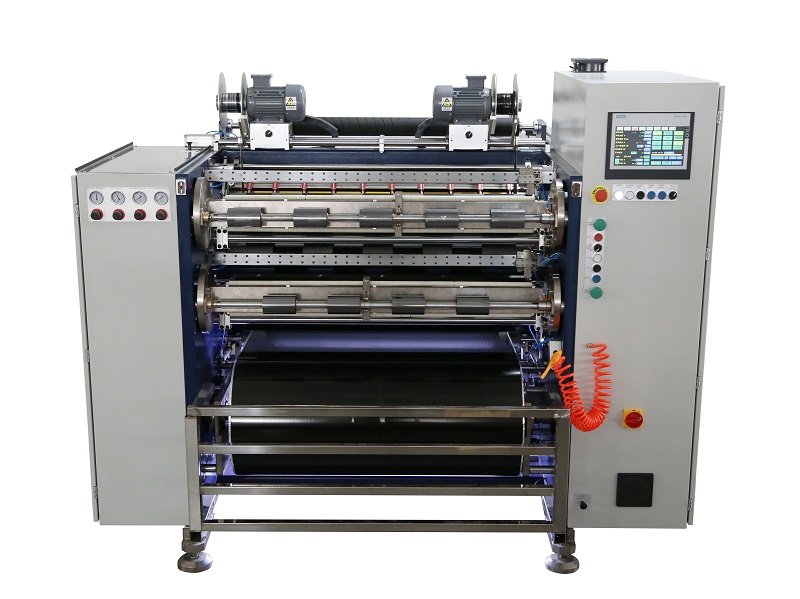 Fully Automatic TTR Slitter RSDS8 Plus
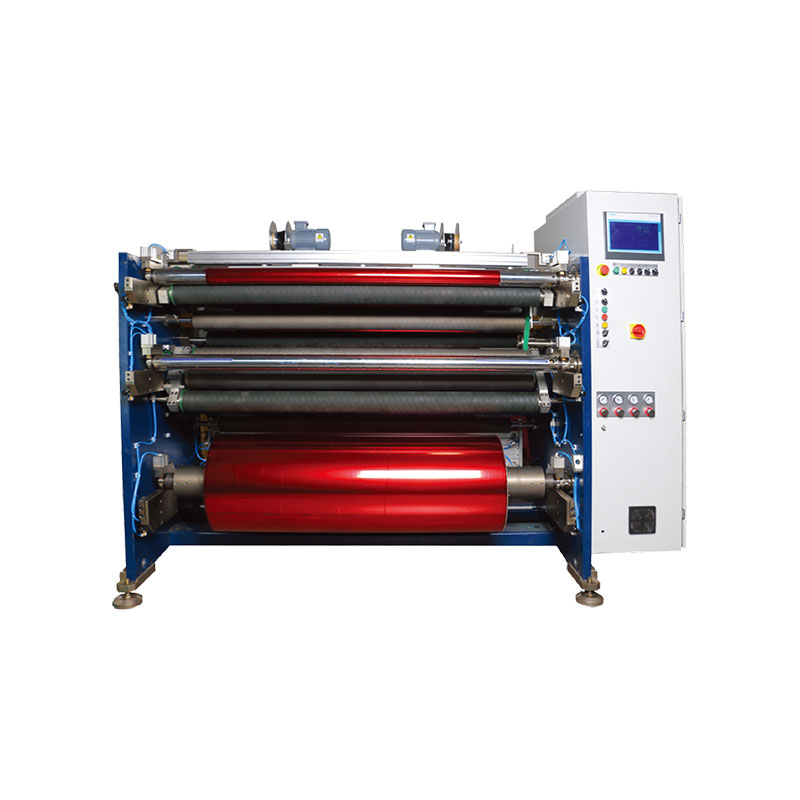 Hot Stamping Foil Slitter 1600mm
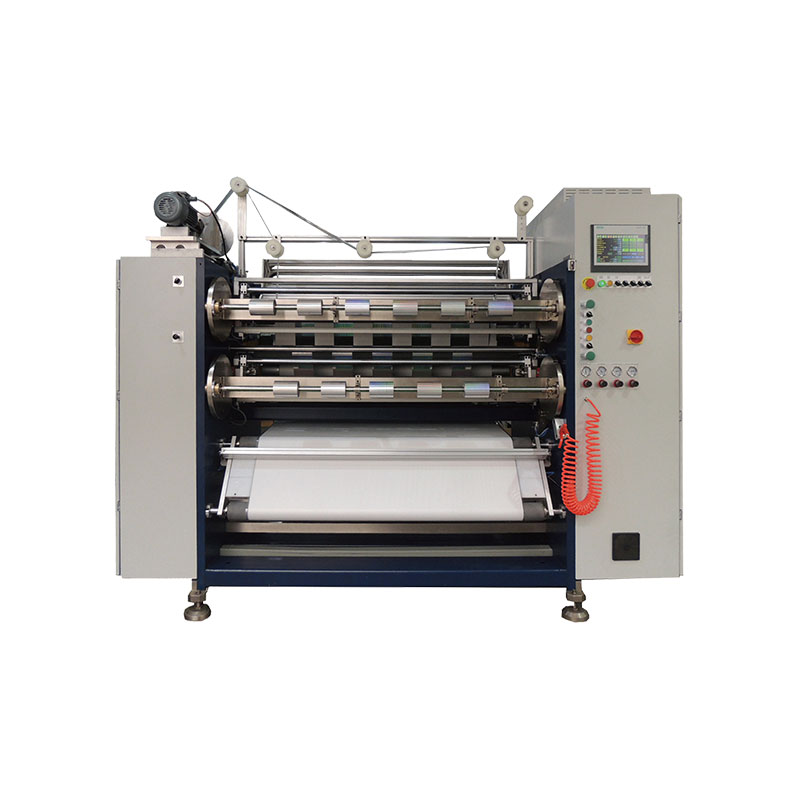 Hot Stamping Foil Slitter (4 Shafts)
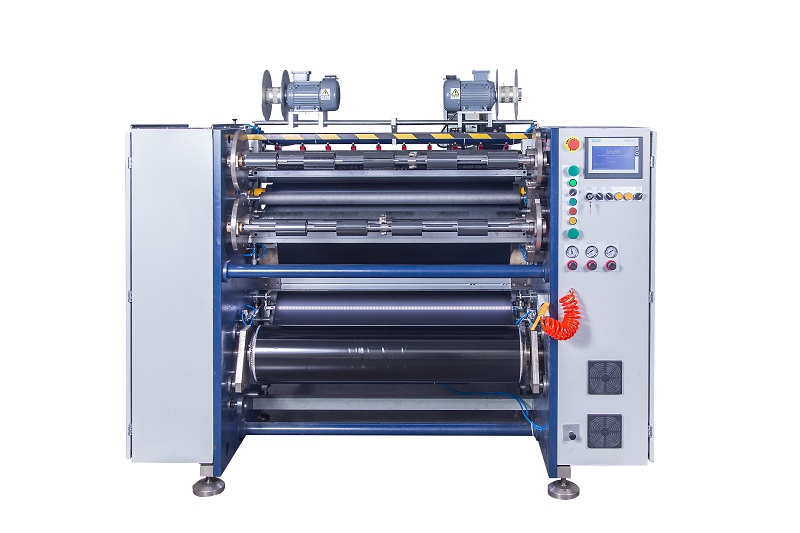 Semi-Auto TTR Slitter RSDS2 Plus
 Semi Automatic TTR Slitter RSDS5 Plus
 Manual TTR Slitter RSDS2
 Auto Paper Core Cutter
 Film Slitting Machine



 +86 135 9951 7291
 support@delishgroup.com
 +86 135 9951 7291