07. April, 2026delish0
Abstract:In the process of ribbon slitting, edge cutting burrs are a common problem that affects product quality and subsequent printing results. Starting from the causes of burrs, this paper systematically analyzes the influencing factors such as tool status, slitting parameters, material characteristics and equipment accuracy, and puts forward corresponding elimination measures and process optimization schemes to provide reference for the quality control of ribbon manufacturers.
1. Introduction
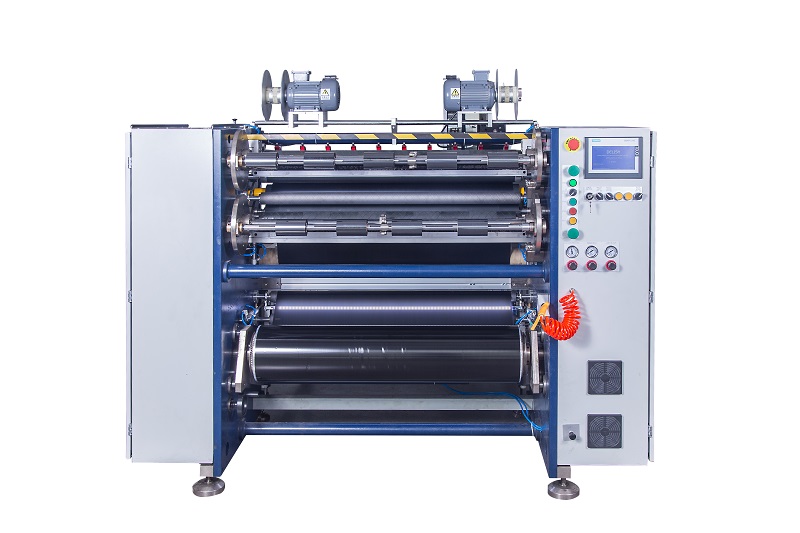
Ribbon (heat transfer ribbon) is widely used in barcode printing, label making, and other fields. Slitting is one of the key processes in ribbon production, and its trimming quality directly affects the product appearance, stability and printhead life. Edge cutting burrs will not only cause uneven edges and coating peeling, but may also scratch the print head during use, causing serious quality accidents. Therefore, it is of great engineering significance to eliminate trimming burrs in the ribbon slitting process.
2. The main causes of burrs
2.1 Tool factors
• Tool passivation: After prolonged use, the edge of the round or flat knife will experience microscopic wear and tear, making it impossible to achieve clean cuts.
• Improper tool clearance: The amount of overlap or lateral clearance between the upper and lower knives is not adjusted to the thickness of the material, resulting in tearing instead of cutting.
• Tool material mismatch: For ribbons with coatings or high-toughness base films, ordinary HSS tools are prone to adhesion burrs.
2.2 The slitting parameter setting is unreasonable
• Tension control fluctuations: The unwinding or rewinding tension is too large/too small, causing the ribbon to stretch or relax at the cutting point, affecting the cut neatness.
• Excessive slitting speed: At high speed, the material does not have time to break evenly, and it is easy to form burrs or melt agglomeration (when the thermal effect is significant).
• Uneven pressure on the roller: causes lateral slippage of the ribbon at the edge of the cutter edge.
2.3 Material Properties
• The ribbon substrate (mylar) is thin (typically 4.5–6μm) thick and has high toughness, which requires strict instantaneous impact of cutting.
• Differences in adhesion between ink coatings and backcoats can cause coating chips to adhere to edges during slitting.
2.4 Insufficient equipment accuracy
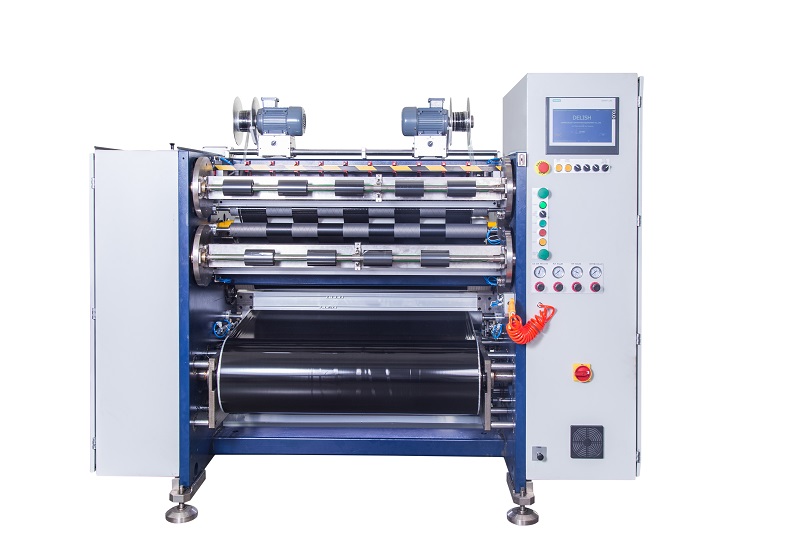
• Mechanical factors such as knife shaft runout, bearing wear, and insufficient rigidity of the tool holder cause the cutting trajectory to not coincide.
• Static accumulation attracts dust and fibers, forming "false burrs".
3. Specific measures to eliminate burrs
3.1 Tool selection and maintenance
• Choose superhard material tools: such as carbide or ceramic circular knives, which have better wear resistance than ordinary high-speed steel.
• Regular sharpening: It is recommended to grind online or offline every 100,000 meters of slitting or when the quality of the cut deteriorates to keep the edge sharp (edge radius ≤ 5 μm).
• Optimize tool clearance:
◦ Circular knife slitting: The overlap is generally 10%–20% of the material thickness, and the lateral clearance is controlled at 0.005–0.02mm.
◦ Razor slitting: Choose a single-sided blade at a suitable angle and keep the knife groove clean.
3.2 Optimization of slitting process parameters
| Parameters | Recommended range: | Effect on burrs |
| Slitting speed | 150–300m/min (depending on substrate) | Too high is easy to produce hot melt burrs, and too low will increase tearing burrs |
| Unwinding tension | 8–15N/m (thin-film ribbon) | The tension is too small and wrinkled, and the edge stress is concentrated if it is too large |
| Winding tension | Layer by layer decrement or taper tension (starting tension 70%–85%) | Reduces burrs formed by edge extrusion |
| Pressure roller pressure | 0.2–0.4MPa, even contact | Prevent lateral movement of the ribbon |
3.3 Assistive technology means
• Static eliminator: AC or pulsed static eliminator rods are installed before and after the knife edge to prevent debris adsorption.
• Blowing/vacuuming device: 0.3–0.5 MPa of clean compressed air is blown towards the knife edge, and the negative pressure nozzle collects fine dust and burrs.
• Online burr detection: Laser or visual inspection system is used to provide timely feedback to adjust parameters or alarm tool changes.
3.4 Equipment accuracy maintenance
• Regularly check the radial runout of the tool shaft (it should be ≤ 0.01mm) and the flatness of the tool holder.
• Servo is used to drive the upper and lower tool shafts independently to avoid phase desynchronization caused by gear gap.
• For wide slitting machines, it is recommended to configure an automatic tool setting system to reduce manual tool adjustment errors.

4. Process cases and effects
A ribbon manufacturer has transformed the original slitting machine and taken the following measures to address the edge burr problem of the waxy ribbon with a thickness of 4.5μm:
1. Replace the original ordinary high-speed steel round knife with a coated carbide round knife (TiAlN coating);
2. Reduce the slitting speed from 400 m/min to 220 m/min;
3. Add ion air rod and knife edge vacuum suction device;
4. Perform a weekly tool radial runout check.
The results showed that the burr length was reduced from the original average of 0.15–0.3mm to less than 0.05mm, the customer complaint rate was reduced by 76%, and the life of the slitting tool was extended by about 40%.
5. Conclusion
Eliminating edge cutting burrs in ribbon slitting machines requires collaborative optimization from four dimensions: tools, processes, equipment and auxiliary systems. The key is to keep the tool sharp, match the right clearance and tension, control static electricity and dust, and regularly maintain the accuracy of the machinery. For high-end ribbon products (e.g., resin-based, hybrid-based), non-contact technologies such as laser slitting or ultrasound-assisted slitting should also be considered to completely eliminate the risk of burrs inherent in mechanical cutting.
References
[1] Zhang Lifeng, Wang Jianguo. Research on Edge Quality Control in the Slitting Process of Thin Film Materials[J]. Packaging Engineering, 2020, 41(11): 178-183.
[2] Chen Hong, Li Weidong. Production process and common defect analysis of thermal transfer ribbon[J]. Printing Technology, 2019(8): 45-48.
[3] Zhao Mingyuan. Influence of Parameters of Precision Slitting Machine Tool Set on Edge Cutting Quality[D]. Xi'an University of Technology, 2018: 32-45.
[4] Li Zhiqiang, Liu Wei. Application of Static Elimination Technology in Coil Slitting[J]. Electrostatic Technology, 2021, 35(2): 22-26.
[5] Zhang Hua. Research on Optimization and Burr Suppression of Tension Control System of High-speed Slitting Machine[J]. Mechanical Design and Manufacturing, 2022(5): 112-116.
[6] ISO 18947:2014, Imaging materials – Thermal transfer ribbon – Determination of edge fray and debris[S].
 English
 Deutsch
 Français
 Español
 Português
 日本語
日本語 русский
 한국어
한국어 عربي
عربي ภาษาไทย
 Tiếng Việt
 Italiano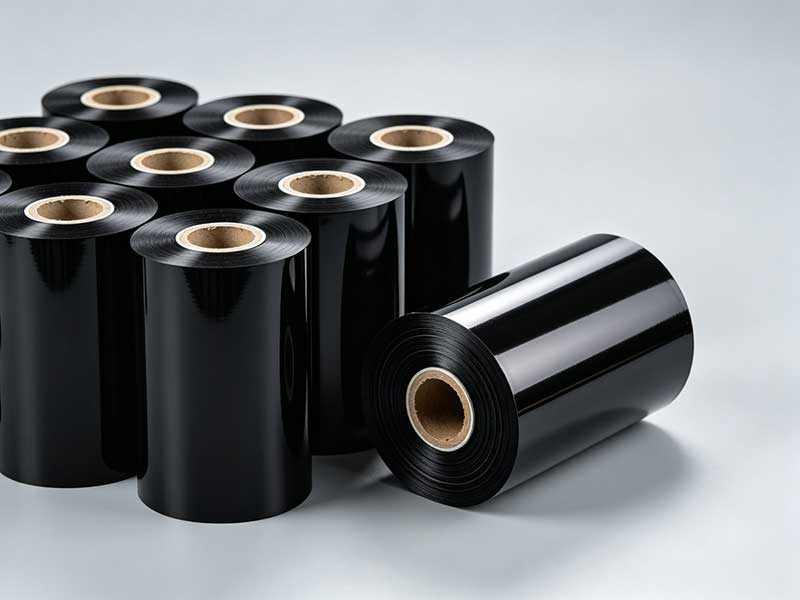
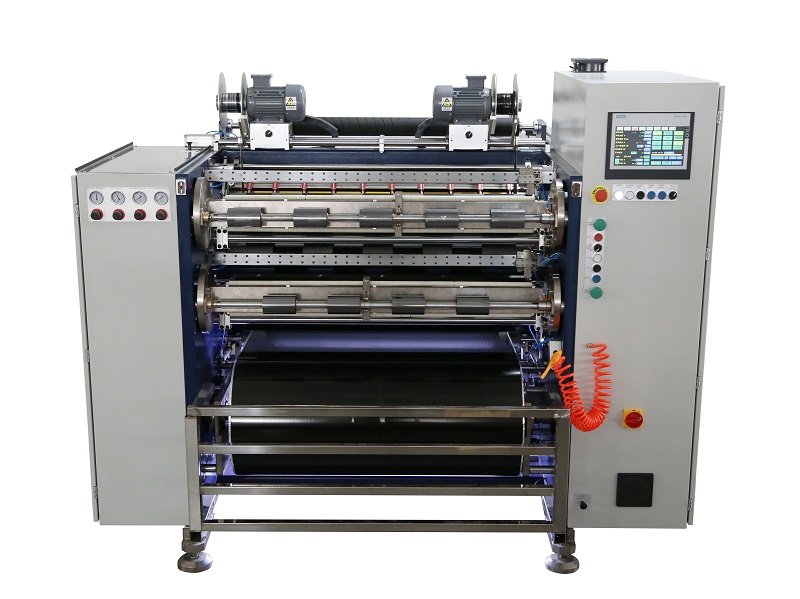 Fully Automatic TTR Slitter RSDS8 Plus
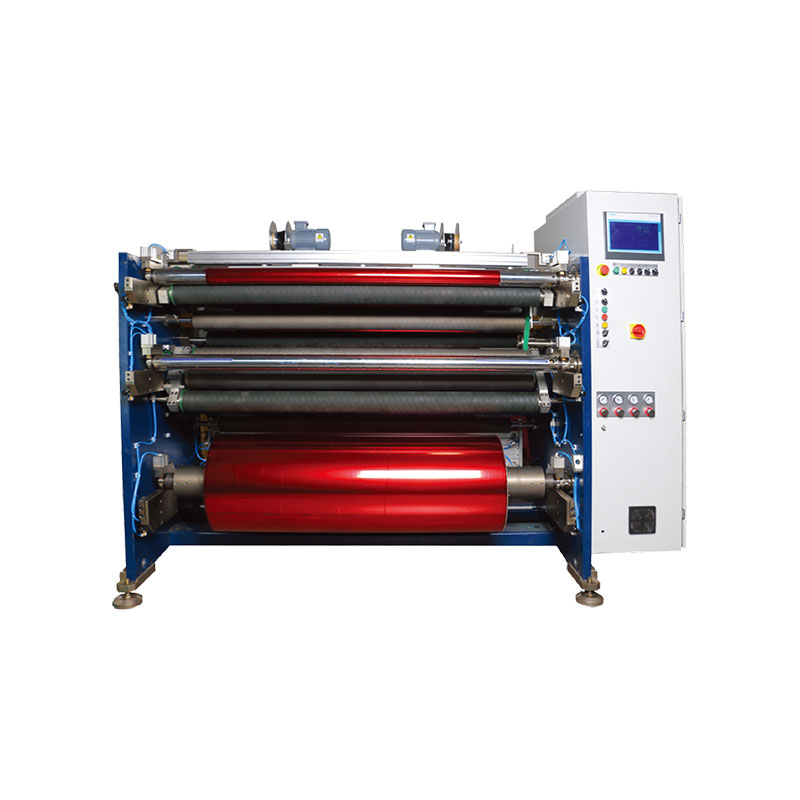 Hot Stamping Foil Slitter 1600mm
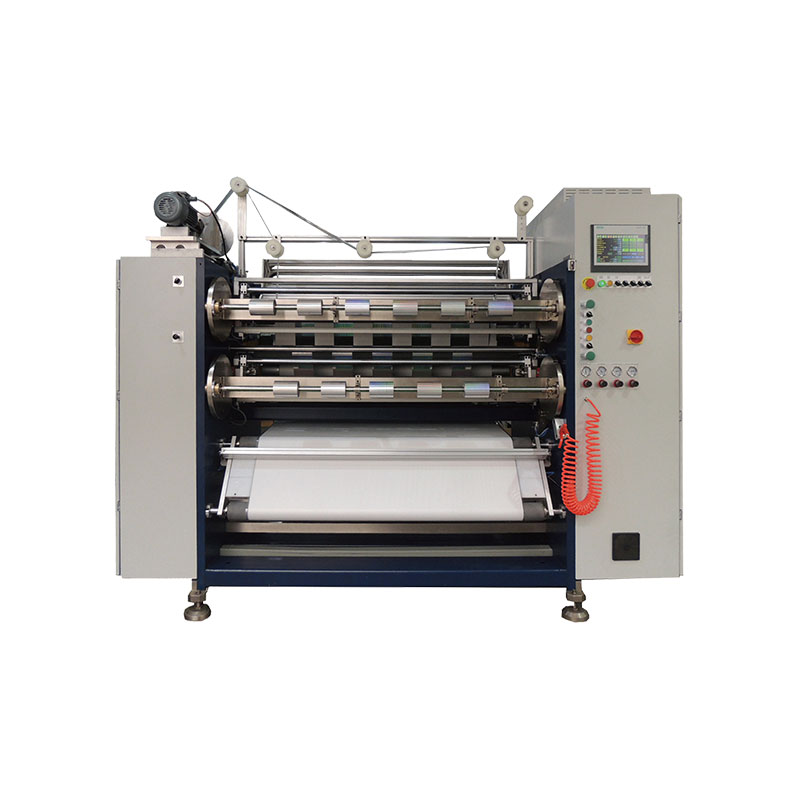 Hot Stamping Foil Slitter (4 Shafts)
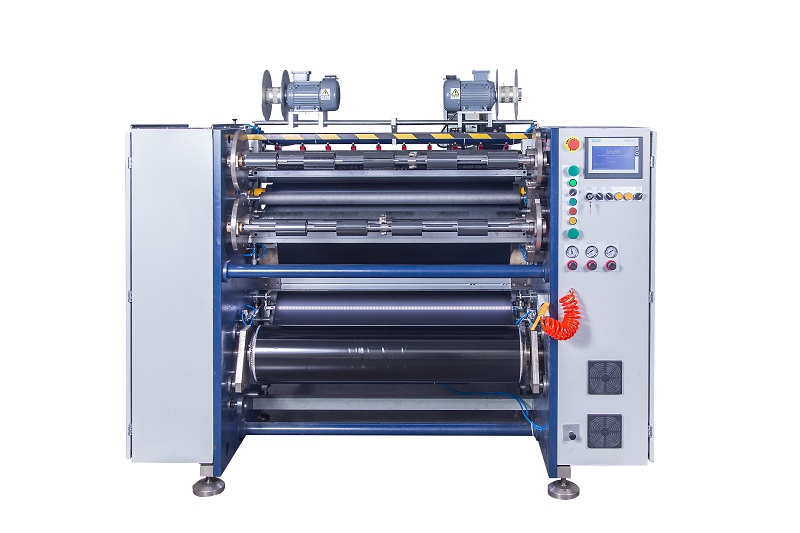 Semi-Auto TTR Slitter RSDS2 Plus
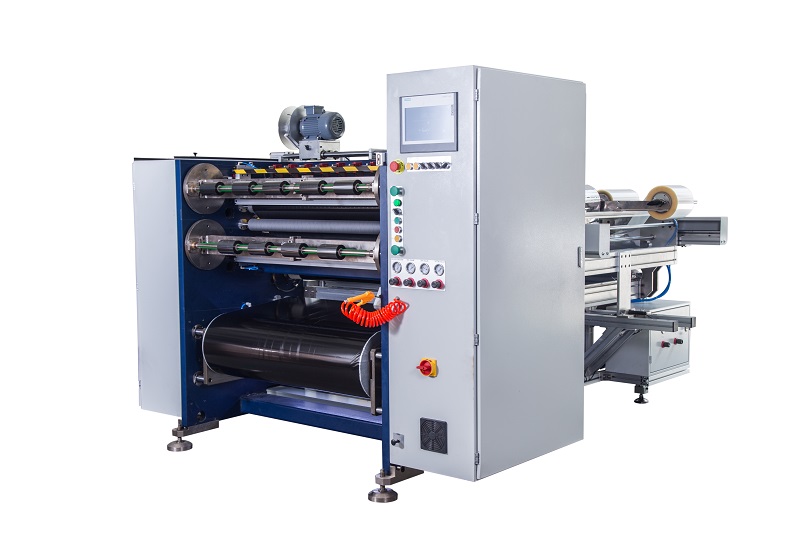 Semi Automatic TTR Slitter RSDS5 Plus
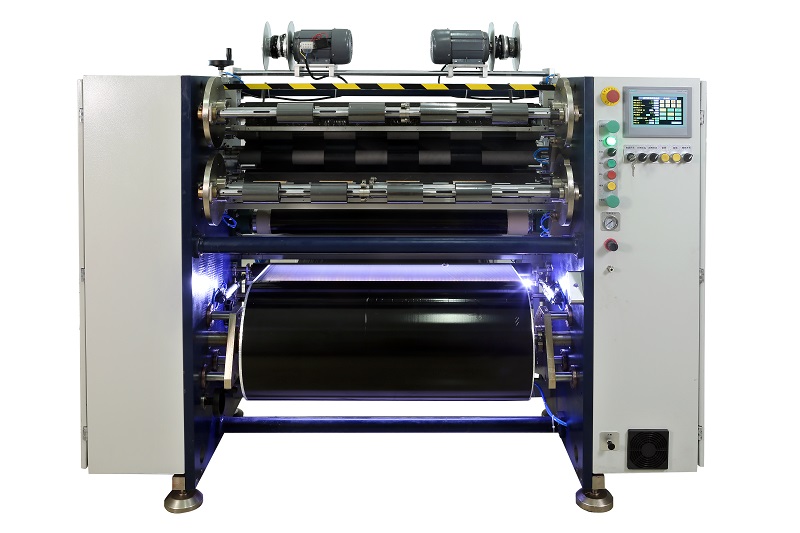 Manual TTR Slitter RSDS2
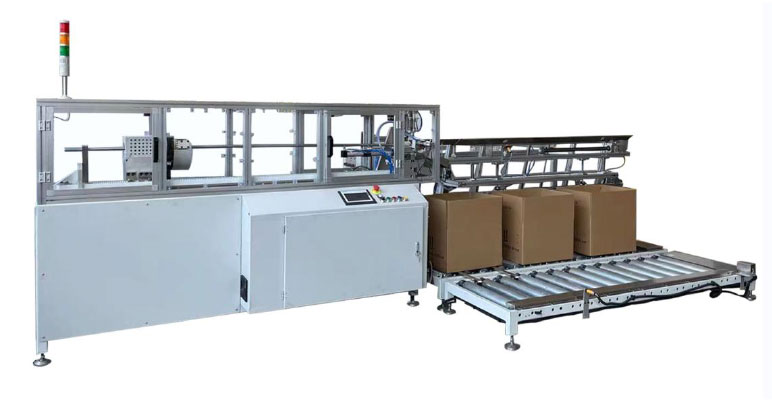 Auto Paper Core Cutter
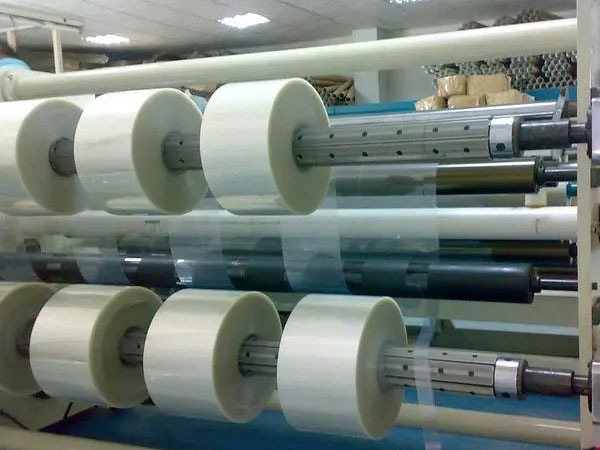 Film Slitting Machine



 +86 135 9951 7291
 support@delishgroup.com
 +86 135 9951 7291