19. May, 2026delish0
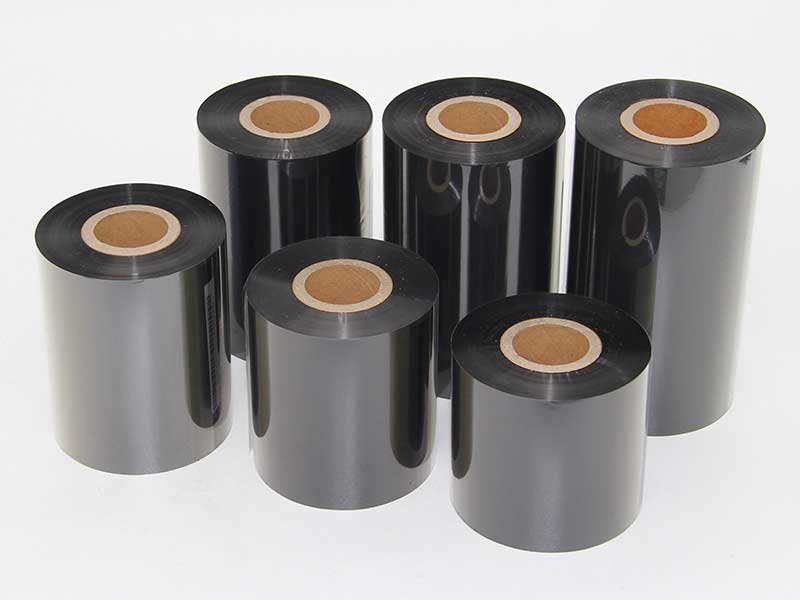
In the production process of thermal transfer ribbons, slitting is a key process for accurately dividing wide and large master coils into final specifications. The slitting quality directly determines the belt travel stability, print clarity and the risk of band breakage during use. Among all the factors that affect the quality of slitting, substrate tension control is undoubtedly the most core and difficult to control. How to achieve closed-loop tension control and increase the yield rate to more than 99% has become the core competitiveness of high-end ribbon manufacturing enterprises.
1. Tension out of control: the "invisible killer" of ribbon slitting
Thermal transfer ribbons are typically composed of PET films a few microns thick, backcoat coatings, release layers, and ink layers, often with a total thickness of less than 10 microns. This ultra-thin multi-layer structure is extremely sensitive to tension:
• Too little tension: The substrate is loose, resulting in belt shifting, wrinkling and even winding "violent tendons", affecting the normal supply of the subsequent printer.
• Excessive tension: The substrate is stretched and deformed, resulting in micro-cracks in the ink coating, white stripes on the print, and in severe cases, the film is directly broken, resulting in the scrapping of the whole roll.
• Tension fluctuations: the tightness of the inside of the winding varies, and as the coil diameter changes, the inner layer may be crushed and the outer layer may collapse. Downstream customers will have problems such as printing deviation and increased printhead wear when using it.
Traditional open-loop control relies on manual setting of fixed torque or air pressure, and cannot respond to changes in speed, coil diameter, and fluctuations in material friction coefficients in real time. According to statistics, on slitting machines without closed-loop tension systems, the scrap rate caused by abnormal tension can be as high as 5%~8%, most of which are downgrading losses of A-grade products to B/C grades.
2. Closed-loop tension control: from "guessing" to "perception"
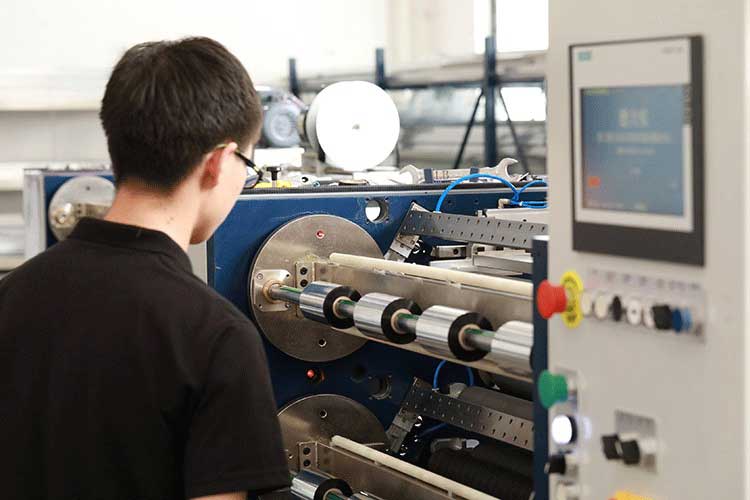
The core idea of closed-loop tension control is to measure the actual tension in real time, compare it with the target value, and dynamically adjust the actuator through the controller to keep the tension always within the set range. A typical closed-loop tension system of ribbon slitting machine includes three main links:
1. Measurement link: Use tension sensors (such as strain gauge pressure sensors) or floating roller displacement sensors to detect the actual tension of the film without contact or low contact. The sensor signal is processed by the amplifier and fed into the controller. For micro-tension ribbons (typically working tension 10~50N/m), the accuracy and response speed of the sensor are crucial.
2. Control link: Use a PID (proportional-integral-differentiation) controller or a more advanced adaptive controller. The controller calculates the adjustment amount based on the tension deviation. Modern high-end slitting machines often use adaptive PID – automatically adjusts PID parameters as the rewinding/unwinding reel diameter increases, avoiding system oscillation or slow response.
3. Execution link: mainly divided into winding control (controlling the winding torque through servo motor or magnetic powder clutch) and unwinding control (controlling the unwinding resistance through magnetic powder brake or servo motor regenerative braking). For ribbon slitting, the most commonly used indirect tension control architecture is the winding speed main control + unwinding tension closed loop.
3. Key technical points and engineering practice
1. Reasonable tension setting and partition control
The ribbon slitting process can be divided into three areas: unwinding area, traction area, and winding area. Ideally, it should be controlled independently:
• Unwinding tension: ensures smooth unwinding of the master coil and prevents adhesion between layers.
• Traction Tension: Established by the main traction roller, it provides a stable substrate state for the slitting knife.
• Winding tension: It should decrease linearly with the increase of the coil diameter (taper tension control) to avoid tightening inside and loosening outside.
The closed-loop controller needs to provide an independent PID loop for each zone and synchronize the roll speeds through the encoder.
2. Dynamic compensation during acceleration and deceleration
When the slitting machine frequently starts, stops and changes speeds, the inertia force and acceleration and deceleration torque will seriously interfere with the tension. Advanced closed-loop systems introduce feedforward control – pre-adjusting the actuator output based on the acceleration signal, counteracting inertia effects and ensuring a 5% fluctuation ≤±in dynamic process tension.
3. Deal with differences in material properties
Different types of ribbons have different substrate thicknesses, coating friction coefficients, and modulus. The modern closed-loop controller supports recipe management, the operator only needs to select the product model, and the system automatically loads the optimized target tension curve and PID parameters, avoiding the scrapping of the first roll caused by manual trial and error.
4. Sensor layout and interference suppression
The tension sensor should be as close as possible to the tension disturbance point (e.g., after the reel is lowered, before the reel is retracted) and avoid vibration generated by the slitting knife. Electromagnetic interference is a special problem in the ribbon industry – ribbon backing contains antistatic components, and static electricity generated by high-speed friction can interfere with sensor signals. Therefore, it is necessary to do a good job of grounding, differential signal transmission and shielding cables.

4. Results: Towards 99% yield rate
After the introduction of closed-loop tension control, actual data from a ribbon manufacturer showed:
• Tension fluctuation: reduced from 15% of the ± of the open ring to within ±3%.
• Fold Scrap: 70% decrease.
• Broken belt parking: from an average of 3 times per roll to 0.2 times.
• Comprehensive yield rate: from 92% to 98.5%, just one step away from 99%.
To cross this last 0.5 percentage points, it is often necessary to introduce a higher-order closed-loop strategy:
• Dual closed-loop control: Add position loops in addition to the tension loop (e.g. ultrasonic sensor to detect the tightness of the winding edge, closed-loop correction of the tension taper curve) while suppressing deflection.
• Machine learning optimization: Record the actual tension curve, ambient temperature and humidity, and material batch during each slitting, predict the optimal target tension through AI models, and warn of possible uneven winding in advance.
• Fully digital O&M: The closed-loop system monitors the health status of the actuator (such as the wear of the magnetic powder clutch) in real time to avoid hidden tension abnormalities caused by actuator aging.
5. Conclusion
The tension control of thermal transfer ribbon slitting is essentially an art of mechanical balance at the micron scale. From open-loop to closed-loop, it is a qualitative change from empirical dependence to data-driven. A well-designed and well-tuned closed-loop tension system can not only push the yield rate to 99% or even higher, but also greatly reduce the operating threshold and stabilize batch consistency, so that manufacturers have a real voice in the high-end ribbon market.
When each ribbon can be slitted and reeled in a constant and precise posture, and finally release the characters smoothly in the printer, we see the "just right" tension given to ultra-thin composites by industrial control technology.
 English
 Deutsch
 Français
 Español
 Português
 日本語
日本語 русский
 한국어
한국어 عربي
عربي ภาษาไทย
 Tiếng Việt
 Italiano
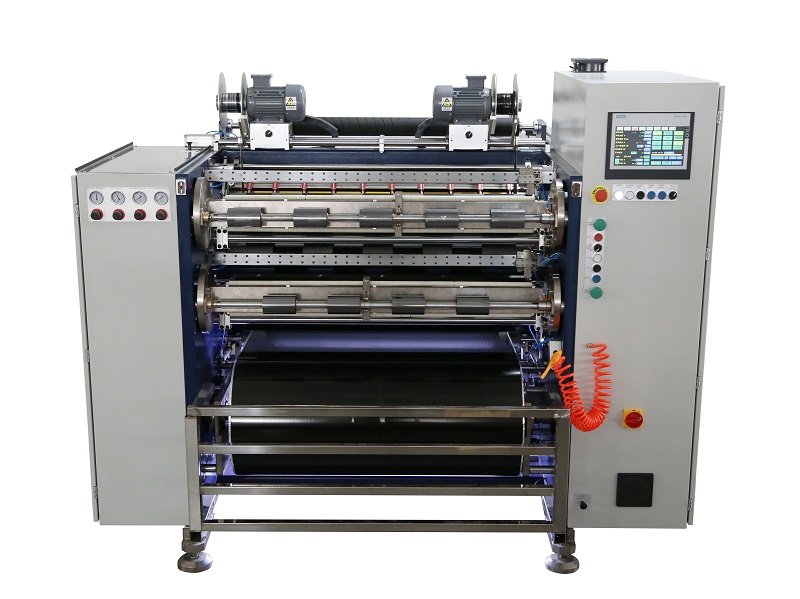 Fully Automatic TTR Slitter RSDS8 Plus
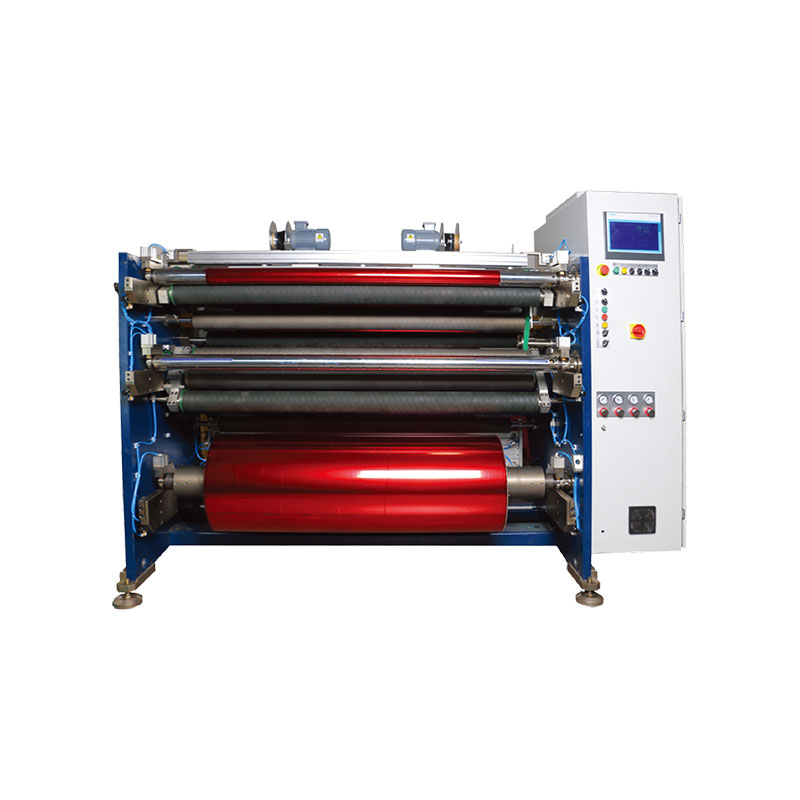 Hot Stamping Foil Slitter 1600mm
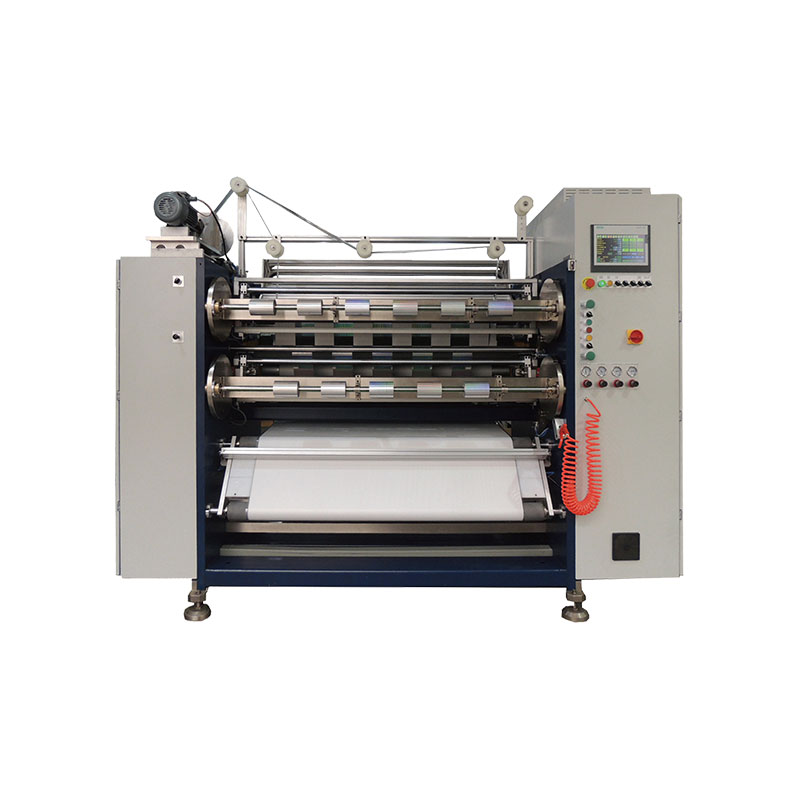 Hot Stamping Foil Slitter (4 Shafts)
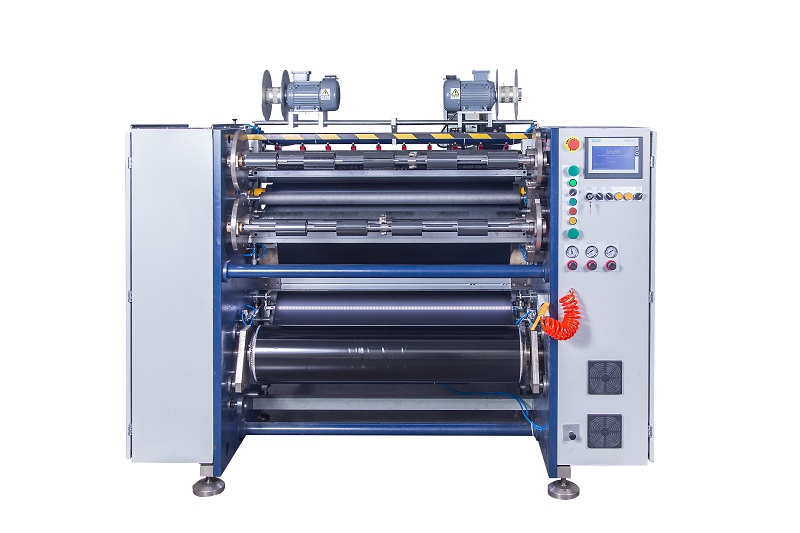 Semi-Auto TTR Slitter RSDS2 Plus
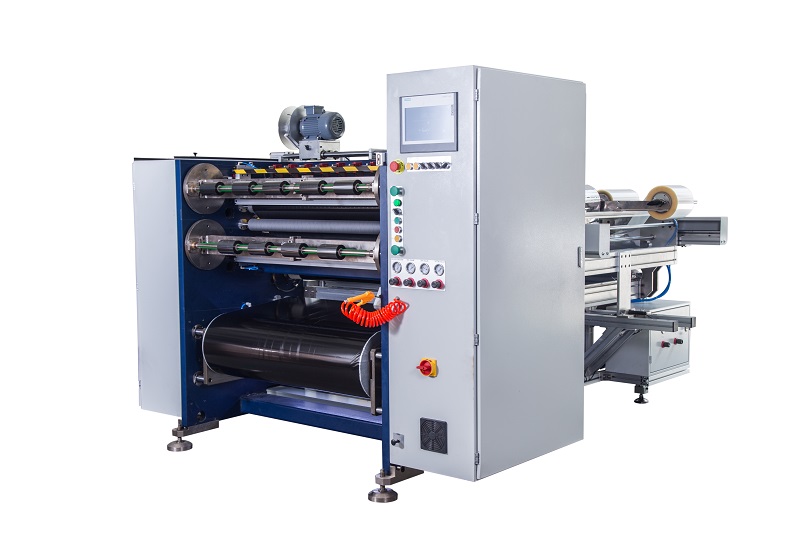 Semi Automatic TTR Slitter RSDS5 Plus
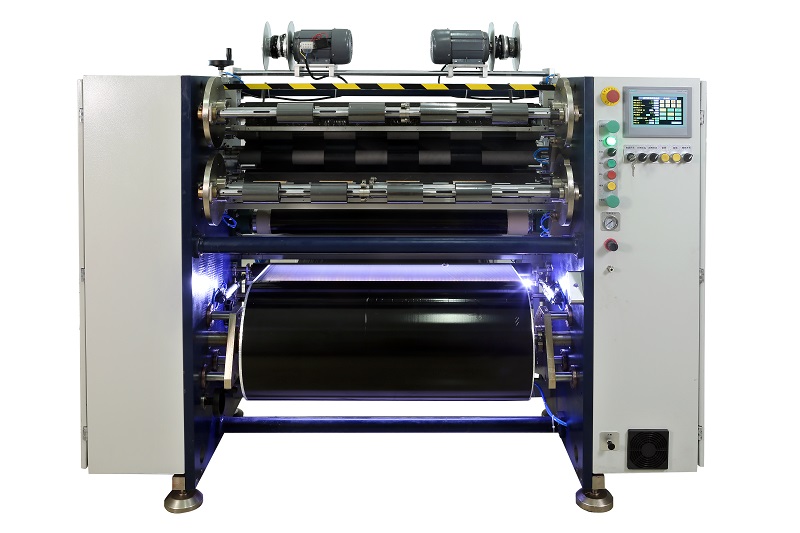 Manual TTR Slitter RSDS2
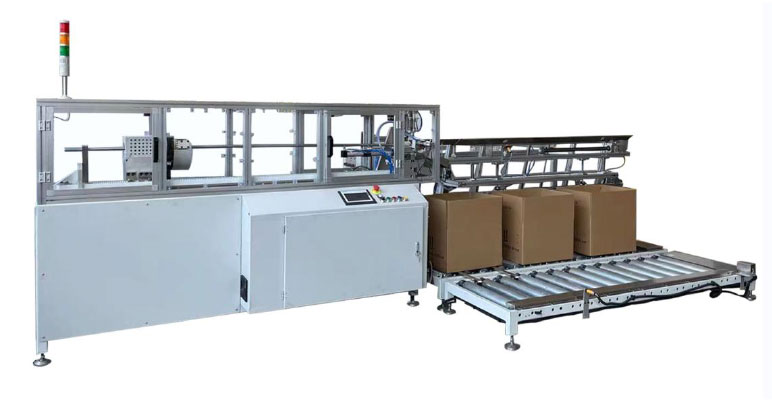 Auto Paper Core Cutter
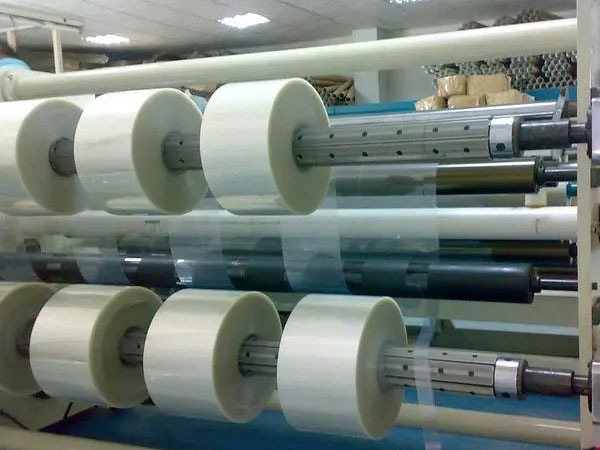 Film Slitting Machine



 +86 135 9951 7291
 support@delishgroup.com
 +86 135 9951 7291