08. May, 2026delish0
Slitting is a crucial process in the production of thermal transfer ribbons. It directly determines the appearance quality, performance and even terminal printing effect of the ribbon finished product. With the increasing demand for long meter-count and large-diameter ribbons, how to ensure that the end face is neat when winding large coils has become a core challenge for many slitting equipment manufacturers and ribbon production plants.
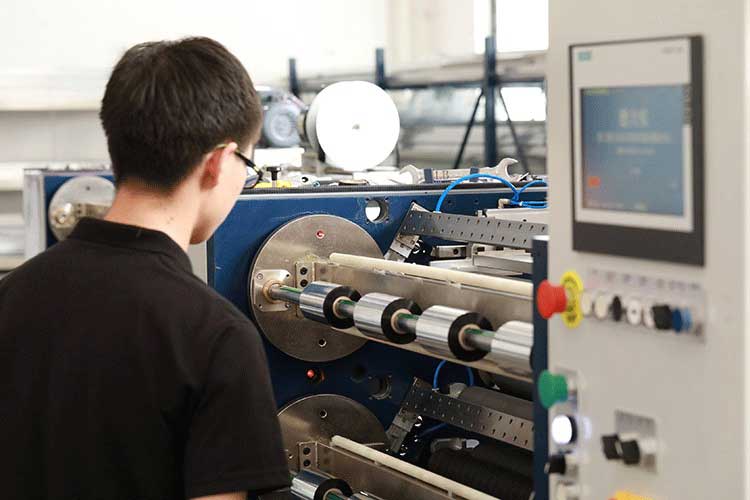
1. The root of the problem: Why is it more difficult to collect large rolls?
The main manifestation of uneven winding end face is the appearance of protrusion, depression, split layer or tower shape on the side of the film coil. When the coil diameter is small, the tension control is relatively easy, and the material near the coil core can remain regular. However, as the volume increases, the problem gradually becomes apparent:
1. Tension fluctuation accumulation: In the traditional open-loop or simple closed-loop tension control system, when winding a large coil diameter, due to the change of coil diameter, the rotational inertia will increase non-linearly.
2. Lateral swing (deviation): In high-speed operation, the ribbon will produce micron-level lateral offset due to the parallelism of the guide rollers, the material's own stress, or the instability of the air flotation system. Small coils are fashionable and tolerable, but large coil diameters mean that there are many layers, and small offsets are enlarged layer by layer, which will inevitably cause uneven end faces.
3. Uneven pressure between the roller and the contact: When the large coil diameter is rewound, the pressure of the contact roller on the surface of the film coil will change with the coil diameter, if the pressure is not properly adjusted or the parallelism of the roller is not good, it will cause the material to be unevenly stressed in the width direction, one side is tight and the other side is loose, which will cause the end face to be jagged.
4. Influence of material properties: Thermal transfer ribbons are divided into wax-based, mixed-based, resin-based, etc., and the stiffness, smoothness, and electrostatic adsorption characteristics of each substrate are different. Some materials, such as thin resin ribbons, are more prone to slippage or sticking during winding, which is exacerbated by large coil diameters.
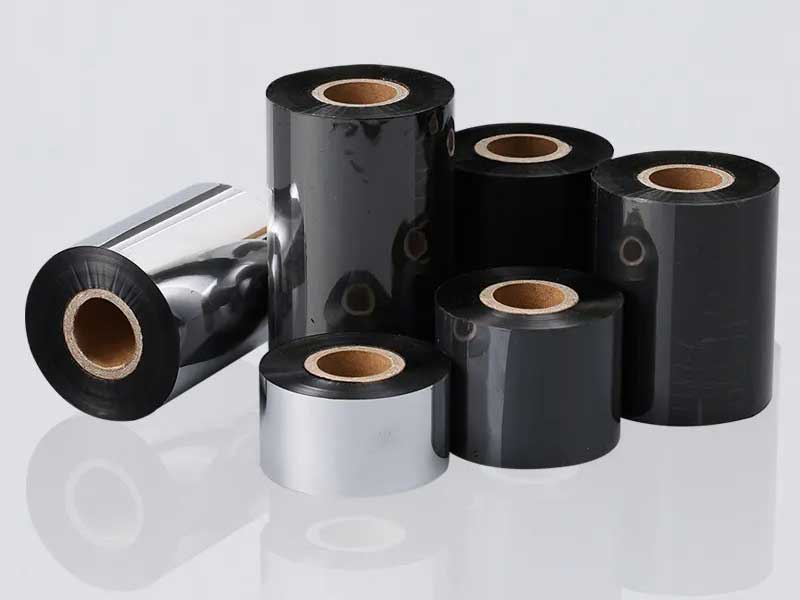
2. Technical solutions: How does the slitting machine achieve neat winding of large coil diameters?
Modern high-end thermal transfer ribbon slitting machine has systematically solved this problem through a series of precision control technologies and structural design.
• 1. Full servo closed-loop tension control
Independent servo motor is used to drive the unwinding, winding and traction units, and with high-precision tension sensors (such as load cells) for real-time feedback. The control system precisely adjusts the winding torque according to the coil diameter calculation model (by loop counting or ultrasonic detection of the actual coil diameter), so that the material is subjected to constant and optimal tension throughout the entire process from the core to the full roll. For materials that are easy to stretch, "taper tension control" can also be realized - the tension is gradually reduced as the coil diameter increases, avoiding internal tightness and external loosening or internal looseness and external tightness.
• 2. Active Guidance Correction System (LPC/EPC)
Ultrasonic or photoelectric edge sensors are installed before winding to detect the ribbon edge position in real time. The servo guiding frame drives the take-up axle to move laterally with a millisecond response speed, ensuring that each layer of material falls directly above the previous layer. For large coil diameters, the advanced "centerline correction" mode is more stable than edge correction - it is not disturbed by irregular burrs on the raw material end face, ensuring that the center axis of the whole roll is always vertical.
• 3. Programmable pressure roller with contact pressure closed loop
The winding rollers are driven by independent cylinders or servo-electric cylinders, and the pressure values can be automatically programmed according to the current roll diameter and material recipe. For example, light pressure is used for initial rolling to facilitate exhaust, and appropriate weight pressure is used for large roll diameters to eliminate interlayer slippage. Both ends of the roller are equipped with displacement sensors to monitor the parallelism in real time, and with the automatic deviation adjustment mechanism, it ensures that the roller is perfectly fitted to the surface of the film roll.
• 4. Anti-static and lubricating layer control
When the large coil diameter is rewound, the accumulation of static electricity will lead to adsorption between the layers, causing sudden slippage. The quality slitting machine is equipped with a high-efficiency static elimination rod (such as the pulsed AC type) and optimizes the film path to reduce friction. For the back of some high-slip ribbons, the stability of the interlayer friction coefficient can also be increased by micro in-line blowing or surface texture treatment of special contact rollers.
• 5. Intelligent winding model and self-learning algorithm
The new generation of slitting machines has a built-in PLC or industrial computer, which can store "winding recipes" of dozens of materials and specifications. After the operator inputs the ribbon type, width, and target coil diameter, the system automatically generates tension curves, roller pressure curves, and correction sensitivity parameters. Some high-end models also have a self-learning function: parameters are reverse-corrected based on real-time data from the first winding process (e.g. end face image inspection results) so that the end face uniformity in subsequent series production tends to be consistent.

3. Practical application effect and user value
The large coil diameter slitting machine using the above technology can be realized in actual production:
• When the winding diameter reaches 250mm or even 300mm, the end face neatness is controlled within ±0.5mm;
• Supports 3-inch or 1-inch paper tube/plastic cartridge, eliminating the need for frequent shaft drops, improving the level of automated continuous production;
• Reduce the rewinding process caused by uneven end faces, saving labor and material losses;
• When the finished ribbon is loaded into the printer for operation, the unwinding is smooth and does not jam, significantly improving the end-user printing experience.
4. Future trend: moving towards the ultimate neatness and efficiency
With the expansion of the application of thermal transfer ribbon in logistics labels, food packaging, medical wristbands and other fields, the requirements for slitting and winding quality are getting higher and higher. It is foreseeable that future slitting machines will integrate more machine vision online detection systems to identify end-face anomalies in real time and compensate dynamically; At the same time, the AI-based tension prediction model will further reduce overshoot and fluctuations; Coreless winding technology (i.e., directly forming loose coils with cores) will also put forward higher requirements for end-face control when large coil diameters, driving technological innovation to continue to deepen.
Epilogue
The thermal transfer ribbon slitting machine solves the problem of uneven winding end faces for large coil diameters, not relying on a single component, but a systematic precision control revolution. From full servo tension, active deviation correction to the synergy of pressure closed-loop and intelligent formulation, "neatness" is no longer a luxury for large coil diameters. For ribbon manufacturers, investing in a slitting machine with these capabilities not only means the competitiveness of the product's appearance, but also reflects a deep control over quality and efficiency – between rolls, a neat end face is a silent proof of reputation.
 English
 Deutsch
 Français
 Español
 Português
 日本語
日本語 русский
 한국어
한국어 عربي
عربي ภาษาไทย
 Tiếng Việt
 Italiano
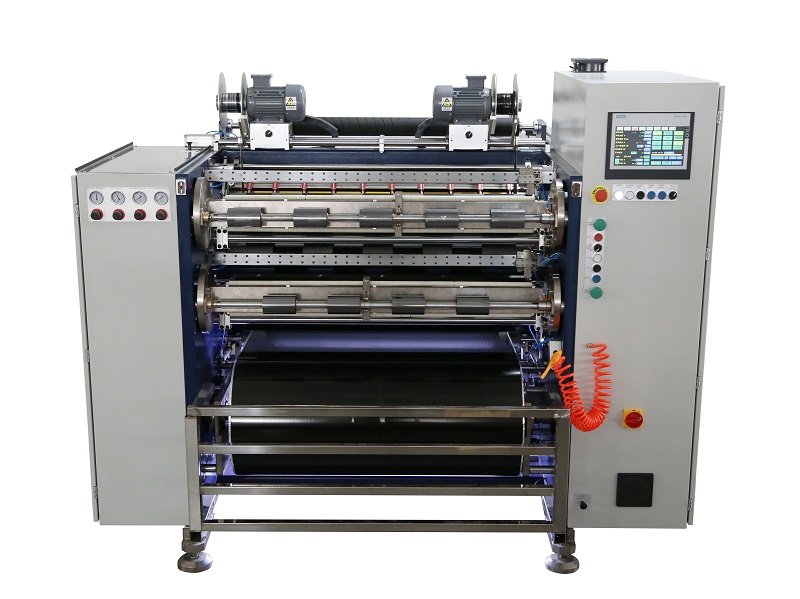 Fully Automatic TTR Slitter RSDS8 Plus
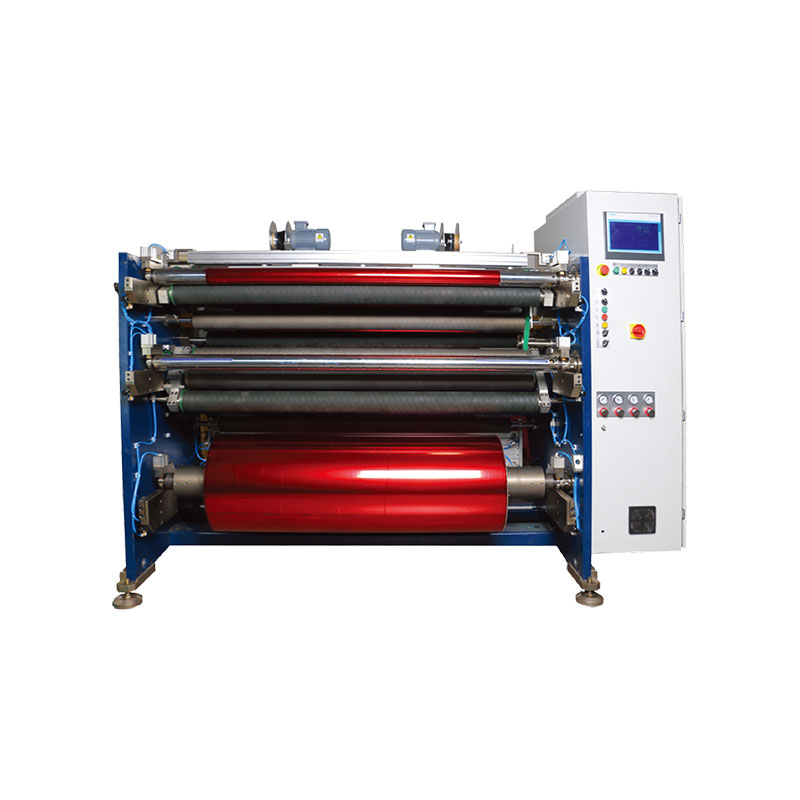 Hot Stamping Foil Slitter 1600mm
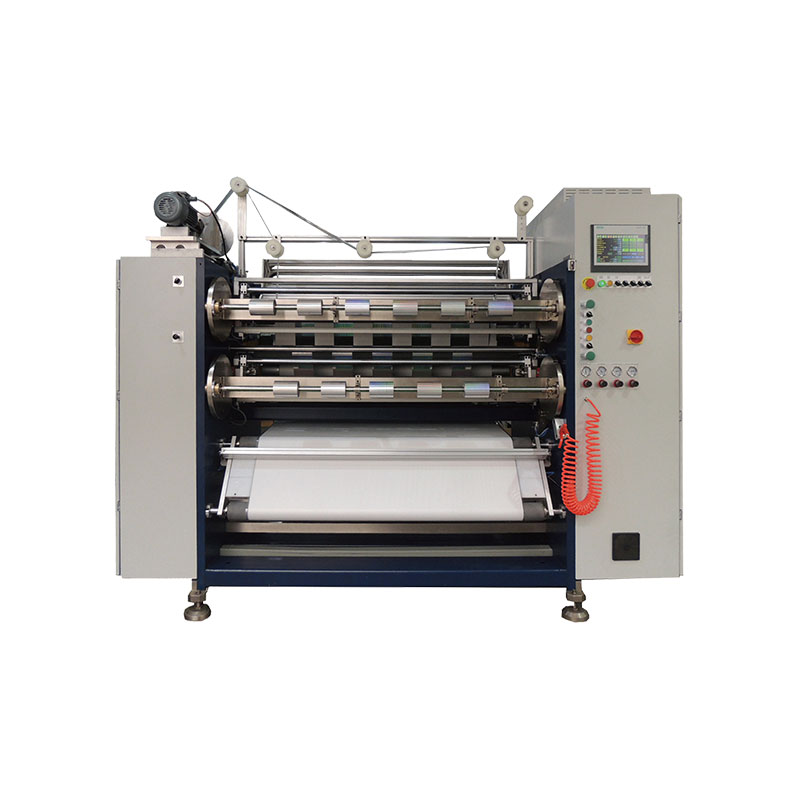 Hot Stamping Foil Slitter (4 Shafts)
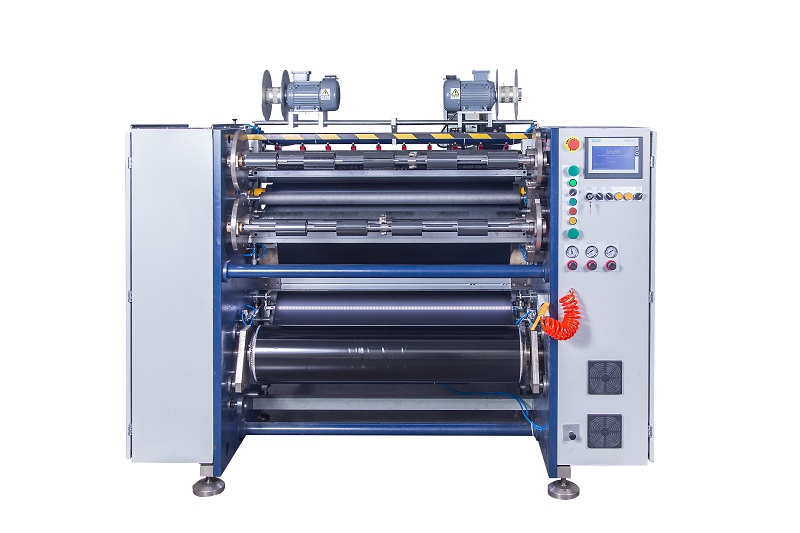 Semi-Auto TTR Slitter RSDS2 Plus
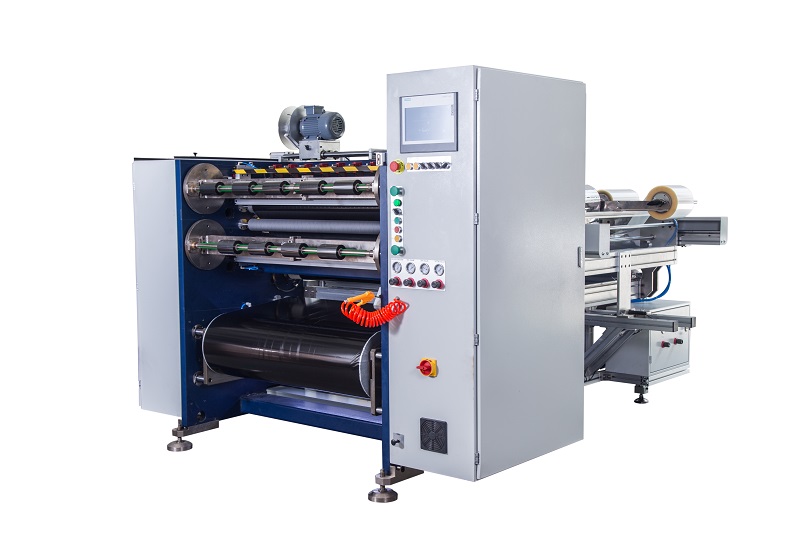 Semi Automatic TTR Slitter RSDS5 Plus
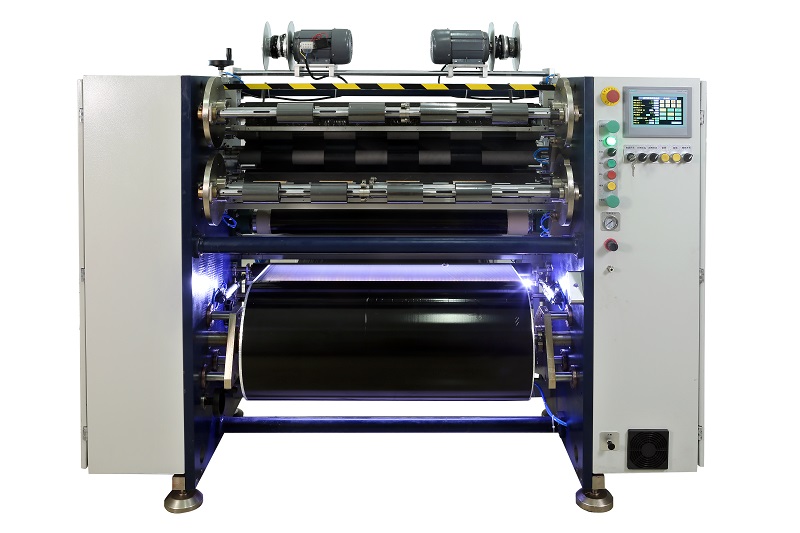 Manual TTR Slitter RSDS2
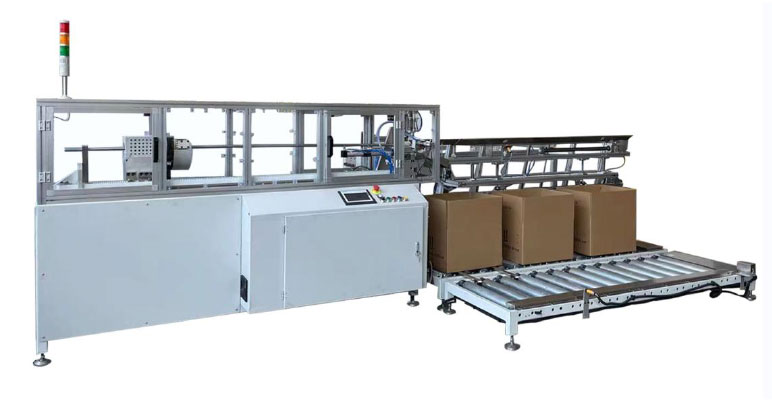 Auto Paper Core Cutter
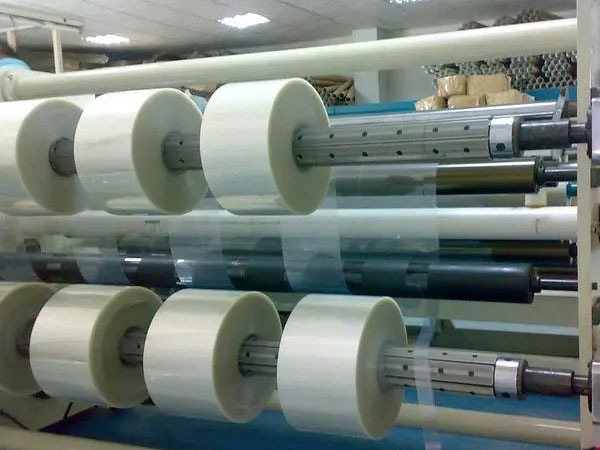 Film Slitting Machine



 +86 135 9951 7291
 support@delishgroup.com
 +86 135 9951 7291