28. July, 2026delish0
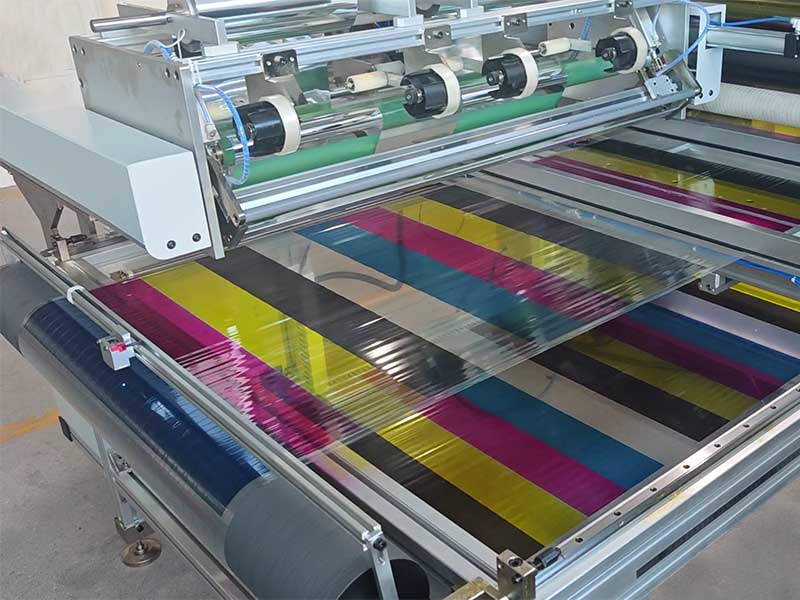
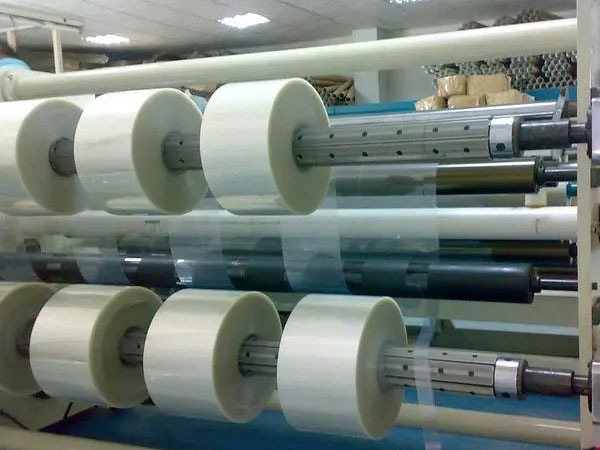
The ribbon slitting machine is a key piece of equipment in the production chain of heat transfer consumables. Its responsibility is to precisely slice the wide ribbon master roll into small rolls that meet various printer specifications. Slitting quality directly affects the final print result—whether the ribbon breaks easily and whether white lines or indentations appear in the print often depend on the control accuracy of the slitting process.
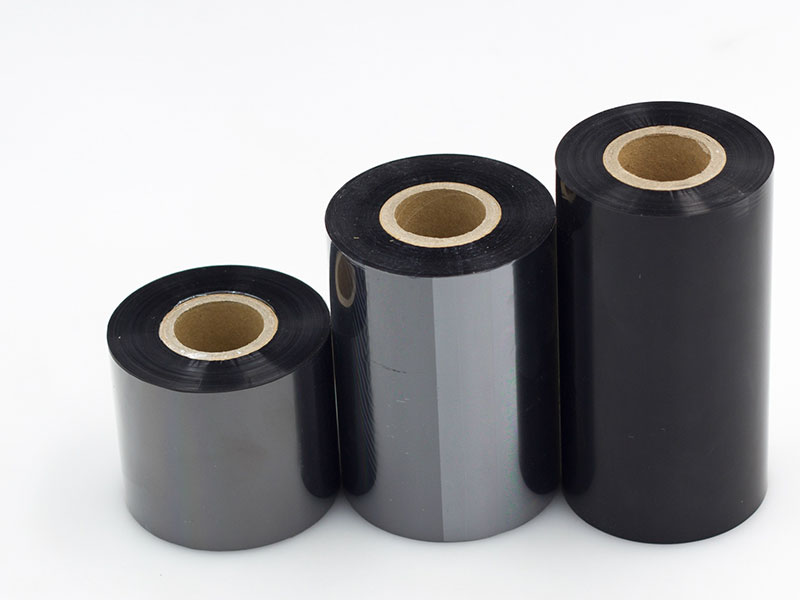
1. Definition and Positioning
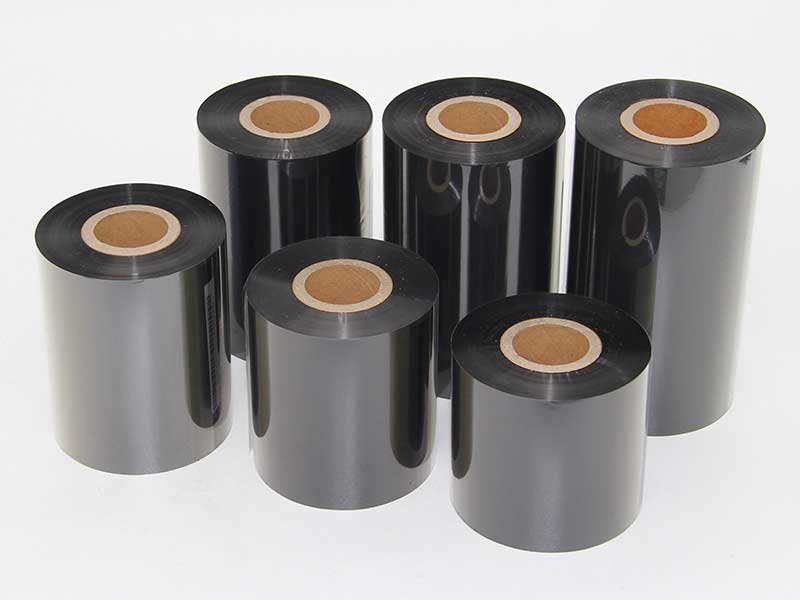
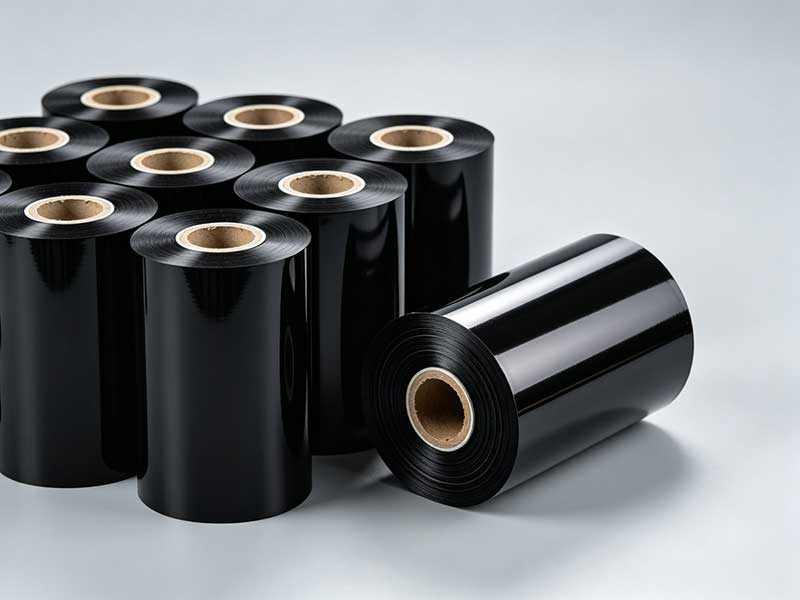
The ribbon slitting machine is a specialized slitting device for slitting and rewinding colored ribbons (especially heat transfer ribbons). Upstream is the coated wide ribbon master roll, while downstream is finished ribbon rolls compatible with barcode printers, card printers, TTO coders, and other terminal equipment of different brands.
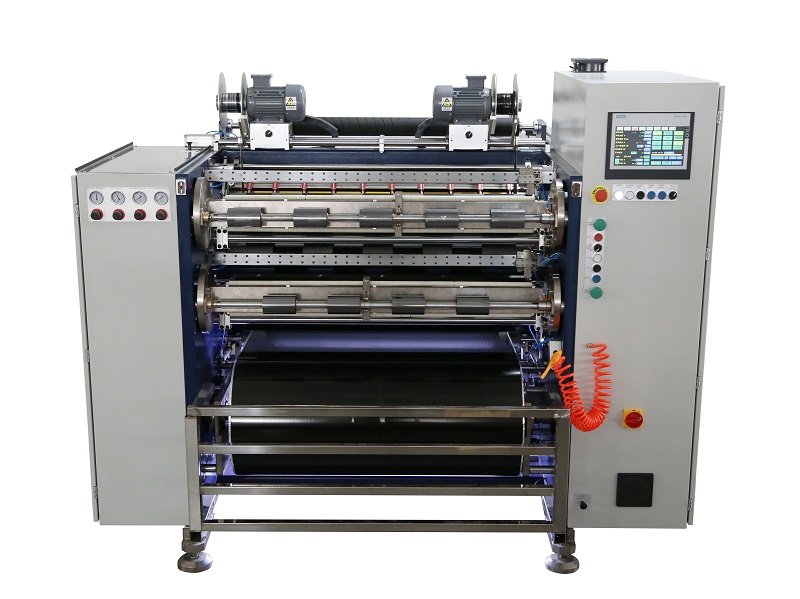
According to application scenarios, ribbon slitting machines can be further divided into TTR ribbon slitting machines (suitable for conventional barcode ribbons) and TTO ribbon slitting machines (for thermal transfer coding ribbons), among other types. The degree of automation ranges from manual, semi-automatic to fully automatic. Fully automatic models can already achieve full-process operations such as automatic feeding, automatic flipping and winding, and automatic film application.
2. Working Principles and Core Technologies
The core working logic of the ribbon slitting machine is not complicated: unwinding, slitting, and rewinding. However, ensuring the quality of micron-scale thin film materials during high-speed operation involves three core technologies.
1. Tension control—the most critical lifeline of quality
Tension control is the top priority in ribbon slitting. The base material for the ribbon is PET film (usually only 4.5~10μm thick), which is extremely sensitive to tension.
• Excessive tension :P the ET base film is tensile and damaged, causing physical changes in the ink layer adhering to it, which easily causes ribbon powder shedding and contaminates the print head during printing.
• Too low tension: Ribbon winding is loose, prone to wrinkles, and may result in white lines or indentations during printing.
• Uneven tension: Uneven rewinding, uneven force on the ribbon edges, making it easy to break during printing.
Modern equipment commonly uses servo motors combined with taper tension control technology, meaning that during winding, tension decreases dynamically as the diameter increases, ensuring consistent tightness and appropriate hardness inside and outside the finished roll. Traditional equipment mostly uses magnetic particle clutches to control tension.
2. Slitting methods—hanging knife and square knife
The cutting method of ribbon slitting directly affects the quality of the cut and the lifespan of the tool. Mainstream methods include:
• Knife suspension: The blade does not contact the bottom roller and cuts through the ribbon while suspended. It is suitable for film materials and is standard on most models.
• Square Blade Slitting: The blade swings up and down to cut to reduce dust generation and improve material utilization.
3. Traction and correction
During slitting, the ribbon must be kept running smoothly. The equipment uses an automatic correction system to ensure edge alignment during unwinding of the main roll; Servo motors drive traction clamp rollers, ensuring precise and stable linear speed. Patented technology uses two sets of traction clamp rollers to prevent direct contact between the ribbon coating surface and the roller drum that could cause damage.

3. Core Technical Parameter Interpretation
When selecting or evaluating ribbon slitting machines, the following parameters are core considerations:
Applicable main roll specifications
• Maximum raw material width: mainstream models cover 500mm~1050mm, some can reach up to 1100mm.
• Maximum raw material diameter: usually between φ500mm~φ650mm.
• Core inner diameter: Common specifications are 3 inches (φ76.2mm) and 6 inches (φ152.4mm).
Finished product specifications
• Minimum finished product width: usually up to 20mm.
• Maximum diameter of finished products: generally between φ100mm~φ135mm.
• Reel specifications: Must accommodate two commonly used paper tubes/plastic cores: 1-inch and 1/2 inch.
Performance parameters
• Slitting speed: entry-level models reach about 80~100m/min, mid-to-high-speed models can reach 200~300m/min, and high-end fully automatic models can exceed 400~500m/min.
• Slitting accuracy: High-quality models can reach ±0.1mm.
• Applicable film thickness: usually 4~20μm.
Automated configuration
• Number of rewinding spines: Common are 2 or 4 axes; the 4 spindles support alternating flipping and winding, reducing downtime.
• Guide Tape Processing: High-end models are equipped with fully automatic belt head holders that can automatically apply guide films, significantly saving materials and labor.
Conclusion
Although the ribbon slitting machine appears to cut wide coils into narrow coils, it actually provides comprehensive precise control of tension, speed, correction, and cutting. A high-quality slitting machine not only requires an advanced servo control system and precise mechanical structure, but also needs to find the most suitable tension range for a specific ribbon formula during installation and commissioning—this data is often the core know-how accumulated by technicians over many years. For end users, the quality of ribbon printing is already hinted at the slitting stage.
 English
 Deutsch
 Français
 Español
 Português
 日本語
日本語 русский
 한국어
한국어 عربي
عربي ภาษาไทย
 Tiếng Việt
 Italiano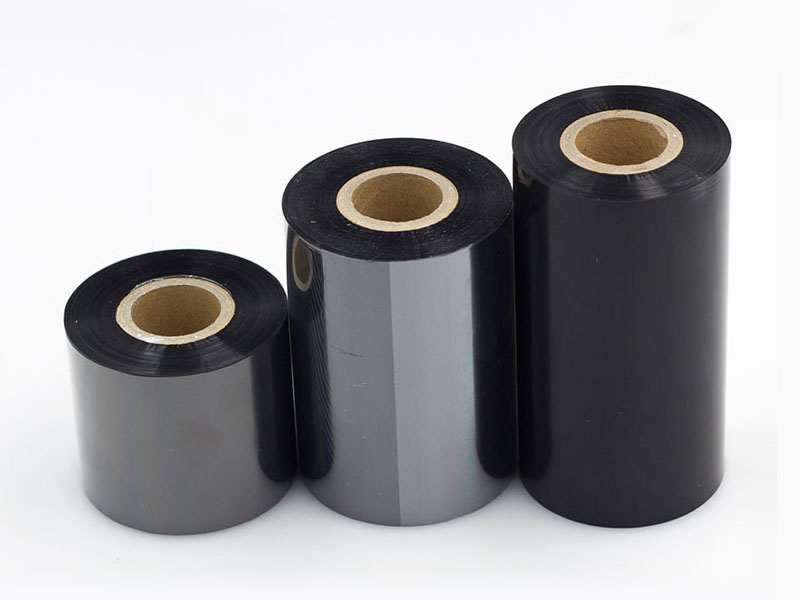
 Fully Automatic TTR Slitter RSDS8 Plus
 Hot Stamping Foil Slitter 1600mm
 Hot Stamping Foil Slitter (4 Shafts)
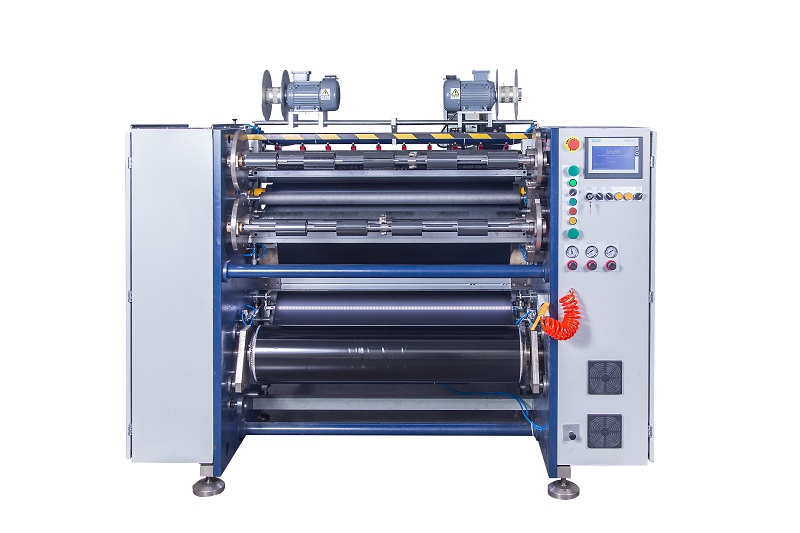 Semi-Auto TTR Slitter RSDS2 Plus
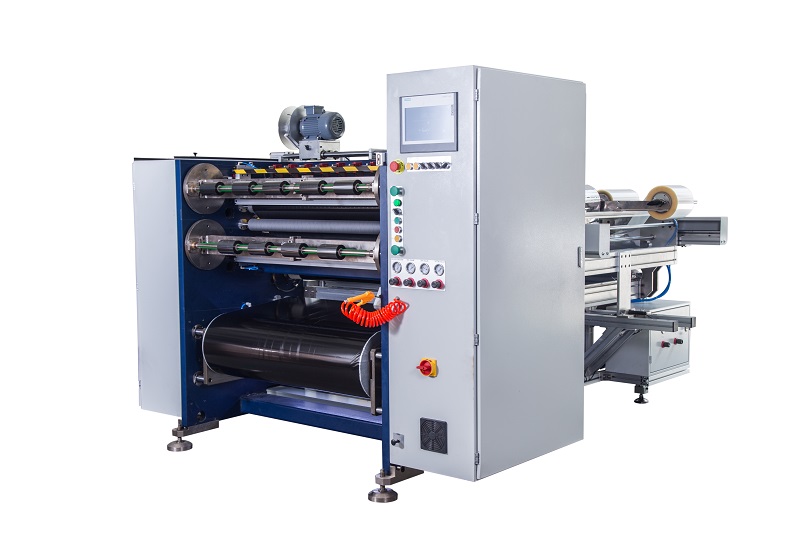 Semi Automatic TTR Slitter RSDS5 Plus
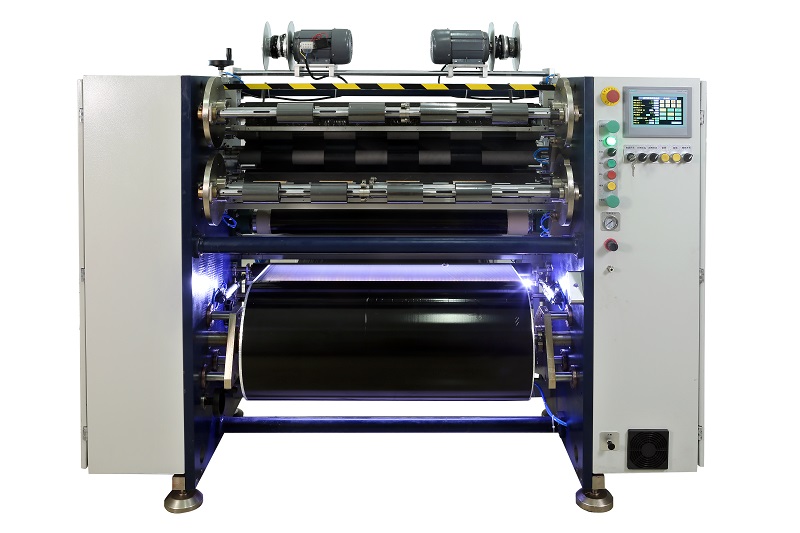 Manual TTR Slitter RSDS2
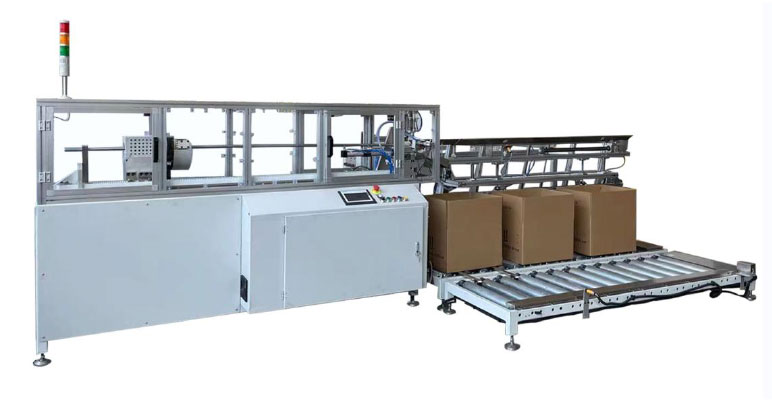 Auto Paper Core Cutter
 Film Slitting Machine



 +86 135 9951 7291
 support@delishgroup.com
 +86 135 9951 7291