25. May, 2026delish0
In the post-processing stages of precision coated products such as heat transfer ribbons and film materials, the performance of the slitting machine directly determines the yield and quality of the final product. Among these, film surface scratches and electrostatic interference have long been two core pain points troubling the industry. This article will focus on structural optimization and process improvement of ribbon slitting machines, analyze the causes of these two types of problems, and introduce currently effective solutions.
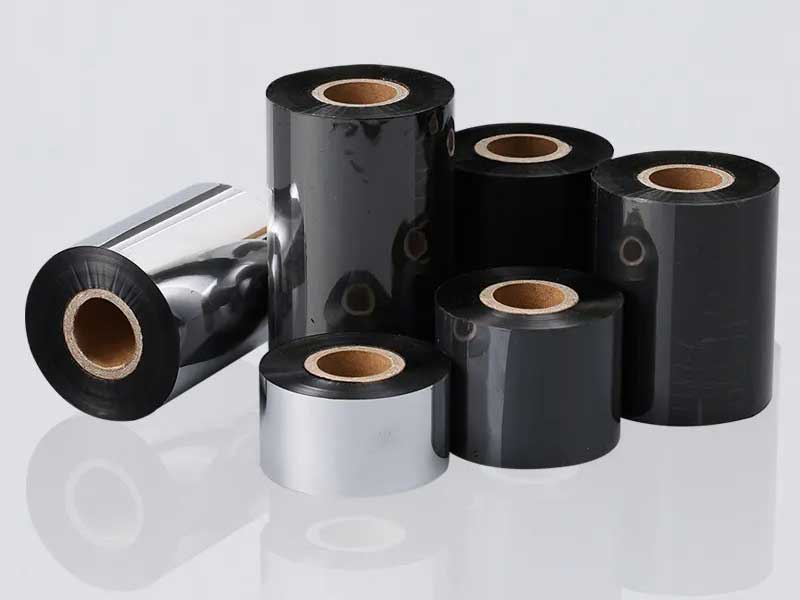
1. Membrane Scratches: From "Hard Contact" to "Flexible Guidance"
1.1 Main causes of scratches
Carbon ribbons consist of multiple layers such as a base film, backing coating, and ink layer, with thicknesses usually ranging from a few microns to just over a dozen microns. During slitting, the film surface moves relative to components such as guide rollers, cutters, and pressure rollers. If any of the following conditions occur, scratches are very likely to occur:
• Rough or foreign matter adhering to the guide roller surface: Traditional metal guide rollers have high surface hardness, and once tiny particles are embedded, they can leave continuous scratches on the film surface.
• Burrs on edges or weak edges: If the cutting edge of a slitting round blade shows wear or microscopic notches, the cut surface may develop strings and burrs, which in severe cases can damage adjacent film layers.
• Uneven tension control: Local tension fluctuations cause the film surface to briefly slip on the guide roller, resulting in friction marks.
1.2 Resolution Path
(1) Use non-metallic guide rollers with low surface energy and low friction coefficient
Currently, mainstream high-end slitting machines generally use ceramic-coated guide rollers or PTFE coated guide rollers for the film contact path. These materials have smooth surfaces and moderate hardness, significantly reducing the coefficient of friction and preventing scratches even from slight contact. More importantly, its non-stick properties prevent adhesive or toner residues from accumulating.
(2) Optimize the design of air bearings and leveling rollers
Microporous air bearing guide rollers are introduced in key leveling sections, and through continuous spraying of clean airflow, the membrane surface is "suspended" just a few tenths of a millimeter above the roller surface, achieving truly contactless transmission. This is especially effective for ultra-thin carbon ribbons (such as base films below 4.5μm), completely eliminating the risk of scratches caused by mechanical contact.
(3) Precision grinding tools and online monitoring
Uses carbide slitting circular blades combined with high-precision dynamic balancing tool holders to ensure straightness and sharpness of the cutting edge. At the same time, an online tool mark detection system (laser or CCD) is installed, which automatically alarms and prompts tool replacement once a deterioration in cut quality is detected.
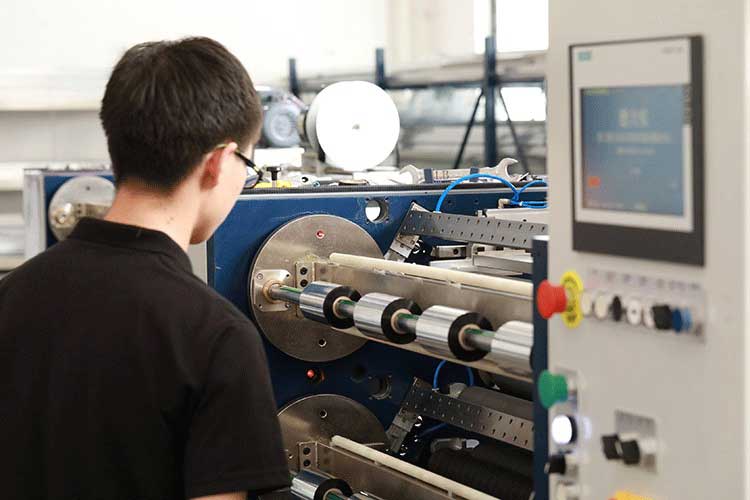
2. Static Interference: The Overlooked "Invisible Killer"
2.1 Hazard Mechanisms of Static Electricity
The carbon ribbon base film is mostly made of insulating polymer materials such as PET and PI. During high-speed slitting (usually 150~400 m/min), the film surface repeatedly separates and rubs against guide rollers and cutting tools, easily generating static charges of several thousand to tens of thousands of volts. Typical problems caused by static electricity include:
• Dust and particle adsorption: The charged film surface acts like a vacuum cleaner; suspended particles in the air are adsorbed and pressed into the carbon ribbon coating, causing printing defects.
• Inconsistent film adhesion and winding: Charges of the same polarity cause repulsion between film layers, resulting in "bulging" or "slippage" during winding; Conversely, the accumulation of positive and negative charges can cause adhesion or even film tearing.
• Electrostatic breakdown and safety hazards: High-voltage electrostatic discharge (ESD) may damage the sensitive functional layers on the ribbon surface, threaten operator safety, and cause fires in environments where flammable solvents are volatile.
2.2 Solution
(1) Active static eliminator
Near the unwinding, rewinding, and slot of the slitting machine, install AC ionization rods or pulsed DC ionizing rods. High-voltage ionization of air generates positive and negative ions, neutralizing static electricity on the film surface. Modern equipment mostly uses closed-loop feedback control: real-time monitoring of membrane surface potential, dynamic adjustment of ion output, ensuring residual voltage is kept within ±300V, and for ultra-thin insulating films, it can even be as low as ±50V.
(2) Conductive/anti-static guide rollers and grounding systems
The guide roller surface on the contact film surface is treated with anti-static rubber (surface resistance 10⁶~10⁸Ω) or uses carbon fiber composite guide rollers, paired with reliable grounding carbon brushes, to promptly dissipate static electricity generated by friction and prevent accumulation. Note: The grounding resistance must be less than 1Ω, and all metal components must be equipotentialally connected.
(3) Environmental humidity control
Static electricity generation is strongly related to ambient humidity. It is recommended to maintain humidity in the slitting workshop at 45%~55% RH. If the process allows, micro-ionized water mist (pure water ultrasonic atomization) can be used for local humidification before winding, which can significantly reduce the surface resistance of insulation materials and accelerate static leakage.
(4) Tension and speed optimization in tandem
Excessively high slitting speeds will intensify static electricity generation. By using PLC and servo drives to achieve constant tension control, while ensuring production capacity, the line speed during severe static electricity stages can be reduced by 10%~20%. Combined with static eliminators, this achieves twice the result with half the effort.

3. Comprehensive Design Trends: From "Post-processing" to "Innate Immunity"
Currently, advanced ribbon slitting machines no longer treat scratches and static TV as separate issues, but instead systematically consider them from the design stage:
• Full air-floating walking tape path: contactless transmission solves scratching and contact startup in one go.
• Embedded ESD monitoring module: displays the static voltage of each key guide roller in real time, linked to equipment emergency stops.
• Easy-to-clean structure and quick-release guide rollers: Convenient for regularly removing carbon ribbon debris or coating particles that may accumulate on the guide rollers, eliminating the risk of hard particles scratching at the source.
4. Conclusion
Film surface scratches and electrostatic interference are two typical defects in the ribbon slitting process: "high-frequency, difficult to detect, and highly impactful." By using low-friction non-metallic guide rollers and air bearings for non-contact transmission, as well as an active static eliminator and anti-static material grounding system, slitting quality and production safety can be significantly improved. For ribbon manufacturers selecting equipment or retrofitting old machines, prioritizing these two major pain points often leads to achieving the highest yield returns at the lowest cost.
As thermal transfer ribbons develop toward ultra-thin, high-sensitive, and high-speed printing, the refined design and electrostatic control level of slitting machines will become one of the core indicators for measuring equipment competitiveness.
 English
 Deutsch
 Français
 Español
 Português
 日本語
日本語 русский
 한국어
한국어 عربي
عربي ภาษาไทย
 Tiếng Việt
 Italiano
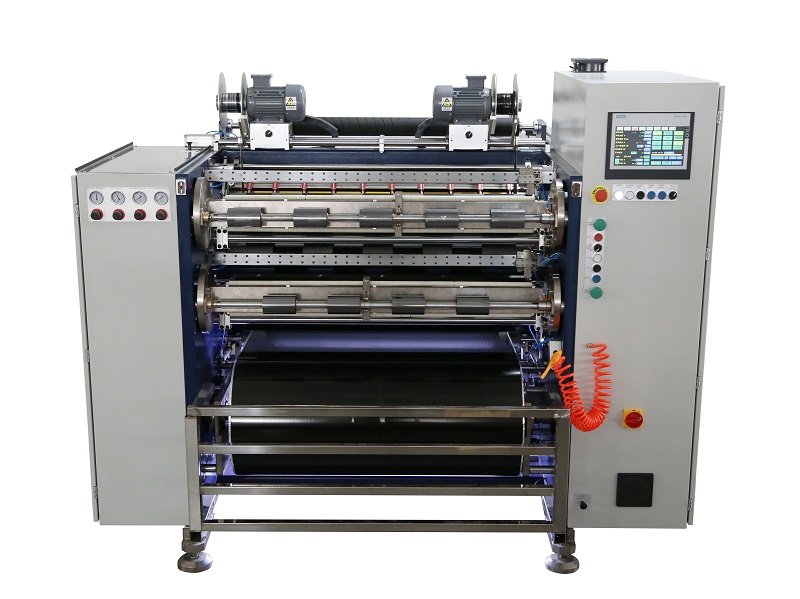 Fully Automatic TTR Slitter RSDS8 Plus
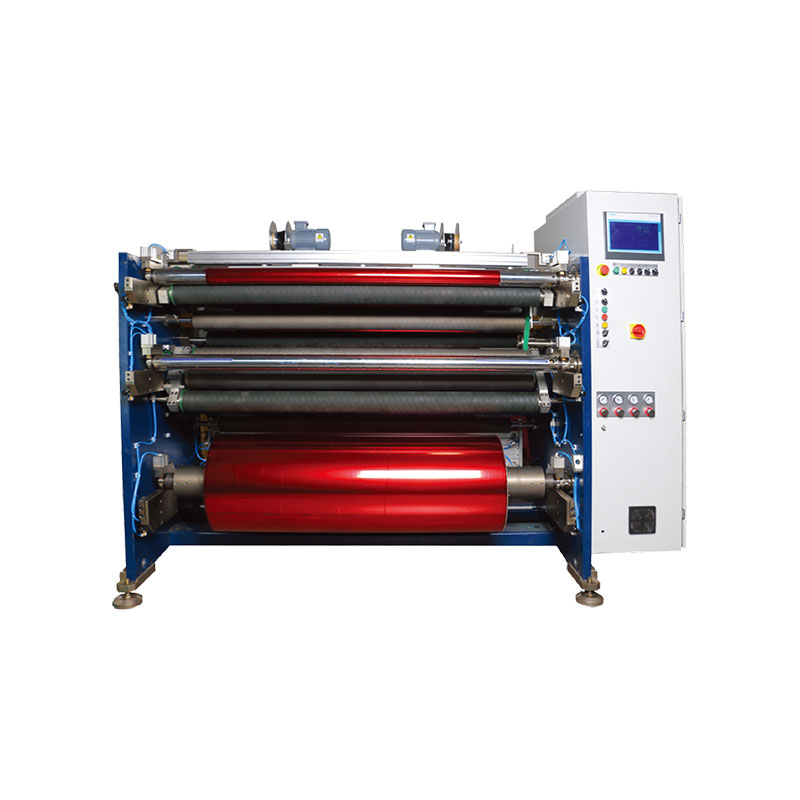 Hot Stamping Foil Slitter 1600mm
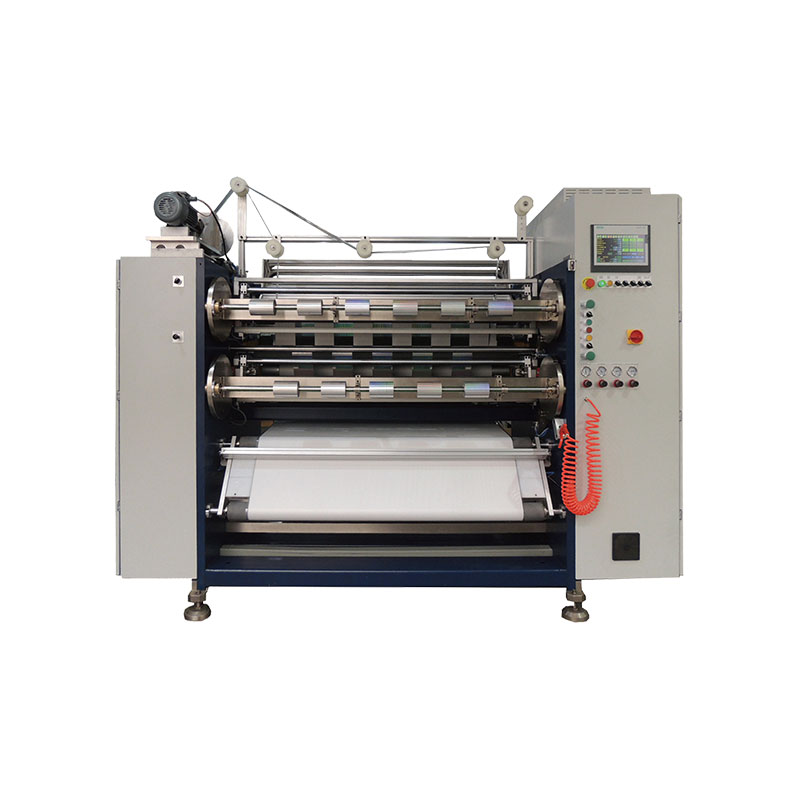 Hot Stamping Foil Slitter (4 Shafts)
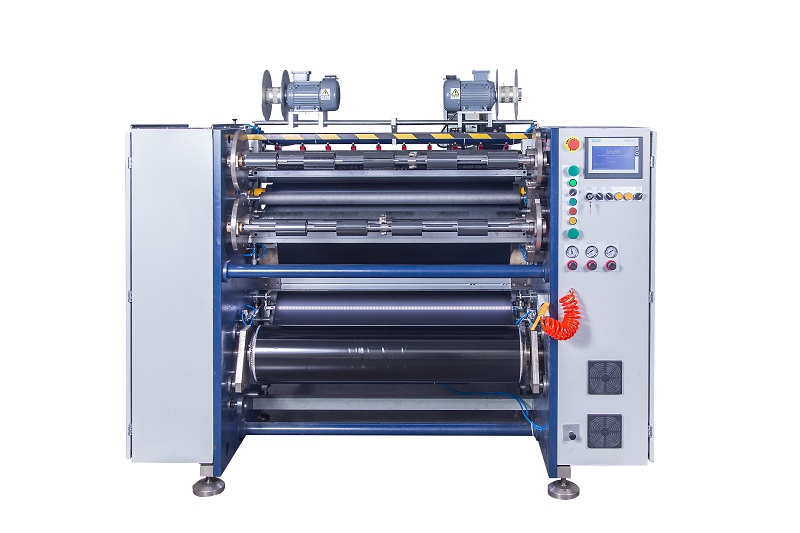 Semi-Auto TTR Slitter RSDS2 Plus
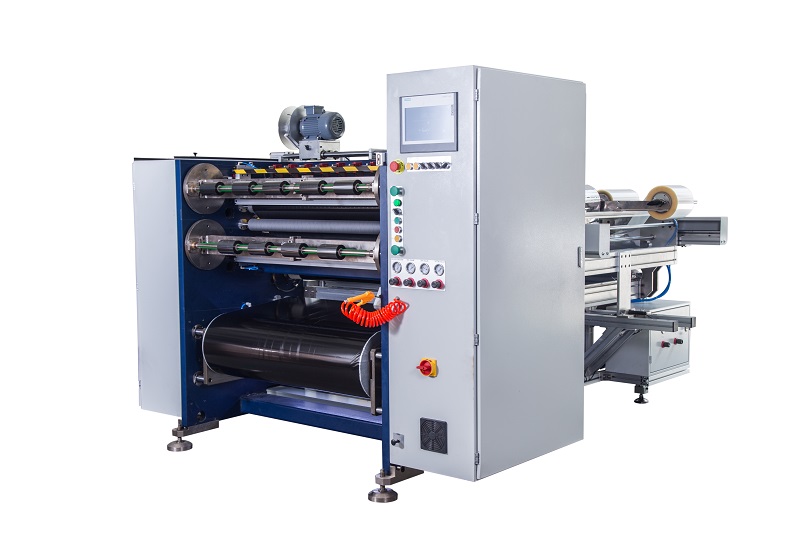 Semi Automatic TTR Slitter RSDS5 Plus
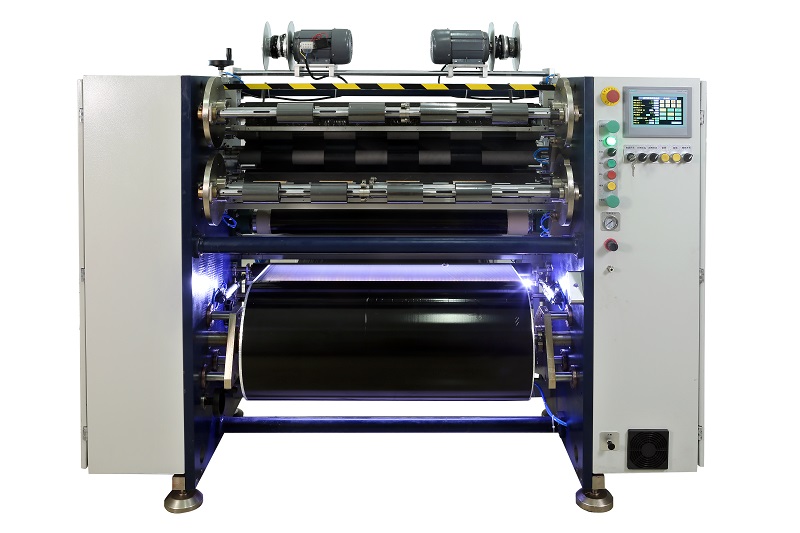 Manual TTR Slitter RSDS2
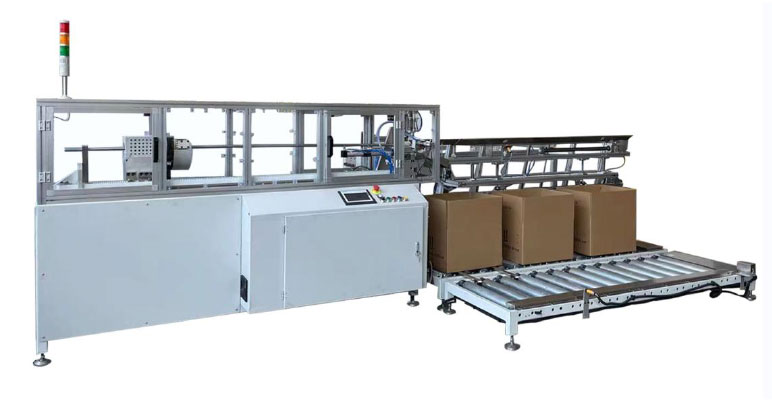 Auto Paper Core Cutter
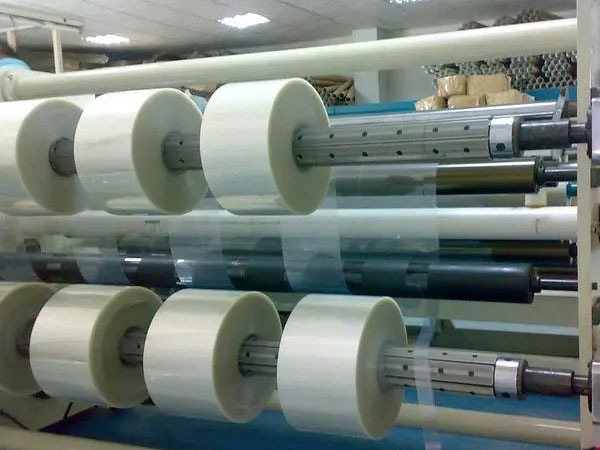 Film Slitting Machine



 +86 135 9951 7291
 support@delishgroup.com
 +86 135 9951 7291