25. May, 2026delish0
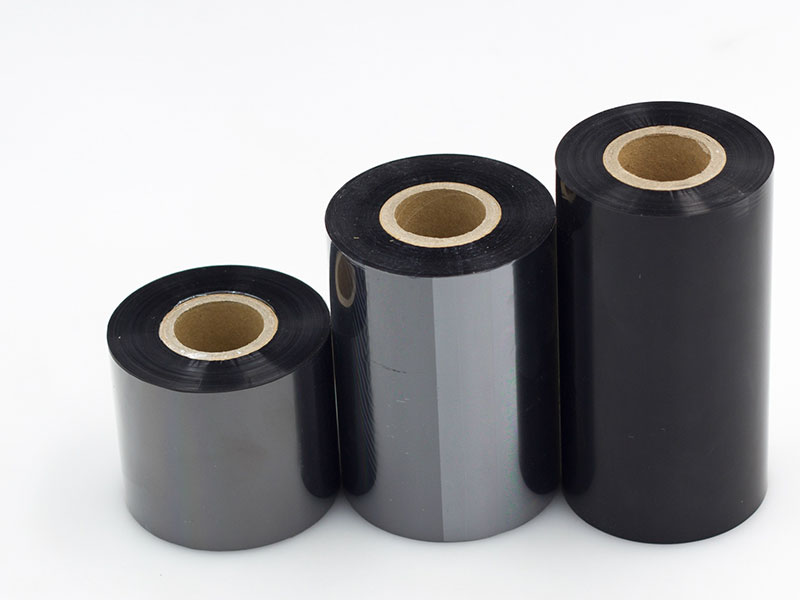
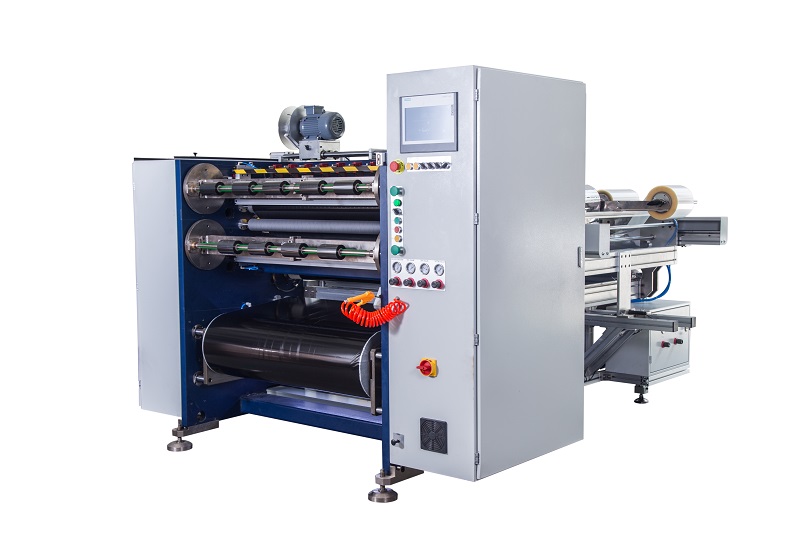
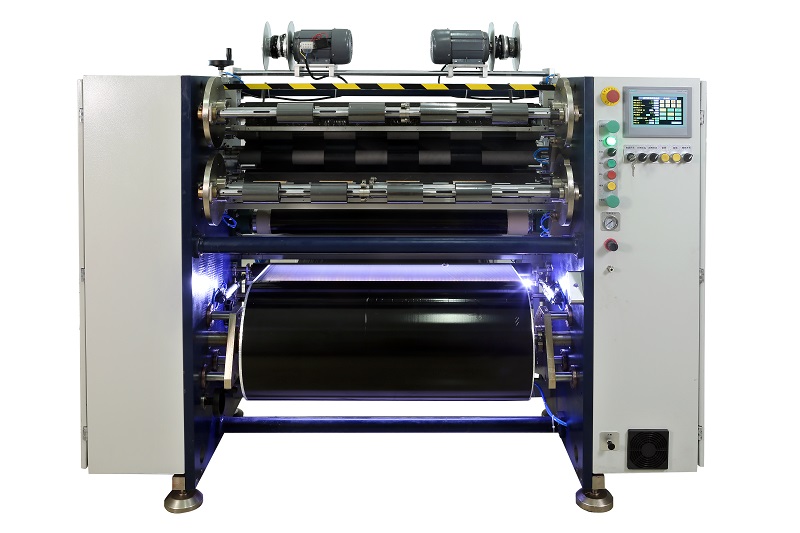
In the field of heat transfer printing, the quality of ribbons (heat transfer ribbons) directly determines the clarity and consistency of printed materials such as barcodes, labels, and receipts. In the ribbon production process, the slitting machine is the core equipment that precisely cuts wide-width large roll rolls into the narrow strip finished products required by customers. For a long time, length errors during slitting have been a major pain point in the industry: excessive errors can at best cause customers to frequently stop and change rolls, or at worst result in misaligned print positions, ribbon breakage, or even print head damage.
With the development of intelligent manufacturing and precision winding technologies, high-precision servo control systems are becoming the mainstream solution for thoroughly solving belt slitting length errors. This article will analyze from four aspects: error sources, the advantages of servo control, key technical implementations, and practical benefits.
1. Main source of length error: limitations of traditional control
In traditional slitting machines, length control mainly relies on asynchronous motors combined with mechanical clutches or simple variable frequency speed regulation. Under this architecture, length errors mainly come from the following aspects:
1. Start-stop asynchrony: During slitting, inconsistent acceleration and deceleration responses between the spindle and winding shaft cause the ribbon material to be stretched during startup and to "move" an extra segment due to inertial overshoot during stopping.
2. Diameter change compensation distortion: As the winding diameter gradually increases, the length of the band drawn with each turn increases nonlinearly. Without precise dynamic diameter calculation, the linear speed will deviate from the set value, causing cumulative length errors.
3. Tension fluctuations: The ribbon is a thin and flexible PET base film; even slight changes in tension can cause slight slippage or elastic elongation, and these tiny errors are magnified during high-speed slitting.
4. Insufficient encoder feedback accuracy: Traditional encoders have low resolution or signal interference, making it difficult for the control system to detect even slight positional deviations.
After compounding these factors, the final length error typically exceeds ±0.3m/100m, and in severe cases can reach ±1m, far from meeting the requirements for high-end carbon ribbons within 0.1m ±.

2. Core Advantages of Servo Control: From "Open-Loop Drive" to "Closed-Loop Positioning"
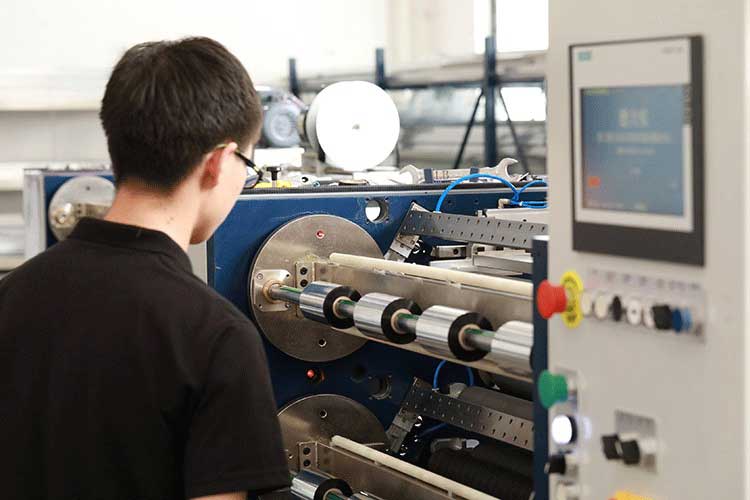
The introduction of servo control systems (servo driver + permanent magnet synchronous motor + high-resolution encoder) essentially upgrades the slitting machine from a "speed-type" device to a "position-speed dual closed-loop" precision device. The mechanism for resolving length errors can be summarized in three levels:
1. Absolute position synchronization eliminates cumulative errors
In servo systems, the spindle and each rewinding reel are equipped with independent servo motors, and nanosecond-level clock synchronization is achieved via real-time Ethernet buses such as EtherCAT and MECHATROLINK. The controller no longer simply issues a "turn" command but issues position commands to "rotate precisely at α angle within time T." Each rotation of the reeling wheel, the encoder's feedback of the actual rotation angle is compared in real time with the theoretical position, and errors are immediately compensated in the next control cycle (usually 1ms or less). This means that every meter of carbon ribbon is driven by recalibration based on the last measured position, completely cutting off the path for errors to be passed on to subsequent lengths.
2. Dynamic roll diameter adaptation and tension decoupling
The servo control system has a built-in coil diameter calculation module: by detecting the material line displacement for each rotation of the winding spindle (provided by the spindle encoder or length measurement roller), the winding diameter is updated in real time. On this basis, a torque control mode replaces the traditional speed control mode—automatically outputting motor torque based on the current roll diameter and target tension, keeping ribbon surface tension fluctuations within ±2%. Constant tension means the material does not undergo irreversible plastic elongation, thereby avoiding length distortion from a physical level.
3. High-response acceleration and deceleration curve planning
Frequent start-stop and rewinding during ribbon slitting are stages with high error rates. The servo system supports S-curve acceleration and deceleration, and can set acceleration feedforward parameters matching mechanical inertia. Compared to traditional motors, servo motors can reduce the response time from static to rated speed (e.g., 1500rpm) from several hundred milliseconds to 20~50ms, with almost zero position overshoot. This allows the slitting machine to ensure that the initial and end lengths of each ribbon roll are accurate within ±0.05m of the set value, even under the frequently start-stop "small roll slit" operating conditions.
3. Key Implementation Technologies: Four Essential Details
To fully leverage the accuracy advantages of servo control in ribbon slitting, the following four key points must be noted in actual engineering:
• Selection of high-resolution encoders: Recommended multi-turn absolute encoders of 23-bit or above to ensure absolute positions are remembered even after power outages and restarts, avoiding reset errors.
• Low-damping mechanical transmission design: Avoid using direct or high-rigidity couplings between the servo motor and the winding shaft, avoiding transmission mechanisms with belts or gears with excessive backlash, as this will cause electrical precision to be overwhelmed by mechanical gaps.
• Tension sensor position optimization: It is best to place tension detection rollers behind the slitting blades and before each winding unit, and use low-inertia guide rollers to capture real material tension transients.
• Self-tuning of control parameters: Using the adaptive setting function of the servo driver, the PID coefficients of position and speed rings are automatically adjusted for ribbons of different widths, thicknesses, and hardnesses.
4. Practical Benefits: From Data to Customer Experience
With the introduction of high-precision servo control, ribbon slitting machines can achieve significant improvements in accuracy and overall efficiency:
| Indicators | Traditional variable frequency control | Servo control (optimized) |
| Length Tolerance (100m roll) | ±0.3~1.0m | ±0.03~0.08m |
| Tension fluctuation range | ±10% | ±1.5% |
| Start-stop overshoot length | About 0.5~1m | <0.05m |
| Scrap rate (due to length deviation) | 2%~5% | <0.3% |
| Material loss during reroll changes | Each roll wastes about 2~3 meters | Each roll wastes <0.5m |
For ribbon manufacturers, this means: less manual spot checks, higher customer batch pass rates, and a significant reduction in customer complaints caused by insufficient length. For end users (such as logistics label printing, medical wristband printing), this results in more stable roll loading intervals and lower overall operating costs.
Conclusion
The length error of the ribbon slitting machine is not an inherent "defect" that cannot be cured, but rather an inevitable result of insufficient information and control accuracy under traditional transmission architectures. The value of high-precision servo control systems lies not only in reducing errors from the "meter level" to the "centimeter level" but also in real-time coordination of tension, position, and speed variables, making the slitting process truly digitally repeatable and predictable.
Against the backdrop of the current heat transfer ribbon market upgrading toward ultra-thin, highly sensitive, and specialty resin ribbons, slitting precision has become one of the thresholds determining whether companies can enter high-end supply chains. Investing in high-performance servo control solutions may appear to be an upgrade to electrical systems, but at its core, it is a reconstruction of product consistency and brand trust. The key to solving length errors lies in those precisely rotating servo motors.
 English
 Deutsch
 Français
 Español
 Português
 日本語
日本語 русский
 한국어
한국어 عربي
عربي ภาษาไทย
 Tiếng Việt
 Italiano
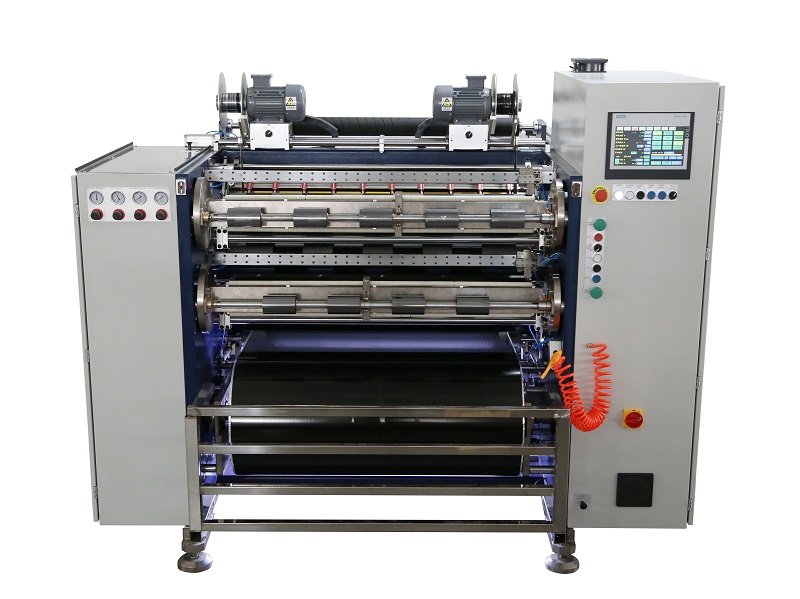 Fully Automatic TTR Slitter RSDS8 Plus
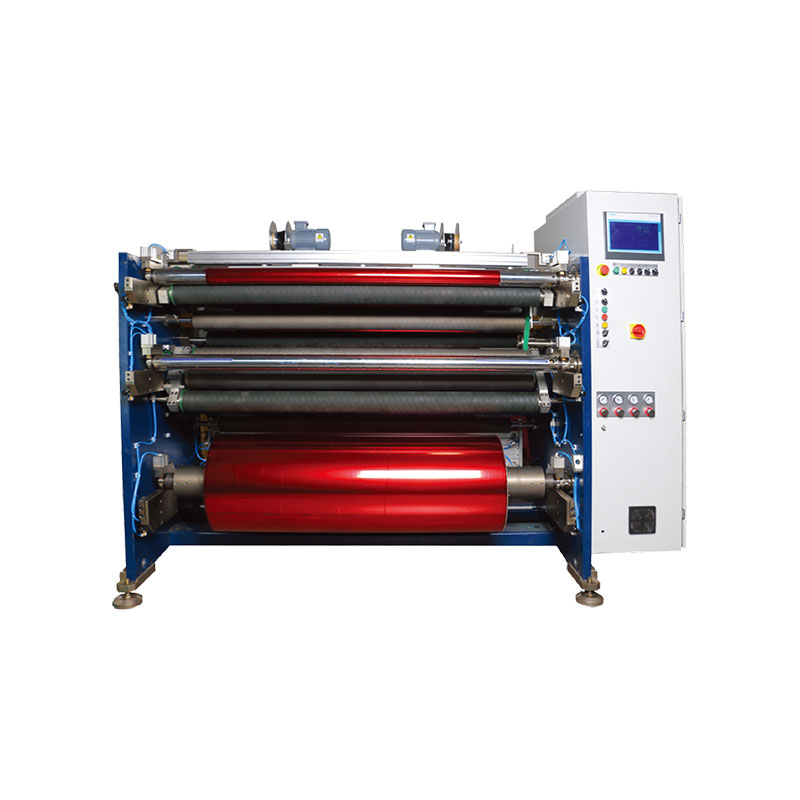 Hot Stamping Foil Slitter 1600mm
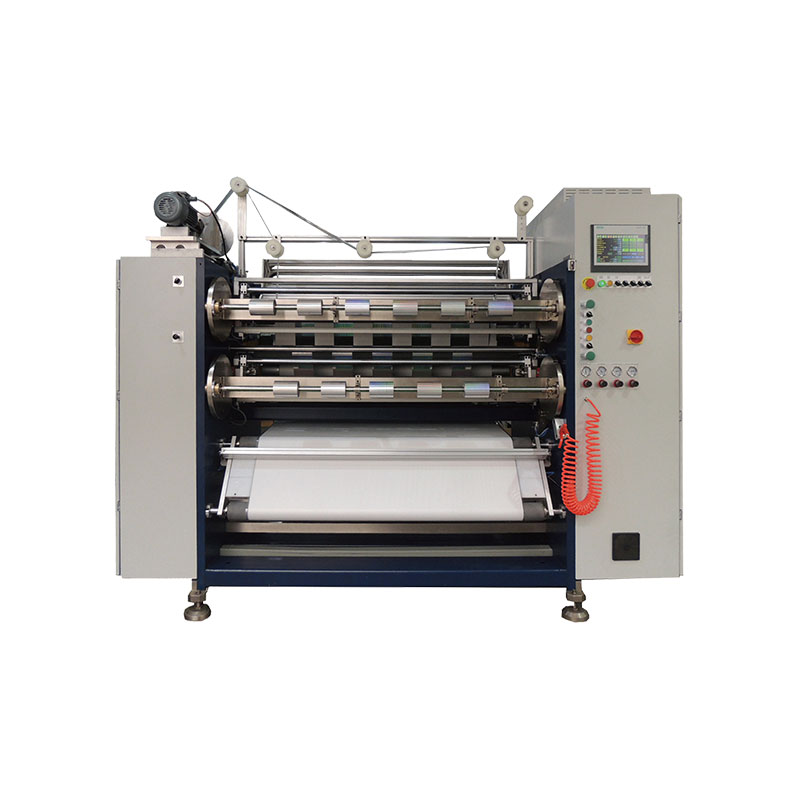 Hot Stamping Foil Slitter (4 Shafts)
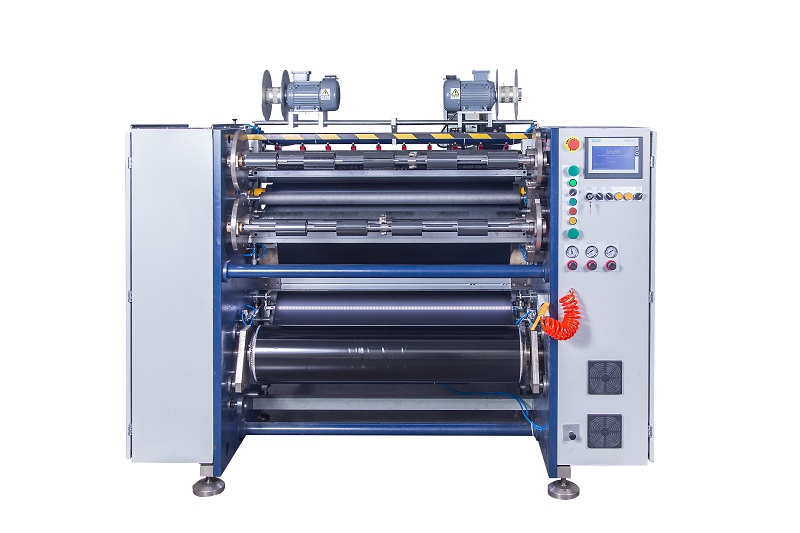 Semi-Auto TTR Slitter RSDS2 Plus
 Semi Automatic TTR Slitter RSDS5 Plus
 Manual TTR Slitter RSDS2
 Auto Paper Core Cutter
 Film Slitting Machine



 +86 135 9951 7291
 support@delishgroup.com
 +86 135 9951 7291