27. May, 2026delish0
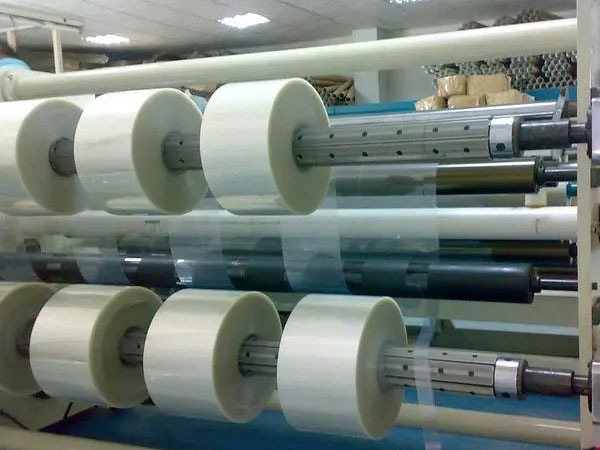
In today's era of widespread use of heat transfer printing technology, ribbons are key consumables, and their slitting accuracy and quality directly affect the final print results. The ribbon slitting machine—this device that cuts wide ribbon master rolls into multi-specification narrow strip products—is undergoing a profound transformation from traditional mechanical control to an AI-driven adaptive system.
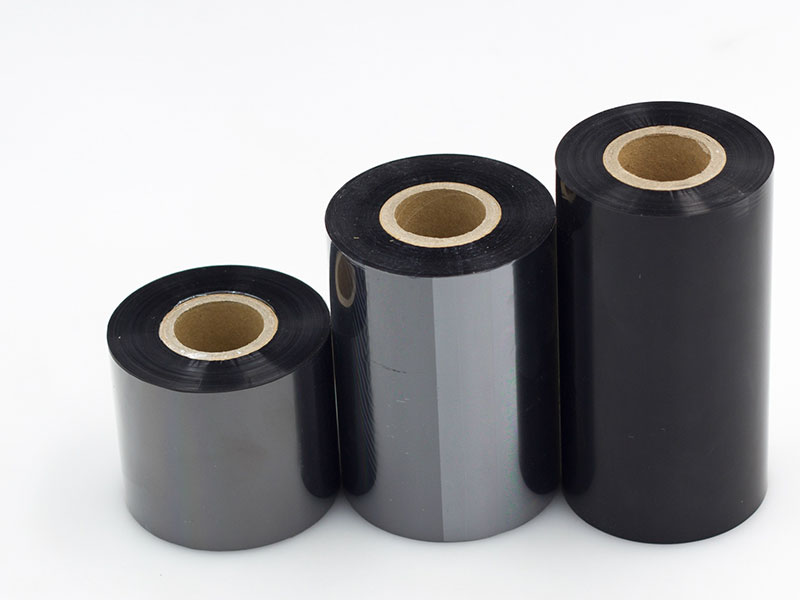
The Era of Mechanical Control: The Limitations of Experience-Driven
In recent decades, ribbon slitting machines have mainly relied on mechanical transmission and PLC logic control. Operators need to manually adjust variables such as tension, tool pressure, and speed according to parameters such as ribbon type, thickness, and width. The limitations of this model are obvious:
• Reliance on manual experience: low production change efficiency and high trial cutting losses
• Difficult tension fluctuations: causing ribbon wrinkles, stretching deformation, or even belt breakage
• Unstable edge quality: Frequent issues such as burrs and scratches
• Delayed fault response: Abnormal shutdowns cause material losses
Although servo drives and automatic tool setting systems were introduced later, the essence still retained the "preset parameters + manual intervention" framework.
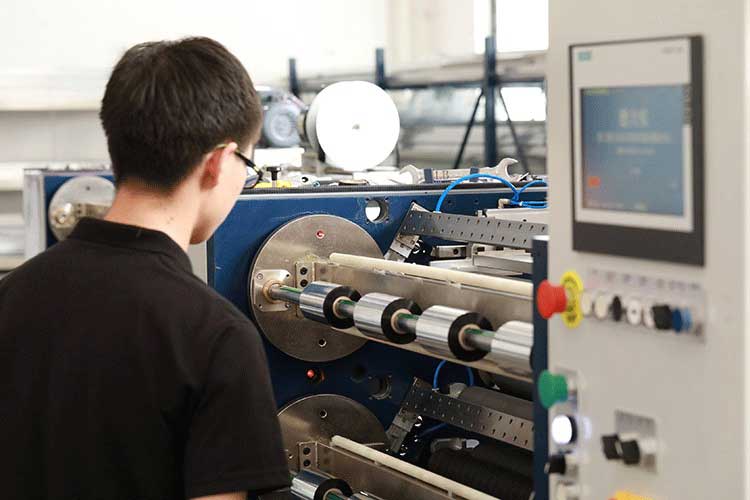
Breakthroughs during the transition: sensors and data acquisition
In the 2010s, with the popularization of tension sensors, laser rangefinders, and high-precision encoders, slitting machines began to possess "perception" capabilities. Functions such as closed-loop tension control, automatic offset correction, and fine blade gap adjustment enable the equipment to adjust single variables in real time. However, coupling effects between multiple variables (such as tension changes simultaneously affecting roll diameter and edge uniformity) remain difficult to perfectly resolve through traditional PID control.
The Arrival of AI Adaptation: From Perception to Decision-Making
In recent years, the maturity of artificial intelligence and edge computing technologies has pushed ribbon slitting machines to a new stage. AI adaptive systems have three core capabilities:
1. Multimodal perception fusion
By deploying high-speed industrial cameras (for detecting edge burrs and scratches), acoustic emission sensors (for blade wear), and vibration sensors (for assessing bearings and roller status), AI systems can build a "digital twin" of the slitting process in real time.
2. Driven by deep learning models
A neural network model trained on historical production data can predict the optimal slitting parameter combinations for different materials (wax-based, blended, resin-based) under different tensions and speeds. Reinforcement learning algorithms can continuously optimize strategies during continuous production, steadily increasing yield.
3. Self-Decision and Self-Execution
When the system detects a microburr trend at the edge of a slitting group, it can automatically fine-tune tool pressure, tension compensation, or actively trigger ultrasonic knife self-sharpening without stopping the machine. In the event of sudden strip breakage, AI can quickly analyze the cause (such as material defects or sudden parameter changes), adjust subsequent paths, and reduce scrap.

Practical application results
After a leading ribbon manufacturer introduced an AI adaptive slitting machine, data showed:
• Turnover time reduced from an average of 45 minutes to 12 minutes
• Scrap rate dropped from 3.2% to below 0.7%.
• Tool life extended by approximately 40%
• Edge ink straightness reaches ±0.1mm, far surpassing traditional equipment
Looking ahead
AI adaptation is not the end. With the continuous improvement of edge computing power and the application of federated learning technology, slitting machines from different factories are expected to share model experience while protecting data privacy, forming a "global intelligent ecosystem." At the same time, by combining digital twins with augmented reality, operators will be able to interact with devices in natural language, further unlocking the potential of human-machine collaboration.
From mechanical handles to servo control, from automation to intelligence, the evolution path of ribbon slitting machines clearly shows that in the field of material processing, experience is being empowered by algorithms, and machines are no longer just executors—they have become "process engineers" with learning capabilities and continuous self-evolution. This AI-led transformation is redefining the quality boundaries and efficiency limits of the slitting industry.
 English
 Deutsch
 Français
 Español
 Português
 日本語
日本語 русский
 한국어
한국어 عربي
عربي ภาษาไทย
 Tiếng Việt
 Italiano
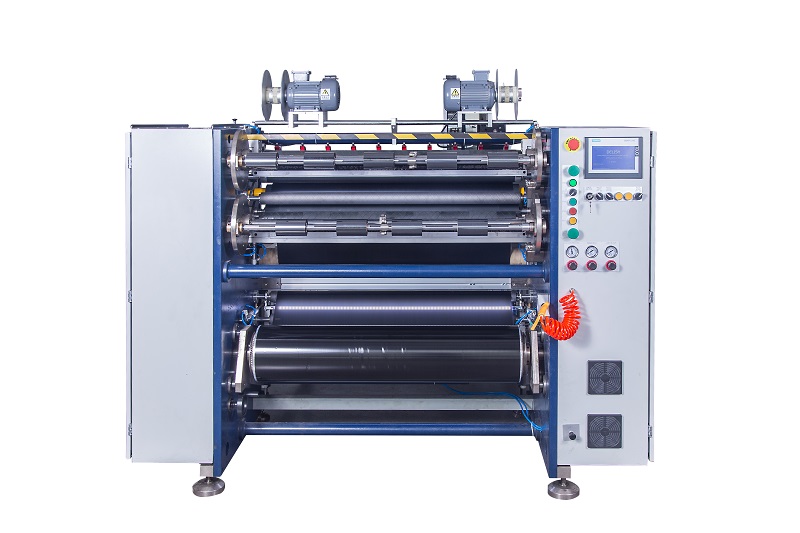
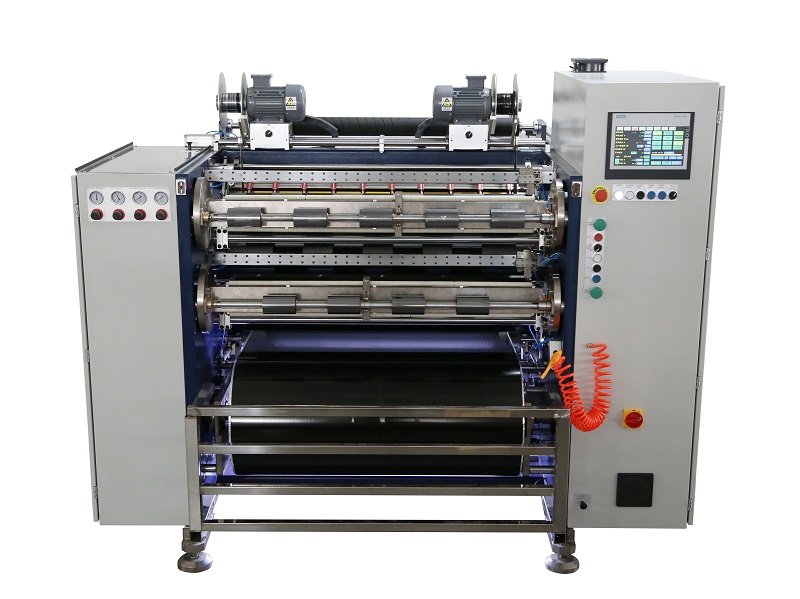 Fully Automatic TTR Slitter RSDS8 Plus
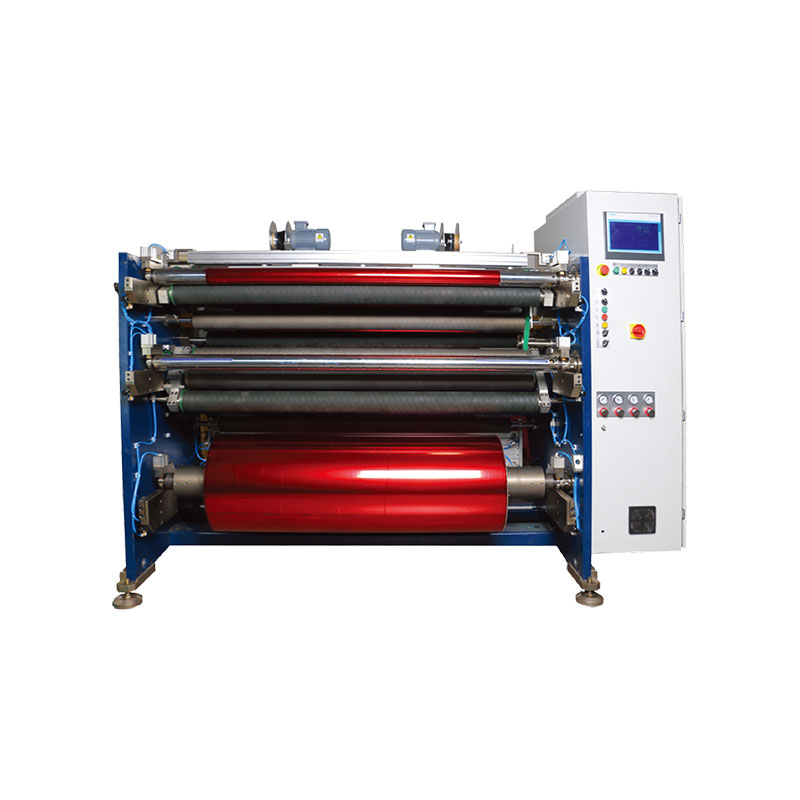 Hot Stamping Foil Slitter 1600mm
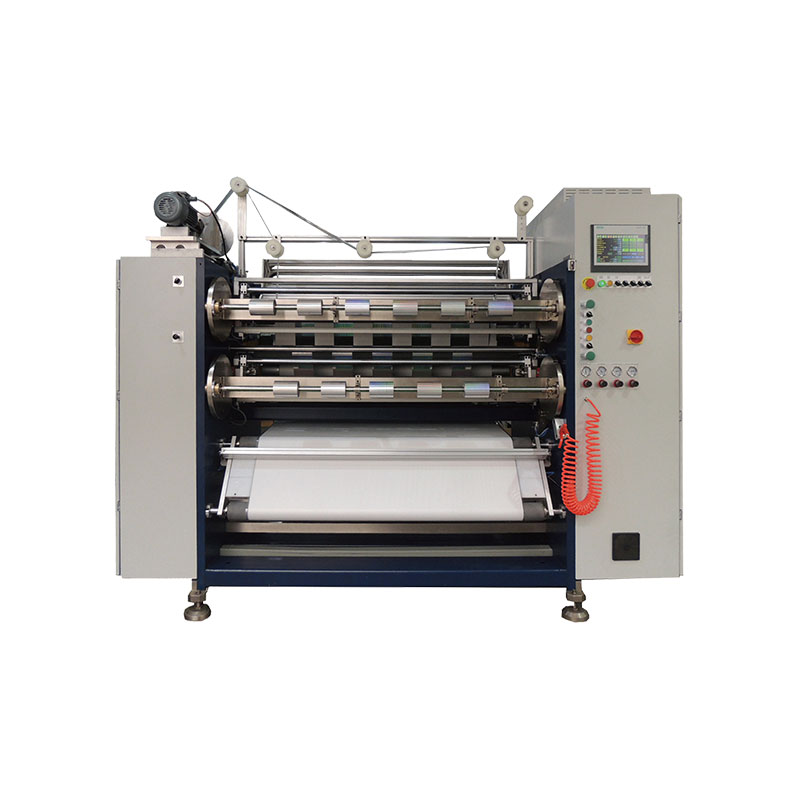 Hot Stamping Foil Slitter (4 Shafts)
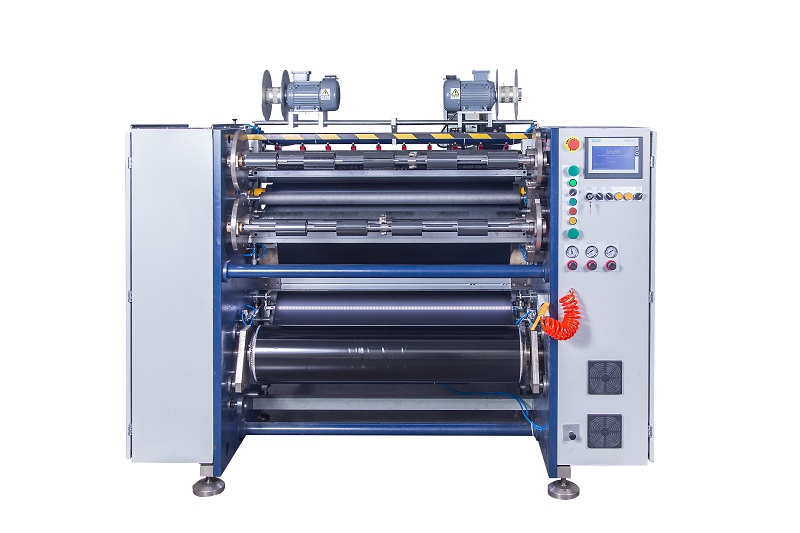 Semi-Auto TTR Slitter RSDS2 Plus
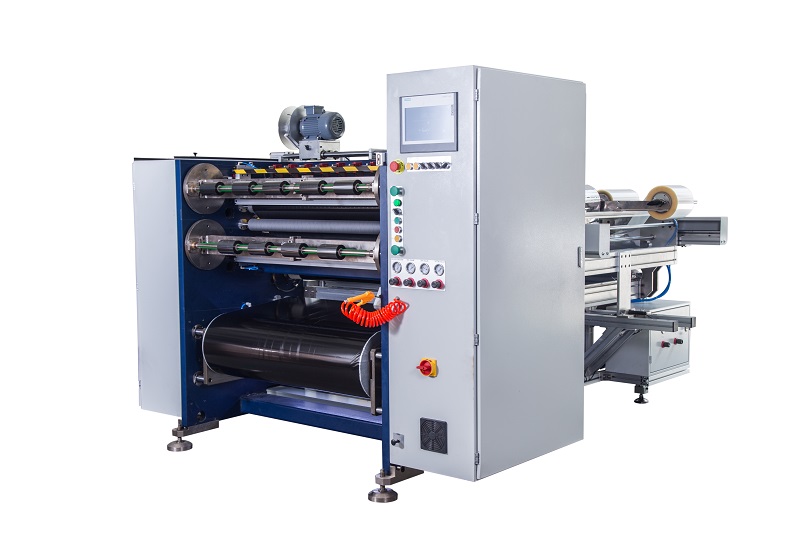 Semi Automatic TTR Slitter RSDS5 Plus
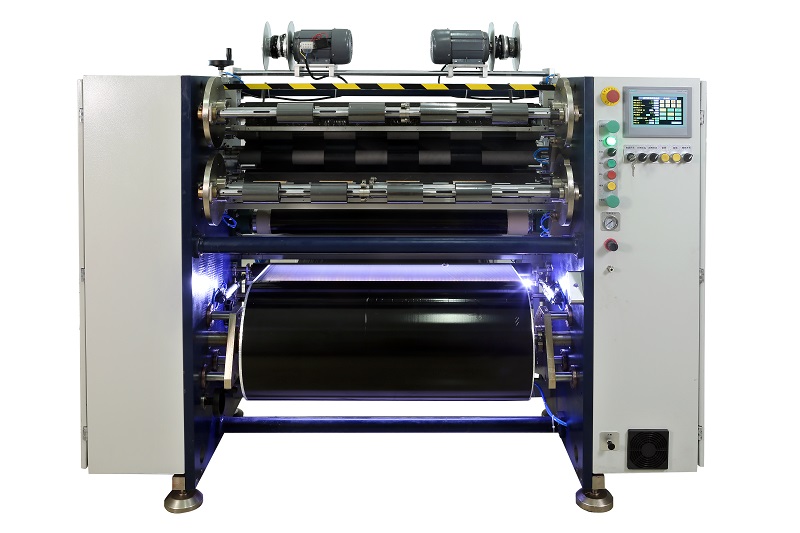 Manual TTR Slitter RSDS2
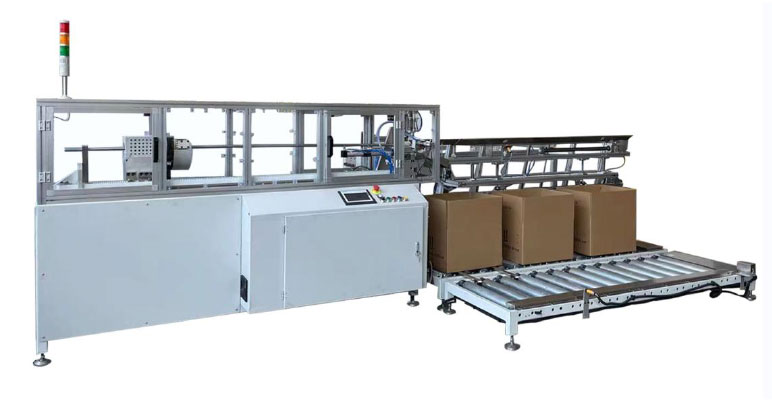 Auto Paper Core Cutter
 Film Slitting Machine



 +86 135 9951 7291
 support@delishgroup.com
 +86 135 9951 7291