01. August, 2026delish0
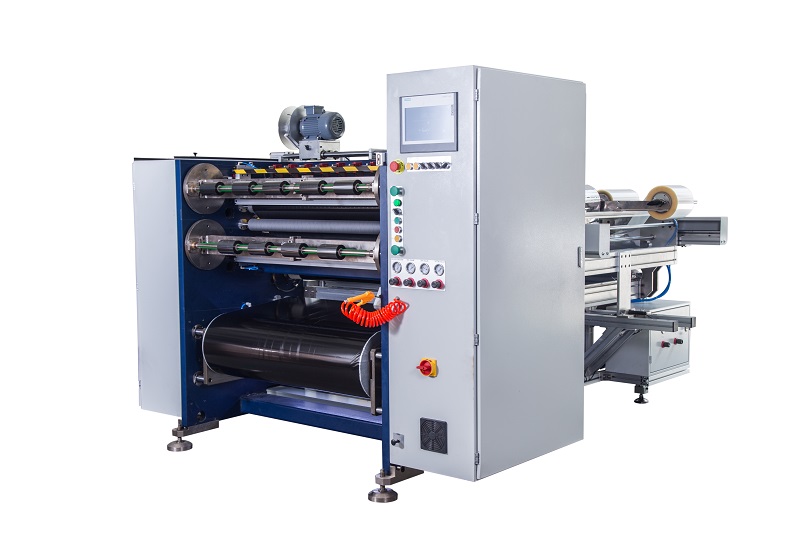
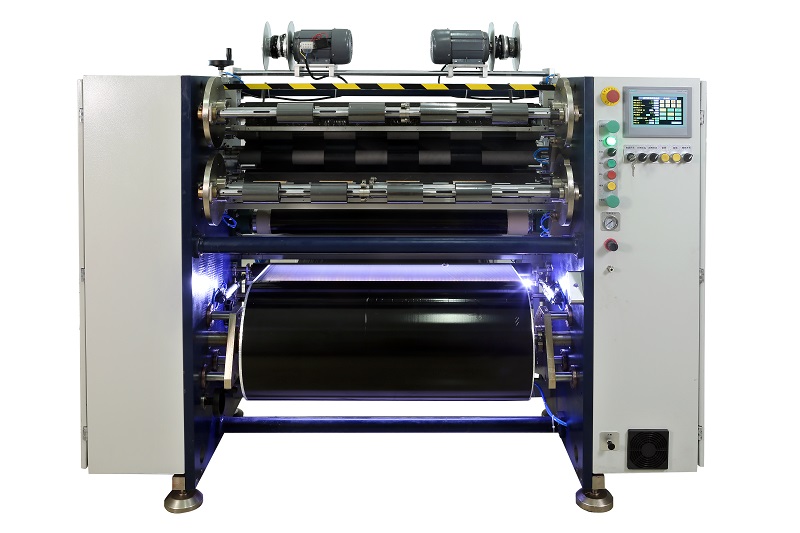
In application scenarios such as barcode printing and heat transfer labeling, the quality of the ribbon directly affects the printing effect. The transformation of ribbon from wide large rolls to standardized small rolls relies heavily on a key piece of equipment—ribbon slitting machines. It is a specialized device designed to precisely slit and rewind wide carbon ribbons at preset widths, with performance directly determining the ribbon's dimensional accuracy and operational reliability.
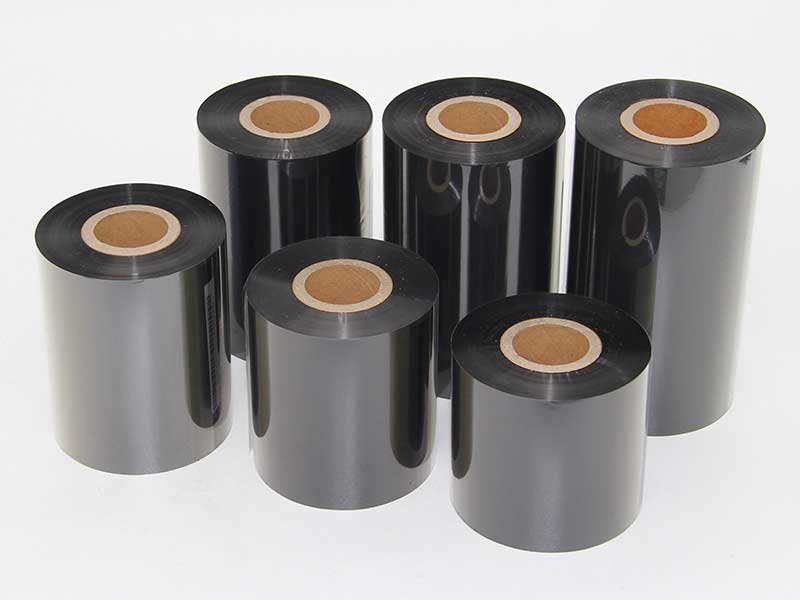
Definition: More Than Just "Cutting"
The ribbon slitting machine is not a simple cutting tool, but a precision system that integrates winding, traction, slitting, and winding. Its core task is to cut large rolls of raw materials up to several hundred millimeters wide into multiple narrow small rolls starting from 20 millimeters wide.
The equipment must simultaneously meet several key indicators: the slitting width tolerance must be controlled at the ±0.1mm level to meet high-precision printing requirements; After rewinding, the end face of the finished roll must be flat and smooth, with moderate tightness, which determines the smoothness of subsequent installation and printing.
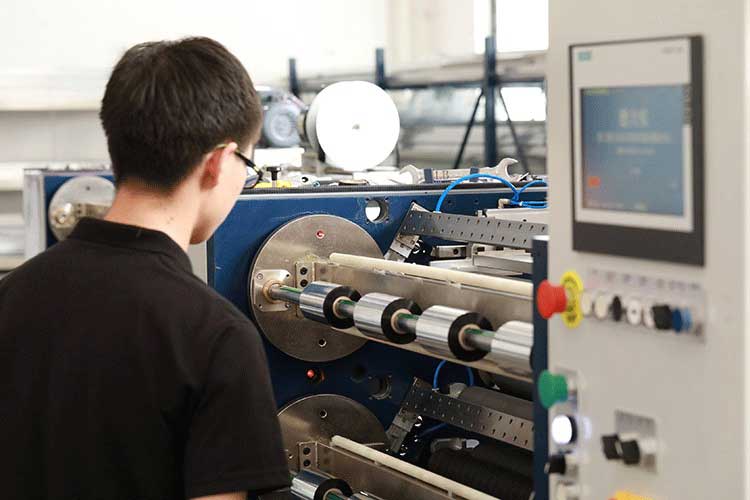
Core working principle: Collaboration of three major systems
The workflow of the ribbon slitting machine is essentially precise control of "tension" and "path," involving the coordination of three core systems.
1. Unwinding and tension control system: The foundation of stability
Work begins with the unwinding mechanism, where the wide female roll is installed. In high-speed slitting, maintaining constant ribbon tension is the primary challenge. Excessive tension can stretch the PET base film, damaging the ink layer and causing powder shedding; If the tension is too low, ribbon relaxation can easily cause wrinkles, resulting in white lines or indentations in the print.
To solve this problem, equipment commonly uses magnetic powder clutches or magnetic powder brakes to control the unwinding tension. By adjusting the excitation current of the magnetic powder clutch, the resistance torque can be precisely controlled, compensating for tension fluctuations caused by changes in the reel diameter. The new equipment also automatically calculates tension based on the coil diameter and sets buffer distances during the start-stop phase to achieve smooth acceleration and deceleration.
2. Slitting Execution System: The Key to Precision
After tension control, the flat ribbon enters the slitting mechanism. The mainstream method uses the suspended knife method, where the ribbon passes through a fixed groove under certain tension to complete cutting. This method does not rely on hard supports, preventing the blade edge from damaging the coated surface. Slitting accuracy depends on the blade installation accuracy and ribbon operation stability.

3. Winding and rewinding systems: The ultimate guarantee of quality
After slitting, multiple narrow strips need to be simultaneously wound through the winding mechanism. The core challenge at this stage is the independent control of the winding tension and the stability of the reel shaft. During high-speed operation, the winding shaft tends to wobble, affecting the flatness of the end face. The equipment controls the shaft swing through an automatic bracket and a top device, and also independently controls the tension of each winding shaft using a magnetic powder clutch, ensuring consistent tightness and neat end faces of the finished product. Slitting widths can be as small as 20mm, and winding diameters can reach up to 100mm.
Conclusion
The essence of a ribbon slitting machine is a precision device that manages tension and path at the micron level. Through the precise coordination of three major systems—unwinding, slitting, and winding—it ensures that ribbons remain undamaged, dimensionally accurate, and winding neatly during high-speed processing. Even a tiny difference in tension control often determines the difference in ribbon quality—this is not only a core challenge in equipment design but also a key measure of equipment performance.
 English
 Deutsch
 Français
 Español
 Português
 日本語
日本語 русский
 한국어
한국어 عربي
عربي ภาษาไทย
 Tiếng Việt
 Italiano
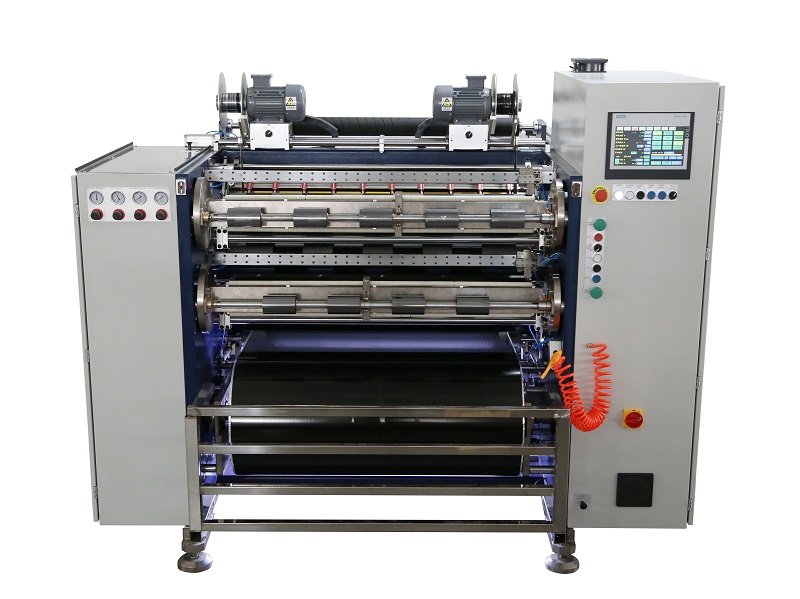 Fully Automatic TTR Slitter RSDS8 Plus
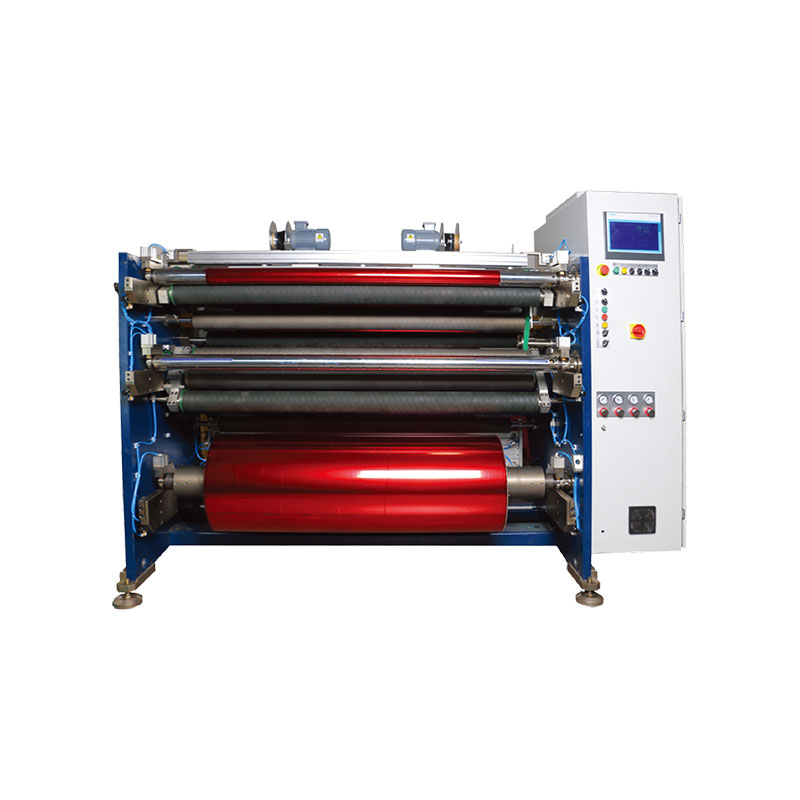 Hot Stamping Foil Slitter 1600mm
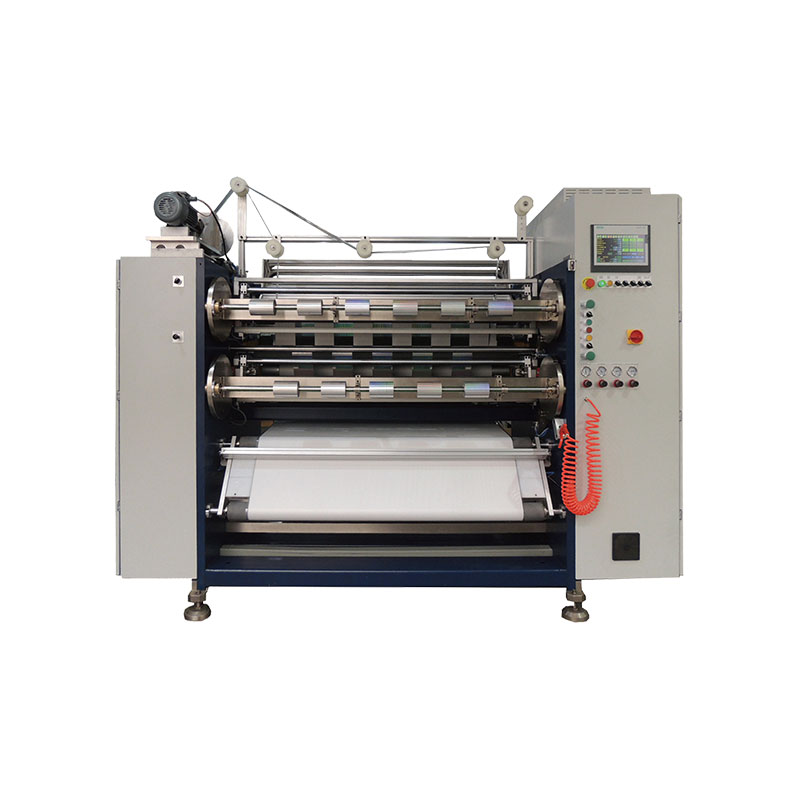 Hot Stamping Foil Slitter (4 Shafts)
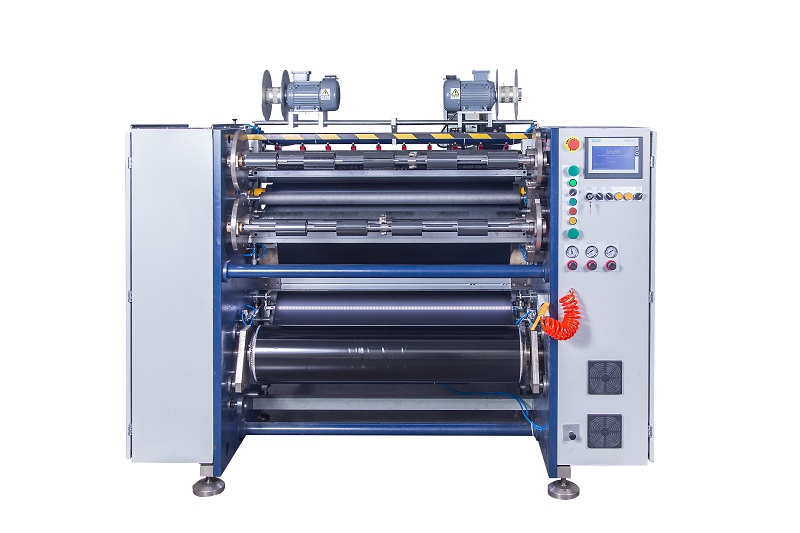 Semi-Auto TTR Slitter RSDS2 Plus
 Semi Automatic TTR Slitter RSDS5 Plus
 Manual TTR Slitter RSDS2
 Auto Paper Core Cutter
 Film Slitting Machine



 +86 135 9951 7291
 support@delishgroup.com
 +86 135 9951 7291