03. September, 2026delish0
Introduction: As the core equipment in the hot stamping process chain, the operational stability of the hot stamping foil slitting machine directly determines product quality and production costs. However, the value of equipment is not only reflected in the procurement parameter list but also throughout the entire lifecycle of maintenance management. This article will systematically review the scientific maintenance system and common fault diagnosis methods for hot stamping foil slitting machines, helping enterprises safeguard investment security while on the edge of the blade.
1. Why is after-sales maintenance the "second life" of slitting machine value?
The hot stamping foil slitting machine operates at high speeds (usually reaching 200-400 meters per minute) and requires high precision (slitting accuracy ± 0.1mm). A highly reliable slitting machine should have a design lifespan of no less than 50,000 hours for key components, but whether this goal can be achieved largely depends on the quality of daily maintenance.
Many companies focus on equipment performance during procurement but neglect the establishment of after-sales maintenance systems. In fact, a truly reliable slitting machine is not just a cutting tool, but also a guardian of production stability and quality consistency, and after-sales maintenance is the key to continuously unlocking this value. Excellent manufacturers not only provide equipment but also offer full lifecycle technical support, including regular maintenance, rapid response, and process optimization recommendations.
2. Scientific Maintenance System: Detailed explanation of the four-level maintenance system
It is recommended to adopt a four-level maintenance system of "daily, weekly, monthly, and annually," which is the foundation for ensuring equipment maintains high precision over the long term.
1. Daily maintenance (per shift): cleaning and inspection
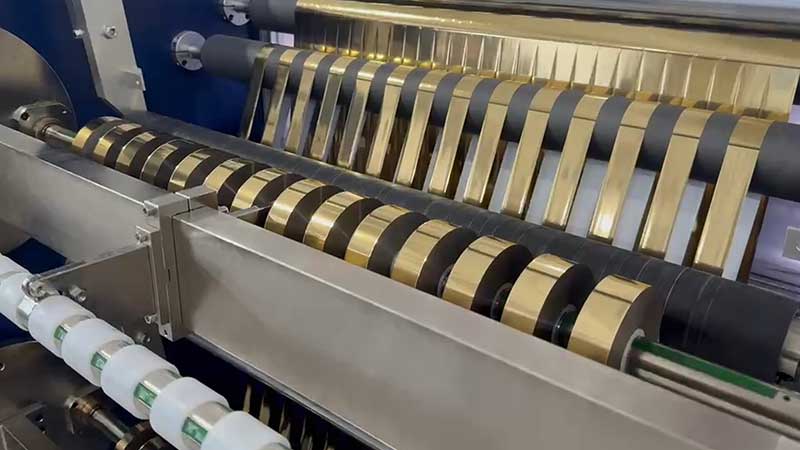
Cleanliness is the top priority for maintenance. During slitting, hot stamping foil easily generates electrostatic adsorbed debris, which can cause dents or scratches if not cleaned promptly. Use an air gun or brush to remove dust and foil powder from the knife holder, rewinder, unwinder, and roller roller. It is especially important to avoid direct blowing of compressed air into the bearing area to prevent debris from entering the bearing interior.
Air circuit and blade inspection: Check whether the pressure gauge reading is within the standard range (usually 0.5-0.7MPa). Before leaving work, manually drain the water from the water filter. At the same time, check for blade chipping or passivation; if burrs appear on the cutting edges, replace them immediately.
2. Weekly maintenance: transmission and fastening
Roller cleaning and lubrication: Use anhydrous alcohol to wipe all rollers (especially rubber pressure rollers and aluminum rollers) to remove adhesive residues accumulated by electrostatic adsorption, preventing film slippage or longitudinal streaks. Lubricate the lead screw of the tool layout mechanism and the chain of the winding and compression arm every week to ensure smooth tool movement.
Comprehensive tightening inspection: High-frequency vibration of the slitting machine can easily cause screws to loosen, leading to tool position misalignment or abnormal noises. Checking whether the tool post fixing screws and coupling screws are loose is the key point of weekly maintenance.
3. Monthly maintenance: electrical and precision calibration
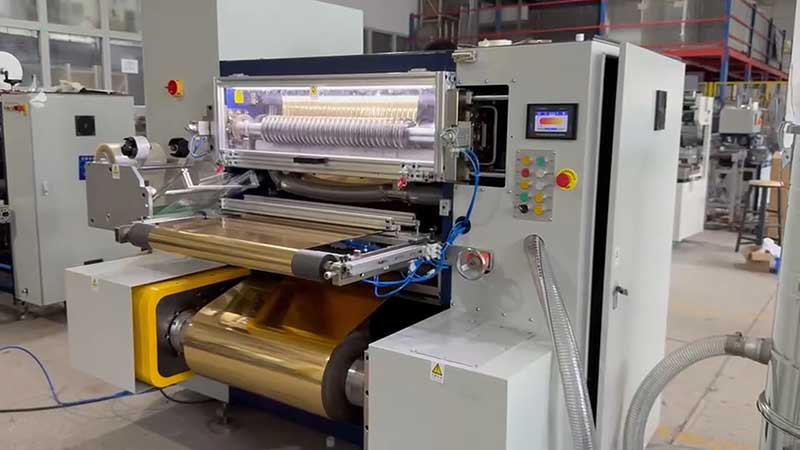
Electrical cabinet maintenance: When the power is off, use a vacuum cleaner to clean dust inside the electrical control cabinet (especially dust accumulation on the inverter and PLC module), and check whether the cooling fan is operating normally. Overheating is the primary cause of electrical component damage.
Tension system calibration: Check whether the zero point of the tension sensor is drifting, and use standard methods to re-calibrate the tension of the unwinding and rewinding forces. If the tension error exceeds ±5%, the sensor must be recalibrated.
Transmission belt inspection: Check the tension of the main drive belt and motor belt—too loose can cause slipping and loss of rotation, while too tight can damage the bearing.
4. Annual maintenance: major overhaul of core components
Bearing replacement: Check the bearing clearance of all rollers. For equipment operating for more than 8,000 hours, it is recommended to disassemble and inspect the spindle bearing and rewinding shaft bearing.
Slip shaft maintenance: The most common reason for uneven winding tightness is the degradation of slip shaft performance. The slip shaft needs to be disassembled, the internal friction plates cleaned, and the steel ball worn out to check.
Accuracy restoration: Use a laser centering instrument to check the parallelism of each roller group. If foundation settlement or prolonged force causes the rollers to be not parallel, mechanical adjustment is required. Every six months, a laser level is used to check the equipment's basic level; if settlement exceeds 0.1mm/m, adjustment shims must be installed.
3. Common fault diagnosis and quick troubleshooting
Fault 1: Burr (uneven edges, excessive dust)
Typical manifestations: After slitting, the edges of the foil strip show filamentous burrs, debris falling off, or appear serrated.
Troubleshooting path:
1. Tool factors (most common): Check for chipping at the blade edge, measure whether the upper and lower blade bite is within a reasonable range (usually 0.02-0.05mm, adjusted according to foil thickness). Blade shaft runout exceeding 0.02mm requires correction.
2. Tension control: The recommended tension for hot stamping foil is 1.5-3N/mm², which should be set according to foil thickness and supplier data.
3. Static Electricity Effect: Static elimination rods or ion air nozzles can be installed before and after the cutter to ensure the equipment's grounding resistance <4Ω.
4. Roller issues: Clean the roller surface daily, and replace the aging rubber roller if necessary.
Quick mnemonic: First check the cut for chipping, then check the bite and alignment. Maintain stable tension, eliminate static electricity, and leave no trace of burrs.
Fault 2: Misalignment (lateral edge movement, uneven rolling)
Typical manifestations: During slitting, the foil strip deviates from the set trajectory, and the winding end face appears "tower-shaped" or "bell-shaped."
Troubleshooting path:
1. Correction system failure (most common): Optoelectric/ultrasonic probes are often blocked by dust or foil debris, which is a common "blind spot." Regularly clean the probe lens, adjust the probe position to half the edge of the foil tape, and set a dead zone (±1mm) to avoid frequent movement.
2. Guide roller parallelism difference: Calibration by laser or wire drawing method, parallelism tolerance ≤ 0.2mm/m.
3. Unwinding offset and tool group interference: Ensure the coil center is aligned with the spindle during feeding; Check the axial clearance of the knife shaft (should ≤ 0.03mm).
Key tip: Burrs and offset are often mutually causal—debris buildup from burrs leads to deviation, while deviation leads to slant cuts and worsens burrs.
Fault 3: Frequent foil breakage
Foil breakage issues are wide-ranging. It is recommended to inspect four key components in the following order:
1. Slitting blade: After the blade becomes blunt, it no longer "cuts" the foil surface but "tears" it, causing tiny cracks at the edges that expand and break under tension. The overlap between upper and lower blades is usually 0.05-0.1mm.
2. Guide rollers and foil rollers: scratches, foreign matter, or adhesive layers on the roller surface can repeatedly scrape the foil surface; Bearing sticking creates additional frictional resistance, causing the foil surface to slip and break.
3. Static elimination device: When static electricity accumulates to a certain extent, the foil surface will adhere to the guide roller or frame, causing sudden resistance changes that cause foil breakage.
4. Unwinding and winding tension system: The magnetic powder inside the magnetic powder clutch may clump or lose after long-term use, causing nonlinear output torque, which is a major hotspot for foil breakage.
4. From Passive Maintenance to Proactive Prevention: Modern Maintenance Concepts
1. Establish a device health record
After each maintenance, data such as slitting accuracy and changes in energy consumption are recorded, and potential faults are predicted through trend analysis. A typical case is a company that used vibration spectrum analysis to detect abnormal wear in the main drive gearbox two weeks in advance, avoiding the scrapping of a 200,000 yuan rotor assembly.
2. Remote monitoring and predictive maintenance
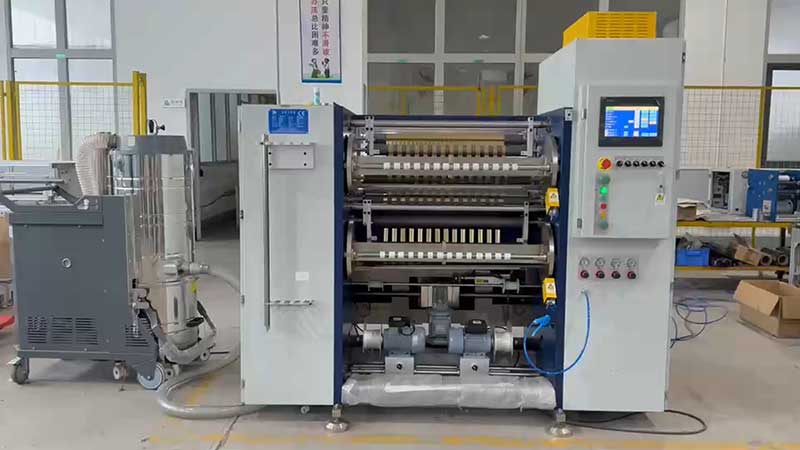
Install data acquisition modules for equipment, uploading operational data (speed, tension, current, temperature, etc.) to the cloud platform in real time. When abnormal trends appear in the data (such as a slow increase in spindle current), the system automatically issues an alert, turning 'passive repair' into 'proactive prevention.'
3. Establish a rapid response service mechanism
• Spare parts reserve: Customers are advised to stock commonly worn parts (knives, belts, sensors)
• Remote support: Remote diagnosis via phone or video
• On-site service: For complex faults, professional engineers will come to the site for repairs
Conclusion
After-sales maintenance for hot stamping foil slitting machines is essentially a trade-off between short-term costs and long-term value. Establishing a scientific maintenance system, mastering fault diagnosis methods, and introducing proactive prevention concepts can not only significantly improve production efficiency but also extend equipment lifespan and reduce overall operating costs.
In this industry, the smartest investment is not to find the cheapest machine, but to choose partners who can continuously create value over time—and this is precisely the core meaning of after-sales maintenance.
Some technical parameters in this article refer to industry general standards. Please refer to the maintenance manual provided by the equipment manufacturer for specific operations.
 English
 Deutsch
 Français
 Español
 Português
 日本語
日本語 русский
 한국어
한국어 عربي
عربي ภาษาไทย
 Tiếng Việt
 Italiano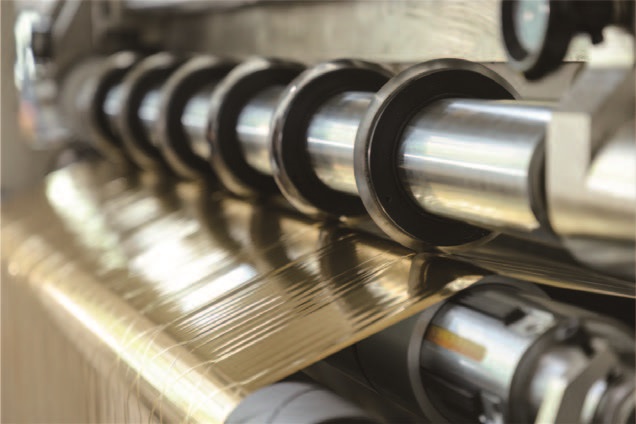
 Fully Automatic TTR Slitter RSDS8 Plus
 Hot Stamping Foil Slitter 1600mm
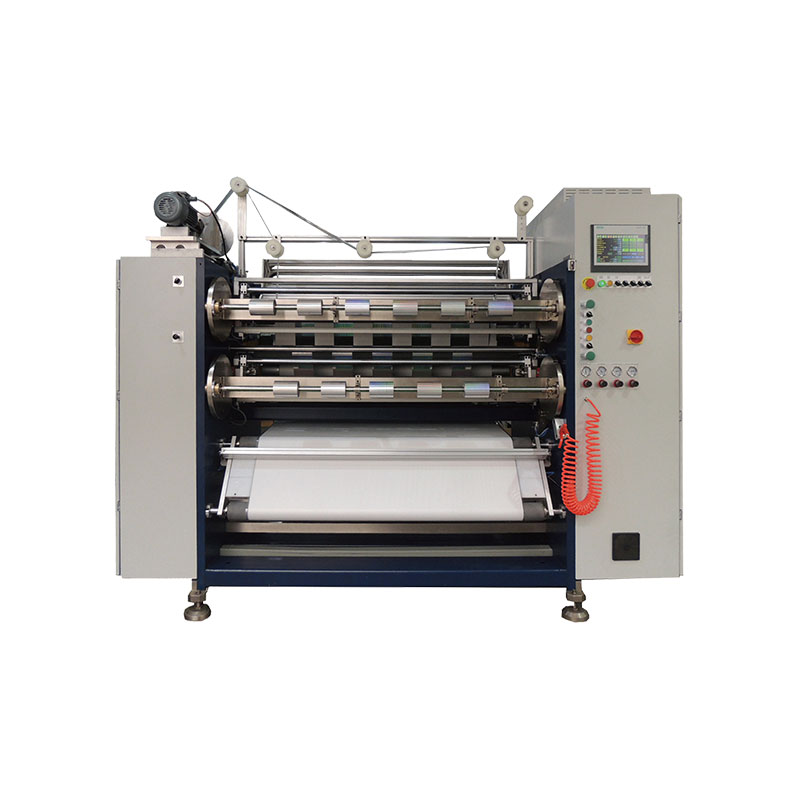 Hot Stamping Foil Slitter (4 Shafts)
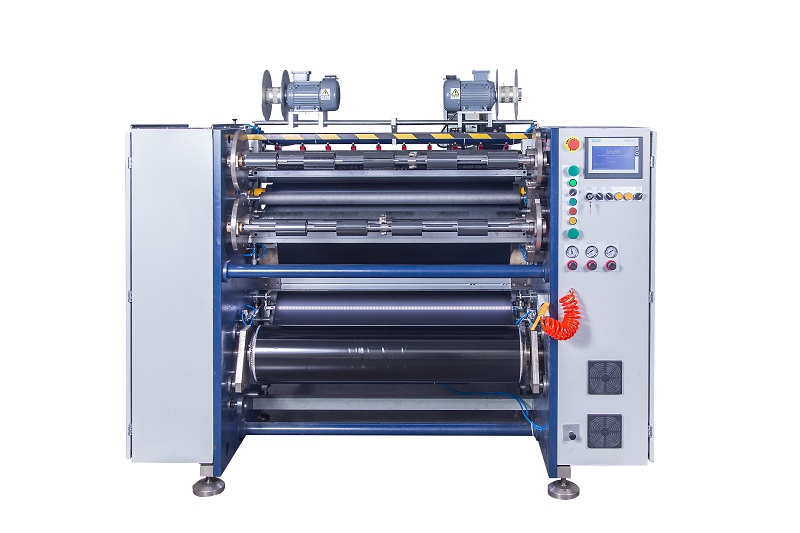 Semi-Auto TTR Slitter RSDS2 Plus
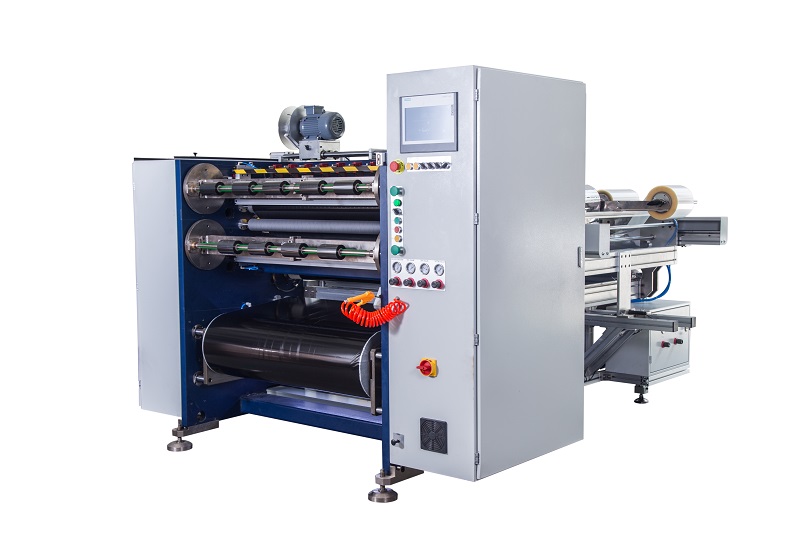 Semi Automatic TTR Slitter RSDS5 Plus
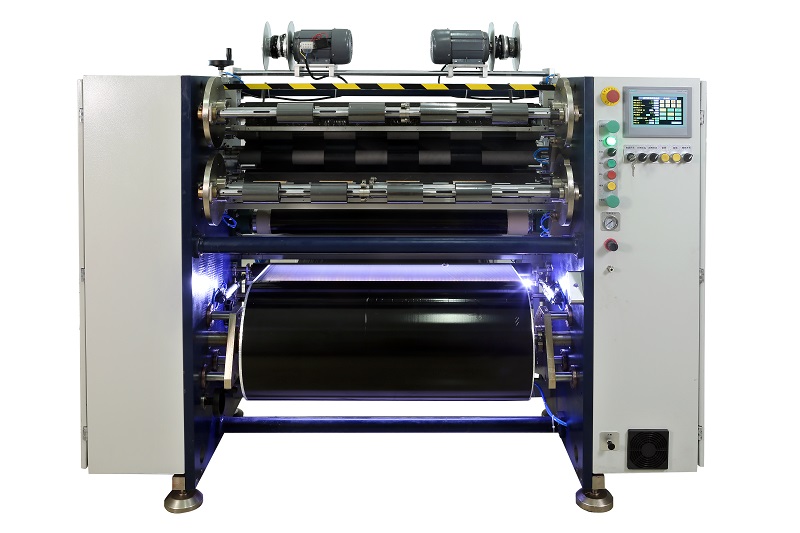 Manual TTR Slitter RSDS2
 Auto Paper Core Cutter
 Film Slitting Machine



 +86 135 9951 7291
 support@delishgroup.com
 +86 135 9951 7291