17. October, 2026delish0
Ribbons, seemingly inconspicuous consumables, are actually the "ink" in barcode printing, label printing, and even product traceability systems. Its quality directly determines the lifespan of the print head and the readability of the barcode. However, from the large roll rolls coated off the line to the finished small rolls adapted for various printer brands, there is an extremely precise process in between—slitting. The ribbon slitting machine is the key equipment to fulfill this mission. In high-end manufacturing scenarios, "high-precision slitting without burrs" has evolved from a bonus point to a passing line.
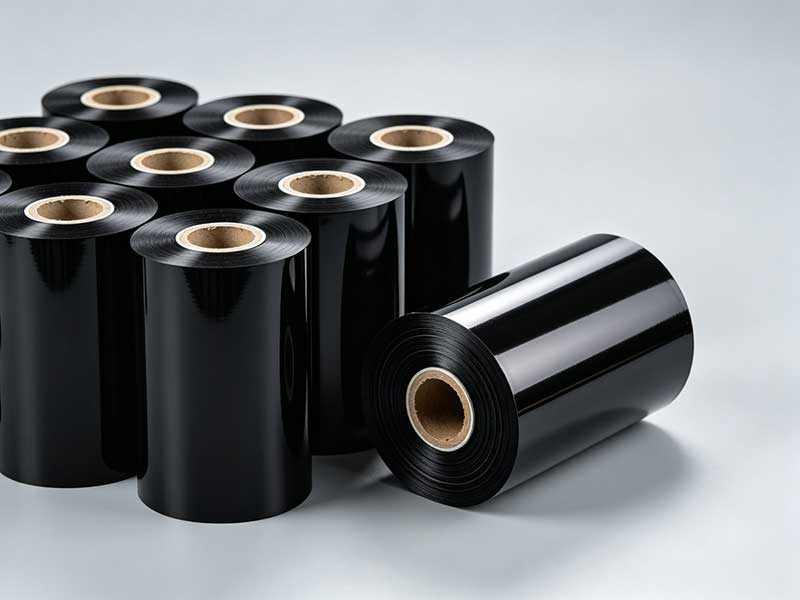
Why is raw edge the "fatal flaw" of ribbon slitting?
The ribbon structure is precise, typically consisting of a PET base film, ink layer, and backing coating. If the cut is not clean during slitting, the resulting burrs are not simply aesthetic issues. These microscopic jagged edges continuously rub against the print head during printing, causing mild white lines and indentations, and at worst, scratching the printhead, resulting in high replacement costs. A more hidden risk is that burrs accompanying toner detachment can contaminate the printer's interior, affecting sensor normal operation. For high-density barcode applications such as electronic tags and medical wristbands, any irregular edges will directly reduce readability. Therefore, "no burrs" is not only a requirement for slitting appearance, but also the technical baseline for ensuring the reliability of terminal printing.
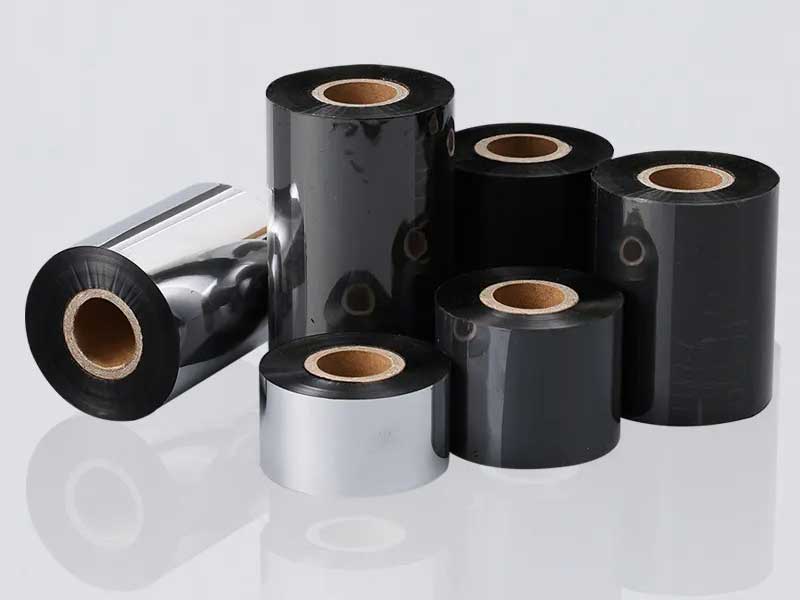
Where does precision come from: Collaboration among three major systems
Achieving ± 0.1mm level slitting accuracy with smooth, burr-free edges relies not on upgrading individual components but on systematic coordination of mechanics, control, and processes.
Tension control is the "anchor of the sea." The thickness of the carbon ribbon base film is often between 4.5 and 12μm, making it extremely sensitive to tension. Excessive tension stretches the base film, causing the ink layer to crack and peel off; If the tension is too low, the material belt loosens and drifts, and the cut inevitably shows snake-like shapes and burrs. The high-precision slitting machine uses three independent closed-loop tension control stages for unwinding, traction, and rewinding, with real-time torque adjustment via magnetic powder clutches or servo motors to suppress the fluctuation range to within ±0.5N. The winding stage also introduces a taper tension algorithm, which automatically reduces tension as the diameter increases, preventing the inner carbon ribbon from being compressed or deformed.
The correction system is the "crosshair." Even micron-level lateral drift during high-speed operation of the busbar is enough to scrap the entire slitting line. Modern slitting machines integrate CCD vision or laser edge detection sensors, capturing the edge position of the strip with millisecond-level response speed, and synchronizing the correction mechanism for real-time correction, stabilizing slitting straightness within an extremely narrow tolerance zone.
The slitting tool is the "final cut" executor. Tool selection must match the characteristics of the ribbon. For thin ribbons below 70μm, square knives can achieve higher cut flatness thanks to the flexibility of suspended tool setting; For thick films or resin-based carbon ribbons above 100μm, circular blades use high-speed rotation to achieve clean and crisp cross-sections. Regardless of the tool type, the mirror-polished edge made of cemented carbide or diamond, combined with micron-level adjustable tool gap control, is the physical foundation for eliminating burrs.

From "cutting well" to "cutting well": the practical value of technological evolution
Early ribbon slitting machines mostly used magnetic powder clutches to control tension, which basically met slitting requirements. However, when dealing with ultra-thin ribbons or high-speed operations, burrs and wrinkles remained persistent problems. Today's technological iterations have brought a qualitative leap in slitting quality. After upgrading a high-precision slitting system, a label material manufacturer saw the slitting width tolerance narrow from ±0.3mm to ±0.08mm, the defect rate dropped sharply from 2.5% to 0.3%, and the slitting speed increased to 120m/min.
The economic benefits brought by this improvement are direct. Burr-free slitting reduces the risk of ribbon breakage in the printer and extends print head life; Higher width consistency means the actual printed length of each ribbon roll is closer to the nominal value, reducing hidden waste. In a market environment where "small batches, multiple varieties" are becoming mainstream, a slitting machine capable of quick order changeover while consistently maintaining burr-free quality has become a core asset for ribbon processors and large end users to control costs and ensure delivery times.
The high precision and burr-free capability of ribbon slitting machines essentially show respect for ribbons as a precision composite material. It uses mechanical rigidity, control flexibility, and tool sharpness to deliver a micron-scale technical interpretation of "neatness." When a roll of perfectly slitted ribbon is loaded into the printer, smoothly moving along the tape and transferring clearly the print, the value of the slitting process quietly becomes realized.
 English
 Deutsch
 Français
 Español
 Português
 日本語
日本語 русский
 한국어
한국어 عربي
عربي ภาษาไทย
 Tiếng Việt
 Italiano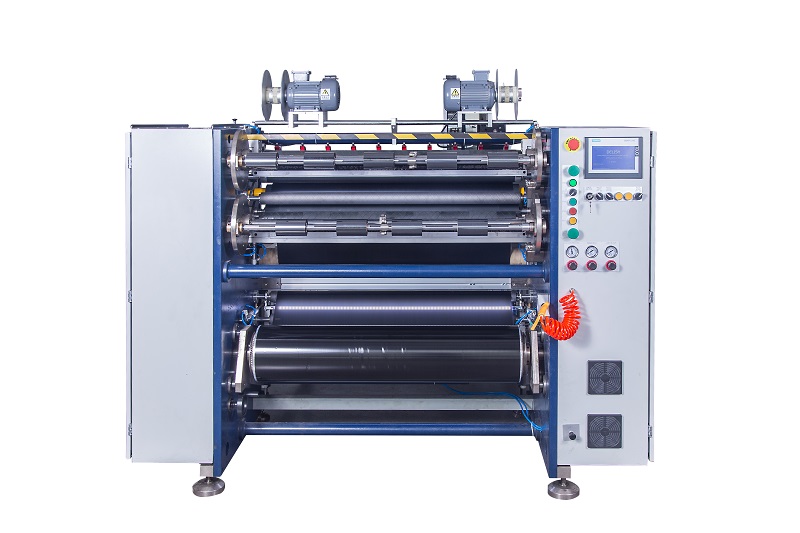
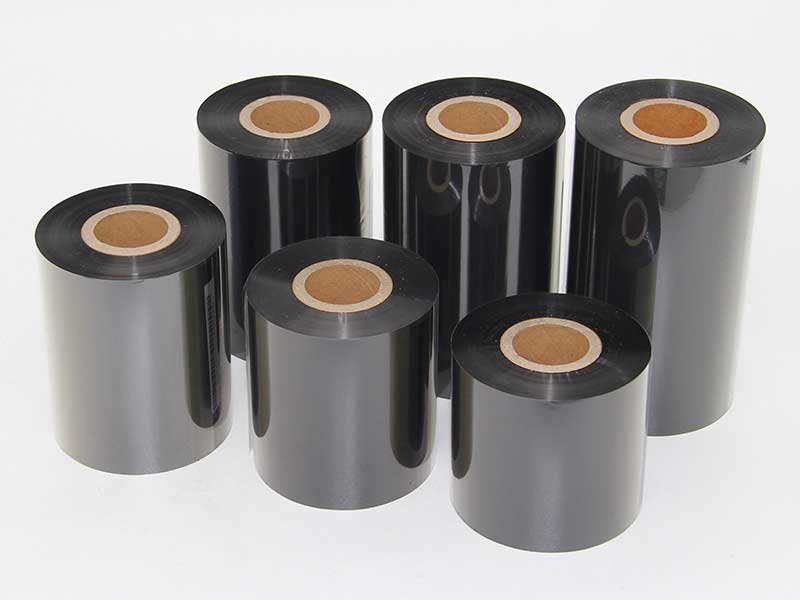
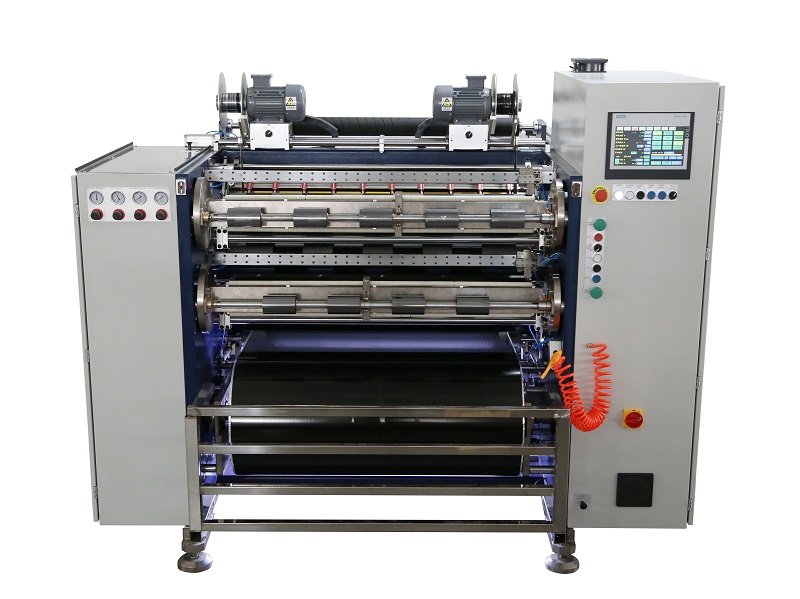 Fully Automatic TTR Slitter RSDS8 Plus
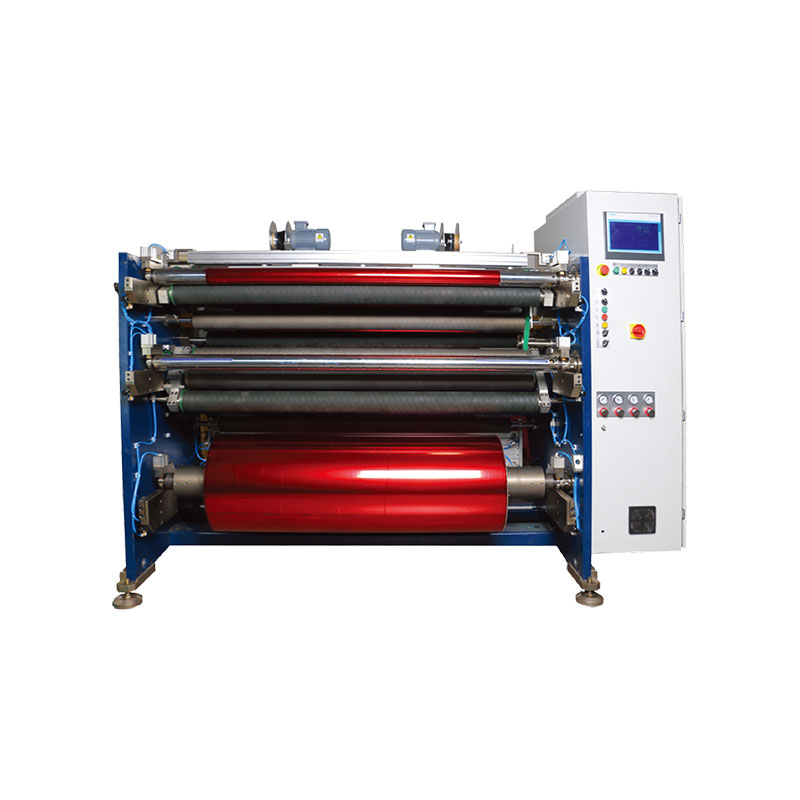 Hot Stamping Foil Slitter 1600mm
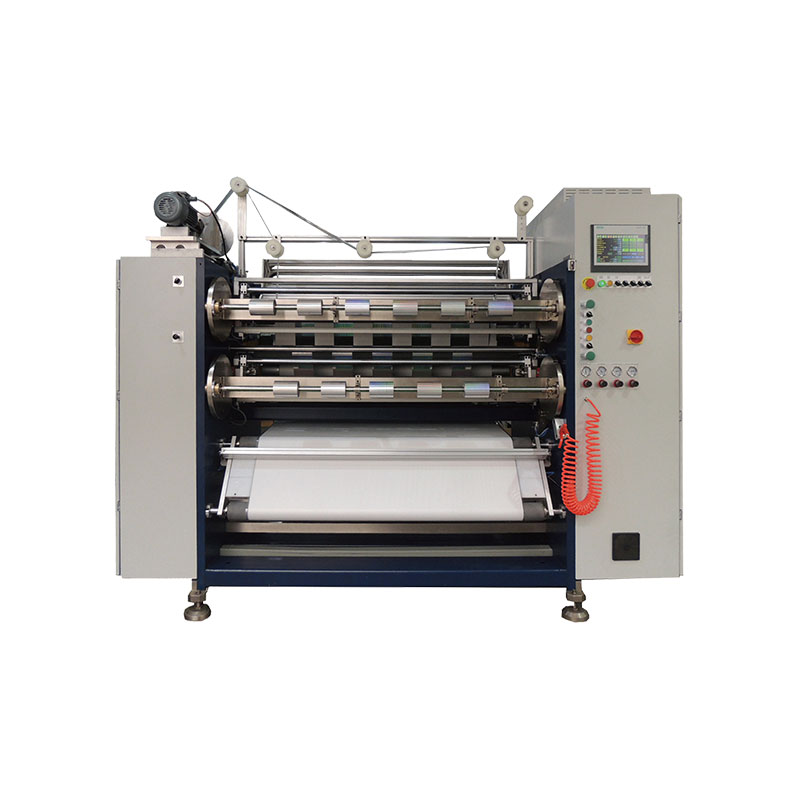 Hot Stamping Foil Slitter (4 Shafts)
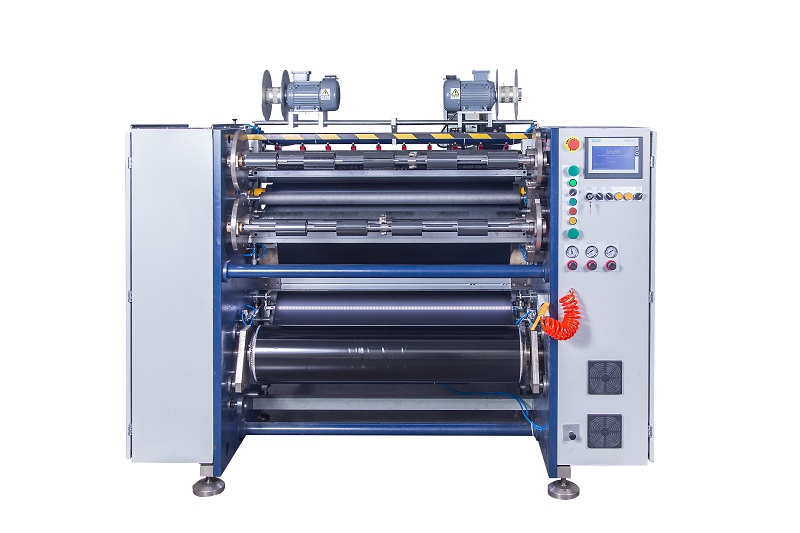 Semi-Auto TTR Slitter RSDS2 Plus
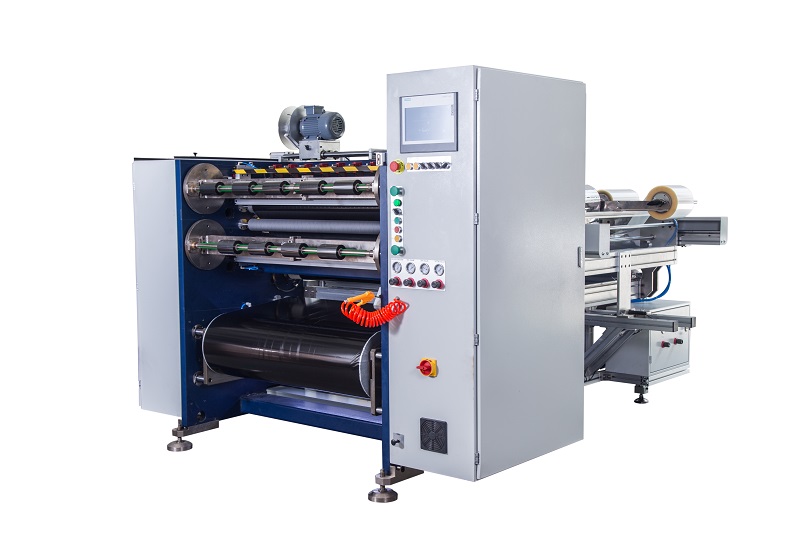 Semi Automatic TTR Slitter RSDS5 Plus
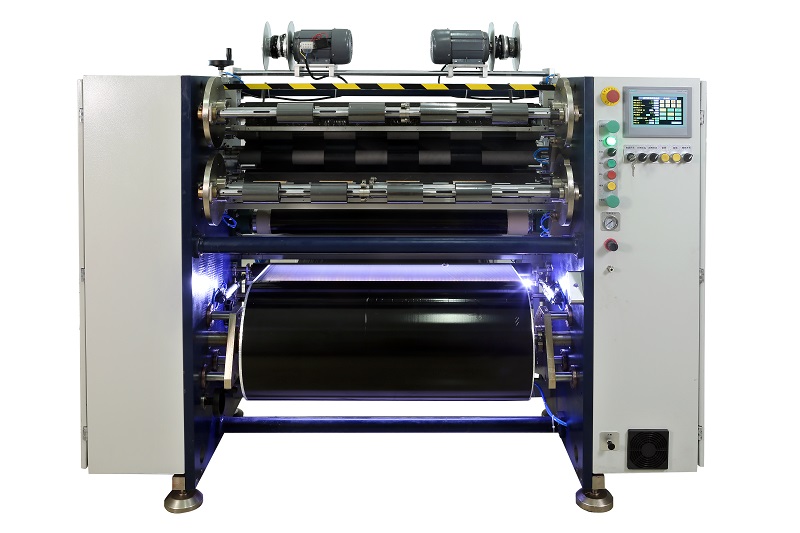 Manual TTR Slitter RSDS2
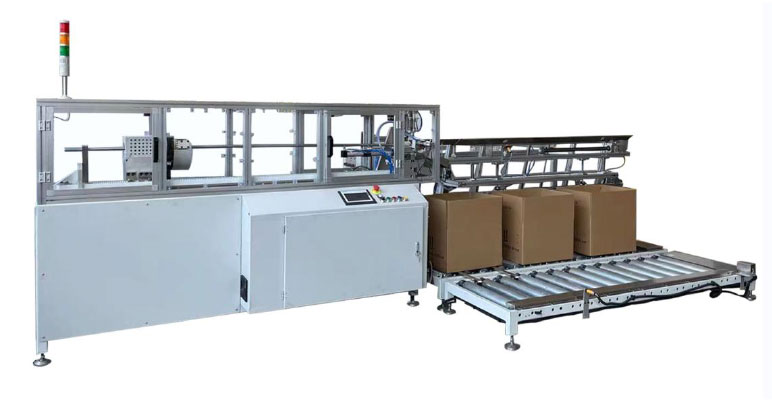 Auto Paper Core Cutter
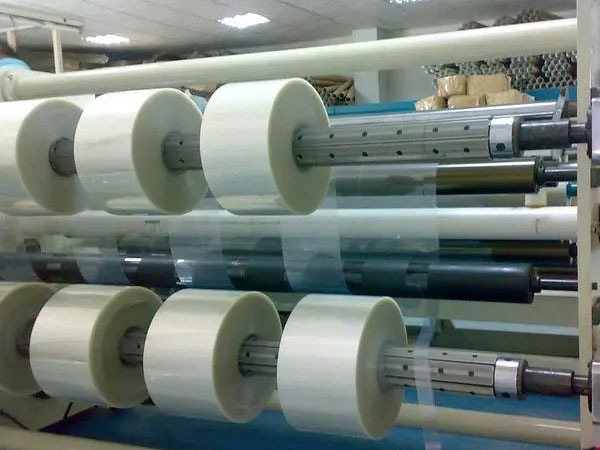 Film Slitting Machine



 +86 135 9951 7291
 support@delishgroup.com
 +86 135 9951 7291