05. November, 2026delish0
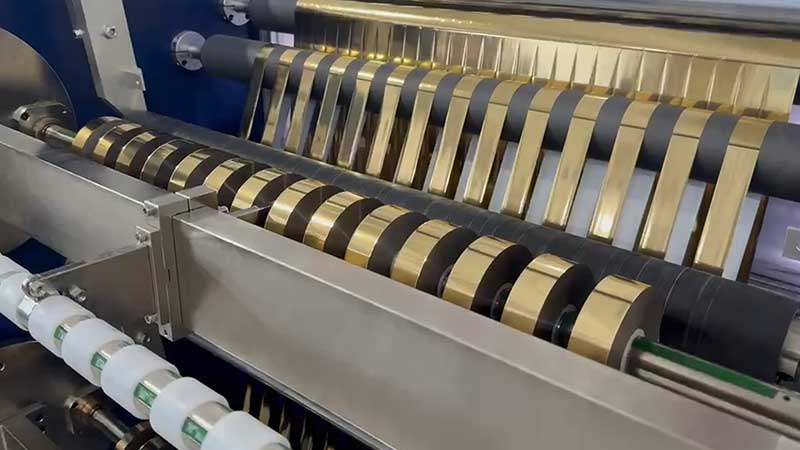
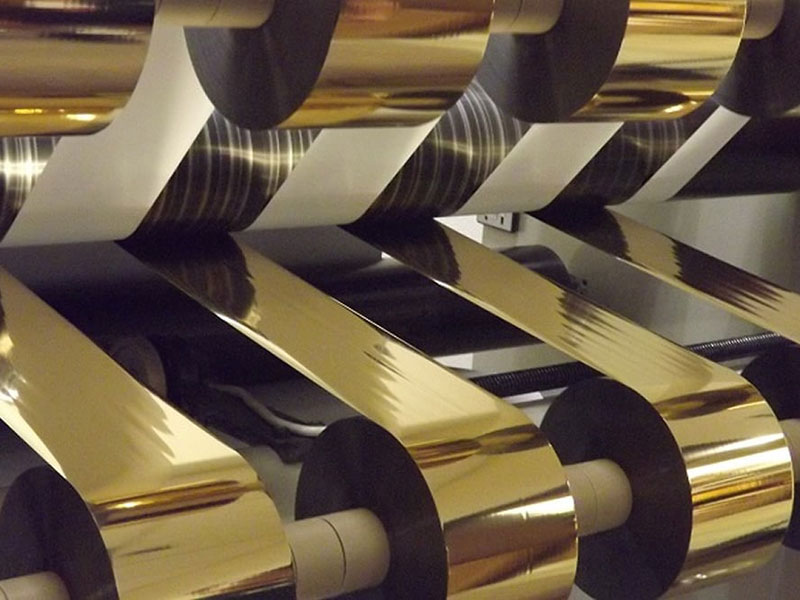
Hot stamping foil slitting is an inconspicuous yet fatal link in the packaging and printing chain. It is located upstream in the hot stamping process, where the quality and efficiency of slitting directly determine the output rhythm and material costs of downstream hot stamping machines. However, for a long time, efficiency improvements in this process have been simply equated with "increasing vehicle speed"—the nominal speed of equipment has been pushed from 200 meters per minute to 500 meters per minute, but the actual effective output is often consumed by material change shutdowns, tool layout trial cutting, foil breakage scrap, and rough edge rework.
True efficiency improvements require shifting the perspective from "how fast the machine runs" to "how thoroughly every meter of foil is utilized." The former refers to mechanical parameters, while the latter represents system capability.
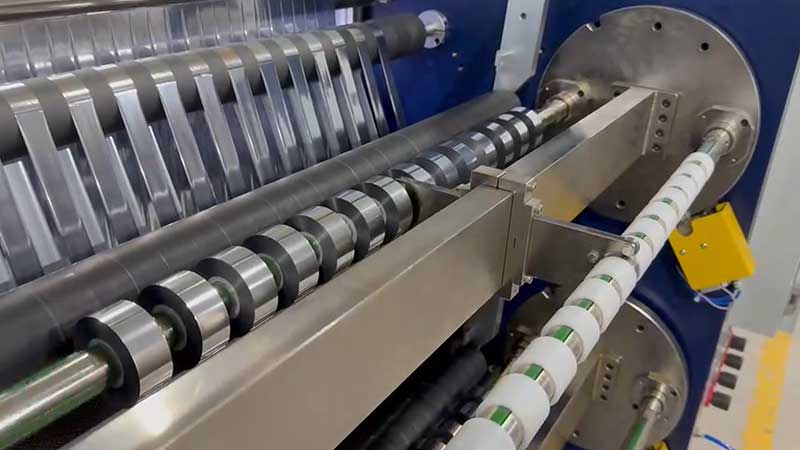
Wasted and eaten quickly
Efficiency losses at the hot stamping foil slitting site rarely manifest as "equipment failures"; more often, they are hidden in a few everyday details.
Tooling relies on experience, and the edge material is wide for "safety." In traditional slitting, operators often leave a large margin on both sides of the main roll to ensure the finished product width is qualified, with material utilization hovering between 85% and 90%. Multi-specification narrow strip combination orders are especially disadvantageous; manual tool position calculations make it difficult to exhaust all combinations, and edge material waste becomes an implicit cost.
Rolling change stoppages consume effective labor hours. After each master roll is used, threading foil, aligning, receiving materials, and re-accelerating the speed takes even skilled workers ten to twenty minutes. If you change the roll ten times a day, it'll be gone in just over two hours. This doesn't even include re-aligning and trial cutting waste caused by inaccurate material reception.
Tension fluctuations create "invisible scrap." The base material of hot stamping foil is thin and the coating is brittle; even slight fluctuations in tension can cause stretching, deformation, or wrinkling. These defects may not appear immediately during slitting, but can become the source of inaccurate registration, skipped gold, and missed stamping during downstream hot stamping processes. By the time the problem was found, the entire roll had already been cut.
Once the foil breaks, the entire line is reset to zero. Tool wear, electrostatic adsorption, guide roller stuck, magnetic powder clutch aging—if any one of these issues occurs, the foil during high-speed operation breaks instantly, and the entire line stops to re-feed material. For equipment with frequent foil breakage, even if the speed is high, it is meaningless.
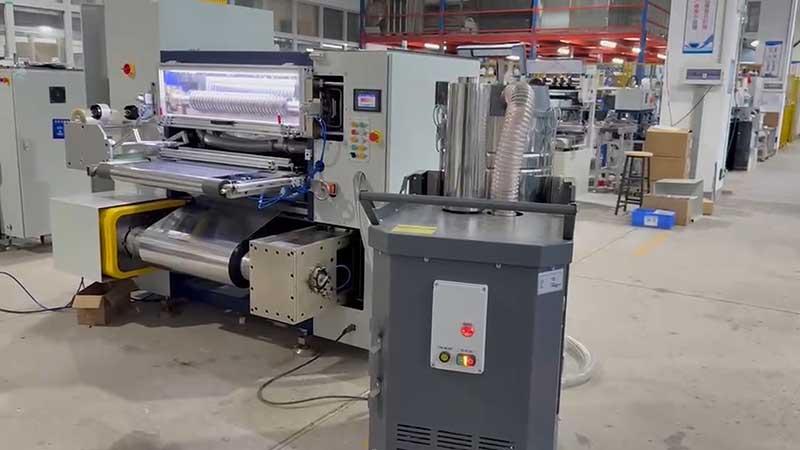
Three parallel efficiency improvement paths
For these loss points, current practical efficiency improvement measures roughly follow three paths: making the blade layout smarter, ensuring continuous recoil changes, and making tension more stable. The combination of these three is the real growth in effective output.
The intelligence of the tool layout process is the most promising area for improving material utilization. The core of the AI tool layout algorithm is not mysterious: after entering the required width combination for the finished product, the system automatically selects all possible tool position arrangements to find the solution with the smallest edge material. Taking a 1500mm wide busbar as an example, manual cutting edge material may have more than 10 millimeters left, but intelligent algorithms can reduce it to within 2 millimeters, pushing material utilization from less than 90% to over 98%. A more advanced system also integrates machine vision—CCD cameras scan the foil in real time, identifying color marks, pattern boundaries, and even coating defects. During slitting, it actively avoids defect locations instead of removing defects into the finished product and then downstream to find and return them. The effectiveness of this combination is clearly reflected in actual data: the average material utilization rate for multi-specification orders increased by four to five percentage points, and the waste rate was reduced from over eight percent to below four percent.
Automatic receiving technology solves the "hard gap" of coil change shutdown. Ultrasonic or hot fusion splicing devices complete the connection between new and old coils without shutting down or with brief slowdowns, reducing the time for a single material change from twenty minutes to about thirty seconds. Actual test data from a packaging company in Zhejiang shows that the average material change time has dropped from an average of 25 minutes to 35 seconds, resulting in an increase of more than 40% in daily output. The improvement in material connection quality also has a chain effect: the joints are flat and firm, making it less likely to break the foil during cutting, reducing secondary downtime caused by joint issues.
Refined tension control guarantees both quality and efficiency. The tension in the three sections of unwinding, slitting, and winding is controlled independently. Each section is fed and adjusted by servo motors combined with floating rollers, keeping tension fluctuations within one percent. For materials highly sensitive to tension, such as transfer foil and laser foil, closed-loop control is especially important—stable tension, reduced wrinkle and tensile deformation, burrs at slitting edges, and improved adaptability for subsequent hot stamping on machines. Meanwhile, static elimination and guide roller cleaning, which are often overlooked in daily maintenance, are actually two hidden causes of foil breakage beyond tension. Ion air bars in front and behind the blade holder, and regularly wiped the roller surface, are inexpensive but can eliminate a considerable amount of random foil breakage.
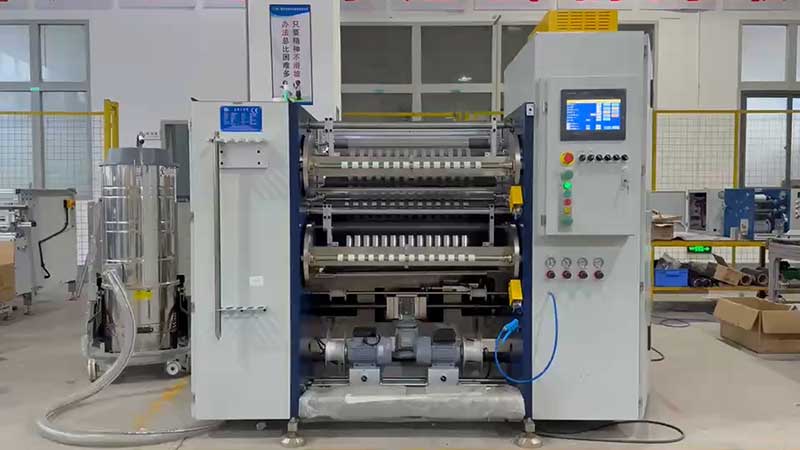
The boundaries of efficiency are not on the blade
A notable fact is that when the shear speed exceeds a certain threshold, the marginal benefit of continuing to push the vehicle speed rapidly diminishes. Increased risk of foil breakage, greater difficulty in tension control, and reduced winding uniformity all consume the extra speed. What truly determines the effective output of a slitting machine is its ability to operate continuously and stably without shutting down, as well as the proportion of each roll of the main roll cut into qualified finished products.
From this perspective, the logic for improving efficiency has changed. In the past, the competition was about blade hardness and motor power; now, the focus is on algorithm placement accuracy, sensor feedback speed, and reliability of feeding operations. A device rated at 500 meters per minute may have foil breaks every half hour and a 20-minute stop after each roll change, its actual effective output may be worse than a machine that runs continuously for eight hours without interruption at 300 meters per minute.
The unit price for hot stamping foil is not low; wasted an inch is profit. Reducing edge material from 8% to 2%, changing winds from 20 minutes to half a minute, and foil breakage from "several times a day" to "several times a week"—these seemingly trivial improvements add up to the real increase in slitting efficiency. For factories that consume millions of foil annually, this is often much more cost-effective than replacing a faster machine.
 English
 Deutsch
 Français
 Español
 Português
 日本語
 русский
 한국어
 عربي
 ภาษาไทย
 Tiếng Việt
 Italiano
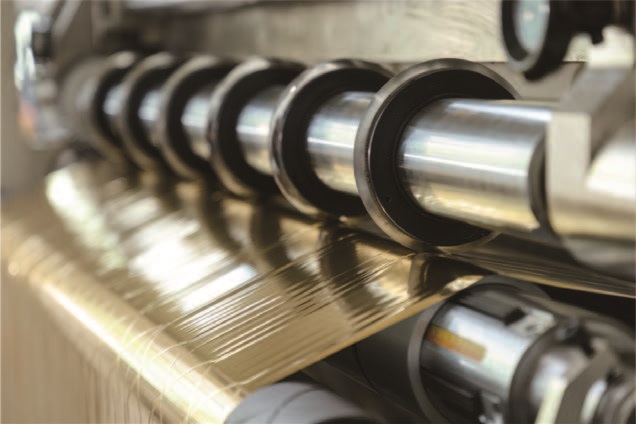
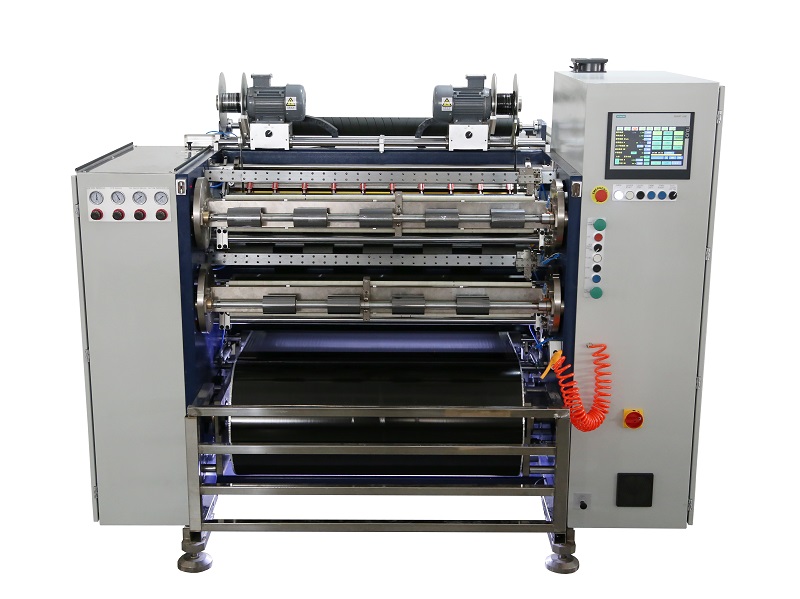 Fully Automatic TTR Slitter RSDS8 Plus
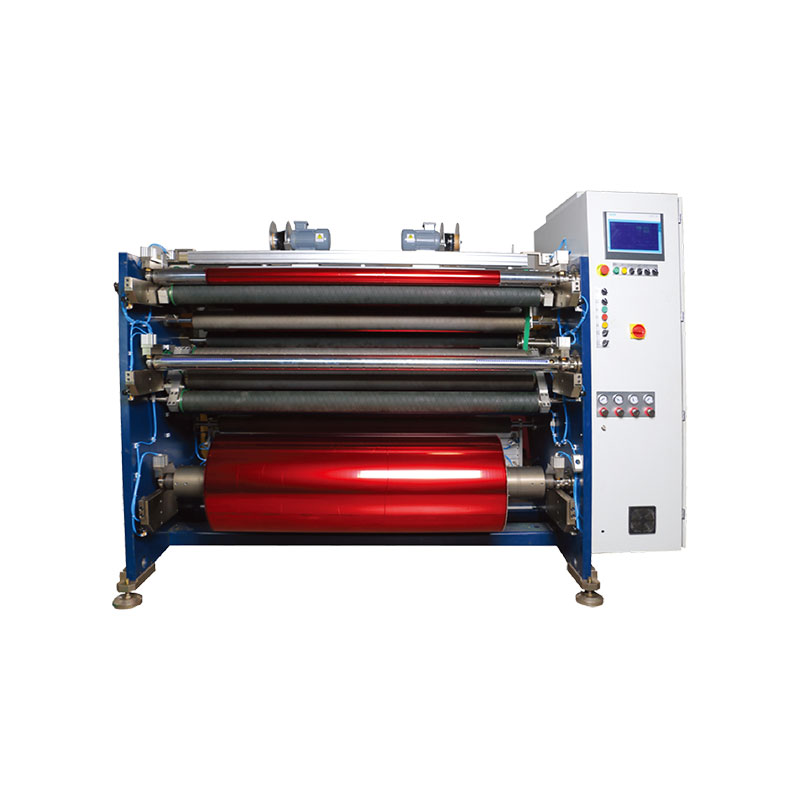 Hot Stamping Foil Slitter 1600mm
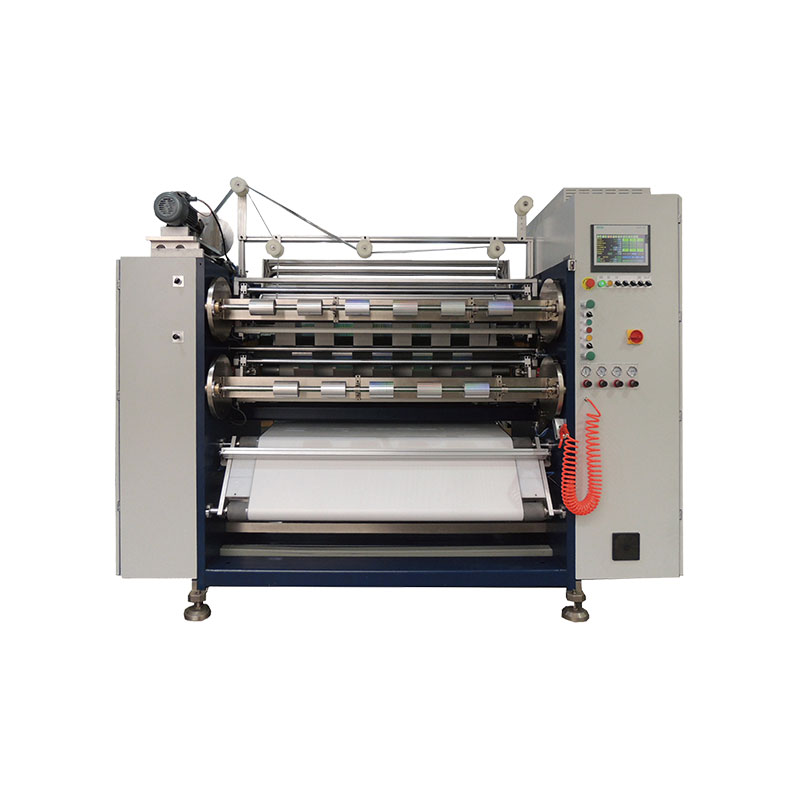 Hot Stamping Foil Slitter (4 Shafts)
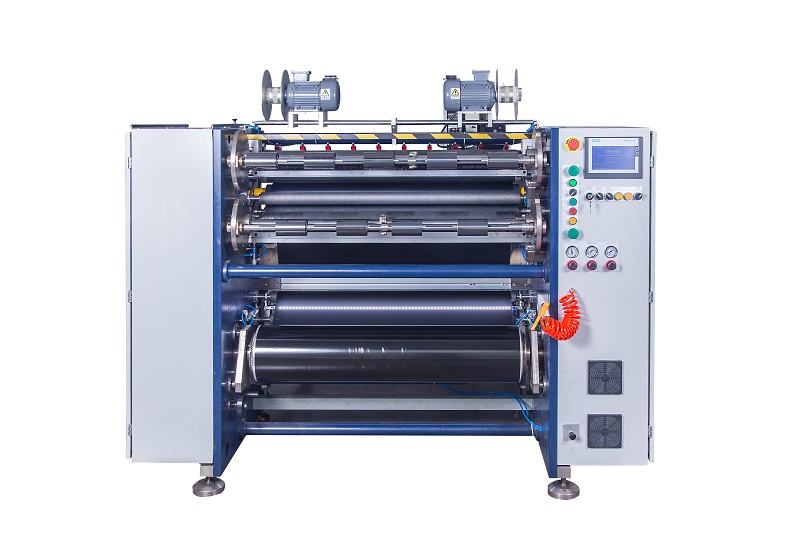 Semi-Auto TTR Slitter RSDS2 Plus
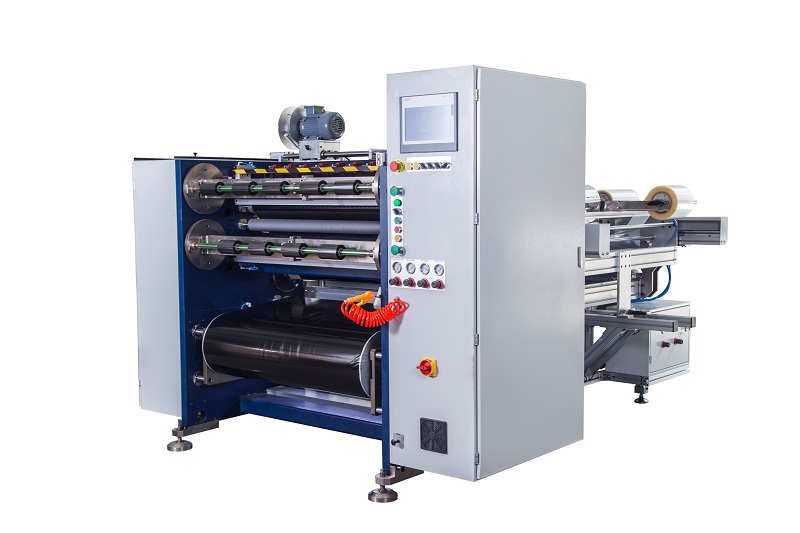 Semi Automatic TTR Slitter RSDS5 Plus
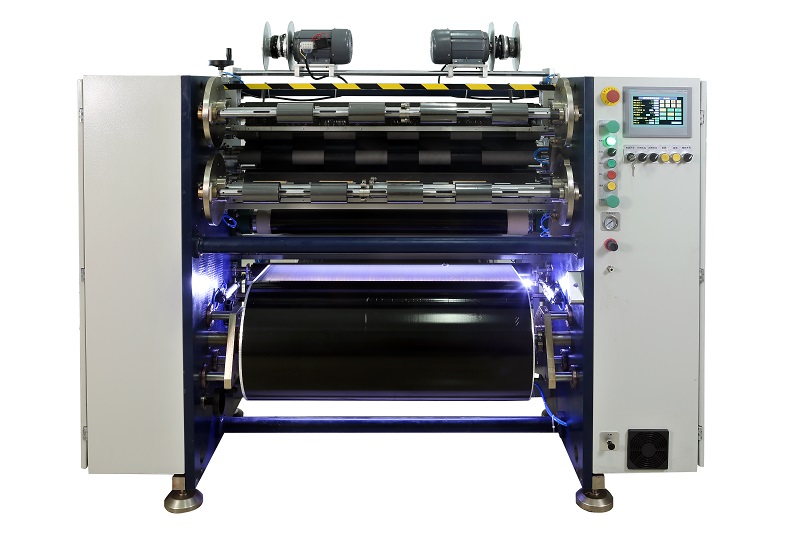 Manual TTR Slitter RSDS2
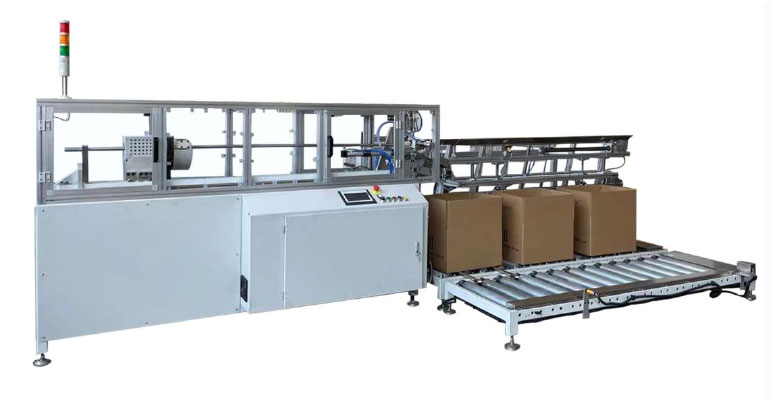 Auto Paper Core Cutter
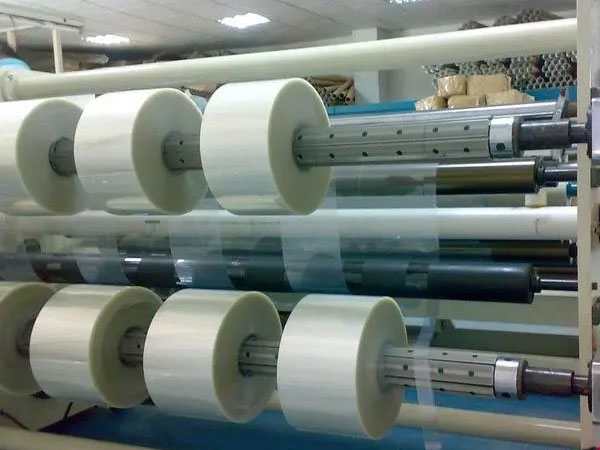 Film Slitting Machine



 +86 135 9951 7291
 support@delishgroup.com
 +86 135 9951 7291
