07. November, 2026delish0
Ribbon slitting and rewinding is a key process in the production of heat transfer consumables, and its efficiency directly determines delivery cycles and cost competitiveness. However, many companies have equipment parameters that are not outdated, yet actual output remains stuck at bottlenecks. The root of the problem often isn't "the machine running fast," but too many ineffective downtime, excessive tension fluctuations, and slow order and roll changes. Starting from the particularities of ribbon materials, this paper focuses on reducing non-operating time, optimizing tension and slitting processes, and upgrading automation and intelligence, proposing a practical efficiency improvement solution.
1. First, recognize the efficiency pitfalls of ribbon slitting
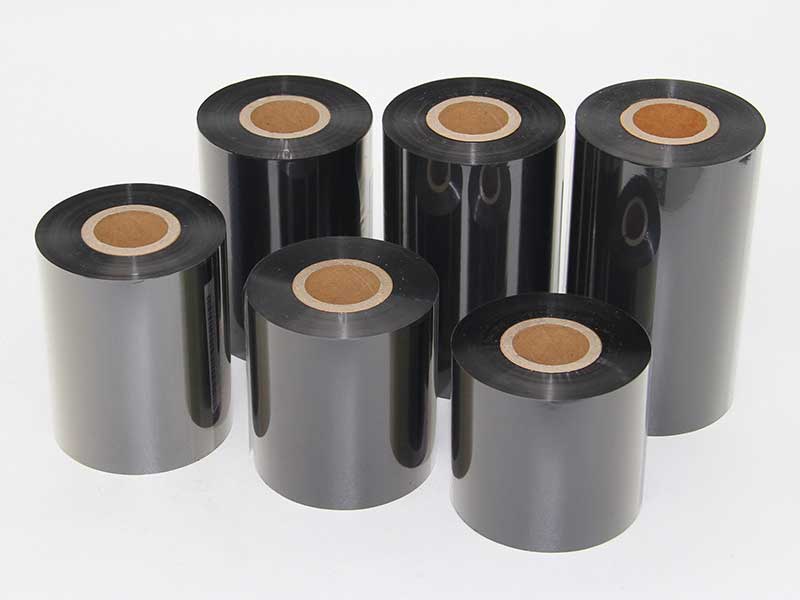
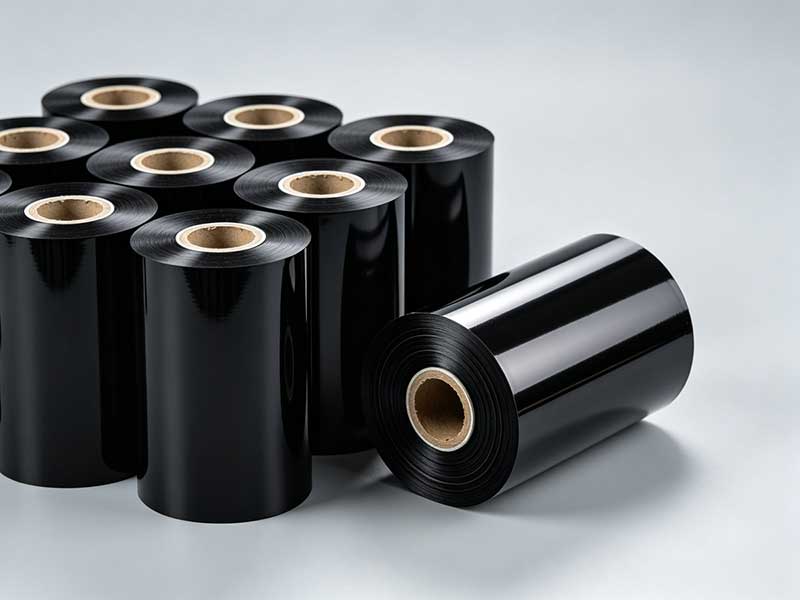
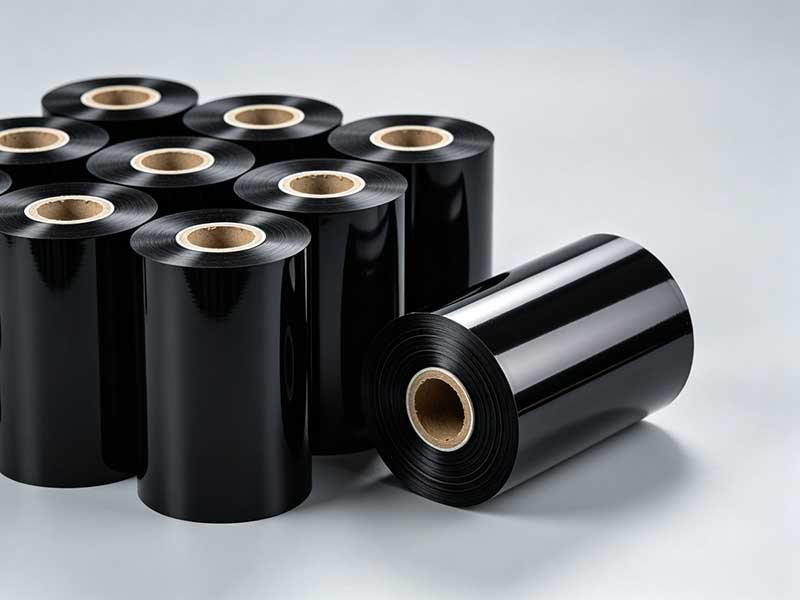
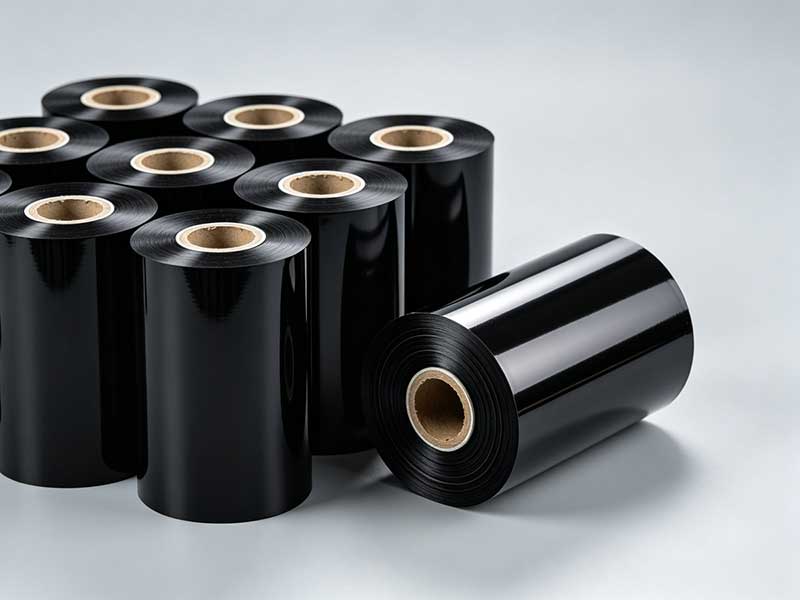
Carbon ribbons are not ordinary films. It consists of a PET substrate, coating, and ink layer, typically only 4.5 to 10 microns thick, and is extremely sensitive to tension. Excessive tension causes the base film to stretch, potentially causing physical damage to the ink layer and causing powder shedding; If the tension is too low, the roll becomes loose and wrinkled, resulting in white lines or indentations during printing. What's more challenging is the inherent contradiction between the speed and precision of ribbon slitting: acceleration often leads to uneven end faces, increased edge burrs, and increased tension fluctuations, while frequent shutdowns to address quality issues actually erode the output gains brought by high speeds.
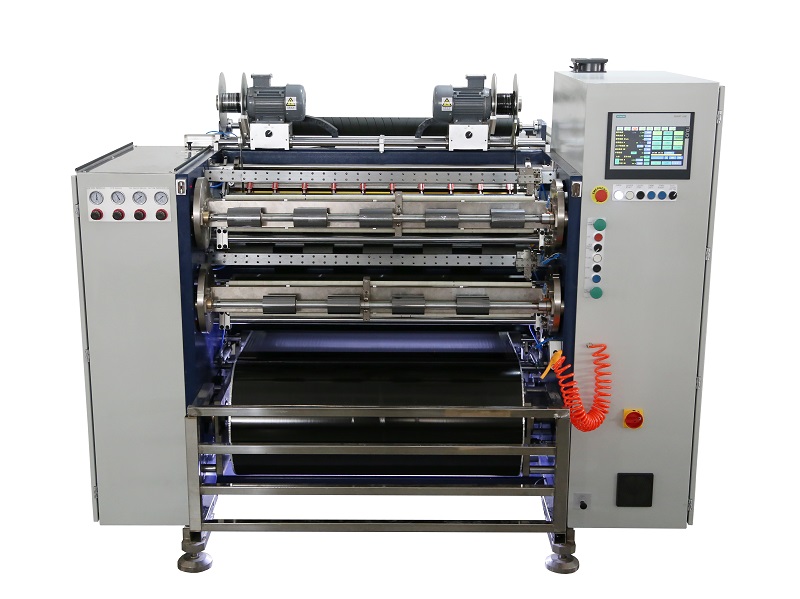
Traditional ribbon slitting machines typically operate at speeds not exceeding 100 to 120 meters per minute, with coil change downtime of about 3 minutes and finished product rates hovering between 85% and 90%. Behind these numbers lies a vast amount of efficiency space to be tapped.
2. Minimize the time spent "stopping."
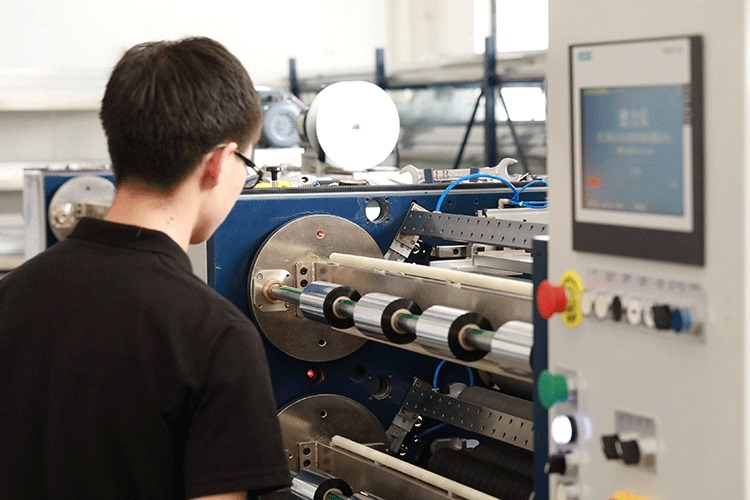
The real efficiency killer of slitting machines is the time the machine doesn't run. Feeding, film penetration, knife adjustment, and uncoiling—each roll accumulates considerable waste. Practice shows that by systematically optimizing auxiliary actions, the support time per roll can be compressed from 8 to 10 minutes to 3 to 4 minutes.
Prefabricated master rolls and rapid film penetration are the most direct methods. The next roll of main roll is lifted in advance to the standby station for seamless switching; Optimized guide roller layout shortens the film penetration bypass path, reducing manual operation steps for each film penetration. The expansion shaft is equipped with an independent air source connector to avoid waiting for the air compressor to boost pressure. Standardizing the inner diameter and length of paper tubes also eliminates the need for repeated adjustment of the shaft.
Automation upgrades during the roll redistribution process are a more thorough solution. Dual-station winding combined with pre-installed paper tubes, servo-driven expansion shaft automatic switching, and changing times can be reduced from minutes to zero standby seconds. For multi-variety, small-batch ribbon slitting scenarios, the rapid tool change system is also crucial: tasks that can be done offline, such as tool sleeve pre-installation and tool distance pre-adjustment, are removed from the equipment's operating period, and order change time can be controlled within 5 minutes.
3. Tension Control: The Balance Between Efficiency and Quality
Tension control in ribbon slitting is not just about "setting a value." The tension requirements for the unwinding, slitting, and rewinding sections are different and need to be dynamically adjusted according to changes in the roll diameter.
The three-stage closed-loop tension is currently a proven effective solution: unwinding uses magnetic particle braking, the slitting area maintains lower tension through floating roll feedback to reduce lateral shrinkage, and the rewinding side uses servo motors to achieve taper decreasing tension. Measured data show that moderately reducing the tension in the slitting zone and gradually decreasing the winding tension as the coil diameter increases, improving the alignment of the winding end from 0.31 mm to 0.14 mm, while allowing for further speed increases without sacrificing accuracy. Depending on the differences between wax-based, mixed, and resin-based ribbons, different tension profiles can be preset, and operators can simply call the formula to reduce trial cutting losses.
Matching this is the response speed of the correction system. The ribbons are thin and prone to deviation, so photoelectric or CCD sensors require anti-shake algorithms to maintain ±-0.1 millimeter correction accuracy even at high speeds. During routine maintenance, cleaning the correction sensor lens is often overlooked, and sluggish correction caused by dust obstruction is a common cause of uneven end faces.
4. Fine adjustment of the slitting process
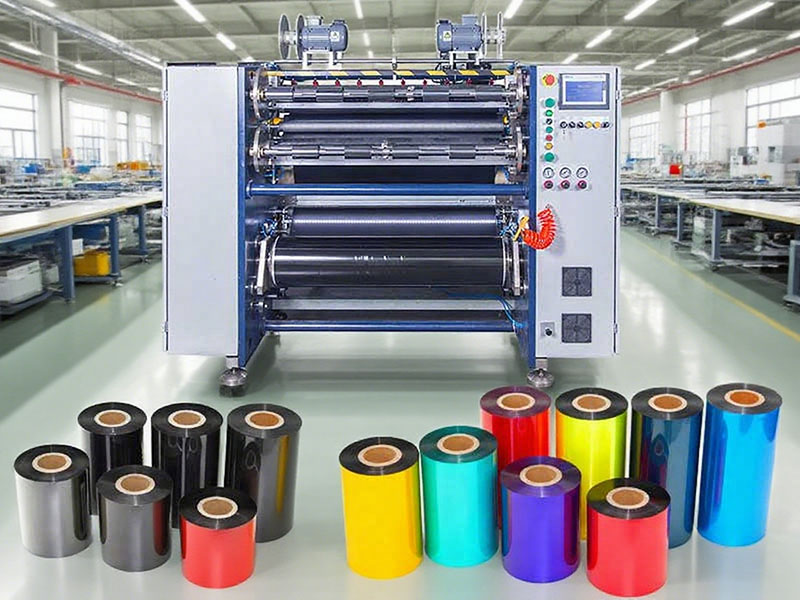
The state of the tool directly determines the continuous operating time. The cutting depth of the circular blade into the main roll is generally controlled at 0.5 to 1 millimeter; too deep can cause burrs or even film breakage, while too shallow will prevent thorough cutting. The tool change interval should be set based on the number of slitting meters rather than the time, for example, replace the round cutter every 100,000 meters, rather than "changing when it feels dull." The blade shaft should be cleaned daily with toner and adhesives to prevent blade jamming.
Speed strategies need to be stepwise rather than one-size-fits-all. Wax-based ribbons have high tolerance for tension and can run faster; Resin-based ribbon coatings are more sensitive, so the speed should be appropriately conservative. Blindly pursuing peak line speed, if accompanied by frequent film breaks and wrinkle downtime, actually reduces effective output. Establishing a process parameter database by material and specification, allowing operators to directly call the optimal formula, is a pragmatic approach to reduce trial cutting waste.
5. Seek incremental growth through automation and intelligence
When optimization at the mechanical and process levels hit a ceiling, upgrading equipment architecture became the breakthrough point for efficiency leaps.
Non-contact slitting technology deserves attention. Laser slitting or air knife solutions avoid frictional contact between the mechanical blade and the ribbon coating, allowing cutting speeds of 300 to 500 meters per minute, while eliminating burr issues caused by blade wear and frequent tool changes. For high value-added resin-based ribbons, this solution offers particularly clear advantages in quality consistency.
Online defect detection and data integration improve efficiency from a management perspective. The AI vision system scans coating uniformity in real time, automatically marking defects such as pinholes and bubbles, preventing mass scrap in downstream printing processes. Slitting data (length, width, batch, tension curve) is automatically uploaded to the MES system, making the production history of each roll of ribbon traceable and accumulating real data for process optimization.
For production lines still using traditional equipment, there is no need to pursue a one-step complete machine replacement. Prioritizing the implementation of quick-change tooling, tension closed-loop renovation, and deviation correction upgrades—the three highest input-output ratios—usually achieve considerable efficiency gains without replacing the main machinery. The essence of efficiency improvement is not making machines spin faster, but making sure the machines produce qualified products while they run.
 English
 Deutsch
 Français
 Español
 Português
 日本語
 русский
 한국어
 عربي
 ภาษาไทย
 Tiếng Việt
 Italiano
 Fully Automatic TTR Slitter RSDS8 Plus
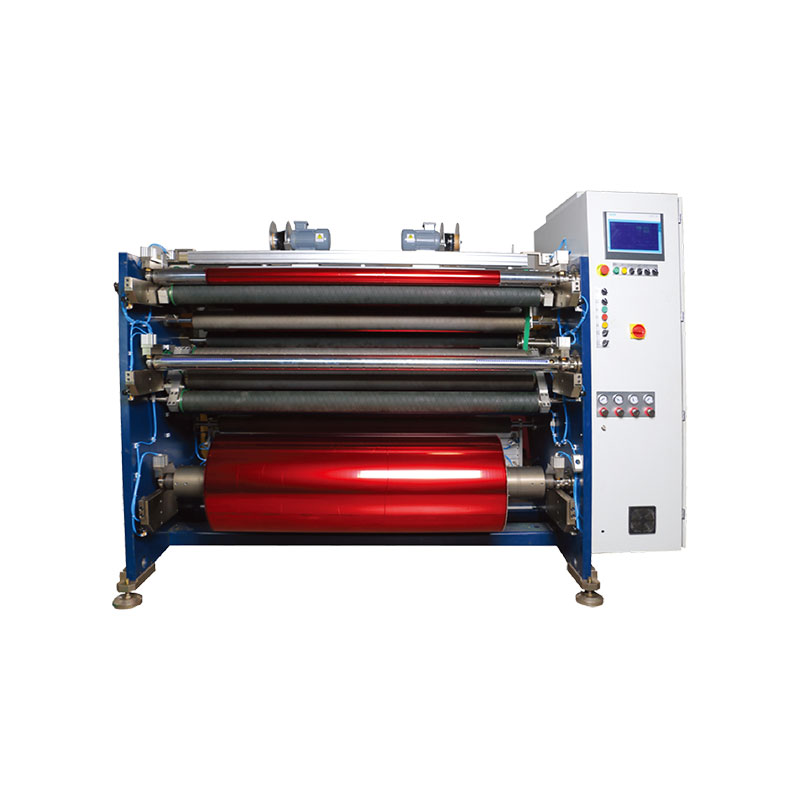 Hot Stamping Foil Slitter 1600mm
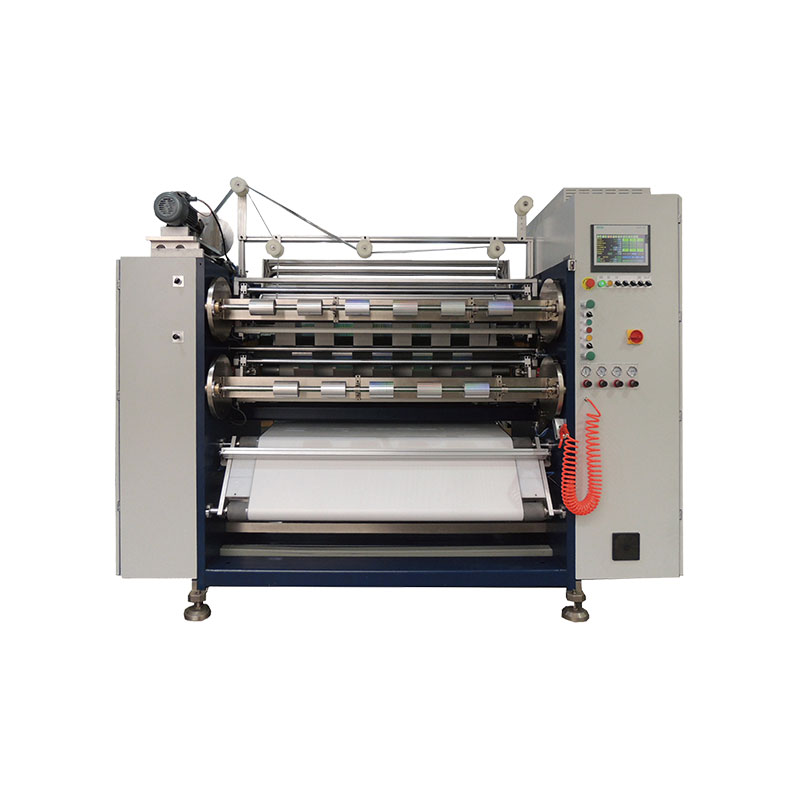 Hot Stamping Foil Slitter (4 Shafts)
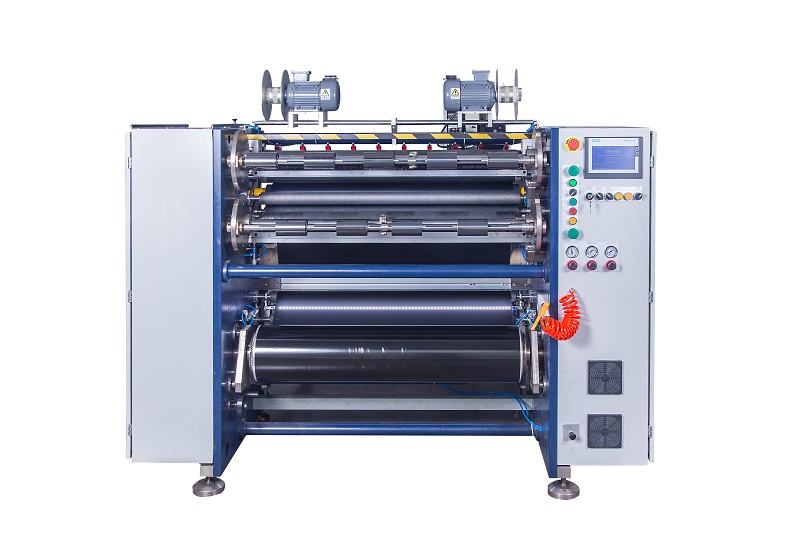 Semi-Auto TTR Slitter RSDS2 Plus
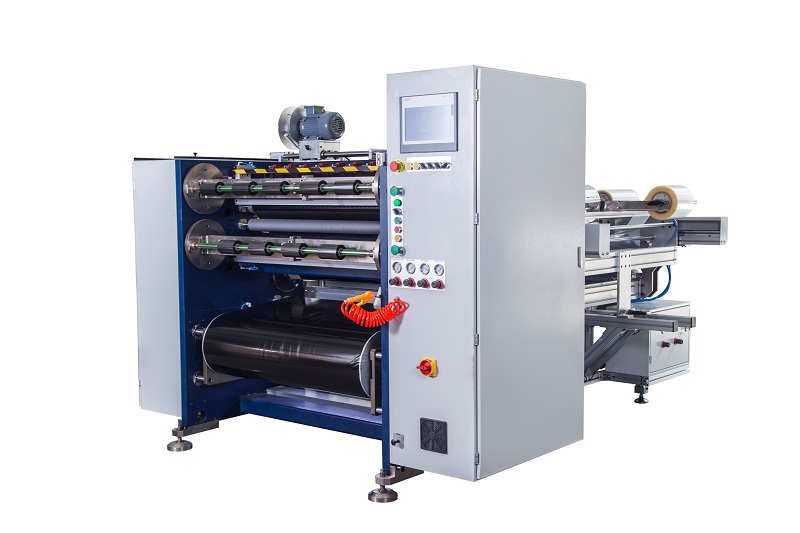 Semi Automatic TTR Slitter RSDS5 Plus
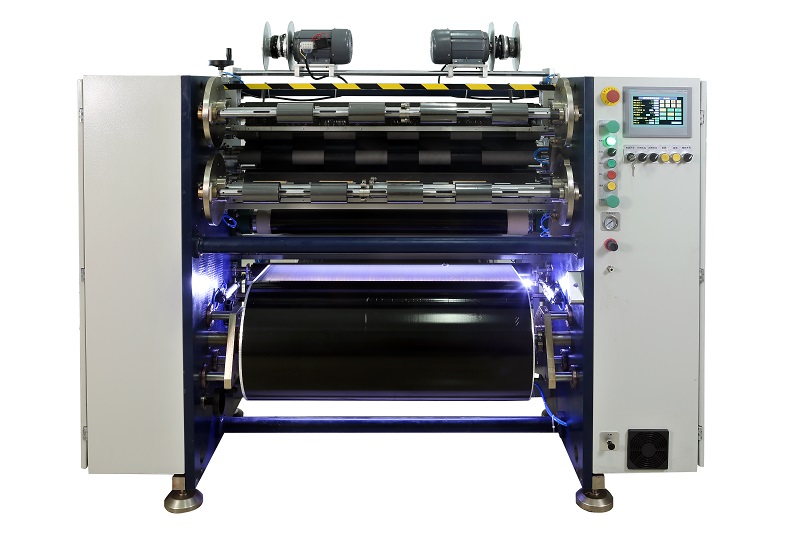 Manual TTR Slitter RSDS2
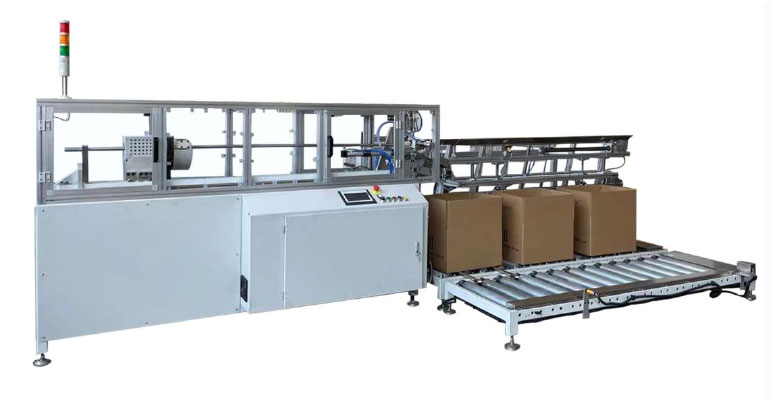 Auto Paper Core Cutter
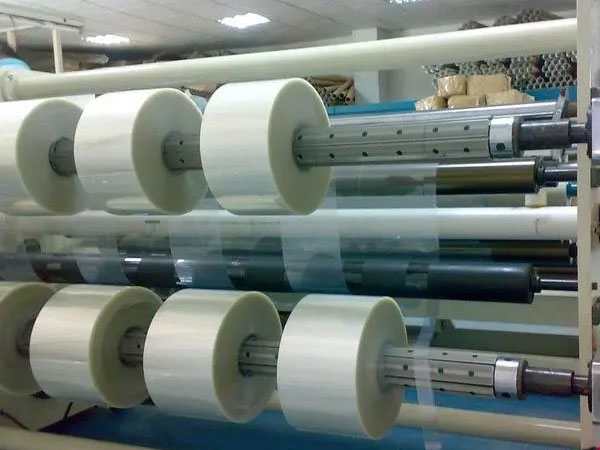 Film Slitting Machine



 +86 135 9951 7291
 support@delishgroup.com
 +86 135 9951 7291
