07. November, 2026delish0
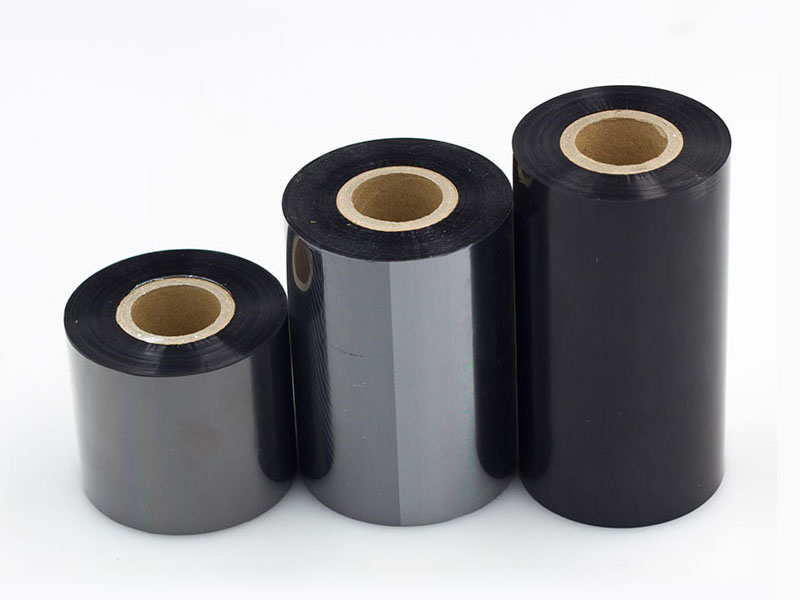
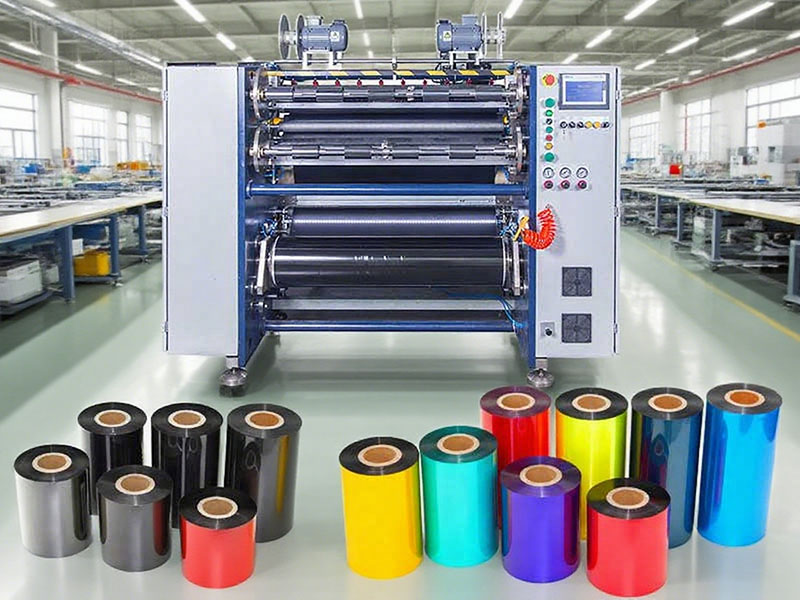
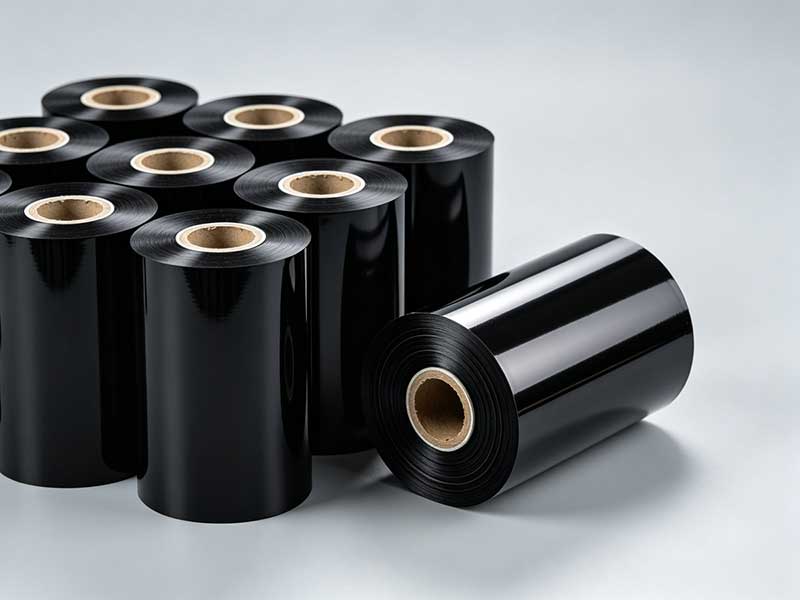
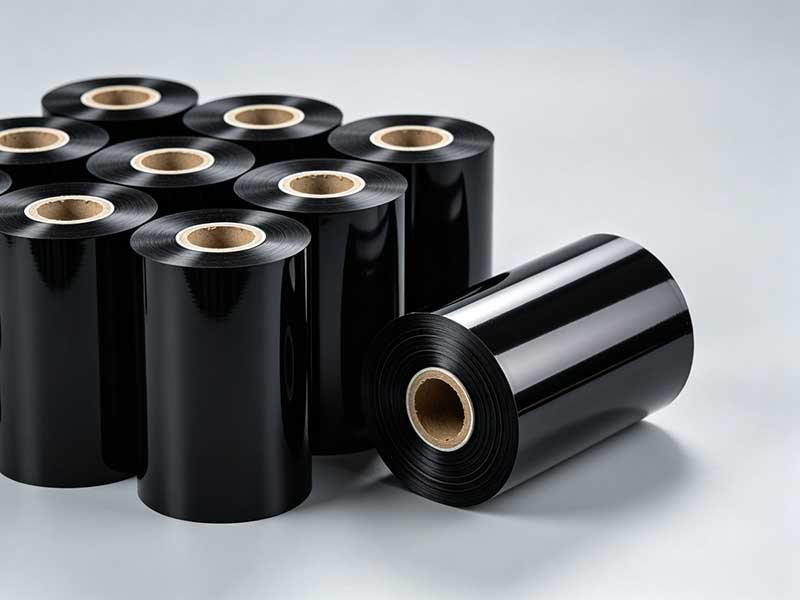
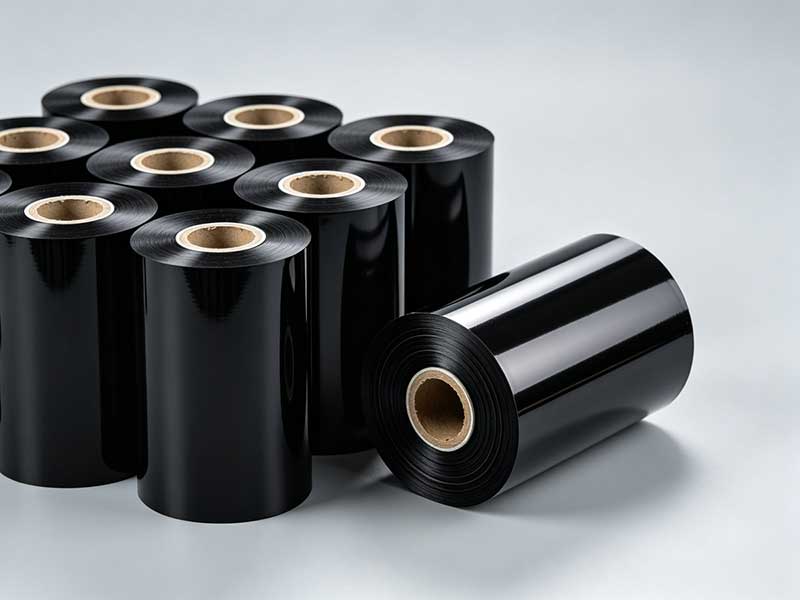
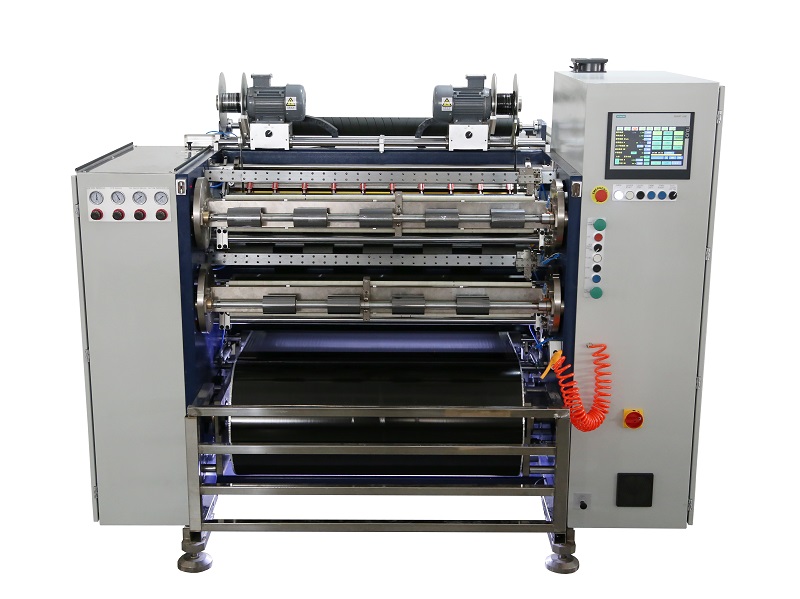
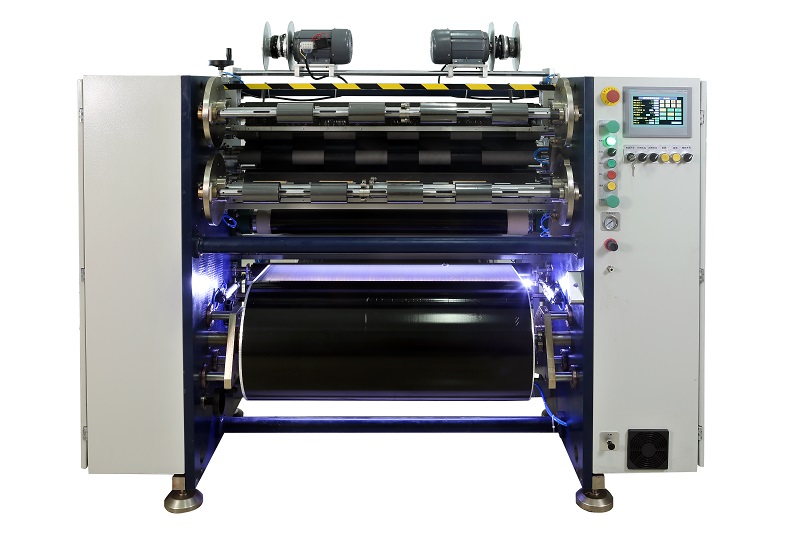
The ribbon slitting and rewinder is a specialized device for slitting wide main roll ribbons into small rolls of specific widths. Its operational core lies in precise tension control and flat slitting end faces. Standardized operating procedures not only ensure personnel safety but are also key to preventing white lines, indentations, and broken ribbon issues during subsequent printing. Below is a summary of the full-process operating standards from startup preparation to finishing based on equipment characteristics and process requirements.
1. Preparation and safety inspection before startup
Pre-operation inspections are the first line of defense against mechanical injuries and quality accidents. Operators must wear gloves and goggles, and ensure the equipment is properly grounded.
Device status confirmation is crucial. Check whether the emergency stop button has been reset, whether the protective covers in the slitting area and transmission parts are intact and closed, and it is strictly forbidden to short-circuit the safety door switch. For tools, check whether the edge of the circular or slitting blades is sharp and free of chips, the blade shaft rotation should be flexible, and the fixing screws must not be loose. If the blade becomes dull, it should be sharpened or replaced promptly to avoid burrs or ribbon debris during slitting.
Materials and cleaning preparations should not be overlooked. Residual rubber powder and dust in the guide rollers, retractor reel, and slot areas must be removed to prevent foreign objects from pressing into the ribbon and causing scrap. Confirm that the model and width of the mother roll to be cut match the work order; the end face of the mother coil should be flat, free of wrinkles, and free of moisture. If the end face of the main roll is severely uneven, pretreatment or replacement is required before feeding; otherwise, the small rolls after slitting are prone to side and side movement.
2. Feeding and film penetration operation
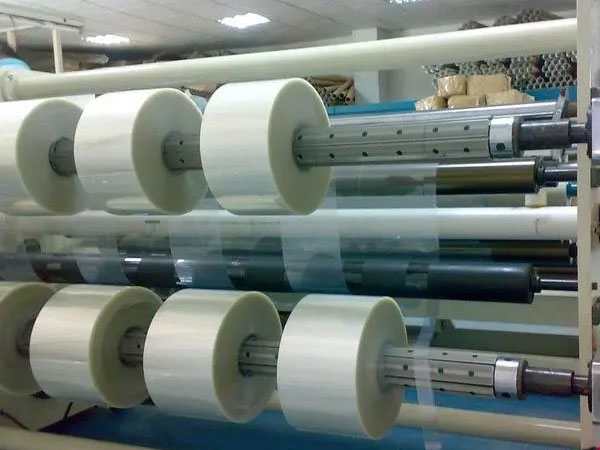
During the feeding stage, the air expansion shaft or auxiliary boom should be used to smoothly load the busbar into the uncoiling base. The air expansion shaft must be properly inflated to ensure the core does not slip during high-speed operation. During film penetration, the film travel route marked by the equipment must be strictly followed: after the ribbon is drawn out from the unwinding reel, it passes sequentially through the tension detection roller, guide roller, and slitting blade group, and finally winds to the rewinding reel. During the film penetration process, the ribbon should be kept flat, without twisting or crossing, and the coating surface of the ribbon should be oriented correctly (usually on the outside or confirmed according to process requirements).
Tension setting is the core step after film penetration. Based on the thickness and width of the ribbon substrate, the winding and rewinding tensions are set through the control system. The basic principle is: thin substrates (such as 4-5μm) should use low tension, while wide products should have appropriate tension increased. Excessive tension can cause tensile damage to the PET base film, leading to powder shedding; If the tension is too low, wrinkles can easily form, causing white lines to appear during printing. For new equipment or new batches of ribbons, it is recommended to fine-tune tension at low speeds to find a critical value that neither band nor loose.
3. Slitting parameter settings and trial cutting
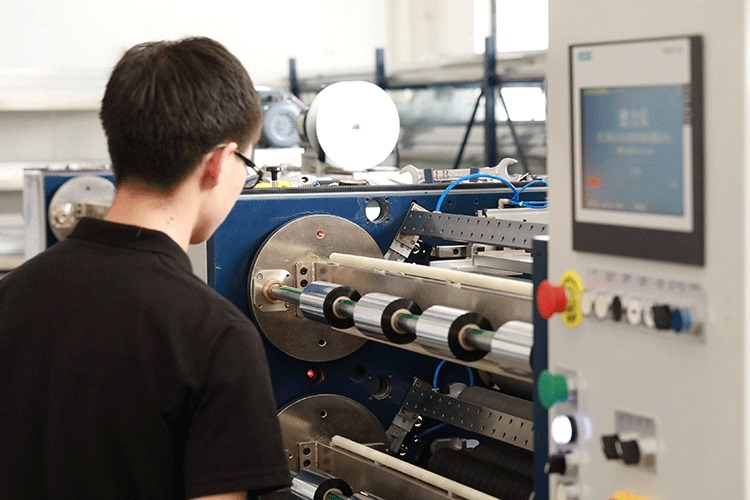
Tool holder positioning must be precisely adjusted according to the work order width. Using calipers, the knife spacing is checked, and the tolerance of high-precision slitting machines is usually controlled within ±0.1mm. When adjusting the tool holder, ensure that all blades have consistent cutting depths to avoid uneven pressure causing some blades to fail or excessively deep indentations in some areas.
Speed settings should follow the principle of "trial cutting at low speed, then gradually increasing speed." It is recommended to set the initial slitting speed at 50-80 m/min. After confirming that the first roll product has a neat end face, no burrs, and no sticking, gradually increase to normal production speed (usually 150-300 m/min, depending on equipment performance). For special coatings or prone to smudging ribbons, appropriate slowing throughout the process helps reduce static electricity and coating damage.
The choice of winding mode should be determined based on the customer's requirements for coil diameter and hardness. If a tight core is required, center winding can be used with an appropriate decreasing tension (taper); If the end face is especially flat, surface coiling combined with pressure rollers is more suitable. Reasonable setting of the winding taper can prevent small rolls from developing "chrysanthemum centers" or warped edges.
4. Operational monitoring and process inspection
After the equipment is started, the first piece confirmation must be executed immediately. Check whether the width of the first roll ribbon is within tolerance ranges, whether the end face flatness meets standards, whether the roll hardness is uniform, and whether there are scratches or impurity marks on the coating surface. If the first piece fails, mass production is strictly prohibited.
Process inspections should be conducted every 15-20 minutes. Pay special attention to the fluctuations in the unwinding tension, the alignment of the winding, and whether there are any debris around the blade group. If you notice the ribbon moving left and right on the guide roller, it usually means the slitting end face is uneven or tension fluctuations and needs to be fine-tuned promptly. During operation, it is strictly forbidden to extend your hands or any part of your body into the slitting blade group and the rewinding roller area. Any adjustments must be made only after the equipment has completely stopped.
When a roll is cut and shaft replacement is needed, use residue-free tape for feeding, keep your hands clean during operation to prevent oil stains from contaminating the ribbon coating. After rewinding, the tension and alignment must be reconfirmed before continuing operation.
5. Shutdown and Discharge and Equipment Resetting
Shutdown must follow the specified sequence: stop winding first, then stop unwinding, and finally turn off the main motor power. It is strictly forbidden to make an emergency stop at high speeds to prevent ribbon breakage due to loose inertia or sudden changes in tension.
During unloading, use special pallets or carts to receive the finished rolls, handle them gently, and avoid bumping the end faces. For special ribbons prone to smudging or poor heat resistance, the direction must be marked and stored away from light. Equipment reset includes cleaning toner residue on the knife groove and guide roller, restoring the tool holder and winding reel to their initial positions, and filling out the "Slitting Machine Operation Record Sheet" to record output, abnormal situations, and tool replacement information.
6. Common abnormalities and immediate response
If the end face after slitting is uneven, first check the blade sharpness and the parallelism of the guide roller, and then confirm whether the winding shaft is properly installed and whether the tension is even. If the ribbon breaks, it is usually due to excessive tension or damage to the main roll itself; the tension should be lowered and the incoming material inspected. Wrinkling during rewinding is usually related to loose tension or insufficient pressure on the rollers; increasing the tension or adjusting the gap between the rollers can be appropriately increased. For minor face imbalances, correction can be made by adjusting the rewinder limiter; Seriously uneven finished rolls should be downgraded or scrapped, and must not flow into the next process.
The standardized operating procedure essentially involves continuous control of three variables: tension, speed, and tool condition. Operators need to understand that the consistency of each roll of slitted product will ultimately be verified along the label printer's tape path. Cultivating habits of always inspecting the first item, recording every patrol, and clearing every shutdown can transform equipment performance into stable product quality.
 English
 Deutsch
 Français
 Español
 Português
 日本語
 русский
 한국어
 عربي
 ภาษาไทย
 Tiếng Việt
 Italiano
 Fully Automatic TTR Slitter RSDS8 Plus
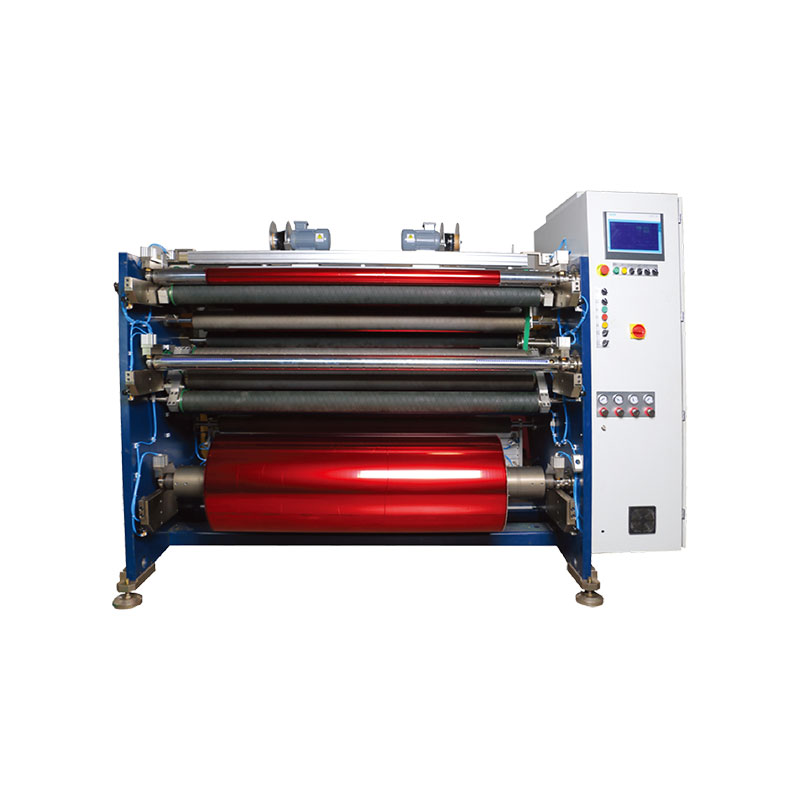 Hot Stamping Foil Slitter 1600mm
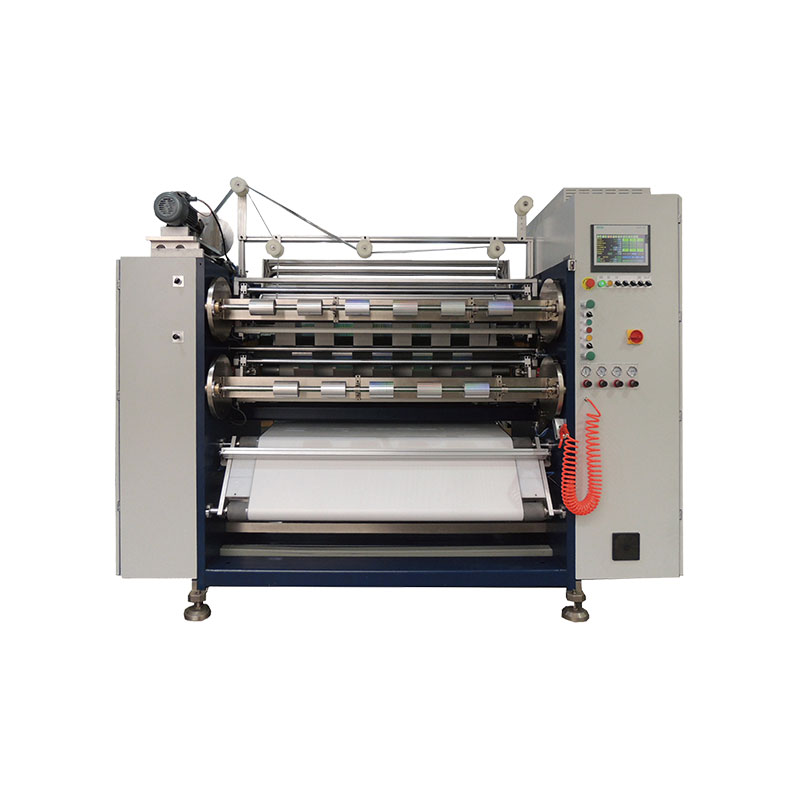 Hot Stamping Foil Slitter (4 Shafts)
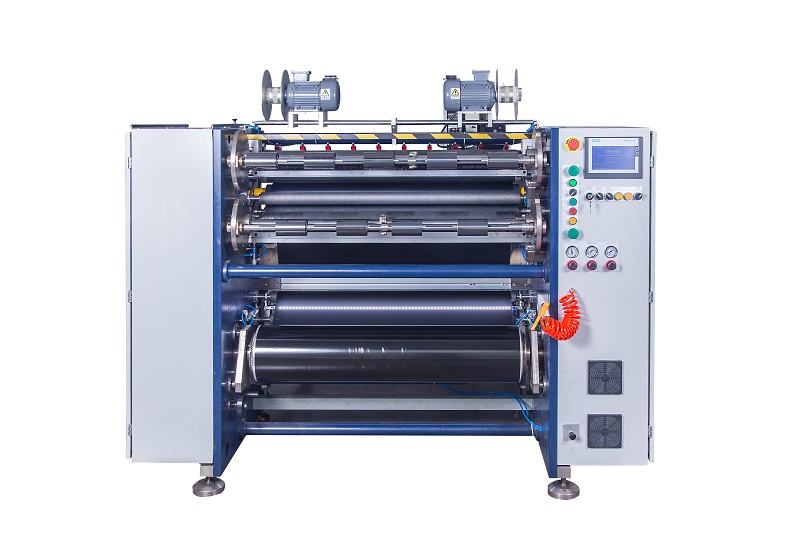 Semi-Auto TTR Slitter RSDS2 Plus
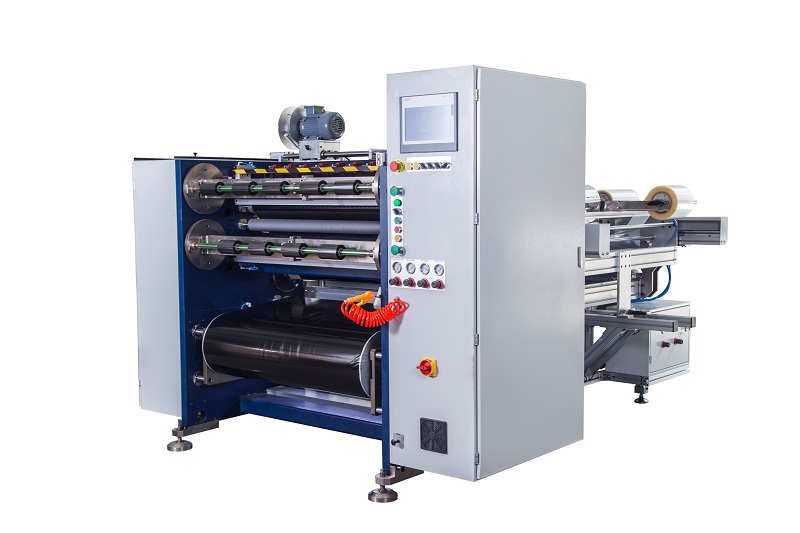 Semi Automatic TTR Slitter RSDS5 Plus
 Manual TTR Slitter RSDS2
 Auto Paper Core Cutter
 Film Slitting Machine



 +86 135 9951 7291
 support@delishgroup.com
 +86 135 9951 7291
