04. August, 2025delish0
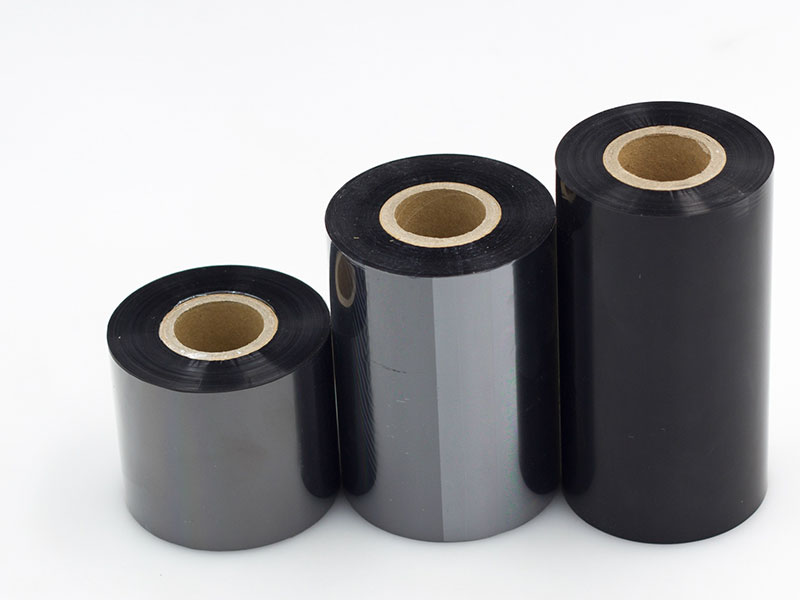
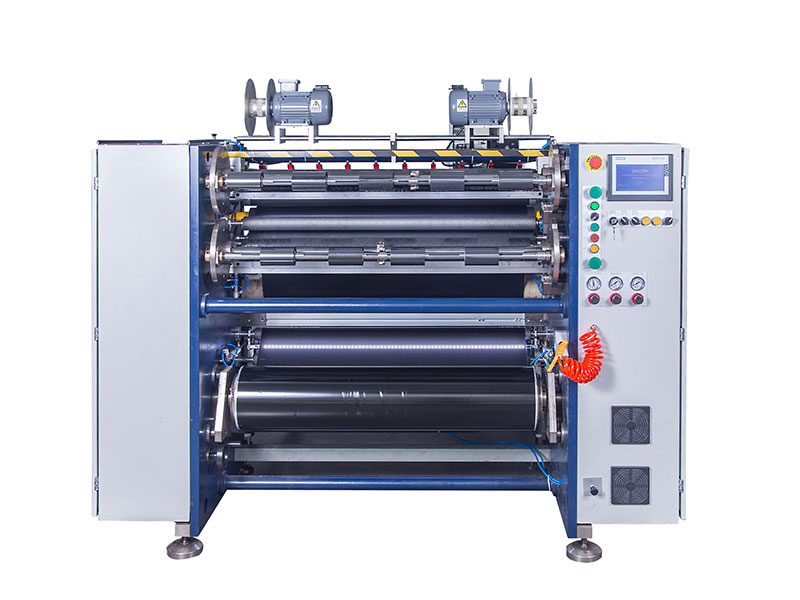
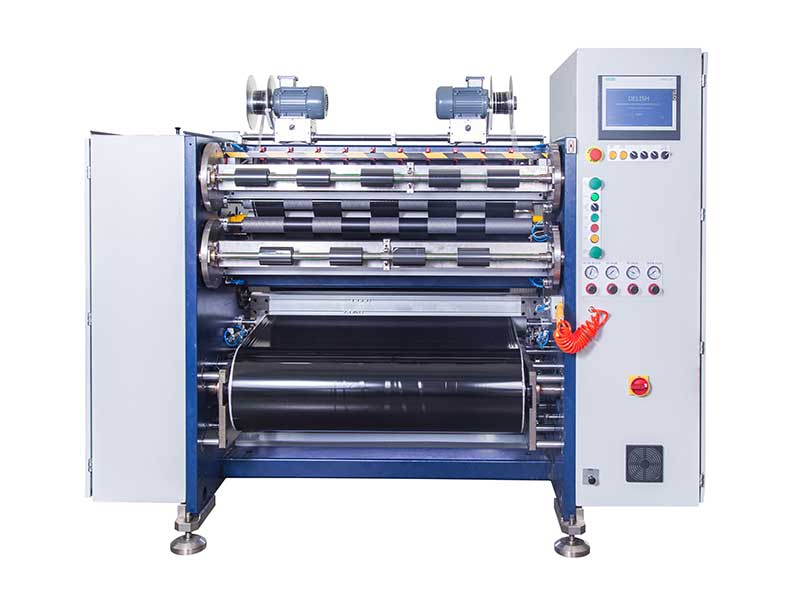
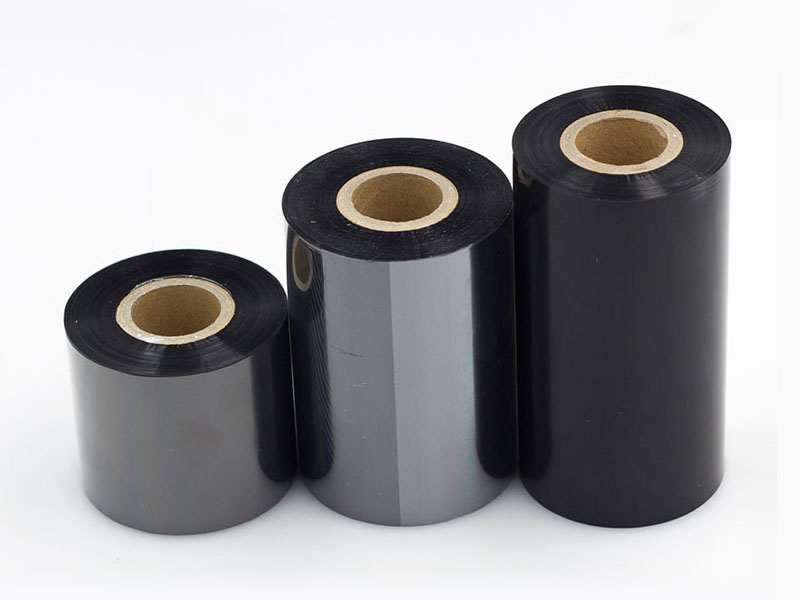
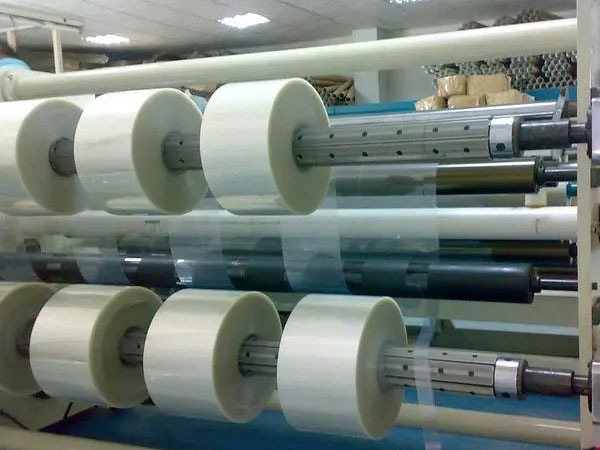
The ribbon slitting machine achieves 0.1mm high-precision slitting and ensures print quality, mainly relying on precision mechanical design, intelligent control system and strict process management. Here are the key techniques and measures:
1. High-precision mechanical structure
• Precision slitting knife system
Cemented carbide or diamond tools are used with a highly rigid spindle to ensure a flat and burr-free cutting edge. The dynamic balance design reduces vibration and avoids material deformation during slitting.
• Tension control system
Closed-loop tension control (e.g., magnetic powder brake + sensor) keeps the ribbon tension constant (typically ± 0.1N) during slitting and prevents material stretching or wrinkling.
• Guiding Device (EPC)
Infrared or ultrasonic sensors monitor the edge position of the ribbon in real time and automatically adjust the lateral offset of the coil (accuracy ± 0.05mm) to ensure the straightness of the slitting.
2. Intelligent control technology
• Servo drive system
High-resolution encoder (such as above 17 bits) with servo motor to control the slitting length error ≤± 0.05mm.
• Visual inspection system
The industrial camera detects the slitting width (such as CCD measurement) online, adjusts the tool position with real-time feedback, and adapts to different specifications (such as 6mm, 12mm, etc.) narrow ribbons.
• Temperature management
Constant temperature control in the slitting area (±1°C) reduces the influence of thermal expansion and contraction on material size.
3. Material and process optimization
• Ribbon substrate treatment
Static elimination (such as ion air rods) is carried out before slitting to prevent the film from absorbing dust; The coated ribbon needs to control the slitting speed (usually 20-50m/min) to avoid coating peeling.
• Dust-free environment
Clean workshops (ISO Class 8 and above) reduce particle contamination and avoid white spots or broken wires during printing.
• Optimization of cutting edge angle parameters
The tool angle is typically 20°-30°, adjusting the pressure according to the ribbon thickness (commonly 4.5-12μm) to ensure a smooth section.
4. Quality verification system
• Online testing
The laser diameter meter monitors the slitting width in real time and automatically alarms for over-deviation. Sampling for 3D microscopy of edge burrs (≤ 5 μm required).
• Print test
After slitting, the ribbon needs to be verified by a high-speed printer (such as 300mm/s) to ensure that there is no blurring or skipping (resolution ≥ 300dpi).
• Industry standard compliance
Compliant with ASTM F1628 (ribbon adhesion test) and ISO 9001 quality management system.
Practical application cases
An industrial-grade ribbon slitting machine uses a linear guide rail (repeat positioning accuracy ±0.005mm) + laser tool setting system to control the slitting tolerance within ±0.03mm, so that the PCS value (printing contrast) of the printed barcode can be stable to A level (≥0.9).
Through the integration of these technologies, the 0.1mm slitting accuracy not only meets the printing needs of high-density barcodes (such as QR Codes) but also reduces ribbon waste (slitting waste rate <0.5%).
 English
 Deutsch
 Français
 Español
 Português
 日本語
日本語 русский
 한국어
한국어 عربي
عربي ภาษาไทย
 Tiếng Việt
 Italiano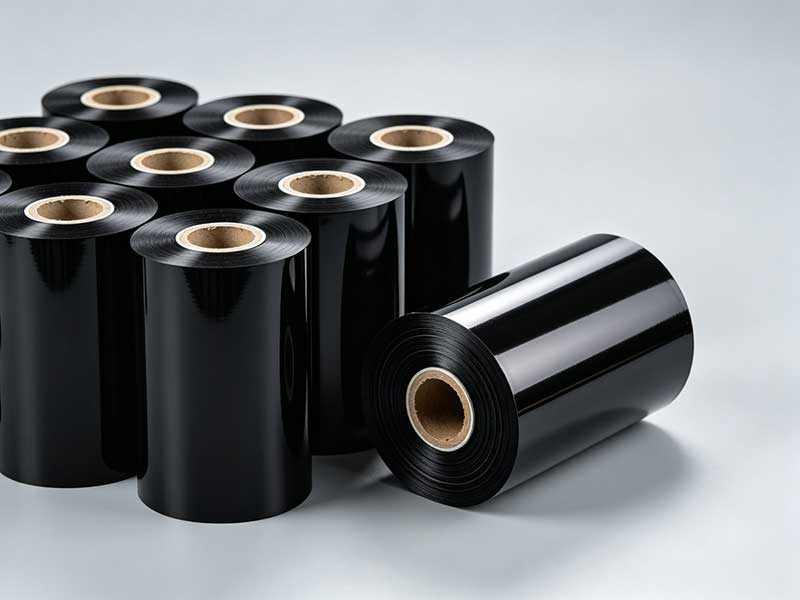

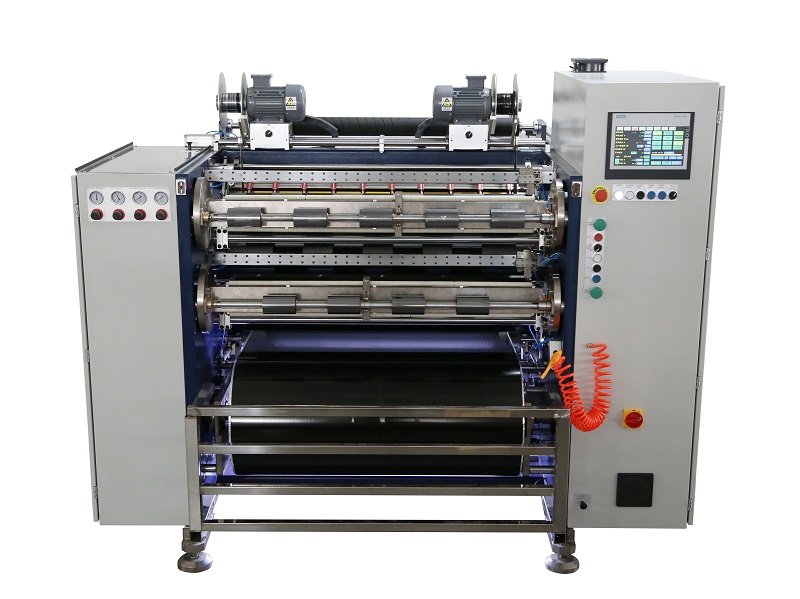 Fully Automatic TTR Slitter RSDS8 Plus
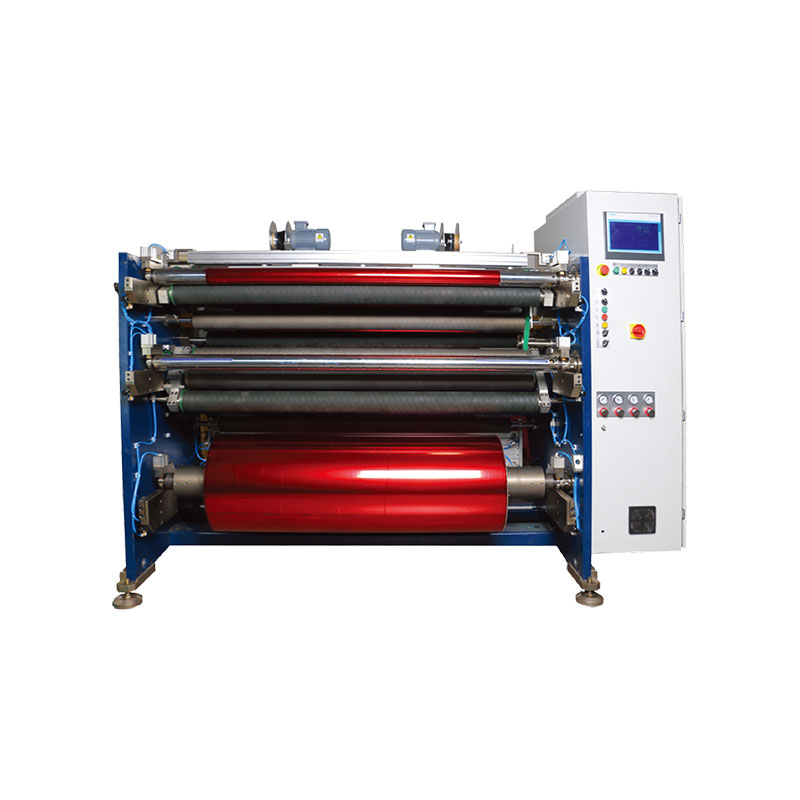 Hot Stamping Foil Slitter 1600mm
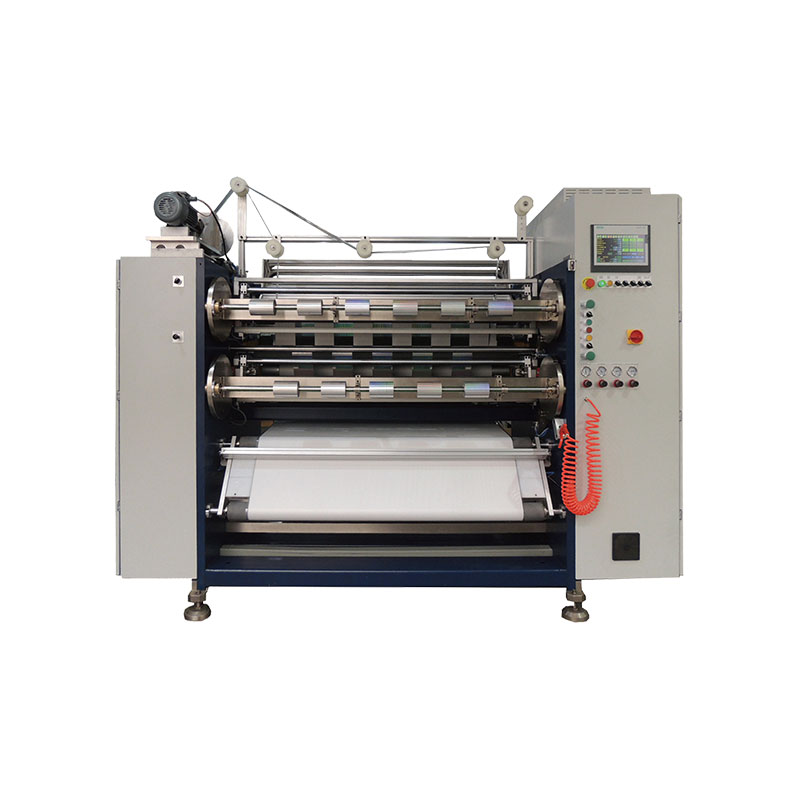 Hot Stamping Foil Slitter (4 Shafts)
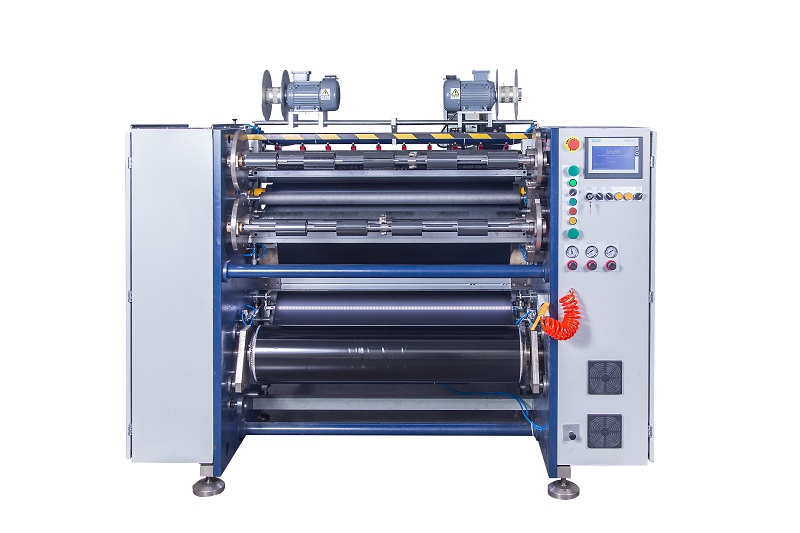 Semi-Auto TTR Slitter RSDS2 Plus
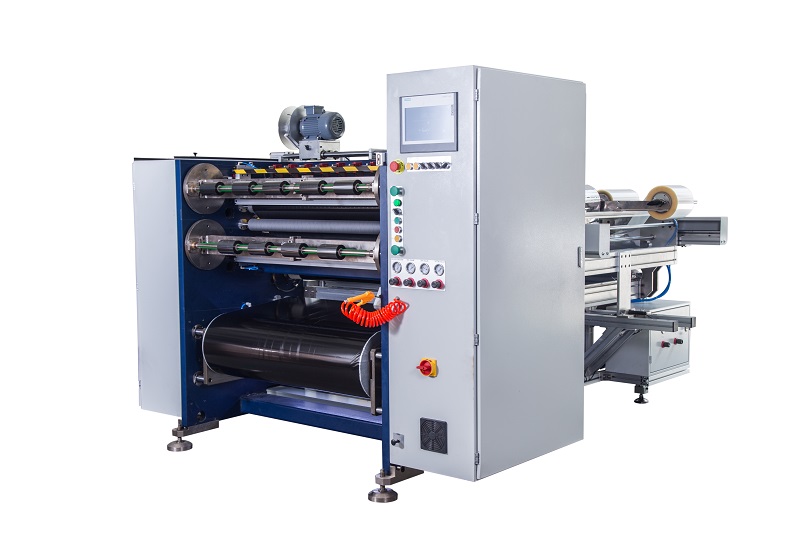 Semi Automatic TTR Slitter RSDS5 Plus
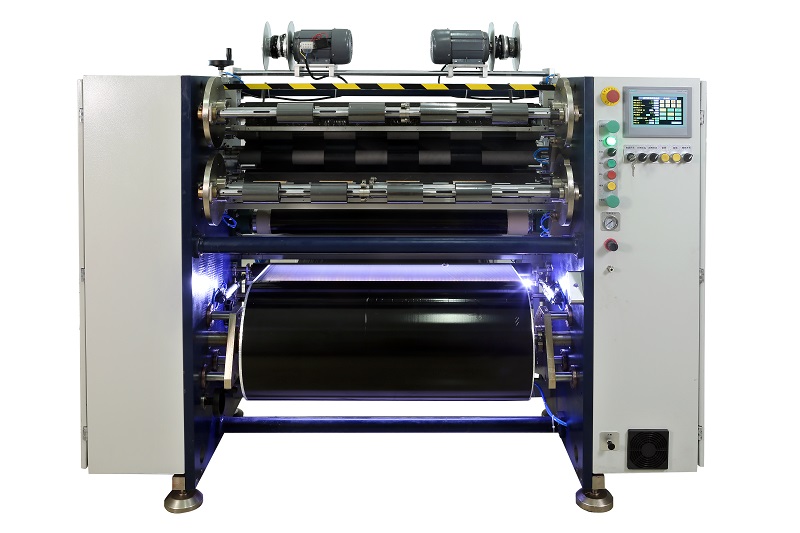 Manual TTR Slitter RSDS2
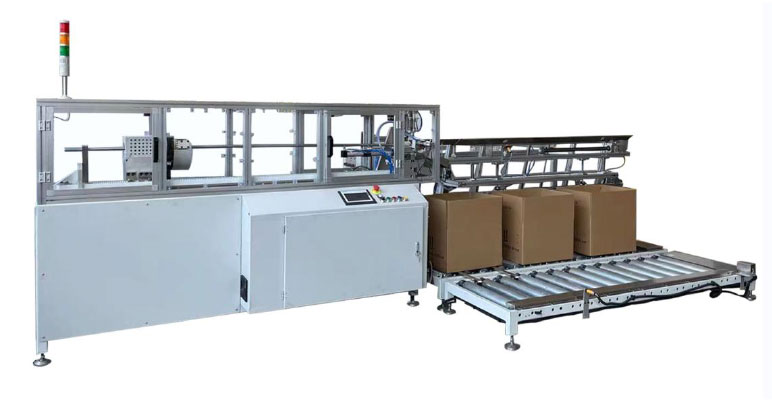 Auto Paper Core Cutter
 Film Slitting Machine



 +86 135 9951 7291
 support@delishgroup.com
 +86 135 9951 7291