19. March, 2026delish0
In today's rapidly evolving barcode printing, label printing, and thermal transfer technology, ribbon, as a core consumable, directly determines the clarity and adhesion of the final product. However, at the back-end of ribbon production, the slitting link, many companies have been plagued by the same nightmare for a long time: burrs at the slitting edges, wrinkles caused by uneven tension, and scrapping caused by uneven winding.
While the industry was still struggling with a 5% scrap rate, a manufacturer delivered a surprising answer: a 30% drop in scrap rate. Behind this, it's not magic, it's a ribbon slitting machine that redefines precision.
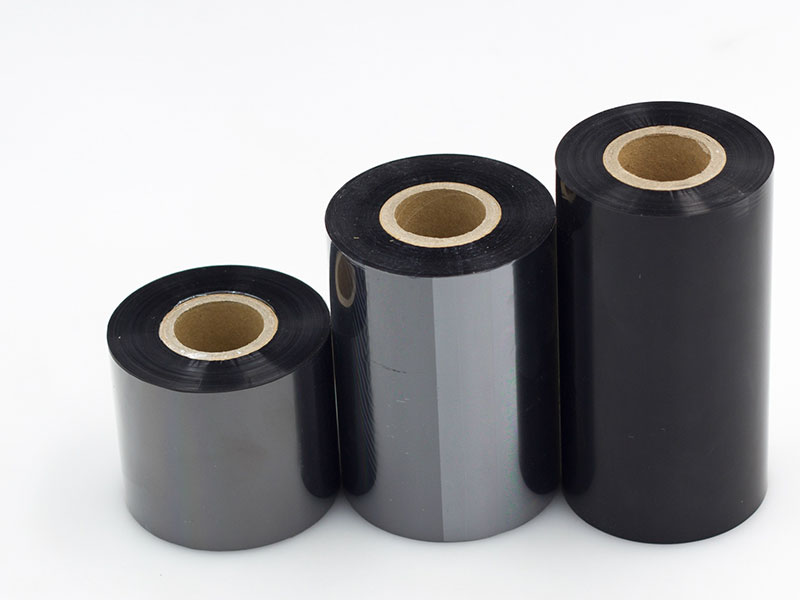
Pain point: profits swallowed up by a "millimeter" difference
In the traditional slitting process, ribbon, as a multi-layer composite film material (usually composed of a base film, coating and ink layer), has high requirements for slitting equipment.
• Loss of tension: If you are not careful, the ribbon will be stretched and deformed, causing the ribbon to break or the coating to peel off during printing.
• Uneven end faces: Uneven winding not only affects the aesthetics, but also leads to the inability to carry out subsequent rewinding, and the entire roll is scrapped.
• Dust contamination: Dust from slitting knife wear falls on the ribbon coating, directly leading to printhead wear.
These seemingly small defects often keep the comprehensive scrap rate of enterprises high. Every time it is scrapped, it is not only a few meters of ribbon that is cut off, but also a real net profit.
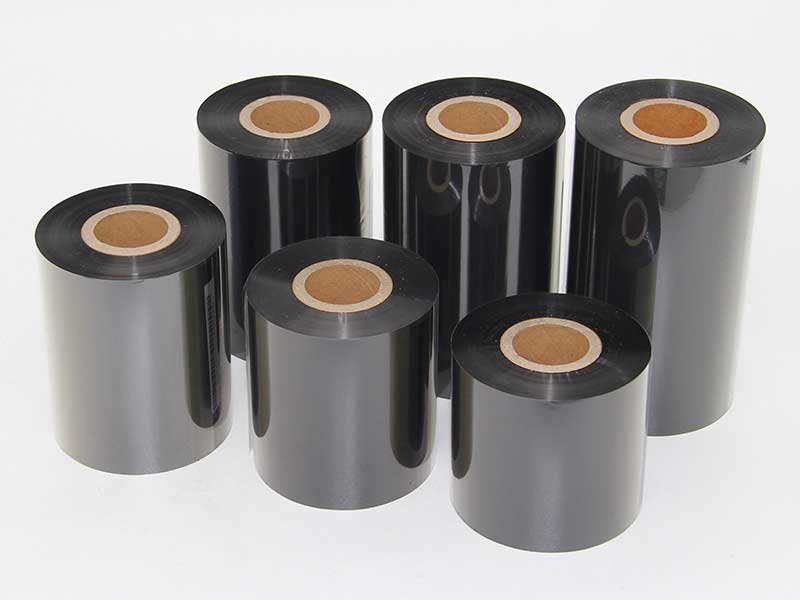
Breaking the game: from "experience-driven" to "digital precision control"
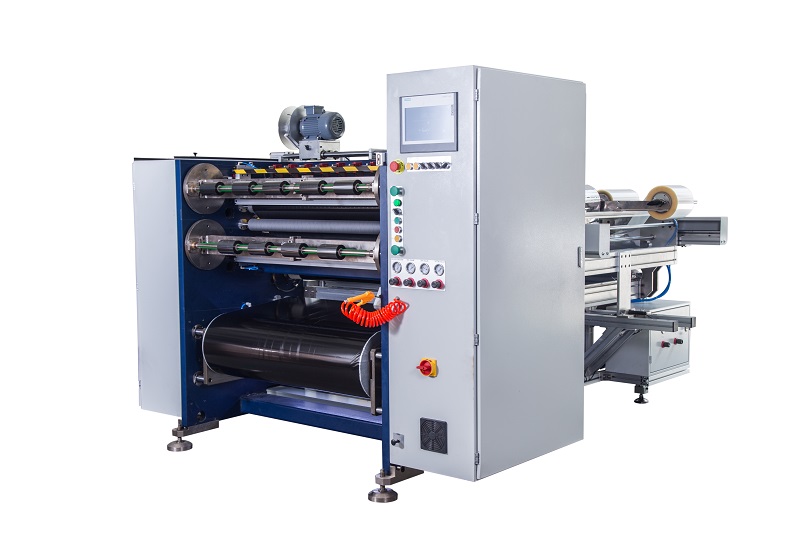
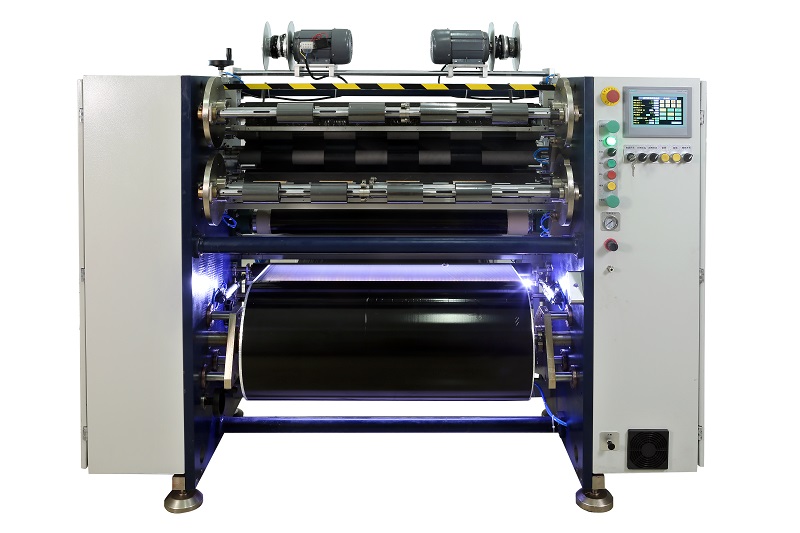
This new ribbon slitting machine, which has sparked heated discussions in the industry, was born to solve these pain points. It is not a simple mechanical upgrade, but a precision revolution from "human rule" to "numerical control".
1. Closed-loop tension control system: put "protective armor" on the ribbon
The biggest difficulty in ribbon slitting is that it is "afraid of pulling and loosening". The equipment is equipped with a high-response vector frequency conversion motor and a fully closed-loop tension sensor. Whether it is in the start-up, operation, or deceleration and shutdown stages, the system can adjust the tension in real time at a speed of milliseconds. This "rigid and flexible" control method completely eliminates the tensile deformation or wrinkling of the ribbon caused by acceleration and deceleration, and ensures that the coating structure as thin as a cicada's wing is intact.
2. Super mirror slip shaft technology: say goodbye to "chrysanthemum heart" and "uneven end face"
In response to the stubborn problem of uneven winding end faces, the equipment adopts precision-machined ultra-mirror aluminum wheels and intelligent slip shaft technology. By accurately calculating the difference in the winding tension of each slitting strip, independent slip adjustment is realized, and the tightness of winding is consistent between large and small roll diameters. The slitted ribbon end face is as flat as a mirror, and even extremely narrow slitting can achieve the neatness of the art level.
3. Carbide circular knife + fine adjustment mechanism: 0.1mm ultimate pursuit
The slitting tool is the key to determining the quality of the edges. The equipment is equipped with imported cemented carbide circular knives as standard, with high-precision tool holders and axial radial fine-tuning devices. The precise control of the cutting angle of the blade makes the slitting edge smooth and burr-free, greatly reducing the risk of print head damage caused by edge dust. This not only reduces the scrap rate, but also extends the printhead life for downstream customers, achieving a win-win situation.

Results: The "butterfly effect" behind 30%
When these technological innovations come together, miracles happen. According to the feedback of a number of label ribbon slitting plants that have been put into production, the proportion of scrap products originally caused by wrinkles, uneven end faces, and burrs has dropped significantly in the mass production process.
What does a 30% scrap rate mean?
• Direct Costs: Save tons of waste on substrates per month, which directly translates into net profit.
• Increased capacity: reduced time for downtime to handle scrap and rewinding, resulting in an approximately 20% increase in overall equipment effectiveness (OEE).
• Market reputation: More stable supply quality significantly reduces the complaint rate of downstream label printing enterprises and enhances order stickiness.
Epilogue
"Scrap rate drops by 30%" is not an empty slogan, but a spark from the collision of precision mechanical design and in-depth industry understanding. The success of this ribbon slitting machine not only proves the deep cultivation ability of China Intelligent Manufacturing in the field of segmentation, but also provides a new solution for reducing costs and increasing efficiency in the entire heat transfer printing industry chain.
In today's increasingly transparent profits, whoever can lock every millimeter of precision in the back-end slitting link will win the final victory in the fierce market competition.
 English
 Deutsch
 Français
 Español
 Português
 日本語
日本語 русский
 한국어
한국어 عربي
عربي ภาษาไทย
 Tiếng Việt
 Italiano
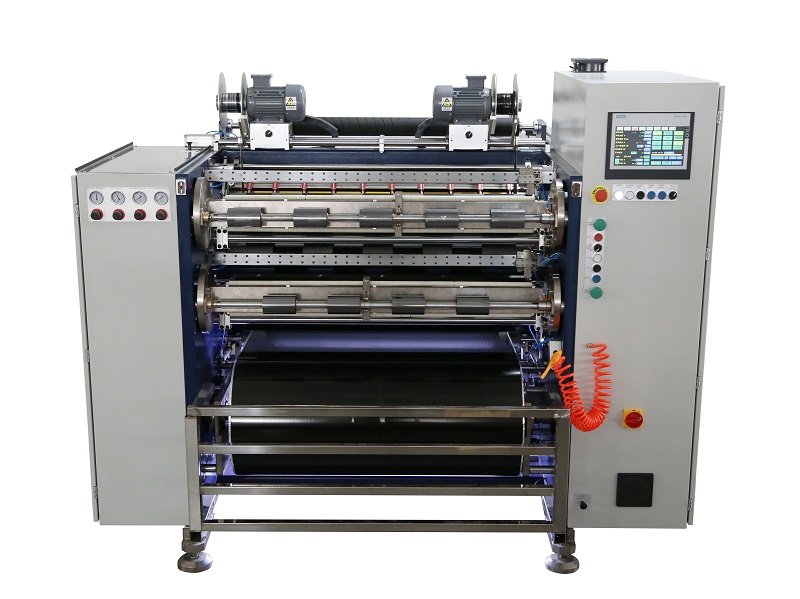 Fully Automatic TTR Slitter RSDS8 Plus
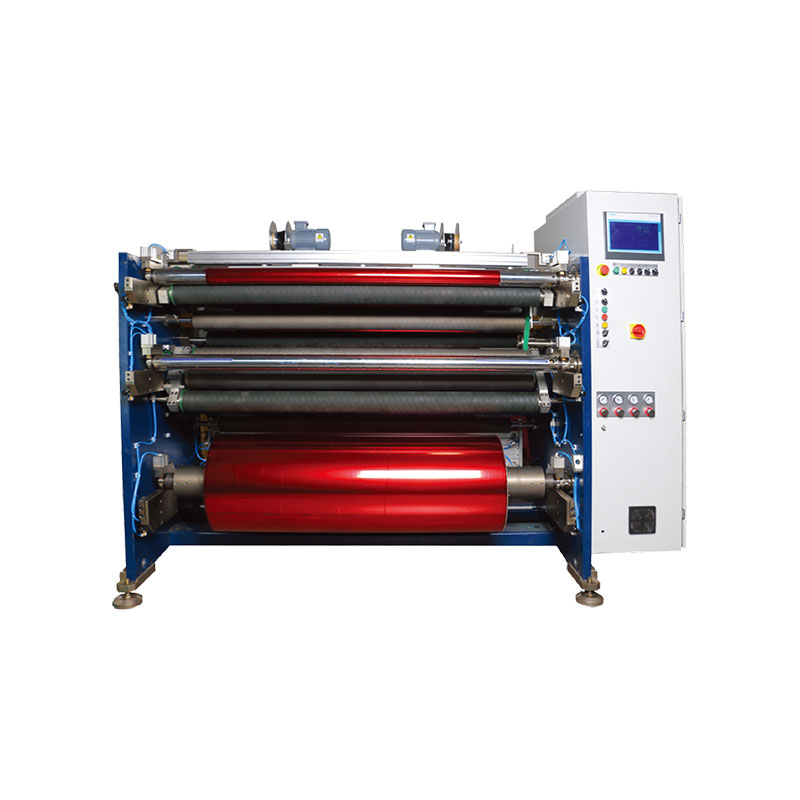 Hot Stamping Foil Slitter 1600mm
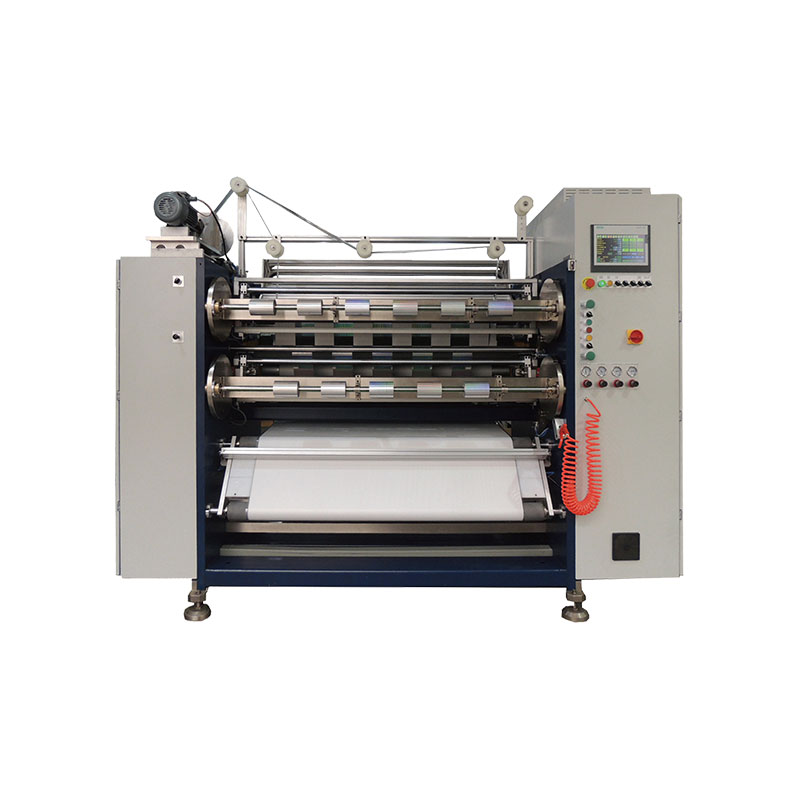 Hot Stamping Foil Slitter (4 Shafts)
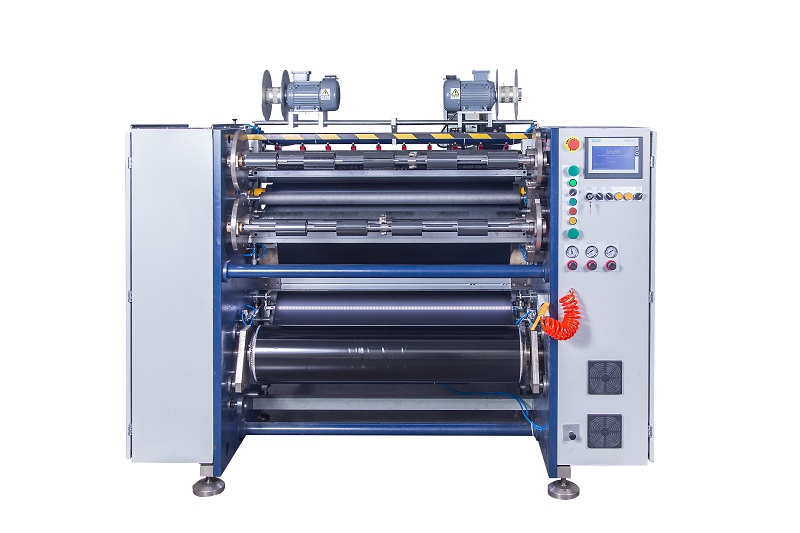 Semi-Auto TTR Slitter RSDS2 Plus
 Semi Automatic TTR Slitter RSDS5 Plus
 Manual TTR Slitter RSDS2
 Auto Paper Core Cutter
 Film Slitting Machine



 +86 135 9951 7291
 support@delishgroup.com
 +86 135 9951 7291