27. March, 2026delish0
Abstract
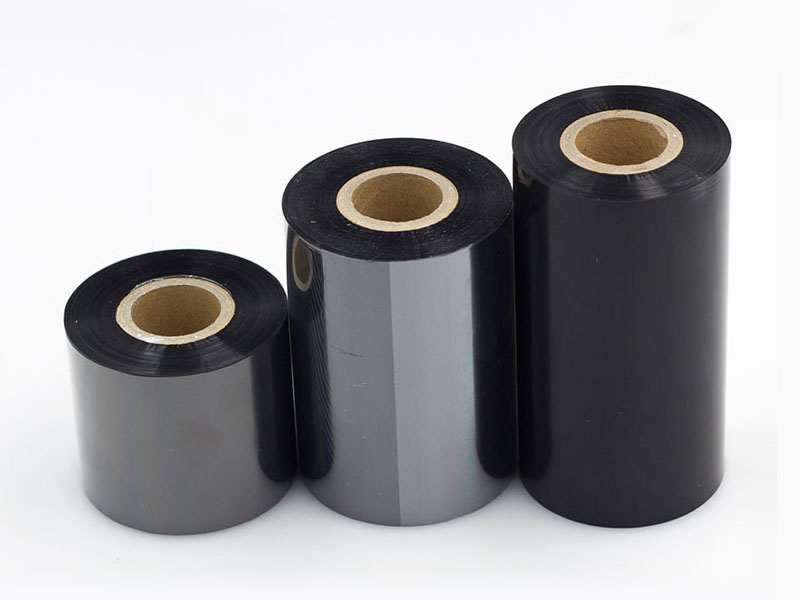
As a core consumable for barcode printing and label production, ribbon (thermal transfer ribbon) directly affects the printing effect and printhead life of the end user. In the ribbon production process, burrs on the slitting end face are common and thorny problems, leading to white strips, broken needles, and even damage to the printhead during printing. This paper deeply analyzes the root causes of burrs and proposes a set of systematic solutions from four dimensions: tool system, equipment status, material characteristics, and process parameters, aiming to help manufacturers improve slitting quality and reduce defect rates.
1. Introduction
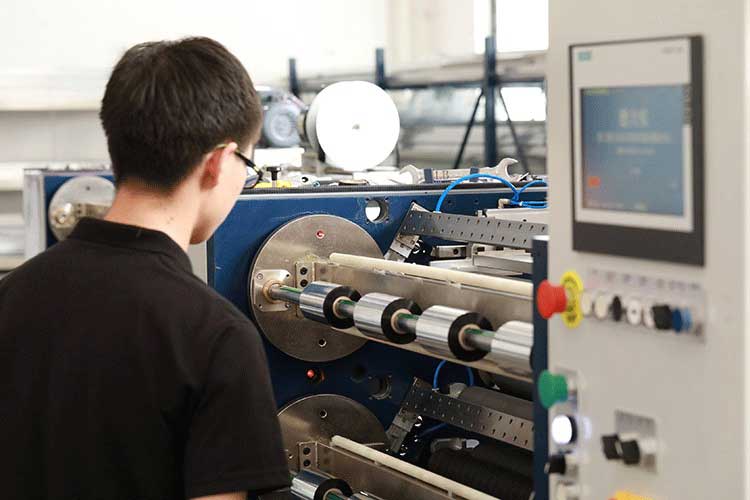
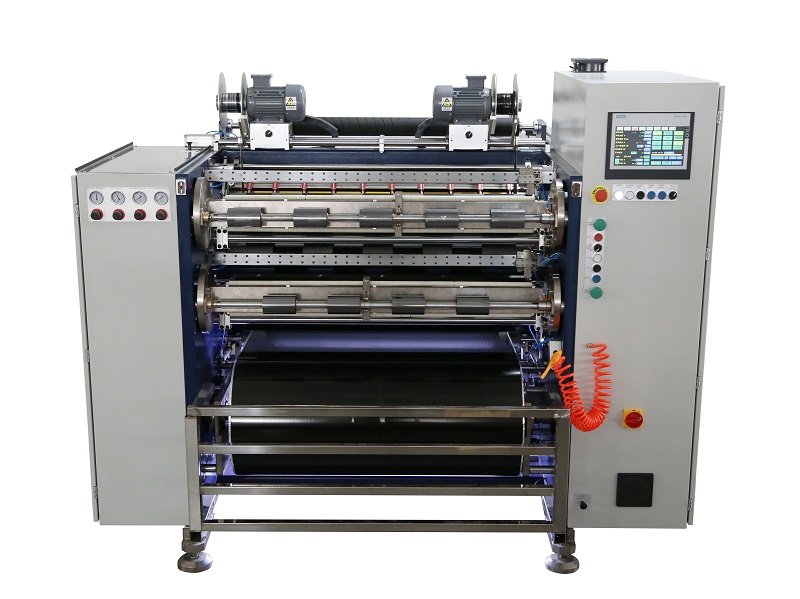
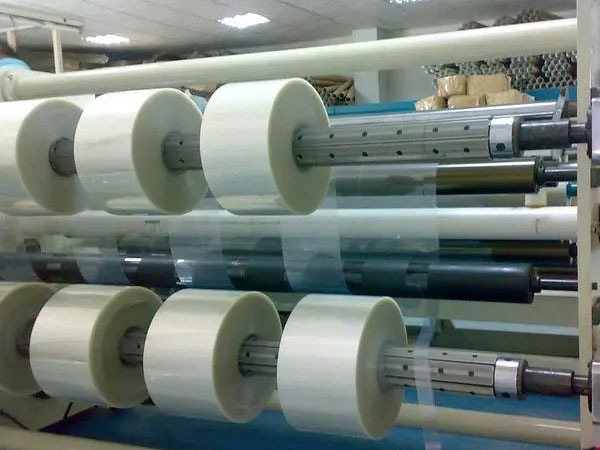
With the rapid development of the Internet of Things, e-commerce, and medical identification industries, the market demand for ribbons continues to grow, and higher requirements are put forward for the slitting accuracy and end flatness of ribbons. The ribbon slitting machine slices wide and large coils into small coils that meet specifications, and the quality of the slitting end face is one of the core indicators to measure the finished product grade. Burrs (i.e., irregular bulges, fiber filaments, or coating peeling on the end face) not only affect the appearance of the product, but also cause printhead wear or jamming during the printing process, causing customer complaints. Therefore, systematically solving the problem of slitting burrs is of great quality and economic significance to ribbon manufacturing enterprises.
2. Manifestations and hazards of burr problems
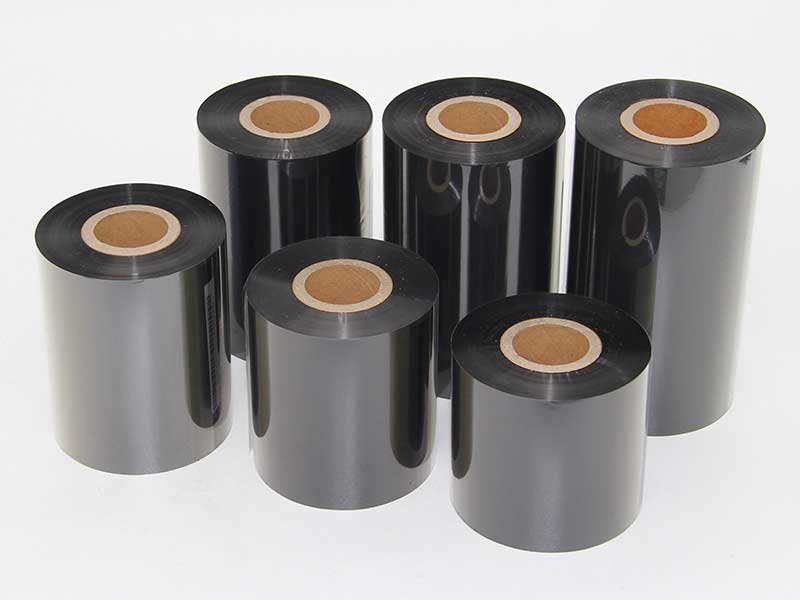
The slitting face burrs are mainly manifested in the following forms:
1. Coating Lifting: The ribbon ink layer or back coating is not completely cut off at the edge of the cut, forming a tiny flange.
2. Base film drawing: The PET base film is not cut cleanly during slitting, resulting in fine filamentous residues.
3. Fluffy coil end: The slitting edge is misaligned between layers due to excessive shear stress, forming a loose bulge.
4. Dust accumulation: Tiny debris generated during the slitting process adheres to the end face, forming false burrs.
The hazards of these defects include: burrs that scratch the thermal printhead when operating in the printer, causing abnormal wear or physical damage to the printhead; causing the ribbon to be out of sync with the label paper, resulting in white lines or wrinkles in printing; reducing the grade of the finished product, resulting in customer returns or claims.
3. Analysis of the root cause of burrs
1. Tool system factors
The slitting tool is at the heart of determining the quality of the cut.
• Insufficient sharpness of the knife: Round or flat knives wear out after a period of use, the edge becomes blunt, and the cutting edge changes from "shearing" to "tearing" or "extrusion" during slitting, which directly leads to burrs.
• Parallelism and clearance error of the tool shaft: improper coordination of bite amount and lateral pressure between the upper and lower knives (or round knives and bottom knives). A shallow bite will lead to continuous cutting, and too deep will cause a squeezing burr; The parallelism deviation of the tool shaft will cause local shear unevenness.
• Tool material and coating: When dealing with high-toughness or thin base films, ordinary steel tools are prone to microscopic chipping of the cutting edge due to friction and heat generation.
2. Mechanical status of the equipment
• Spindle runout: The spindle of the slitting machine has radial runout during high-speed rotation, resulting in force fluctuations on the ribbon film surface at the moment of slitting, resulting in periodic burrs.
• Improper control of winding tension: The tension (unwinding tension, traction tension, winding tension) during the slitting process is set unreasonably. If the tension is too large, the film surface will be stretched and thin, and the incision stress will be concentrated and easy to tear. The tension is too small, the film surface is relaxed, and the tool cannot cut vertically.
• Stability of the pressure roller and guide roller: The uneven pressure of the guide roller or the pressure of the pressure roller will cause the film surface to wrinkle before entering the tool group, resulting in the offset of the slitting path and the formation of beveled edge burrs.
3. Differences in material properties
• Base film thickness and material: Ultra-thin ribbons (such as 4.5 μm and 6 μm base films) are more difficult to cut than conventional base films and are highly sensitive to shear forces.
• Coating brittleness and adhesion: Some high-performance resin-based ribbons have high coating hardness but relatively weak adhesion, and are prone to coating peeling at the edges during slitting.
• Master coil end face quality: If the master coil itself is uneven or has internal stress, it will exacerbate the deterioration of the end face when slitting to release stress.
4. Process parameter setting
• Slitting speed: Excessive linear speed will shorten the contact time between the cutting edge and the film, increase the instantaneous impact force, and easily cause melting drawing caused by thermal effects.
• Ambient temperature and humidity: An environment that is too dry (low humidity) can cause the film to become more electrostatic, absorbing dust and increasing brittleness; Excessive humidity can soften the coating and increase the risk of knife sticking.
4. Systematic solutions
In view of the above reasons, it is recommended to take the following comprehensive solutions:
1. Tool system optimization
• Implement tool life cycle management: Establish a tool usage ledger and set a mandatory tool change cycle according to the number of slitting meters or time to eliminate batch defects caused by tool passivation.
• Precision Adjustment Knife Set: Use a laser aligner or feeler gauge to precisely adjust the bite volume of the upper and lower knives. For ribbon slitting, it is generally recommended to control the bite between 0.05mm and 0.15mm, depending on the thickness of the base film. At the same time, ensure that the parallelism of the cutter shaft is within 0.01mm/m.
• Selection of high-end tools: For difficult slitting (such as thin base film, high-speed machines), superhard coated tools (such as DLC diamond coating or titanium nitride coating) are used to reduce the friction coefficient and improve the wear resistance of the cutting edge.
2. Equipment accuracy recovery and upgrade
• Spindle dynamic balance and runout detection: Regularly check the radial runout of the slitting spindle to ensure that the runout value ≤ 0.01mm. Spindle repair or replacement of high-precision bearings for old equipment.
• Optimized tension control system: Closed-loop automatic tension control (e.g., pendulum or floating roller tension system) is used instead of manual or simple open-loop control. The gradient tension is set according to the width and thickness of the ribbon, and the principle of "low tension, high precision" is followed to reduce tensile deformation during the slitting process.
• Elimination of static electricity: Install high-efficiency static elimination rods (AC or pulse type) at the feeding port and winding of the slitting machine to reduce dust burrs caused by electrostatic adsorption.
3. Standardization of slitting process
• Establish a database of slitting parameters: test and cure the optimal slitting speed, tension value, and tool pressure parameters for different models (wax-based, mixed-based, resin-based), different thicknesses, and different widths of ribbons. Directly call parameters during production, reducing human trial and error.
• Control the temperature and humidity of the environment: control the environment of the slitting workshop between the temperature of 22-26°C and the relative humidity of 50%-60%. This range reduces static electricity while ensuring optimal processing of film and coating flexibility.
4. Operation and inspection specifications
• Standardize film threading and debugging: Train operators to wear the film in strict accordance with the standard operating procedures to ensure that the film surface is flat and free of wrinkles. At the beginning of the equipment start-up, low-speed trial cutting is carried out, and the quality of the end face is confirmed with a magnifying glass or offline inspection system before speeding up production.
• Introduce online visual inspection: Configure an online end face inspection system on high-end slitting machines, monitor the slitting end face in real time through high-definition cameras, and immediately alarm once the burr exceeds the standard, so as to realize the immediate interception and traceability of defects.

5. Cases and effects
A ribbon manufacturer once faced the problem of high burr rate (about 8%) on the slitting end face of resin-based ribbon, and customers frequently complained about printhead damage. Through system investigation, it was found that the main problems were:
1. The tool has not been replaced after the life cycle;
2. The winding tension is set too much, resulting in the edge of the thin base film being stretched and torn;
3. The humidity in the workshop is below 40% for a long time, and the static electricity is serious.
In response to the above problems, the company implemented the following improvements: the introduction of a tool life counting system; The tension parameter is changed from the original fixed value to the taper tension control that decreases with the coil diameter. Install an industrial humidifier and enclose the slitting area. After the improvement, the defective burr rate of resin-based ribbon slitting end face was reduced to less than 1.5%, and there were no more cases of printhead damage caused by burrs in the printing test, and customer satisfaction was significantly improved.
6. Conclusion
Ribbon slitting flabs are not caused by a single factor, but are the result of the interaction of machinery, tools, processes, materials and the environment. To effectively solve this stubborn disease, enterprises must jump out of the local thinking of "headache and medical head" and establish a systematic prevention and control system starting from all elements of "people, machines, materials, laws, and environments". Through high-precision equipment maintenance, scientific tool management, standardized process parameters and intelligent online testing, it can not only eliminate burrs, but also comprehensively improve the quality stability of ribbon slitting, and build a solid technical barrier in the fierce market competition.
 English
 Deutsch
 Français
 Español
 Português
 日本語
日本語 русский
 한국어
한국어 عربي
عربي ภาษาไทย
 Tiếng Việt
 Italiano
 Fully Automatic TTR Slitter RSDS8 Plus
 Hot Stamping Foil Slitter 1600mm
 Hot Stamping Foil Slitter (4 Shafts)
 Semi-Auto TTR Slitter RSDS2 Plus
 Semi Automatic TTR Slitter RSDS5 Plus
 Manual TTR Slitter RSDS2
 Auto Paper Core Cutter
 Film Slitting Machine



 +86 135 9951 7291
 support@delishgroup.com
 +86 135 9951 7291