28. March, 2026delish0
Abstract:
With the development of the packaging and printing industry in the direction of high precision, high efficiency and personalization, hot stamping foil is a key decorative material, and its slitting quality directly affects the hot stamping effect. Traditional hot stamping foil slitting machines rely on mechanical transmission and manual experience, which has the problems of low accuracy, slow order change, and high scrap rate. This paper discusses the application of digital control technology in hot stamping foil slitting machine, focusing on how to realize the automation and intelligence of the slitting process and improve the comprehensive efficiency of the equipment based on synchronous control based on PLC and servo drive, high-precision tension closed-loop control, and digital process recipe management.
1. Introduction
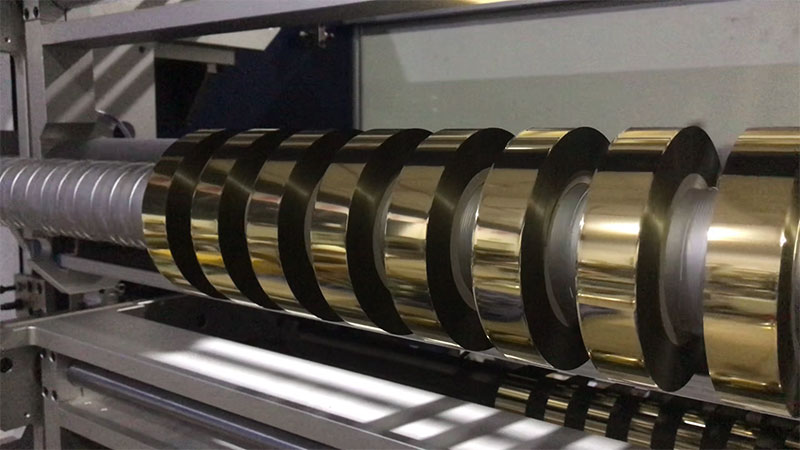
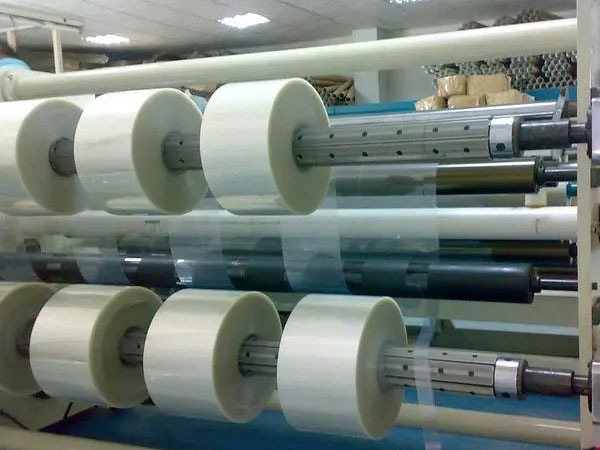
Hot stamping foil is a precision material that coates multiple layers of chemical coating on a film substrate, and is widely used in high-end printed materials such as cigarette packs, wine labels, cosmetic boxes, and greeting cards. In the hot stamping process, slitting is the key process in the previous process: the large coil master coil is cut into narrow coils according to the width and length required by the customer.
Traditional mechanical slitting machines mostly use clutch brake, mechanical gear shifting and manual adjustment of the rollers. In the face of hot stamping foil with a film thickness of only 12μm-20μm, easy to stretch, easy to wrinkle, and sensitive to static electricity, traditional equipment is exposed to stubborn diseases such as edge burrs, uneven winding, and inaccurate hot stamping and overprinting caused by tension fluctuations. The introduction of digital control technology, the use of high-precision sensors, programmable logic controllers (PLCs) and servo drive systems has become the fundamental way to solve the above problems.
2. Hardware architecture of digital control system
Modern digitally controlled hot stamping foil slitting machines usually adopt a three-layer network architecture:
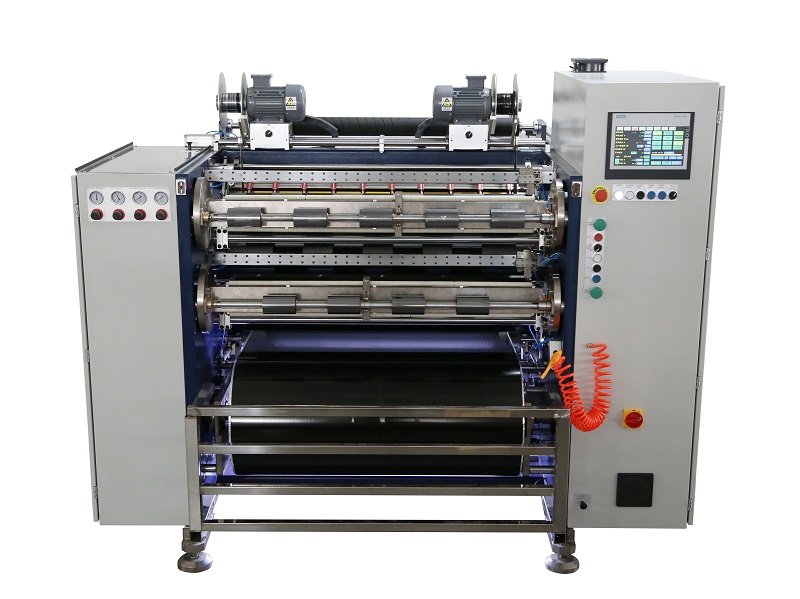
1. Control layer: Industrial touch screen (HMI) is used to integrate recipe management, fault diagnosis and production data statistics functions.
2. Control layer: With high-speed PLC or special motion controller as the core, it runs PID algorithm and electronic cam synchronous control.
3. Execution and feedback layer: including AC servo system, vector frequency converter, digital tension sensor, ultrasonic guidance sensor and laser rangefinder.
Data interaction is realized via industrial Ethernet (e.g. Profinet, EtherCAT) to ensure that control instructions are executed synchronously in milliseconds or even microseconds.
3. Application of key digital control technology
1. Servo drive and electronic spindle synchronization technology
Conventional slitting machines synchronize unwinding, traction, and rewinding through mechanical long shafts and gearboxes, which not only have high mechanical wear and tear, but are also prone to material stretching or accumulation due to inertia mismatch during acceleration and deceleration.
Digital control technology introduces the concept of "electronic spindle". Through the high-precision servo drive, the rotary encoder signal of the traction roller is used as the virtual spindle signal, and the unwinding and rewinding shaft are used as the electronic slave axis. Through the electronic gear function, the precise transmission ratio is set, eliminating errors caused by gear backlash and mechanical deformation.
In the process of acceleration and deceleration, the electronic cam function is used to dynamically adjust the speed curve of each axis in real time according to the change of coil diameter to ensure that the linear speed is constant during the slitting process. This allows the equipment to maintain extremely low slippage when operating at high speeds (usually up to 300m/min-500m/min), effectively preventing the surface coating of hot stamping foil from scratching due to friction.
2. Full digital closed-loop tension control
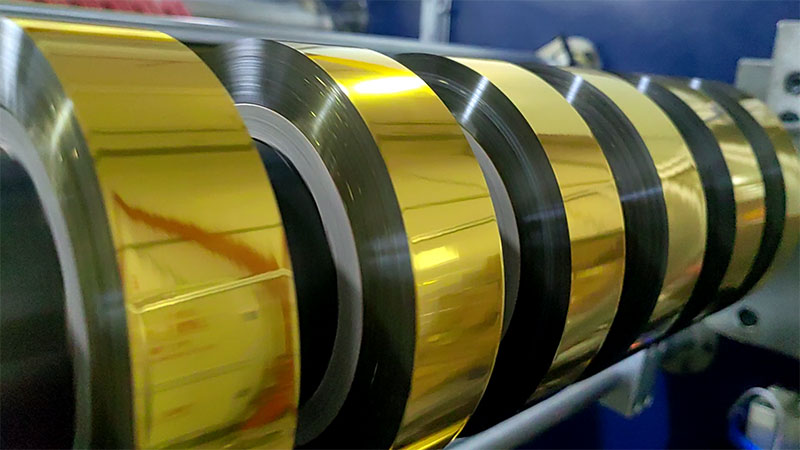
Tension control is the core difficulty of hot foil slitting. Because the hot stamping foil substrate (PET film) is viscoelastic, and with the slitting process, the retraction and unwinding coil diameter ratio can reach more than 10:1. If the tension fluctuates too much, it will lead to stretching and deformation of the film surface, resulting in "bronzing misalignment" during subsequent hot stamping; If the tension is too small, a "chrysanthemum core" or a running roll will appear on the winding end face.
Digital control technology enables a deep integration of taper tension control and floating/pendulum roller damping control:
• Unwinding part: using vector frequency converter or servo motor in the power generation state, through the digital PID adjuster, the reverse torque is automatically adjusted according to the position of the pendulum roller (analog signal) collected in real time. When the pendulum position offset setting midpoint is detected, the controller immediately outputs the correction amount with a response time of less than 50ms.
• Winding part: Taper tension algorithm. As the winding diameter increases, the digital controller automatically decrements the tension according to the preset taper factor (usually 30%-80%) based on the current reel diameter calculated in real time. This algorithm prevents the phenomenon of "deformation of the bottom paper" or loose outside and tightness caused by excessive internal tension when winding large rolls.
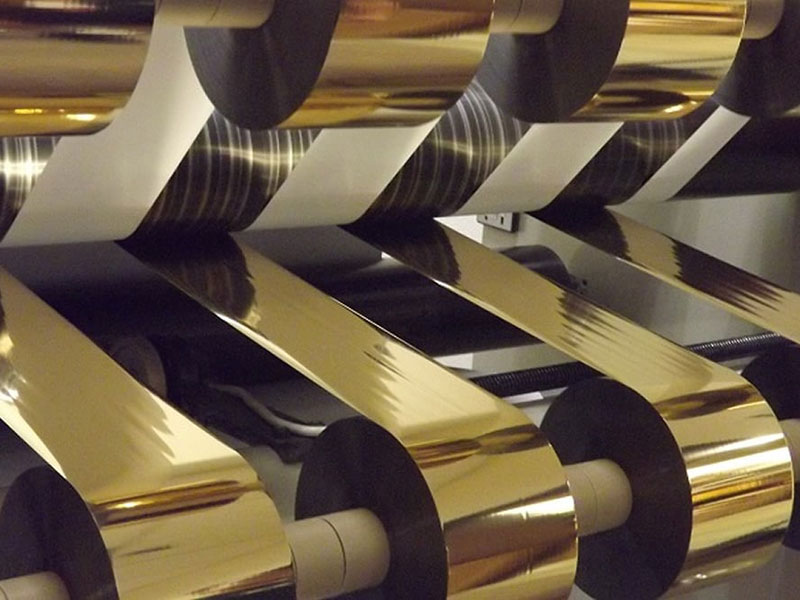
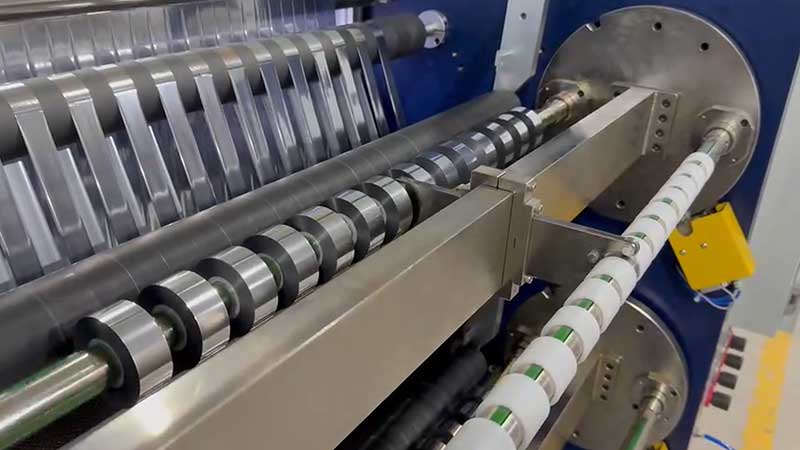
• Zoning control: For multi-knife slitting (slitting a wide width into dozens of narrow strips), the digital control system realizes the independent drive of each winding shaft through closed-loop control, which solves the problem of different lengths caused by the difference in winding length of different stations.
3. Automatic deviation correction of digital image and sensor fusion
Foil stamping slitting requires extremely high edge neatness, and the edge deviation usually needs to be controlled within ±0.1mm. The digital control technology integrates CCD line array sensors or ultrasonic double-sheet detection technology.
The control system no longer relies on simple photoelectric switches, but calculates the deviation value between the actual feeding trajectory of the material and the set trajectory in real time through digital image processing algorithms. The servo electric cylinder is used to drive the unwinding frame or rewinding shaft for lateral displacement compensation. The system has two modes, "Auto Edge Finding" and "Follow-Line", and digital signal processing (DSP) can effectively filter out optical interference and ensure the stability of misalignment correction for transparent hot stamping foil or holographic hot stamping foil with halo effect.
4. Digital process formulation and intelligent manufacturing
Another great advantage of digital control technology is software-defined processes.
• Recipe management: For hot stamping foil of different specifications (thickness, width, material), operators can save the corresponding process parameters on the HMI, including tension curve, acceleration slope, slitting speed, static elimination rod voltage, etc. When changing orders, the recipe is called with one click, and the position of all axes is automatically zeroed and parameter loading, and the order change time is shortened from the traditional 30 minutes to less than 3 minutes.
• Data traceability: The system records the number of meters, the number of downtimes, the tension fluctuation curve and other data after each roll is slitted in real time, and uploaded to the MES (Manufacturing Execution System). This not only achieves transparency in the production process, but also provides a traceability basis for material properties for subsequent hot stamping processes.
4. Application effect and advantages
The foil slitting machine based on digital control technology shows significant advantages over traditional equipment:
1. Accuracy improvement: The slitting width tolerance is controlled within ±0.05mm, and the winding end face neatness (tower shape error) is ≤ 0.2mm/100mm roll width, which meets the strict requirements of high-end cigarette pack bronzing for extremely fine lines (such as 0.1mm lines).
2. Efficiency improvement: The maximum mechanical speed is increased by 30%-50%, and due to the excellent acceleration and deceleration performance of the servo system, the scrap rate is reduced by about 60% during frequent start-stop and joint processing.
3. Strong material adaptability: For the current popular "cold hot stamping film" and thin hot stamping foil (12μm), the digital tension system can simulate the effect of "soft start and soft stop", effectively solving the problem of easy fracture of thin materials.
4. Improved intelligence: Through the fault self-diagnosis function, when the sensor detects material breakage, joints, or static electricity exceeding the standard, the system automatically slows down and alarms, reducing the risk of equipment damage.
5. Future development trends
With the advancement of Industry 4.0, digital control technology in hot stamping foil slitting machines will further develop in the following directions:
• AI self-tuning: Using machine learning algorithms, the equipment automatically optimizes PID parameters and taper tension coefficient based on real-time feedback data during the first roll slitting, reducing the dependence on operator experience.
• Cloud-edge collaboration: Through the edge computing gateway, the operation data of multiple slitting machines can be uploaded to the cloud to realize predictive maintenance of equipment health (such as predicting tool life and bearing wear).
• Fully digital workshop integration: The slitting machine is used as a back-end process, and the hot stamping machine and rewinding machine realize data interconnection, forming a closed-loop quality control system from master coil to finished product.
6. Conclusion
The application of digital control technology in hot stamping foil slitting machines has completely changed the situation of low precision, slow response, and difficult operation of traditional equipment. Through servo synchronous control, full digital tension closed loop and process formula digitization, it not only significantly improves the slitting quality and production efficiency of hot stamping foil, but also lays a solid foundation for the printing and packaging industry to realize flexible manufacturing and smart factories. With the continuous iteration of digital control technology, future slitting equipment will develop in a more sophisticated, intelligent and efficient direction.
 English
 Deutsch
 Français
 Español
 Português
 日本語
日本語 русский
 한국어
한국어 عربي
عربي ภาษาไทย
 Tiếng Việt
 Italiano
 Fully Automatic TTR Slitter RSDS8 Plus
 Hot Stamping Foil Slitter 1600mm
 Hot Stamping Foil Slitter (4 Shafts)
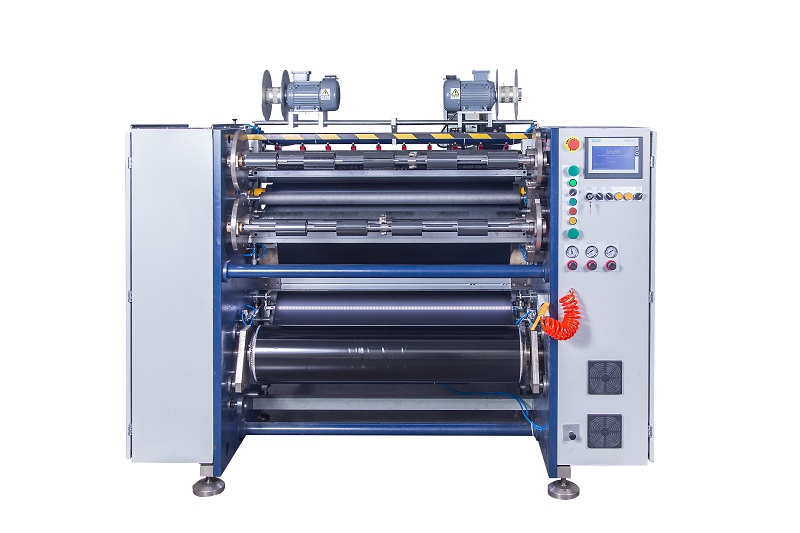 Semi-Auto TTR Slitter RSDS2 Plus
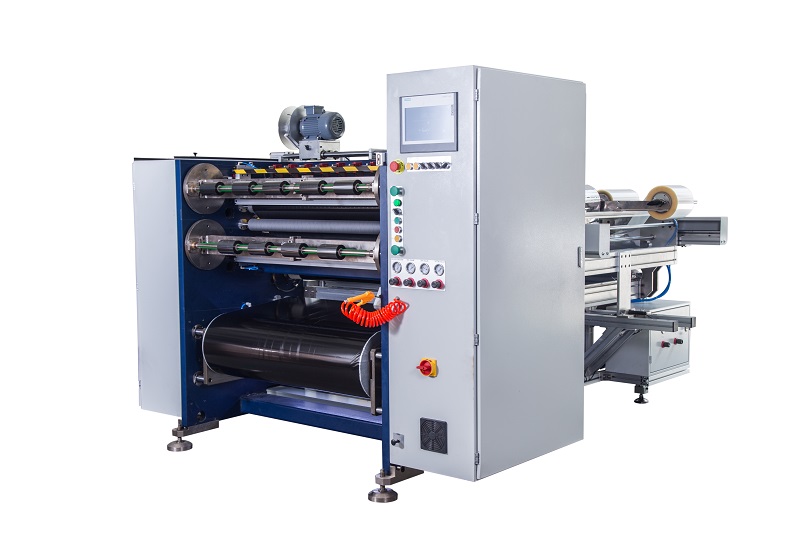 Semi Automatic TTR Slitter RSDS5 Plus
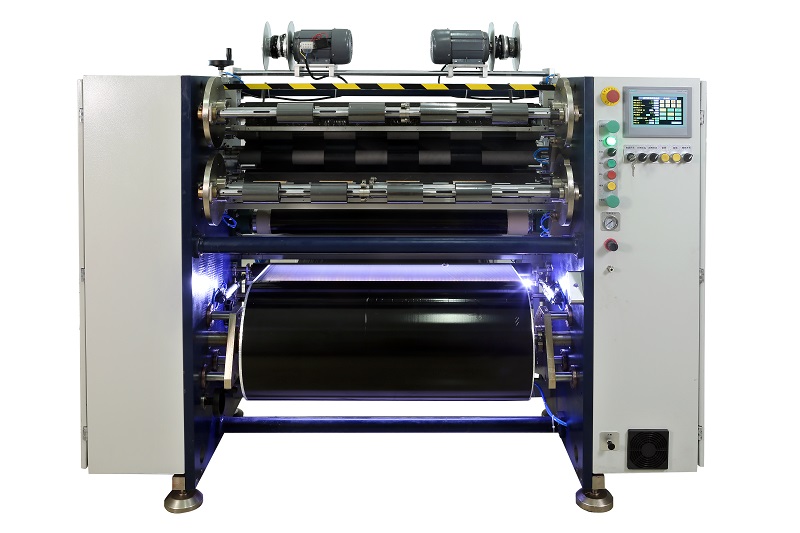 Manual TTR Slitter RSDS2
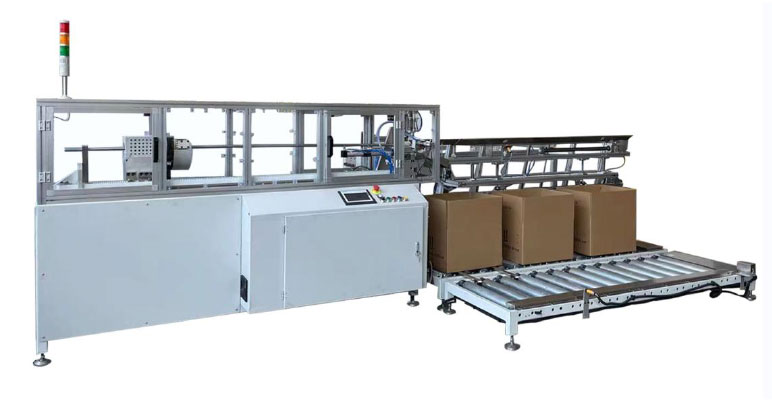 Auto Paper Core Cutter
 Film Slitting Machine



 +86 135 9951 7291
 support@delishgroup.com
 +86 135 9951 7291