03. April, 2026delish0
Introduction
In the field of thermal transfer printing consumables production, ribbon slitting machine is one of the core equipment, and its performance directly affects the slitting accuracy, production efficiency and yield rate of ribbon products. In recent years, with the advancement of industrial automation technology, servo motor drive systems are gradually replacing asynchronous motors or stepper motor systems in traditional models. This paper will systematically compare the two technical schemes from multiple dimensions, in order to provide reference for equipment selection and technology upgrade.
1. Power and control system architecture
Traditional models
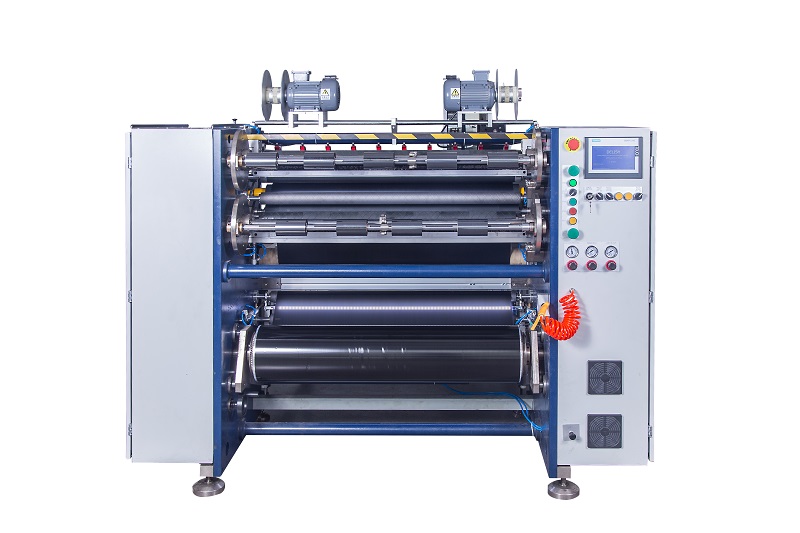
Traditional ribbon slitting machines mostly use three-phase asynchronous motors + frequency converters as the main drive, and cooperate with mechanical clutch brake components to achieve tension control. The rewinding and unwinding shafts typically employ a magnetic powder clutch/brake that changes the output torque by manually adjusting the current. The control system is commonly configured with PLC (programmable logic controller) + touch screen, but there is a lack of real-time synchronization mechanism between each axis, relying on mechanical drive shafts or gearboxes to achieve speed matching.
Servo-driven models
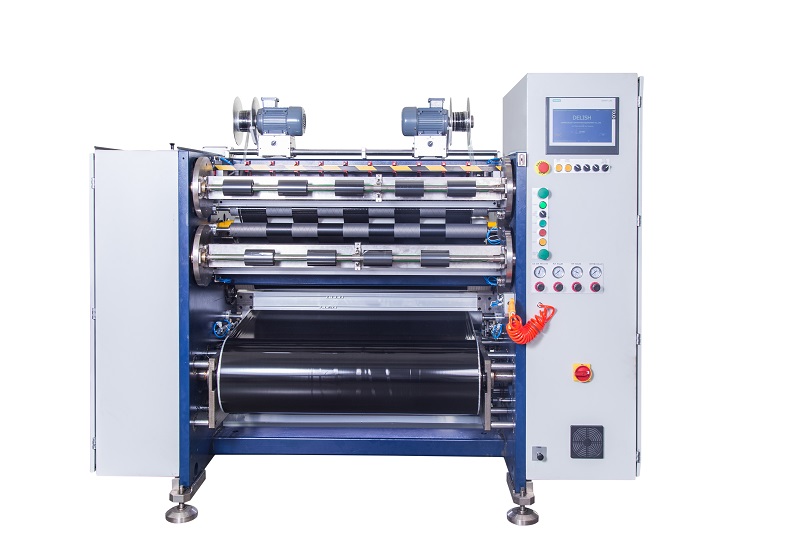
The servo drive scheme adopts independent servo motor + servo drive to form a fully closed-loop control system. Each axis (unwinding shaft, traction roller, rewinding shaft) is equipped with an independent servo motor, which is interconnected to high-speed industrial real-time Ethernet such as EtherCAT and Profinet to achieve microsecond synchronous control. The system has built-in tension sensors or uses the current loop feedback of servo motors to build closed-loop tension control without the need for mechanical friction components.
2. Comparison of key performance indicators
| Performance dimensions | Traditional models | Servo-driven models |
| Slitting accuracy | ±0.2mm~±0.5mm | ±0.05mm~±0.1mm |
| Maximum mechanical speed | 150~250m/min | 300~500m/min |
| acceleration and deceleration time | 10~30 seconds (limited by mechanical inertia) | 1~3 seconds |
| Tension fluctuations | ±10%~±15% | ±2%~±5% |
| Stoppage positioning accuracy | Relying on brakes, the error is large | Zero-speed locking, precise positioning |
| Order change time | 15~25 minutes | 5~10 minutes |
3. Differences in operating principles
Tension control mechanism
Conventional models adopt open-loop + mechanical damping method. The unwinding end uses a magnetic powder brake to provide a constant damping torque, and the winding end controls the tension through a magnetic powder clutch or torque motor. As the roll diameter changes, the operator needs to adjust it manually or indirectly by relying on the tension pendulum bar, and the response lag is severe.
The servo model adopts closed-loop constant tension control. The unwinding servo motor runs in torque mode, calculates and outputs the reverse torque according to the real-time coil diameter; The traction roller servo runs in speed mode as the system speed reference; The rewinding shaft operates in torque mode, dynamically adjusting the output torque based on the set tension and real-time reel diameter. The three are synchronized through the high-speed bus, and the tension fluctuation is suppressed in real time during the whole process of starting, accelerating, decelerating and stopping.
Calculation method of roll diameter
Traditional models mostly measure the coil diameter indirectly through ultrasonic sensors or proximity switches + mechanical swing arms, and the accuracy and reliability are affected by the installation accuracy of the sensor and the material material.
The servo model uses the motor encoder feedback + material thickness integration algorithm to calculate the roll diameter in real time, and supports the adaptive roll diameter calibration function, which is automatically corrected every time the roll is changed or spliced, and the calculation accuracy can reach less than 0.1mm.
4. Comparison of operation and maintenance
Process parameter setting
The process parameters (tension value, slitting width, winding hardness) of traditional models need to be manually set on the control cabinet panel or touch screen, and the parameter correlation between different axes is poor, and the dependence on the experience of the operator is high.
The servo model provides a recipe management system, and all process parameters can be called up with one click. The system has a built-in tension taper control function, which can automatically adjust the winding tension according to the change of the coil diameter, ensuring that the internal tension is uniform when the coil diameter is large, and there is no "chrysanthemum core" or "collapse coil" phenomenon.
Maintenance costs
The magnetic powder clutch and brake of traditional models are wearing parts, and the magnetic powder will degrade due to high temperature oxidation or wear after long-term use, usually every 6~12 months. Mechanical transmission components such as gearboxes, universal couplings, timing belts, etc. need to be lubricated and calibrated regularly.
The servo drive system eliminates the magnetic particle assembly and most of the mechanical transmission structure, and there are no friction loss parts. The service life of servo motors is usually more than 5~8 years, and the main maintenance work is encoder cleaning and fan filter replacement, which significantly reduces long-term operating costs.
5. Energy consumption comparison
From the perspective of energy efficiency, the servo drive system has obvious advantages:
• Traditional model: The magnetic powder clutch/brake is always in a slip state when working continuously, and a large amount of electrical energy is converted into heat loss, and the actual measurement shows that its energy utilization rate is only 40%~55%.
• Servo model: The servo motor can feed back energy to the DC bus for other shafts through regenerative power generation when braking or decelerating, and the overall energy utilization rate of the system can reach 75%~85%.
Taking a ribbon slitting machine with a width of 300mm and a design speed of 200m/min as an example, the annual power saving of the servo model can reach 8000~12000 kWh according to the daily two-shift operation.
6. Intelligence and data capabilities
Traditional control systems often do not have data acquisition and communication interfaces, and production data needs to be manually recorded, making it difficult to integrate into MES (Manufacturing Execution System) or conduct quality traceability.
Servo drive solutions are naturally based on Industry 4.0. The servo drive can directly upload real-time torque, speed, temperature, current and other status data of each axis, and can be combined with edge computing equipment to realize:
• Real-time monitoring of tension curves and abnormal alarms
• Predictive maintenance of blade wear
• Automatic production OEE (Overall Equipment Efficiency) statistics
• Traceability analysis of batches of abnormal quality

7. Investment return analysis
The one-time purchase cost of servo-driven models is usually 30%~50% higher than traditional models, but the payback period is usually 12~18 months, considering the following factors:
1. Efficiency improvement: higher operating speed and shorter order change time can increase the daily output of a single machine by 40%~60%
2. Yield improvement: improved slitting accuracy and tension stability, and reduced scrap rate by 2%~5%
3. Energy Savings: Significant savings in annual electricity bills
4. Reduced maintenance costs: The cost of magnetic powder consumables and manual maintenance costs are reduced by more than 70%
5. Labor cost optimization: One person can operate multiple servo models, and traditional models often require special personnel to be on duty
8. Suggestions for applicable scenarios
Scenarios where traditional models are still applicable:
• Small workshops with very limited budgets
• Ordinary ribbons with small slitting format and low accuracy requirements (± more than 0.5mm).
• Low-frequency usage scenarios with an annual boot time of less than 1,000 hours
Servo models are more suitable for scenarios:
• Production of high-end ribbons (side-pressed, resin-based, colored ribbons).
• Wide width (more than 300mm) and high speed (more than 250m/min) continuous operation
• Enterprises that need to connect with MES systems to realize digital factory management
• Slitting of ultra-thin substrate films (less than 4 μm) with strict requirements for tension stability
Conclusion
The application of servo motor drive technology in ribbon slitting machine represents the evolution direction of slitting equipment from "mechanical dominance and manual intervention" to "electronic control and intelligent collaboration". Although the initial investment is higher than that of traditional models, it has achieved comprehensive surpassing in terms of slitting accuracy, production efficiency, energy consumption level, maintenance cost and intelligence. For ribbon manufacturing enterprises pursuing product quality and production efficiency, servo drive solutions have become the mainstream choice for new production lines and existing equipment upgrades.
With the continuous decline in servo system costs and the maturity of localized alternatives, it is expected that in the next five years, servo-driven ribbon slitting machines will account for more than 80% of the new production capacity, gradually becoming the standard configuration in the industry.
 English
 Deutsch
 Français
 Español
 Português
 日本語
日本語 русский
 한국어
한국어 عربي
عربي ภาษาไทย
 Tiếng Việt
 Italiano
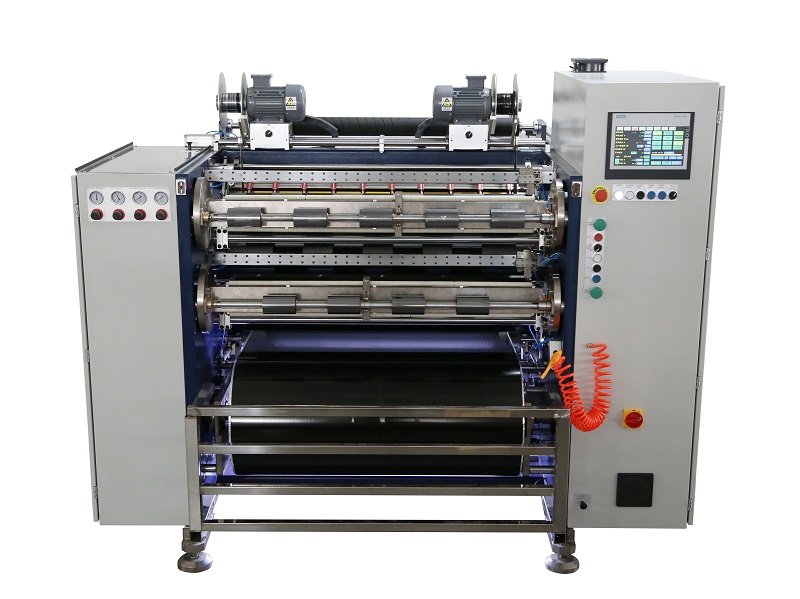 Fully Automatic TTR Slitter RSDS8 Plus
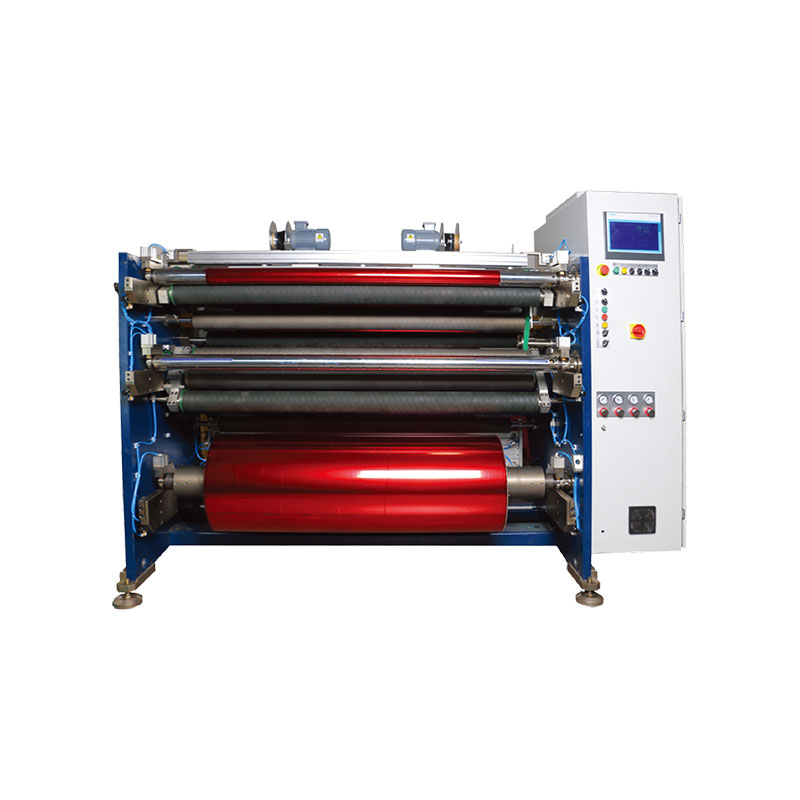 Hot Stamping Foil Slitter 1600mm
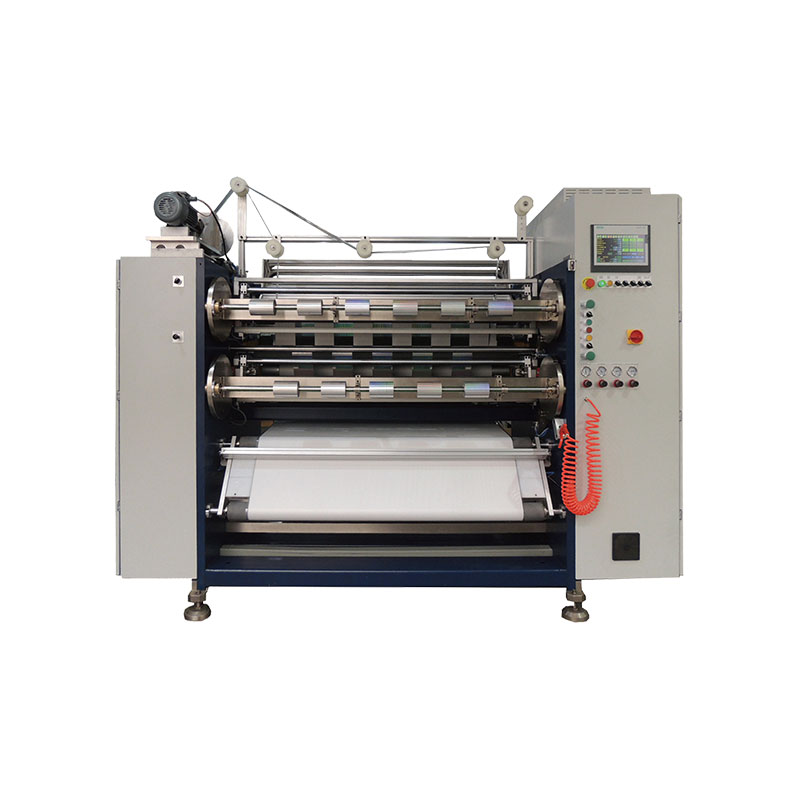 Hot Stamping Foil Slitter (4 Shafts)
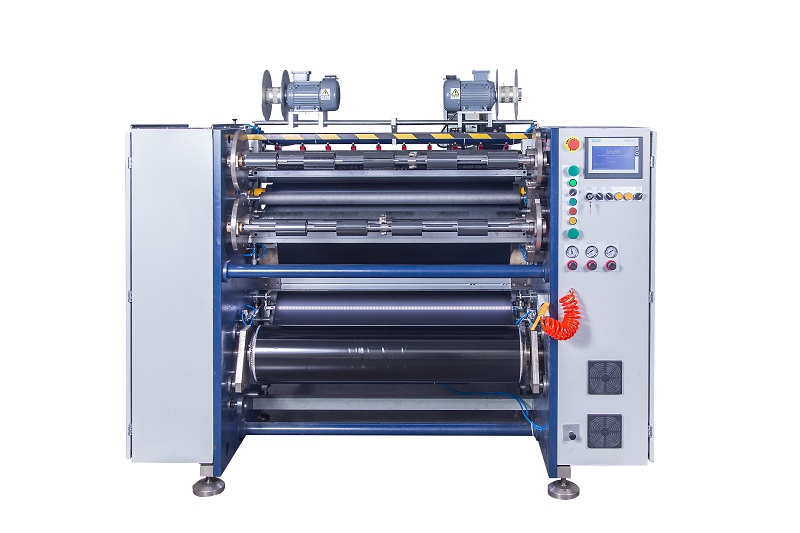 Semi-Auto TTR Slitter RSDS2 Plus
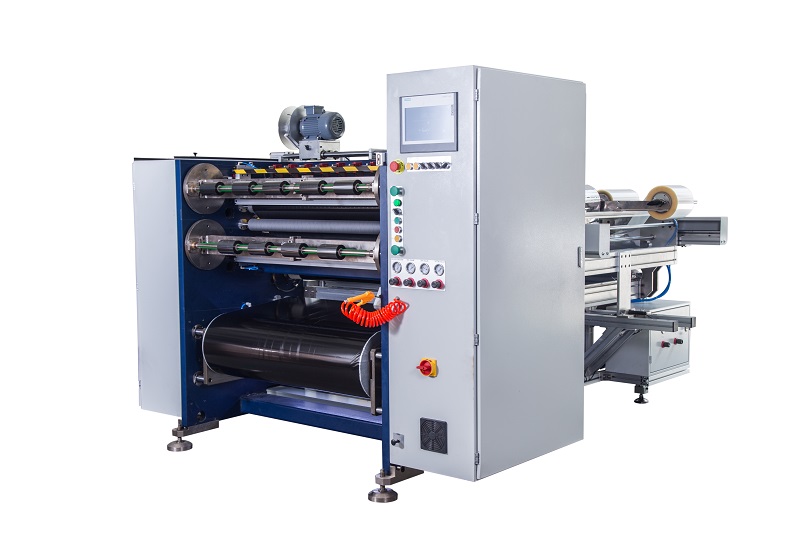 Semi Automatic TTR Slitter RSDS5 Plus
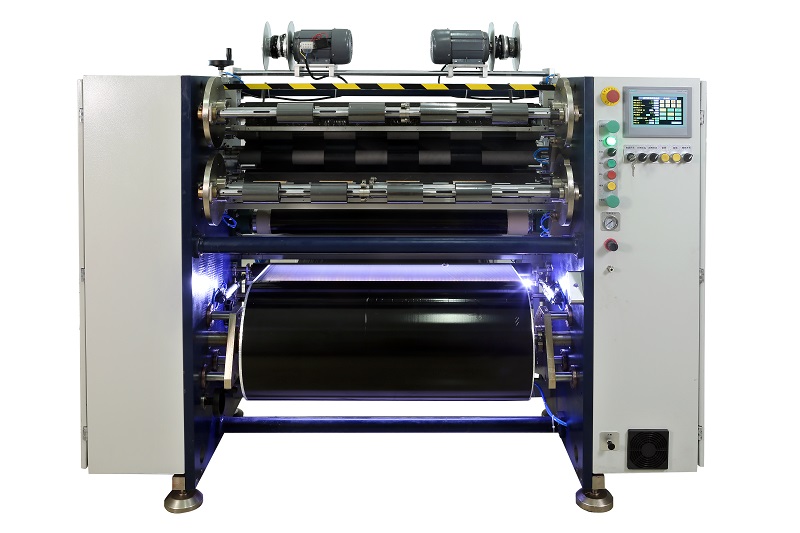 Manual TTR Slitter RSDS2
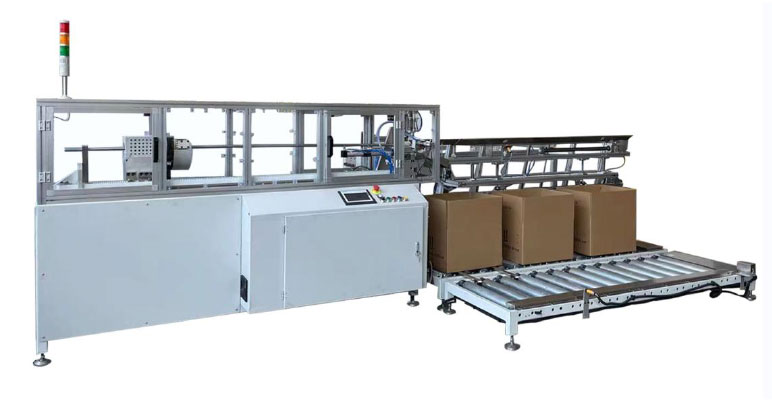 Auto Paper Core Cutter
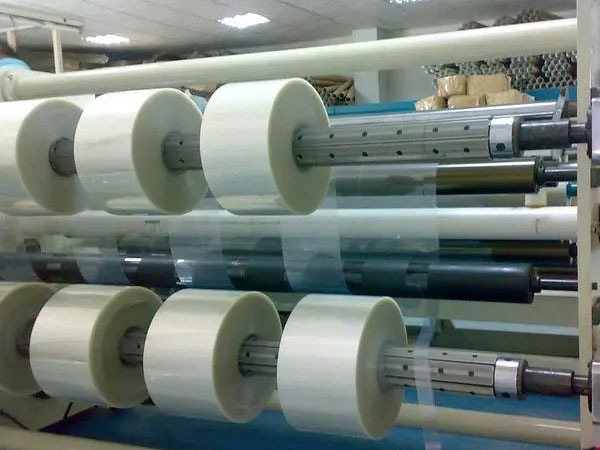 Film Slitting Machine



 +86 135 9951 7291
 support@delishgroup.com
 +86 135 9951 7291