14. April, 2026delish0
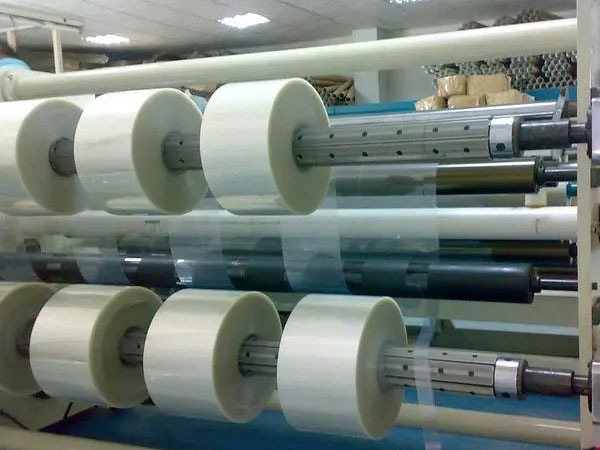
In the production process of thermal transfer ribbons, slitting is a critical part of the quality and cost of the final product. The slitting machine tailings – the remaining parts of each ribbon that are slitted to the end that cannot be processed – have long been considered "necessary losses", but in reality, this waste has great potential. Let's start with a cause analysis and explore several practical ways to reduce tailings waste.
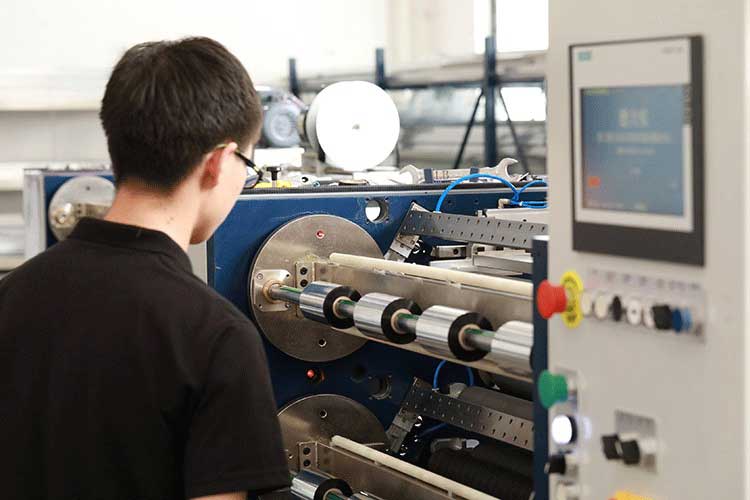
1. The root cause of tailings waste
Ribbon slitting tailings typically occur in two stages:
1. Core tailings: When the slitting coil is close to the hollow core paper tube, due to tension fluctuations and reduced coiling stability, the last few meters to tens of meters of ribbon cannot ensure uniform coating and no wrinkles, and can only be discarded.
2. Change the tailstock: When the slitting of the large shaft female coil is completed, there are also uneven coatings or joint problems at the ends.
The fundamental reason is that in the process of slitting machine from full to empty roll, the coil diameter continues to decrease, and the difficulty of maintaining constant tension increases; when the coil diameter is small to a certain extent, the hardness and support force at the coil core are insufficient, and it is easy to produce inner ring slippage, indentation or deviation.
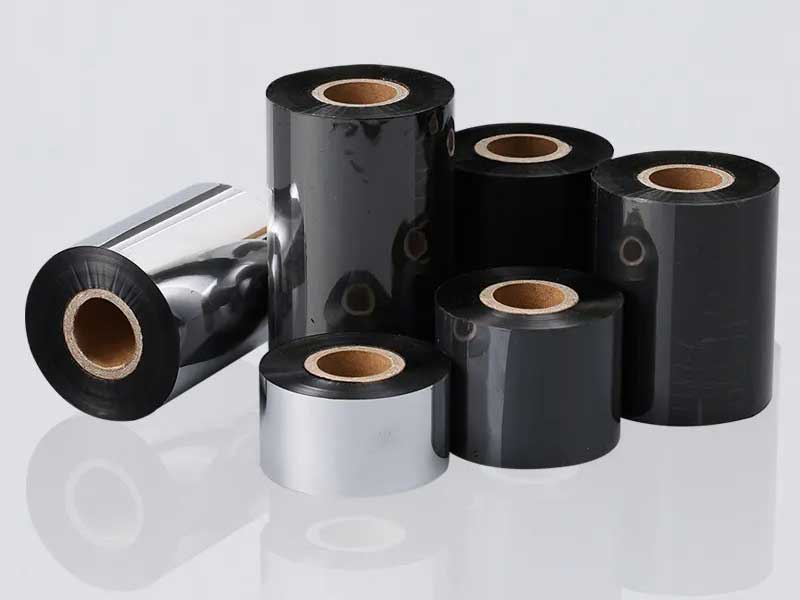
2. Specific measures to reduce tailings waste
1. Optimize the tension control program
Modern slitting machines are generally equipped with automatic tension control systems, but the parameters of the tailings stage need to be optimized individually. Recommendations:
• Set "Small Coil Mode": When the roll diameter is less than the set value (e.g. 50mm), actively reduce the tension setpoint (e.g. from 100N to 30N at full roll) to prevent the inner ring from crushing.
• Use a taper tension curve: Allow the tension to decrease linearly or exponentially as the coil diameter decreases, rather than remaining constant. This significantly extends the effective slitting length.
2. Improve the core design or select auxiliary tools
• Use an extended paper tube: A short tube is pre-bonded at one end of the standard paper tube as a "sacrificial segment", and the ribbon can be rolled all the way to the sacrificial section when slitting, and finally the sacrificial section is cut off. While increasing the cost of paper tubes, the length of recyclable ribbons is often much higher than the paper tube value.
• Introduce reusable metal core: The metal core has a smooth surface and high hardness, which can maintain stable tension even if the coil diameter is small, and the tailstock can be shortened to less than 2-3 meters. The disadvantage is that the initial investment is large and needs to be recycled and managed.
3. Process parameter adjustment
• Reduced slitting speed: reduce the vehicle speed from the normal 200-300 m/min to less than 50 m/min during the tailstock stage (last 20 meters), so that the tension control system has a more abundant response time and avoids instantaneous instability.
• Tailings pressure roller: Start a light touch pressure roller when the roll diameter is small, acting on the surface of the finished coil to compensate for the lack of support force at the core of the coil. This method is particularly effective for thin substrate ribbons.
4. Production scheduling and splicing strategy
• Tailings reuse: The tailings generated by the same specification and different batches of slitting are collected centrally, and spliced into "short meter finished product rolls" (such as 30 meters and 50 meters) through a special tape adapter, which are sold as samples or low-price test tapes.
• Large tailings cycle: When a master coil is slitted to the end of the remaining length exceeds the conventional tailings (e.g. 200 meters remaining), instead of continuing to slitting into small rolls, the section of master roll is directly returned to the coating shop as a "semi-finished product" to be re-coated with a functional coating – this is feasible in some double-sided or composite ribbon processes.
5. Equipment upgrade and maintenance
• Calibrate the tension sensor regularly: Sensor zero drift can cause the actual tension at the tailstock stage to be much higher than the displayed value, exacerbating waste. Calibrate quarterly.
• Replace high-precision guide rollers: Guide rollers with low inertia and good dynamic balance can run smoothly under small tension, reducing the deviation of tailings sections.

3. Data comparison: the effect before and after improvement
Take the actual case of a ribbon manufacturer as an example (slitting width 30mm, core inner diameter 25.4mm, normal tailstock length about 15 meters):
| project | Before improvement | After improvement (comprehensive measures) |
| Average tailings length | 15 meters | 5 meters |
| The proportion of tailings to the total slitting volume | 2.1% | 0.7% |
| Annual output (based on 5 million square meters) | 5 million m² | 5 million m² |
| The wasted area of the year's tail material | 105,000 m² | 35,000 m² |
| Annual cost savings (at 2 yuan/m²) | — | 140,000 yuan |
4. Precautions and limitations
• Not all measures are suitable for all ribbon types: highly sensitive thermal transfer wax-based ribbons are extremely sensitive to tailstock tension and need to be carefully reduced; while resin-based ribbons have better tolerance and can be optimized more boldly.
• After the tailings are shortened to a certain extent (e.g. below 3 meters), the marginal benefit decreases, and further shortening may require sacrificing slitting speed or increasing operation time, and the pros and cons need to be weighed.
• Operator training cannot be ignored: parameter switching in the tailings stage often needs manual confirmation, and clear operating procedures should be formulated to avoid waste rolls due to misjudgment.
Epilogue
Reducing the waste of tailings of ribbon slitting machine is not simply the pursuit of the "last meter", but on the premise of ensuring yield and production efficiency, through fine tension control, coil core improvement and process innovation, systematically compress the unusable residual length. In practice, it is completely feasible to reduce tailings from 15 meters to 5 meters, which can save enterprises considerable raw material costs every year while reducing solid waste emissions. In the next step, it can be combined with automated visual inspection and AI tension prediction model to continue to move towards the goal of "zero tailings".
 English
 Deutsch
 Français
 Español
 Português
 日本語
日本語 русский
 한국어
한국어 عربي
عربي ภาษาไทย
 Tiếng Việt
 Italiano
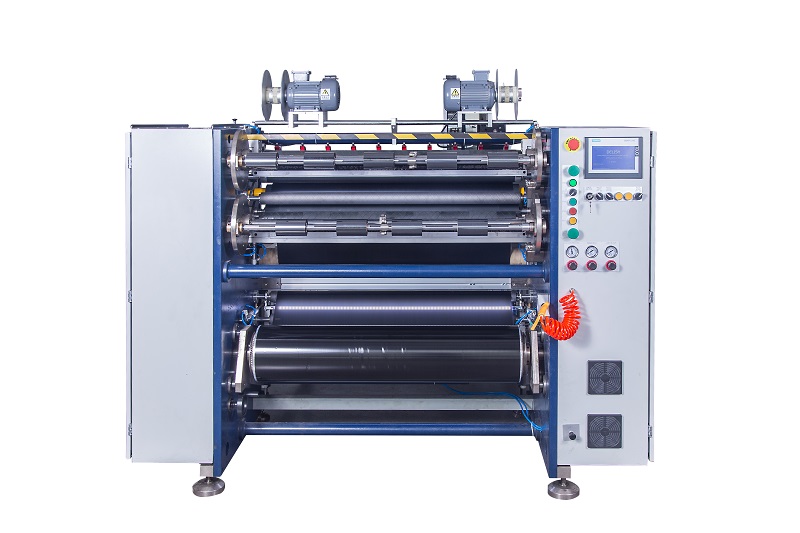
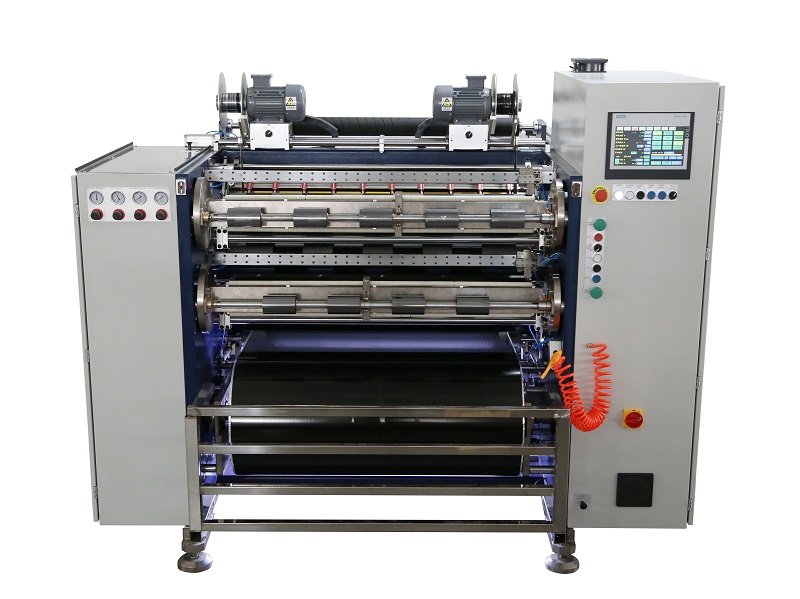 Fully Automatic TTR Slitter RSDS8 Plus
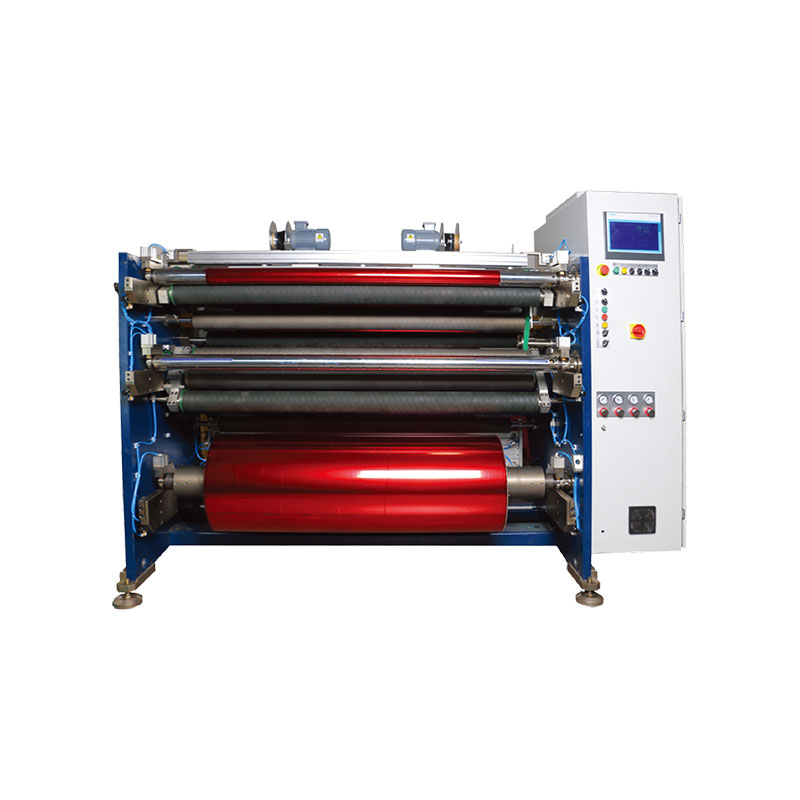 Hot Stamping Foil Slitter 1600mm
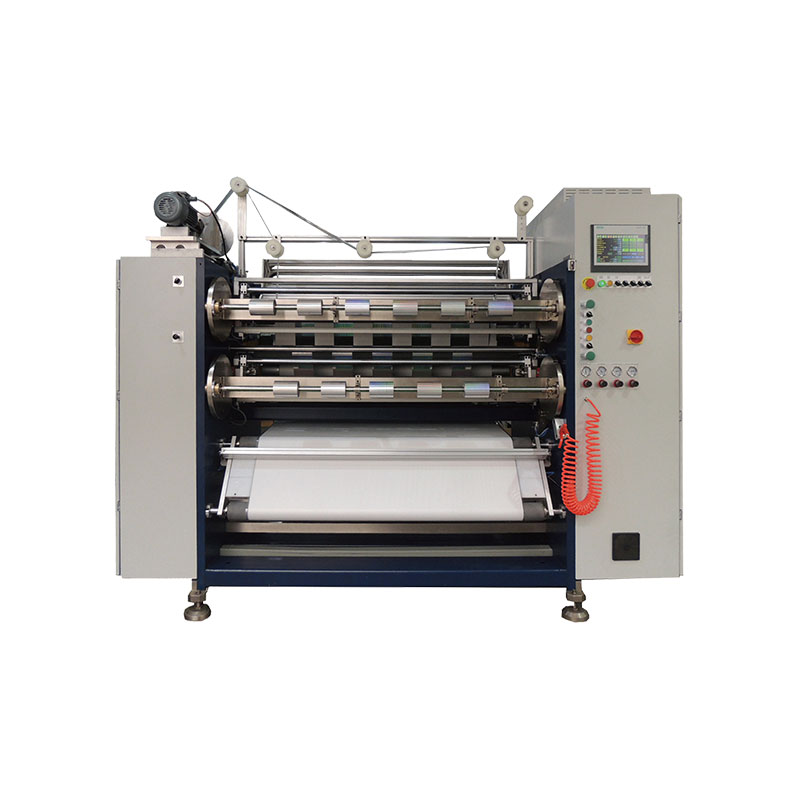 Hot Stamping Foil Slitter (4 Shafts)
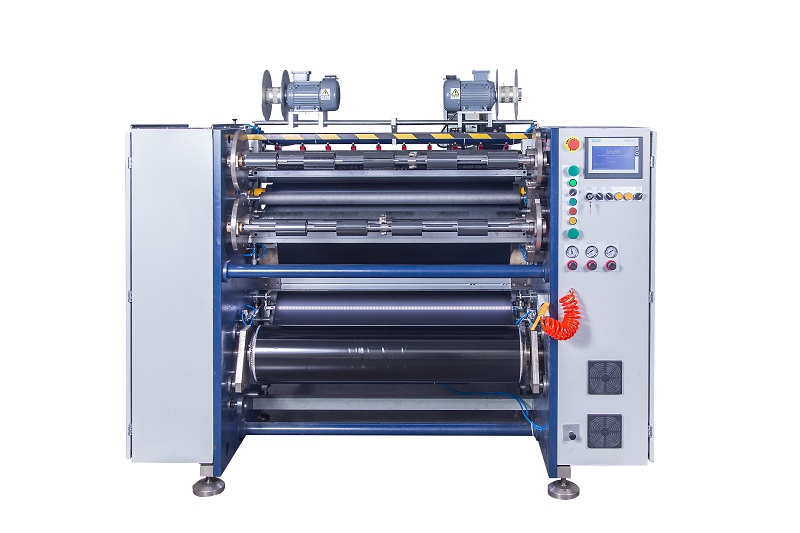 Semi-Auto TTR Slitter RSDS2 Plus
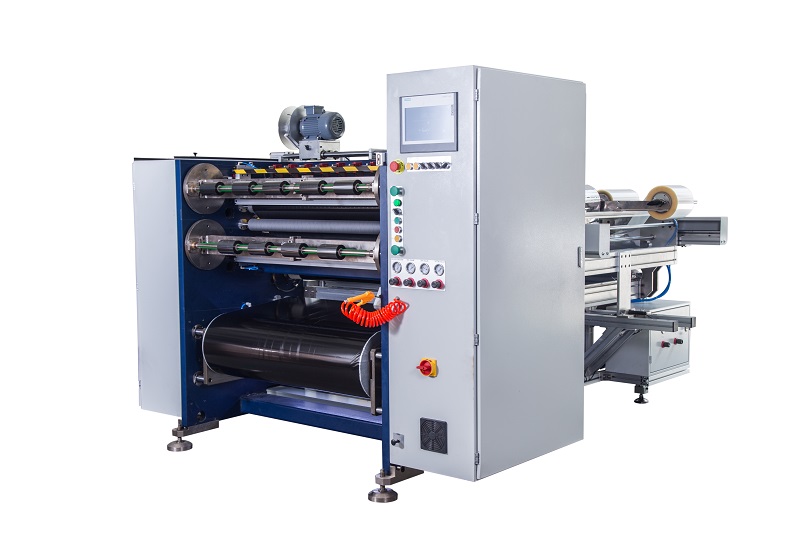 Semi Automatic TTR Slitter RSDS5 Plus
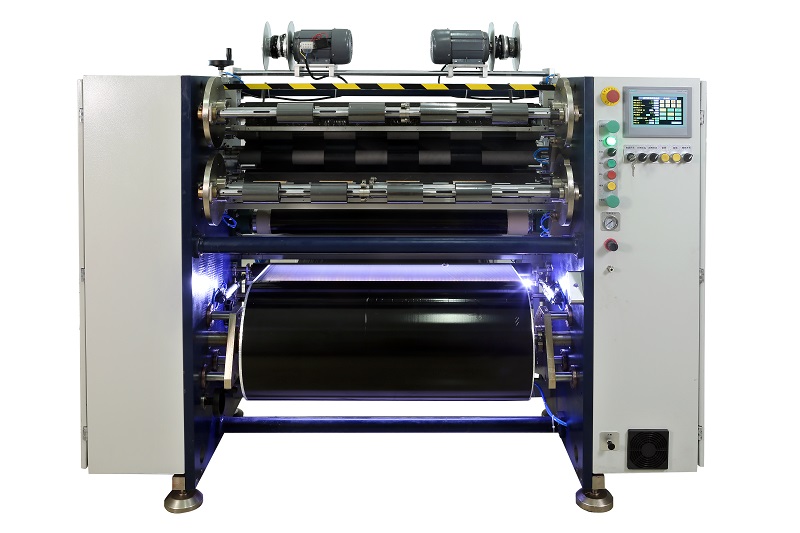 Manual TTR Slitter RSDS2
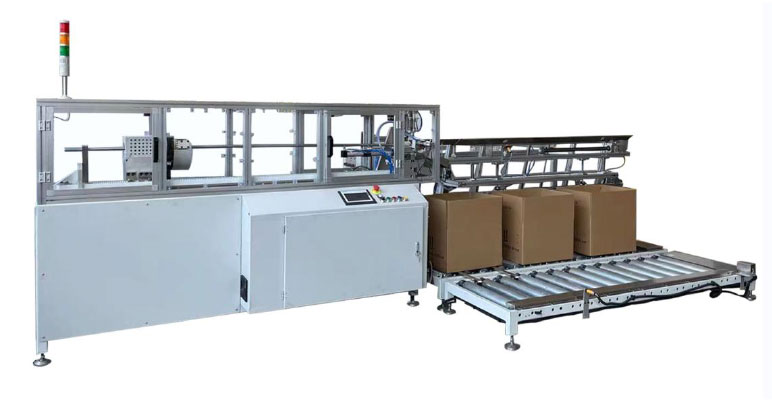 Auto Paper Core Cutter
 Film Slitting Machine



 +86 135 9951 7291
 support@delishgroup.com
 +86 135 9951 7291